READY TO GET STARTED?
REQUEST A FREE ESTIMATE
Fill out the form below or call (888) 466-7849 for a free, no-obligation estimate.

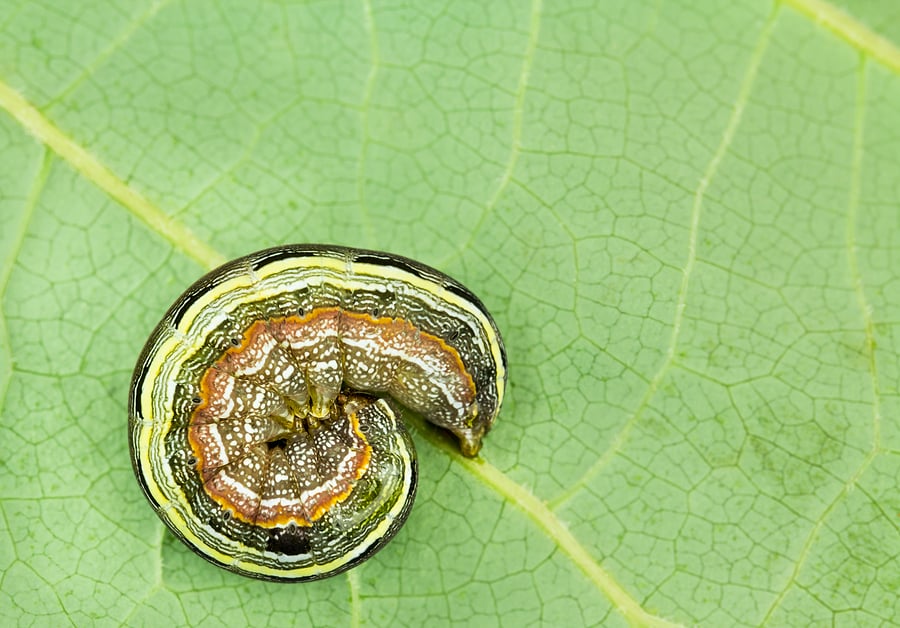
Are you noticing patchy areas of brown grass throughout your yard? This could be a sign that you have armyworms! While armyworms themselves are small, if found in large groups they can cause considerable damage to your lawn.
A type of caterpillar and a larva of moths, armyworms are striped with green, brown, and yellow colors. These pests will mostly feed on grass, plants, and vegetables. While one armyworm won’t cause significant damage, if they do end up multiplying, it can be tough to eradicate once they’ve infested the plants or grass. It’s important to know the signs of armyworms and the steps to prevent them from destroying your yard.
Signs of Armyworms
The first step in prevention is looking for signs that you have lawn and plant damage. Keep an eye out for patchy areas on your lawn that are turning brown. Brown spots in your yard are a major sign that your grass is being eaten by armyworms. Additionally, if armyworms are active on your property, you might see more birds, as well, as they will eat armyworms as a food source. You can also find these pests in their adult form as brown moths with a white spot on each wing. You can usually spot them feeding on nearby plants.
How to Prevent Armyworms
Preventing armyworms is easier than you think. Making sure that your grass is well-maintained with a good lawn care routine can help. Ensure that your grass is short by regularly mowing, frequently watering lawn and plants, and providing necessary nutrients for healthy green grass. It could be beneficial to consider reaching out to your local lawn care company or pest control provider who can provide you with an effective lawn care plan to help prevent armyworms and recommend effective products.
Glimpses of spring have filled the air here and there. Even though temperatures are unpredictable right now, it is the perfect time to plan for your garden. Ideal conditions, like temperatures and planting zones, vary depending on your location. The state of Georgia has 5 different plant hardiness zones or geographical areas in which specific plant life is capable of growing based on climate (source).
So what are some simple steps you can do right now to Plan for Your Garden?
Don’t have time for spring planning for your garden? Northwest Lawn Care offers FREE lawn care analysis, aeration and overseeding, and tree and shrub services. Save time and money and let the experts handle your lawn care year round!
This past weekend was a great preview of the warm Spring weather that is coming. The sun was shining, birds chirping, and we could comfortably be outside without multiple layers of clothing. It seems that we have almost (I repeat, almost) escaped the harsh winter that we’ve been experiencing.
After our spring preview, its made many people think about their lawn and how they can enjoy it in the upcoming months. After the treacherous winter weather, it may need a little more TLC than usual. Northwest Lawn Care would like to help you get your lawn back into tip-top GREEN shape!
Our FREE lawn care analysis is an in-depth inspection of your lawn that will help us develop a comprehensive plan that is unique to the needs of your lawn. Call us today or visit us online to schedule your analysis to have your lawn healthy and green for the spring.
It takes more than water and sunlight to get the fresh, green, luscious lawn that you envision. It can take a lot of time and money to get the results that you desire. That’s where Northwest Lawn Care comes in. We can save you time and money by doing the tough stuff for you. So what are the benefits of lawn care?
Northwest’s Lawn Care program consists of 8 rounds throughout the year. Each round is done by our knowledgeable lawn care experts using the most advanced products on the market. Lawn Care experts conduct a FREE lawn care analysis to determine the best treatment plan for your lawn and it’s needs.
Round 1: This treatment is a deep root treatment and weed prevention/control. This treatment is especially beneficial for stronger root development and to help provide nutrients to the soil for better digestion of the nitrogen products that are applied in the Spring and Summer times.
Round 2: This treatment is a combination of fertilizer and weed prevention/control. This treatment is especially beneficial for crabgrass control.

Crabgrass
Round 3: The main focus of this treatment is turf growth through the application of fertilizers.
Round 4: The main focus of this treatment is turf growth through the application of fertilizers.
Round 5: The main focus of this treatment is turf growth through the application of fertilizers.
Round 6: The main focus of this treatment is weed control.
Round 7: The main focus of this treatment is root growth and weed control by applying a combination of fertilizers. This treatment is vital to any program and is especially important in the prevention of poa annua. Poa annua is common in the South and begins to emerge during the early spring months.
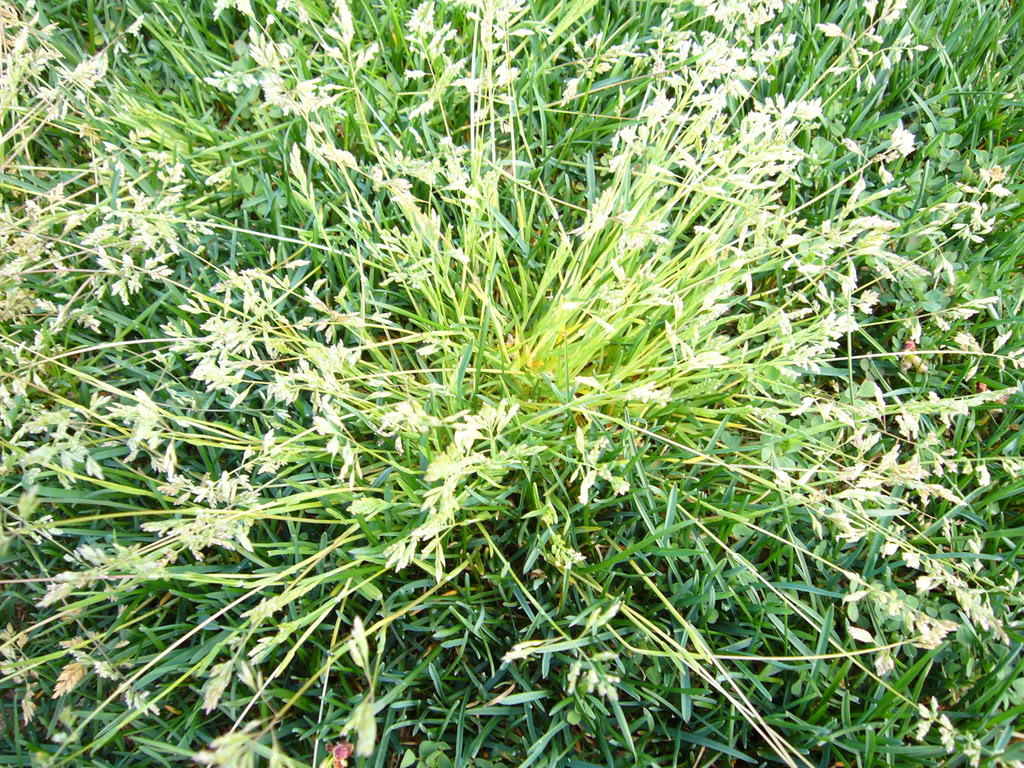
poa annual
Round 8: The main focus of this treatment is lime application. Lime is essential for regulating the pH levels in soil.
In addition to the 8 round lawn care program, Northwest also provides, aeration, overseeding, tree and shrub, bed control, and warm season aeration.
Start now to get your lawn looking lush and green for the warmer outdoor seasons!
During this time of year, you may notice that your lawn isn’t as green as the grass on the other side. Have no fear, Northwest Lawn Care services can provide diagnostics to let you know what’s going on beneath the surface of your lawn. For the most part, the summer months can mean very green lush grass, but the same warm temperatures might permit infections in your lawn. Way may seem like an unfortunate eye sore to you, may be one or more lawn diseases interrupting your summer plans.
Brown patch
This is a very prevalent disease that may make you think your lawn isn’t getting enough water and treatment. In actuality, this results due to moist, hot weather or over-fertilized lawns. This is active when grass remains wet at temperatures between 80 to 90 degrees Fahrenheit. It’s important to improve aeration and drainage on such lawns by watering deeply and infrequently, mowing high and removing excess thatch.
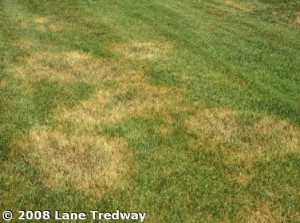
Brown Patch
Fairy Rings
Despite what their name suggests, fairy rings are not due to Tinkerbell and her friends dancing across your yard. Rather, patterns of circles of mushrooms or unusually lush grass are due to soil exhaust forcing nutrients to the outer edge of dying mycelium. Your only choice in this instance is to dig up the affected area and use lawn treatments in order to make this area less visible.

Fairy rings
Summer patch
This disease grows as a result of a fungus that infects and destroys grass roots. It mostly affects gross growing in a sunny, hot lawn. The grass will begin as wilted, dark green and eventually turn straw brown. The most effective means eliminating this is using preventive measures that Northwest Lawn Care provides.

Summer patch
If you are interested in learning about more lawn diseases, please visit the link below. If there are any that you feel affect your lawn, please contact Northwest Lawn Care and schedule an appointment today!
Sources:
http://www.yardcare.com/restore/fighting-lawn-diseases/summer-lawn-diseases/