Jan 24, 2025 | Pest Control
Rodents such as rats and mice are among the most common household pests in Georgia. They are notorious for invading homes, contaminating food, spreading diseases, and causing structural damage. Learning to identify the signs of rodents and taking proactive steps to prevent infestations can help protect your home and family. Below, we outline 12 practical rodent control tips, discuss the types of rodents common in Georgia, and explain why these pests invade homes.
Rodent Control For Your Georgia Home
Types of Rats and Mice Common in Georgia
- Norway Rats
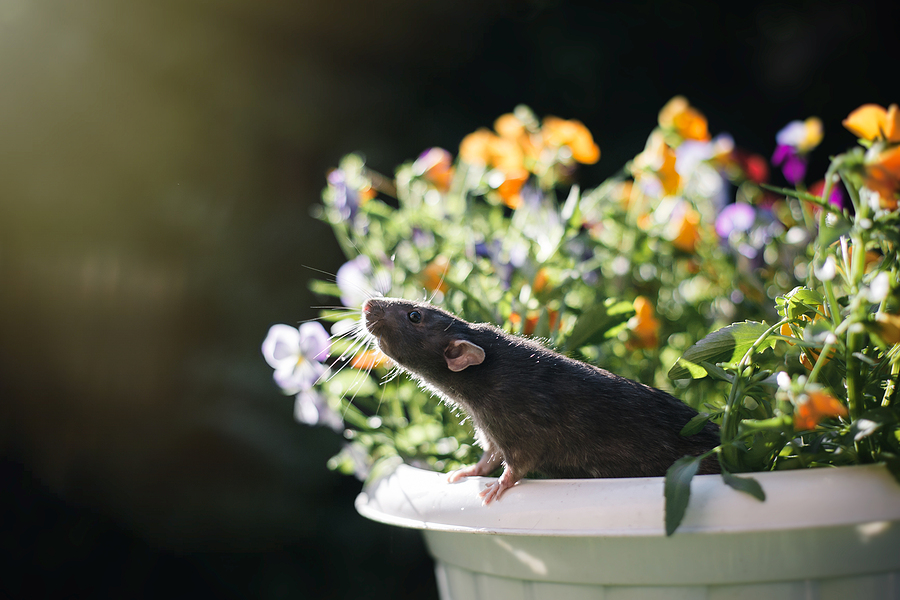
Norway rats are large rodents that burrow in the ground or around the foundation of buildings. They’re known for gnawing through wood, wires, and even concrete to gain entry.
- Roof Rats
Roof rats are smaller than Norway rats and are adept climbers, often found in attics, trees, or along rooftops.
- House Mice
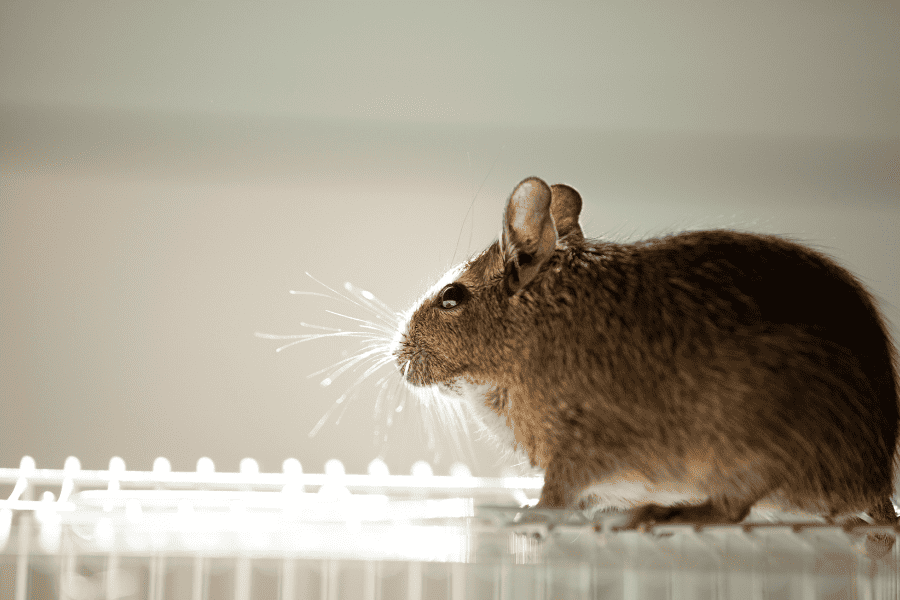
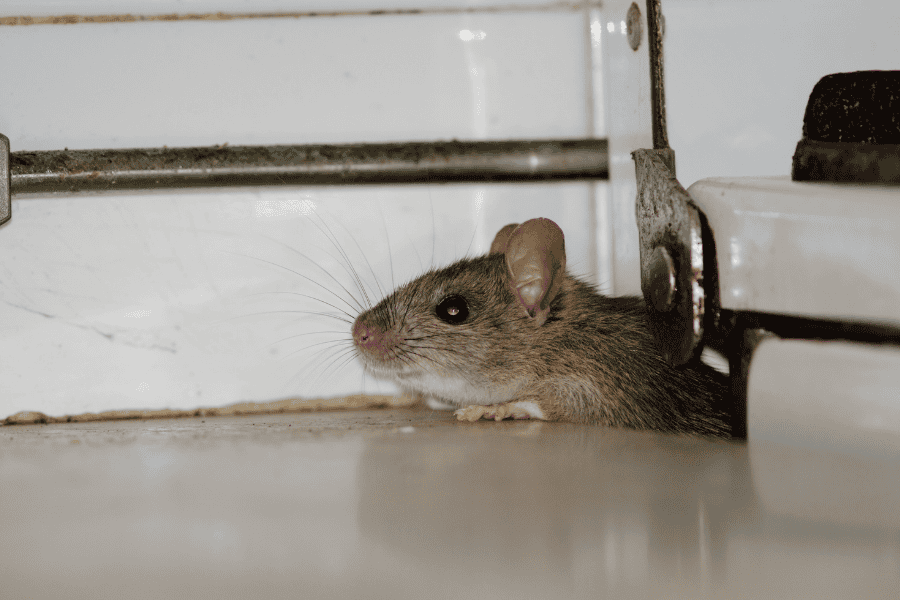
House mice are small but resourceful, capable of squeezing through openings as tiny as a dime. They breed rapidly and thrive in areas with abundant food and shelter.
How and Why Rodents Invade Homes
Rodents enter homes searching for three basic needs: food, water, and shelter. Here’s why and how they manage to get inside:
- Food Sources: Rodents are opportunistic eaters. They are drawn to unsealed food, crumbs, and improperly stored pet food.
- Water: Leaky faucets, standing water, and pet water bowls can attract thirsty rodents.
- Shelter: Holes in walls, gaps around windows, and open doors are prime entry points for rodents seeking warmth and safety.
12 Tips for Rodent Control in Your Home
1. Seal Entry Points
Inspect your home for cracks, holes, and gaps, especially around doors, windows, and the foundation. Use steel wool, caulk, or hardware cloth to seal these openings, as rodents can gnaw through weaker materials.
2. Keep Food Sources Secure
Store all food, including pet food, in airtight containers. Clean up crumbs and spills promptly, and avoid leaving dirty dishes overnight.
3. Eliminate Water Sources
Repair leaky faucets and pipes, and ensure your home’s drainage system works efficiently. Remove standing water both inside and outside your home.
4. Declutter Your Home
Rodents love cluttered spaces where they can hide and nest. Keep storage areas tidy, dispose of unused items, and organize your garage or attic.
5. Clean Regularly
Vacuum floors, wipe down counters, and take out the trash daily. Rodents are less likely to settle in a home that’s free of food residue.
6. Install Door Sweeps
Gaps under doors are a common entry point for rodents. Installing door sweeps can prevent rats and mice from sneaking inside.
7. Set Traps
Traps are an effective do-it-yourself rodent control method for small infestations. Snap traps, glue traps, and live traps are widely available at hardware stores. Be sure to place traps near walls and areas with visible signs of rodents, such as gnaw marks or droppings.
8. Use Rodent Deterrents
Natural deterrents like peppermint oil, cayenne pepper, and ultrasonic devices can help repel rodents. However, these methods are often best used alongside more robust solutions.
9. Address Outdoor Areas
Trim tree branches that touch your roof, as they serve as highways for roof rats. Remove piles of debris, and store firewood at least 20 feet from your home to eliminate potential nesting sites.
10. Monitor for Signs of Rodents
Stay vigilant for signs of rodents, including droppings, chewed wires, nests made of shredded materials, and unusual noises in walls or ceilings. Early detection is key to preventing a full-blown rodent infestation.
11. Protect Children and Pets
If you’re using traps or rodenticides, ensure they’re placed in areas inaccessible to children and pets. Many rodent control products can be hazardous if accidentally ingested.
12. Call a Professional Rodent Exterminator
For severe rodent problems, contacting a professional rodent exterminator or pest control company is the safest and most effective solution. These experts have the tools, experience, and knowledge to eliminate rodents and prevent future infestations. Consider pest control companies who specialize in green pest control methods to not only eliminate your pest issues but do so in a way that is safe for the environment, children, and pets.
What Diseases Do Rats Carry?
Rodents are not just a nuisance; they pose serious health risks. They can spread diseases to humans and pets, including:
- Hantavirus: Transmitted through rodent droppings, urine, or saliva.
- Salmonella: Caused by consuming food or water contaminated by rodents.
- Leptospirosis: Spread through contact with water or soil contaminated with infected rodent urine.
These diseases underscore the importance of addressing rodent problems promptly.
What to Do with a Rodent Infestation
If you suspect an infestation, take the following steps immediately:
- Identify the Type of Rodent
Determining whether you have a rat or mouse problem can help you choose the best control methods. Rats are larger and more cautious, while mice are smaller and more curious.
- Remove Food and Water Sources
Without access to food and water, rodents will be less likely to stick around.
- Set Traps or Baits
Place traps in high-activity areas, such as near nests or along walls. For severe infestations, consult a rodent exterminator to ensure safe and effective treatment.
- Inspect Your Home Regularly
Continue monitoring for signs of rodents and seal any new entry points to prevent a recurrence.
Why Professional Pest Control is Worth It
While do-it-yourself rodent control can be effective for minor infestations, professional pest control services offer significant advantages:
- Expertise: Professionals know where to look for nests, entry points, and hidden signs of activity.
- Safe Solutions: Licensed exterminators use safe, targeted methods to protect your home and loved ones.
- Long-Term Results: Pest control companies implement preventive measures to keep rodents out for good.
If you’re searching for “rodent control near me” in Georgia, consider reaching out to a trusted pest control company for a consultation.
Prevent Rodent Problems Before They Start
Preventing a rodent infestation is always easier than eliminating one. Follow these tips, stay vigilant, and take action at the first sign of activity. Rodents may be small, but their ability to contaminate food, spread diseases, and damage property makes them a big threat.
Whether you need assistance with rat control, advice on how to get rid of rodents, or help with ongoing rodent problems, don’t hesitate to contact a professional pest control company. They can provide the expertise and peace of mind you deserve.
Need Help with Rodent Control?
If you’re dealing with a rodent issue or want to take preventive measures, call a local pest control company today for a free consultation. Let the professionals handle the problem so you can enjoy a safe, rodent-free home.

May 7, 2024 | DIY Pest Control, Florida Pest Control
House mice, roof rats, Norway rats, and other rodents seek our homes as a place for shelter to breed and search for an available food source to survive. These creatures are known to contaminate our environments and spread diseases such as plague, tularemia, and hantavirus. Rodents will often chew through insulation and electrical wiring, creating the risk of a fire. Placing do-it-yourself rodent-proofing measures throughout your home will protect your property and family from these pests.
Do-it-Yourself Rodent Proofing Tips
Rats and mice seek out food, water, and shelter in homes, so it’s important to eliminate these factors from your property to avoid an infestation. Let’s review our DIY rodent-proofing tips for your Florida property:
- Rodents can enter through the smallest opening, so inspect your home’s doors and windows for holes, gaps, and loose or broken seals, repairing where necessary.
- Remove any clutter from your home, including old newspapers, books, magazines, and cardboard boxes you don’t utilize anymore.
- Always keep your yard well-maintained by mowing on a regular basis, keeping shrubs and trees trimmed, and removing yard debris.
- If you store lumber or firewood, place it at least 20 feet from your home and elevated off the ground.
- Check for any excess moisture throughout your home; repair any leaky pipes and eliminate excess moisture in your crawlspace through crawlspace encapsulation.
If you’ve noticed signs of rodents or would like extra help with rodent-proofing, call a pest control company near you! Professionals will provide you with a free analysis and a recommended rodent control treatment and prevention plan!
Jan 24, 2024 | Florida Pest Control
Contamination, disease, and property destruction are all possible in your home if a rodent invades it! Rodents, including mice and rats, can be destructive creatures and once they’ve invaded your home, it can be difficult to remove them since they reproduce so quickly! One of the best ways to ensure these pests don’t enter your Florida home is taking the necessary precautions to avoid them in the first place. We break down the types of rodents to be cautious of and our best do-it-yourself rodent prevention tips to keep rodents out of your Sunrise home.
Types of Florida Rodents
- House Mouse: Preferring dark, secluded areas in your home, these rodents are found in crawlspaces, basements, and attics. Mice adapt quickly to our human environments, seeking out food and water for survival. These rodents are also skilled climbers and can jump a foot high to reach isolated areas!
- Roof Rats: With their padded feet, roof rats will climb into our homes at the highest points, including our attics, eaves, and roof lines. These rodents typically live in colonies and stick together once they’ve found a place to habitat.
- Norway Rats: One of the largest rodent species, Norway rats are nocturnal and will seek food sources at night, especially in your trash can. Once they’ve infested a home, they are known to gnaw on furniture, walls, plastic, lead pipes, and even electrical wires.
Preventing Rodents in Sunrise
Rodents are attracted to food, water, and available shelter, so it’s crucial to eliminate these factors from your property to avoid a rat and mouse infestation. Check out our DIY rodent prevention tips for your Florida property:
- Seal and repair windows and doors that are loose or have a broken seal.
- Utilize screens on doors and windows, especially for those that tend to be open.
- Inspect the exterior of your home for any cracks or gaps and seal them immediately.
- Avoid leaving your pet food and water bowls outside overnight and store pet food in plastic containers with lids.
- Repair any leaky pipes and eliminate excess moisture in your crawlspace; we recommend enclosing crawlspaces to moisture issues and help eliminate household pests.
- Keep your yard well-maintained by mowing your grass, trimming back shrubbery, and removing debris on a regular basis.
- If you store lumber on your yard, look to place it at least 20 feet from your home and elevated off the ground.
- Have a regular cleaning schedule that includes vacuuming, mopping, and sweeping.
If you suspect you have a rodent infestation or are interested in getting ahead of preventing them, call your local pest control company. Professionals will provide you with a thorough inspection, identification of the rodent, possible entry points, and a rodent control and prevention plan.
Oct 31, 2023 | Florida Pest Control
Punta Gorda Rodents
Rodents are a common pest Floridians will deal with. Rodents, like rats and mice, invade homes in search of water, shelter, and food to survive. Once rodents have infested your Punta Gorda home, it can be difficult to remove them as they will often reproduce quickly! It’s important for Punta Gorda homeowners to understand what attracts rodents to their homes and how to prevent them from infesting.
What Attracts Rodents
- Food: The most common reasons rodents will invade your property is if they find food. Both rats and mice will eat anything you leave laying around inside and outside of your home, including pet food.
- Warmth: Rodents like a warm, comfortable place to inhabit, which is why they often look to our homes to find it. Common places these creatures will inhabit include attics, sheds, basements, and other structures that are dry and warm enough to make a nest.
- Water: Like any pest, rodents need water to survive. Mice and rats are in constant search for water, which our homes have plenty of supply of. These rodents will take advantage of leaky pipes, bowls of water for our pets, leaking sprinklers, fountains, and birdbaths.
How to Prevent Rodents
Dealing with rodents in your home is less than ideal. Luckily, there are do-it-yourself preventative measures you can place throughout your home to keep these pests from invading. Consider the following rodent control tips:
- Empty your garbage regularly, utilizing a tight lid or lock
- Utilize screens on vents, chimneys, windows, and doors
- Keep your home free of clutter from paper, fabric, and other materials used for nesting
- Seal any entry points leading inside your home with metal mesh
- Rinse food and drink containers before throwing them away
- Avoid leaving pet food and water out overnight
- After each meal, wipe down your countertops and clean up any spills or crumbs
- Repair any leaky pipes found in your home
- Keep firewood elevated and stored at least 20 feet away from your home.
In summary, what attracts rodents to your Punta Gorda home is food, water, and shelter. If you suspect a rodent infestation, contact your local pest control company for help. These professionals will thoroughly inspect your home and safely remove any rodents that are found on your property.
Apr 28, 2023 | Pest Control, Wildlife
Rodents such as mice, rats, and squirrels are overwintering pests, taking refuge inside your home during the colder months of the year. When spring arrives, these pests are already hiding in your attic, basement, crawlspace, garage, and even inside your walls. As the weather warms, they emerge for two reasons: searching for food and breeding season.
Rodents are dangerous to have inside your house for many reasons including:
- Chewing through wiring, drywall, and insulation
- Increasing your exposure to fleas, ticks, lice, mites, and more
- Contaminating your home with their urine and feces
- Spreading diseases like hantavirus, plague, and tularemia
Keeping rodents out of your home during any season of the year starts with prevention. Implement some of these rodent control tips this spring:
- Inspect doors and windows for loose or broken seals and repair or replace them immediately.
- Use screens on doors and windows, especially ones that are opened frequently.
- Seal any exterior cracks or gaps.
- Use mesh screens on chimneys, downspouts, and vents.
- Seal food in canisters with lids.
- Use trashcans with lids.
- Keep your yard mowed and shrubbery trimmed.
- Get rid of any yard debris.
- Keep firewood away from your house.
- Vacuum everywhere, especially where crumbs might be present.
If you have a problem with rodents or any other household pests, contact your local pest control company for a thorough evaluation.
You May Also Be Interested In:
The Differences Between Bumblebees and Honeybees
When Are Termites Most Active?
Common Rats and Mice You Might See this Spring
A Step-by-Step Guide to Spring
Protecting Your Pets from Fleas and Ticks