
The Best Bee-Friendly Plants for Georgia Gardens
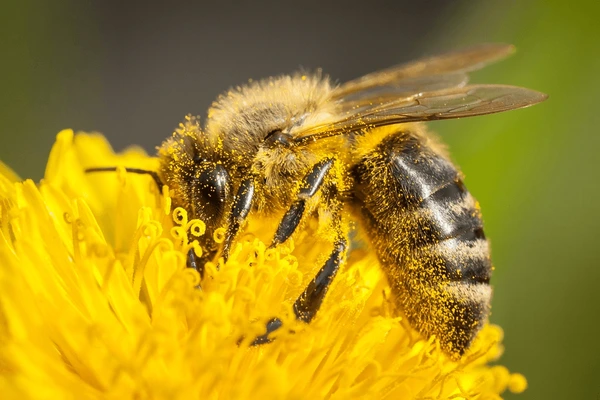
Bees are some of Georgia’s most essential pollinators, yet they face increasing threats from habitat loss, pesticides, and climate change. For homeowners looking to cultivate beautiful and eco-friendly gardens, planting bee-friendly plants can provide a non-toxic environment for these critical pollinators, all while enhancing the vibrancy of backyard spaces.
This blog explores the best bee-friendly plants for Georgia gardens, including native flowers, beneficial herbs, and flowering trees and shrubs. Whether you’re a seasoned gardener or just starting your green-thumb journey, these plant recommendations will help you create an inviting habitat that supports pollinator health.
Recommendations: Bee-Friendly Plants
Why Plant a Bee-Friendly Garden?
Before we dig into plant recommendations, it’s important to highlight why bee-friendly gardens matter:
- Pollination Power: Bees are responsible for pollinating over 75% of flowering plants and nearly 35% of the food crops we eat.
- Supporting Biodiversity: Planting for bees cultivates ecosystems that support a variety of pollinators, birds, and other wildlife.
- Healthy Landscapes: Bee-friendly gardens eliminate the need for harsh pesticides, creating healthier spaces for homeowners and pets.
By including the right plants, you enable bees to thrive while also enjoying a more stunning, productive backyard. Now, let’s explore the best options for your Georgia garden.
Native Flowers for Pollinators
Georgia’s climate is rich in biodiversity, making it an ideal environment for native flowers. These plants naturally thrive in the region’s soil and climate while offering crucial resources to native bees.
1. Purple Coneflower (Echinacea purpurea)
Purple Coneflower is a favorite among gardeners and pollinators alike. With its daisy-like petals and vibrant purple hue, this perennial attracts numerous bee species, including bumblebees and carpenter bees. It’s hardy, drought-resistant, and blooms throughout summer, providing lasting nourishment.
- Sun Requirements: Full sun to partial shade
- Bloom Period: Summer to early fall
- Benefit: Supports both honeybees and native bees
2. Black-Eyed Susan (Rudbeckia hirta)
Known for its golden-yellow petals and dark centers, Black-Eyed Susan is a pollinator magnet. These vibrant flowers not only attract bees but also support butterflies and songbirds.
- Sun Requirements: Full sun
- Bloom Period: Summer to early fall
- Benefit: Easy to grow and resilient in Georgia’s warm climate
3. Coreopsis (Coreopsis spp.)
Coreopsis, often called “tickseed,” is a cheerful perennial that thrives in Georgia gardens. Bees love their bright yellow flowers, which bloom prolifically when exposed to full sunlight.
- Sun Requirements: Full sun
- Bloom Period: Spring through fall
- Benefit: Long-lasting blooms and minimal maintenance
4. Lavender (Lavandula spp.)
Lavender serves a dual purpose in gardens, offering a soothing fragrance to humans and a rich source of nectar to bees. Its tall, purple flowering spikes are irresistible to a variety of pollinators.
- Sun Requirements: Full sun
- Bloom Period: Late spring to early summer
- Benefit: Deters pests while attracting bees
5. Basil (Ocimum basilicum)
While most people grow basil for its culinary uses, it’s also a bee-loving herb if allowed to flower. Its small clusters of white or purple blooms provide nutrients for pollinators throughout the season.
- Sun Requirements: Full sun
- Bloom Period: Summer
- Benefit: Combines garden aesthetics with kitchen utility
6. Rosemary (Rosmarinus officinalis)
Rosemary’s evergreen foliage and tiny blue blooms make it a favorite in Georgia gardens—both for pollinators and gardeners. Its flowers can appear even in winter, providing much-needed nectar during colder months.
- Sun Requirements: Full sun
- Bloom Period: Winter to late spring
- Benefit: Thrives in Georgia’s well-draining soils
Flowering Trees and Shrubs for Pollinators
Flowering trees and shrubs create a stunning visual centerpiece in your yard while offering significant benefits for pollinators. These larger plants serve as vital food sources and shelter for bees in your region.
1. Redbud (Cercis canadensis)
One of Georgia’s most beloved native trees, the Redbud graces gardens with its vibrant pink blossoms in early spring. Its flowers are among the first food sources for bees after winter hibernation.
- Sun Requirements: Full sun to partial shade
- Bloom Period: Early spring
- Benefit: A crucial pollinator food source after winter
2. Tulip Poplar (Liriodendron tulipifera)
The Tulip Poplar, often referred to as the “bee tree,” features distinct yellow-green flowers that are highly attractive to bees. This towering tree is a staple for pollinators looking for abundant nectar.
- Sun Requirements: Full sun
- Bloom Period: Late spring
- Benefit: Provides large amounts of nectar for honeybees
3. Southern Magnolia (Magnolia grandiflora)
Nothing captures the beauty of Southern gardens quite like the Southern Magnolia. Its large, fragrant white blossoms are not only a visual feast but also a rich nectar source for native pollinators.
- Sun Requirements: Full sun to partial shade
- Bloom Period: Spring and summer
- Benefit: Supports bees while adding elegance to your landscape
Tips for Maintaining a Bee-Friendly Garden
After selecting the right plants, the following tips will ensure your Georgia garden remains a bustling bee haven:
- Avoid pesticides and herbicides, as these chemicals can harm bees and other beneficial insects.
- Incorporate a mix of plants that bloom at different times to provide year-round nectar.
- Include shallow water sources like birdbaths or dishes filled with water and pebbles for hydration.
- Allow some plants, like herbs, to flower to attract pollinators.
By implementing these practices, you’ll create not just a beautiful garden, but a thriving ecosystem that supports pollinators in the Georgia region.
Create Your Bee-Friendly Oasis
Bee-friendly gardening is more than just a trend—it’s an investment in the environment and the future of pollinators. By planting native flowers, herbs, and flowering trees and shrubs, you’re building a sanctuary for bees while enjoying vibrant blooms, fragrant herbs, and a healthier landscape.
If a beehive has ended up in an unwanted place on your property, our honeybee experts are here to help! Contact our team for eco-friendly pest control solutions to protect both your home and these essential pollinators.