READY TO GET STARTED?
REQUEST A FREE ESTIMATE
Fill out the form below or call (888) 466-7849 for a free, no-obligation estimate.

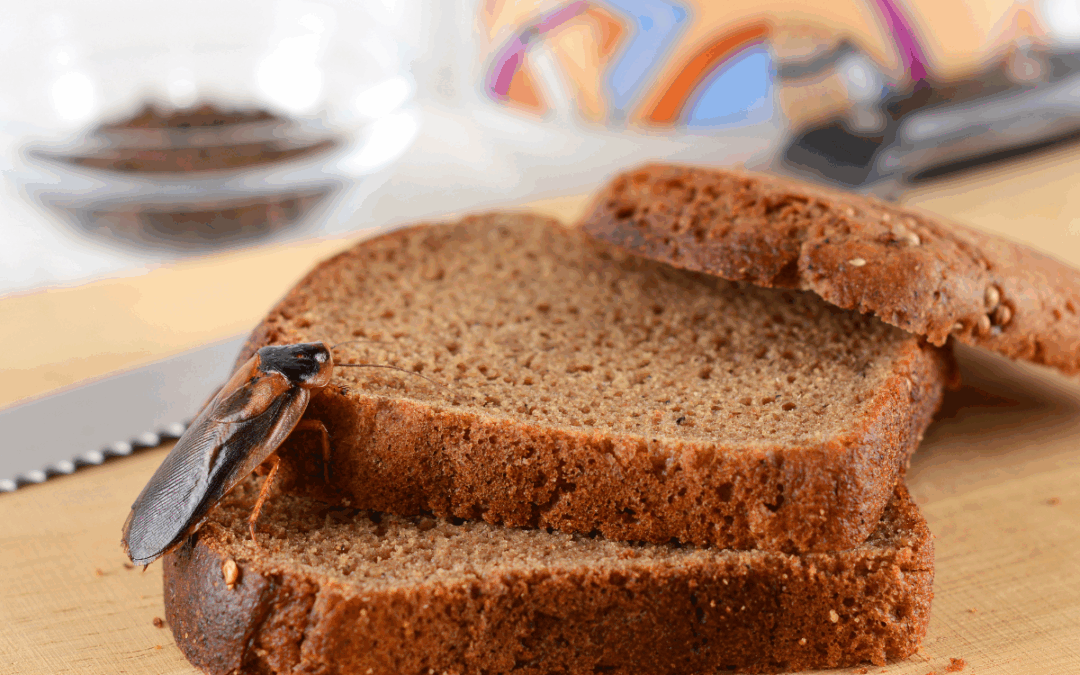
Winter in Savannah brings cooler temperatures and a break from the summer heat, but not from pest activity. Because the area’s winters are mild, many pests remain active — often moving indoors in search of warmth, food, and shelter. Rodents, cockroaches, and spiders are among the most common intruders this time of year. Understanding which common winter pests stay active and how to keep them out is the first step to protecting your home all season long.
Even a subtle drop in temperature can signal a significant change for pests. As their natural outdoor habitats become less hospitable, your home offers an ideal alternative with stable temperatures, moisture, and a consistent supply of food. This instinctive drive for survival is what leads to an increase in indoor pest sightings during the winter months. These pests can enter through the smallest of openings, turning your home into their winter retreat.
House mice and roof rats are two of the most common pests to invade Savannah homes in winter. They are intelligent and resourceful, capable of squeezing through tiny cracks and holes to gain entry.
Cockroaches are a year-round problem in Georgia, but their indoor presence can become more noticeable in winter. Species like the American cockroach and the German cockroach are experts at finding their way inside.
Spiders are not typically winter pests, but they often follow their food source—other insects—indoors. If you see an increase in spiders, it could be a sign of another underlying pest issue.
A proactive approach is the best way to maintain a pest-free home. Focusing on exclusion and sanitation can make your property far less appealing to these unwanted winter guests.
Carefully inspect your home’s exterior for any gaps or openings that pests could use to get inside.
Remove the food, water, and shelter that pests are searching for.
While these prevention methods are effective, an established pest population can be difficult to manage on your own. If you see signs of infestation, such as droppings, gnaw marks, or the pests themselves, it is time to consult a pest control professional to ensure your Savannah home remains a comfortable, pest-free space this winter.

When you discover pests in your home or business, your first instinct is to get the problem handled as quickly as possible. In that rush, you might be tempted to hire the first person who offers a solution, especially if they show up at your door with a convincing sales pitch. However, not all pest control providers are created equal. Choosing an unlicensed individual over a certified professional can lead to significant risks, ineffective treatments, and even greater costs down the road.
Hiring a licensed pest control professional is more than a preference—it’s a crucial step in protecting your property, your family, and your peace of mind. Licensed experts bring a level of training, accountability, and knowledge that unlicensed operators simply cannot match. This post will explore why working with a licensed professional matters and highlight the potential dangers of cutting corners.
Recently, the Georgia Department of Agriculture (GDA) issued a warning to residents about a spike in unlicensed individuals selling pest control services door-to-door. This official alert underscores a persistent problem that puts consumers at risk. Unlicensed operators may seem like a bargain, but the potential consequences are serious.
One of the greatest dangers of hiring an unlicensed operator is the misuse of pest control products. Licensed technicians receive extensive training and understand how to:
Without this expertise, an unlicensed individual might use the wrong product or apply it incorrectly, resulting in ineffective control and unnecessary risk to your property, your family, and the local ecosystem. This not only fails to solve the pest issue but can also introduce new problems.
Effective pest control is a science. It requires a deep understanding of pest biology, behavior, and harborage areas. A licensed professional doesn’t just spray chemicals; they conduct a thorough inspection to identify the root cause of the infestation. They can distinguish between different types of pests and know the most effective, targeted strategies to eliminate them.
An untrained person, on the other hand, is likely to take a one-size-fits-all approach. This often leads to temporary relief at best, while the core problem remains unsolved. The pests will almost certainly return, forcing you to spend more time and money on a problem that could have been resolved correctly the first time.
What happens if an unlicensed operator damages your property or fails to get rid of the pests? In most cases, you have little to no recourse. Reputable, licensed pest control companies are required to carry liability insurance. This protects you in the event of accidental damage to your home during treatment.
Furthermore, licensed companies stand behind their work. If a pest issue persists after a service, a professional team will return to make it right. With an unlicensed individual, there are no guarantees. They may be difficult to contact after receiving payment, leaving you with a lingering pest problem and a lighter wallet.
According to the GDA, anyone soliciting or performing pest control services in Georgia must have a valid license. Hiring someone without the proper credentials means you are dealing with an individual operating outside the law. These operators are not held to any state or federal standards, and violations can result in significant fines for the provider. For you, the customer, it means there is no regulatory body overseeing the quality or wellbeing of the work being done.
Choosing a licensed pest control company is an investment in quality and long-term results. Highly trained inspection specialists are equipped to catch and resolve customer concerns with precision.
Licensed technicians are career professionals who receive ongoing education on the latest pest control technologies, protocols, and environmentally responsible practices. This commitment to expertise ensures any pest challenge can be handled effectively, from common ants and cockroaches to more complex issues like termites and rodent infestations. Detailed site evaluations help pinpoint risks and provide actionable recommendations for a pest-free environment.
Licensed providers focus on minimizing chemical use by combining targeted treatments with non-chemical methods such as exclusion, sanitation improvements, and monitoring. This integrated approach is effective while also being environmentally responsible.
Partnering with a licensed company provides access to responsive customer care and a team that is accountable for results. Clients receive regularly scheduled service designed to prevent future infestations, and any issues that arise between visits are promptly addressed. The goal is to provide effective solutions and the confidence that comes with knowing a home is protected by trained experts.
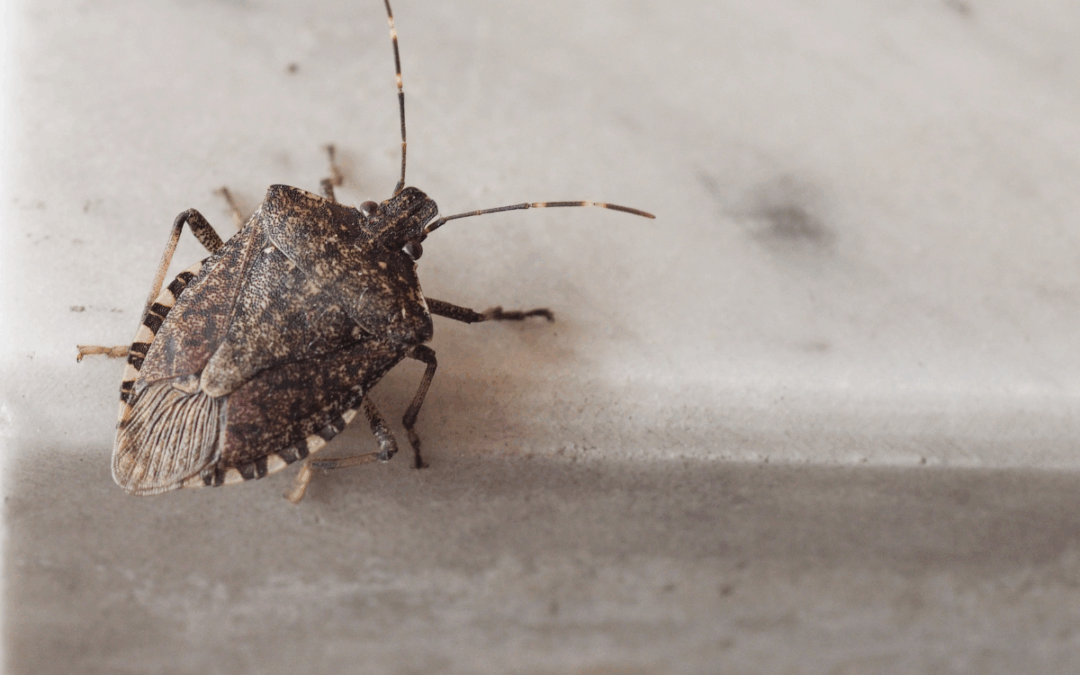
As autumn arrives in Hermitage, Tennessee, the cooling temperatures signal a change in pest behavior. Homeowners may notice an increase in certain uninvited guests, specifically stink bugs and multicolored Asian lady beetles. These pests congregate on the sunny sides of buildings and seek entry to overwinter. Understanding their habits is the first step toward effective management.
This guide provides information on why these pests invade homes during the fall and offers practical, preventative strategies to protect your property. A proactive approach is key to ensuring your home remains a comfortable, pest-free environment throughout the season.
Both stink bugs and Asian lady beetles are considered nuisance pests. While they do not typically cause structural damage or pose significant health risks, their presence in large numbers can be a considerable annoyance.
Native to Asia, the brown marmorated stink bug is now a common sight across the United States. These shield-shaped insects are about a half inch long and mottled brown. As their name suggests, they release a foul odor when disturbed or crushed, which is their primary defense mechanism. During fall, they seek warm, sheltered places to hibernate, making homes an ideal target.
Often mistaken for native ladybugs, Asian lady beetles can be identified by their variable coloration, ranging from tan to reddish-orange, and a distinctive ‘M’-shaped marking behind their head. Like stink bugs, they gather in large numbers on sunny, exterior walls in the fall. They seek out small cracks and crevices to enter homes, where they will remain dormant until spring.
The primary driver for these fall invasions is survival. As temperatures drop and daylight hours shorten, stink bugs and Asian lady beetles enter a hibernation-like state called diapause. To survive the winter, they must find a protected location that shields them from the elements.
Your home offers the perfect refuge. It provides warmth, shelter, and protection from predators. These pests are drawn to the heat radiating from sun-exposed siding and will exploit any available opening to get inside, often congregating in attics, wall voids, and behind baseboards.
The most effective way to manage fall invaders is to prevent them from entering your home in the first place. A few key preventative measures can make a significant difference.
A thorough inspection of your home’s exterior is the most critical step. Denying pests entry is your best line of defense.
Making the exterior of your home less appealing can discourage pests from gathering.
If you find stink bugs or lady beetles inside, avoid crushing them. Instead, use a vacuum cleaner with a hose attachment to remove them. Once collected, you can dispose of the vacuum bag to prevent odors from lingering.
By implementing these exclusion and prevention techniques, you can significantly reduce the likelihood of a fall pest invasion. Protecting your home requires a proactive and consistent approach.
If you are experiencing a persistent issue with stink bugs, Asian lady beetles, or other pests, professional intervention may be necessary. Contact a certified pest control expert for a comprehensive property inspection and a customized management plan to address your specific needs.
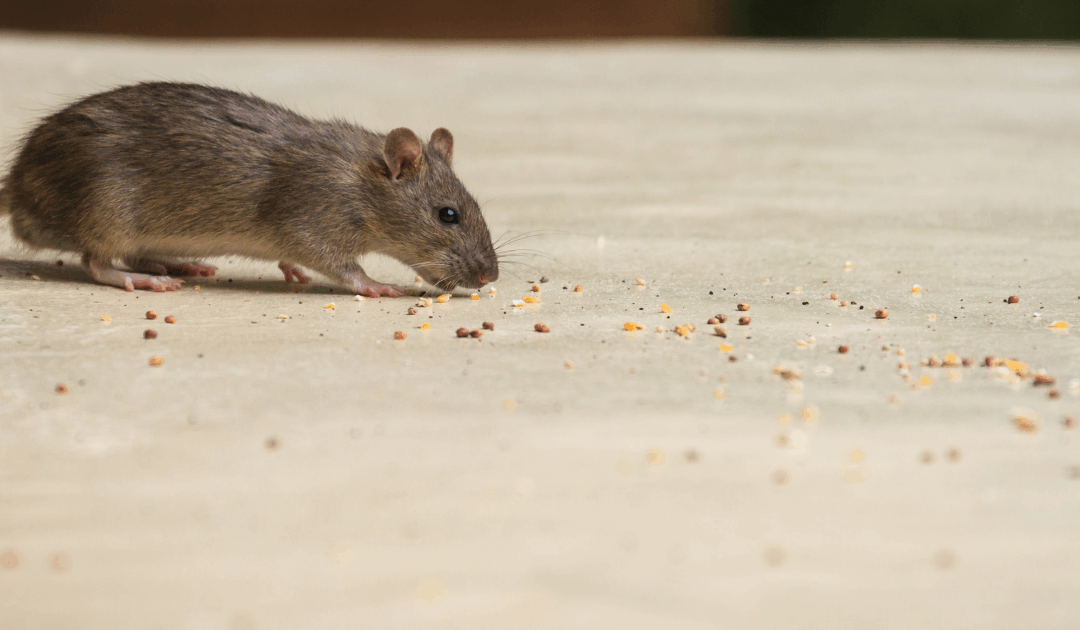
As winter arrives in Laurens, SC, cooler temperatures often drive pests indoors in search of warmth, food, and shelter. Your home becomes a cozy refuge, making it a prime target for winter infestations. Knowing which pests are most likely to move inside is the first step toward protecting your property.
Rodents are among the most persistent winter pests. With outdoor food scarce and temperatures dropping, mice and rats seek warmth and reliable food indoors. They can squeeze through tiny cracks in foundations, siding, and rooflines.
Inside, rodents can gnaw on wiring, creating a fire hazard, and damage insulation or drywall for nesting. They also contaminate surfaces with droppings and urine, carrying diseases and bacteria that can affect your family’s health.
Some cockroach species, like the American cockroach, move indoors during winter to escape the cold. They prefer dark, moist areas such as kitchens, bathrooms, and basements.
Cockroaches spread pathogens from unsanitary areas to food preparation surfaces. Their droppings and shed skins contain allergens that can trigger asthma and allergic reactions, especially in children or those with respiratory sensitivities.
Outdoor spiders often follow prey indoors as temperatures drop. You might notice webs in basements, attics, closets, or garages. Most house spiders are not dangerous, but their presence is usually unwelcome.
A noticeable increase in spiders may indicate other pest activity, as spiders feed on insects like ants, flies, or crickets.
Blocking entry points is the most effective way to prevent winter pests.
Make your home less appealing by removing food and moisture sources.
Winter pests like rodents, cockroaches, and spiders look for warmth, food, and shelter inside homes. Preventive measures, including sealing entry points, reducing clutter, controlling moisture, and keeping a clean home, are the most effective ways to protect your property. If pests are already inside, a professional inspection ensures they are removed and the problem is addressed. Contact a certified pest control expert today to protect your Laurens home throughout the winter.
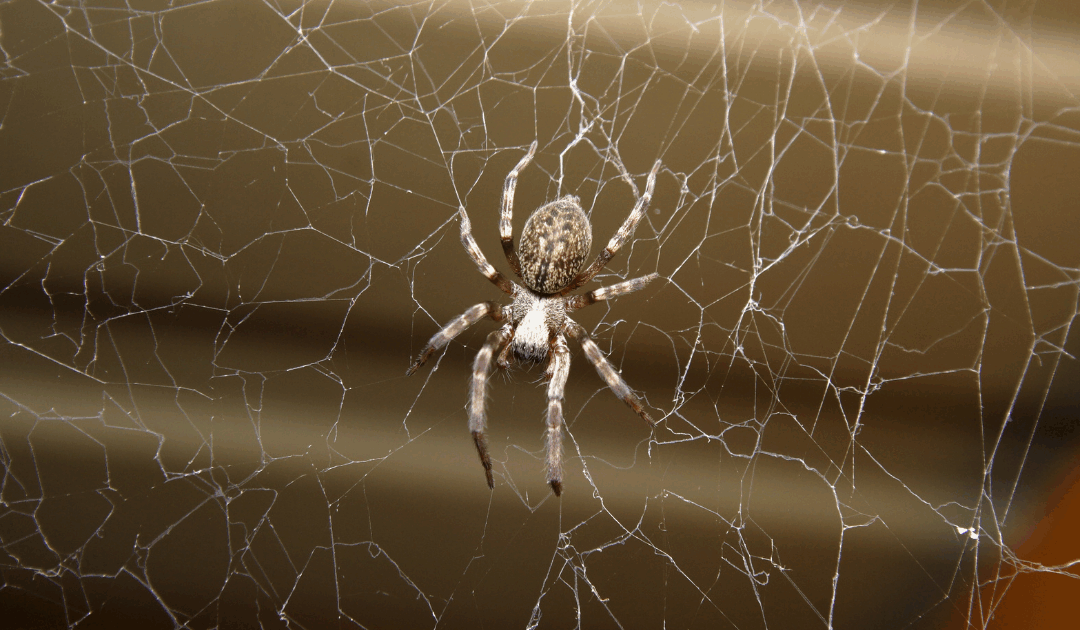
No one enjoys walking into a web on the way to the mailbox or finding a surprise eight-legged visitor in the shower. If you live in Peachtree Corners and want fewer spiders without harsh chemicals or expensive treatments, eco-friendly methods can help.
Georgia’s warm, humid climate makes our area perfect for a variety of spider species. With consistent natural prevention strategies, you can reduce indoor spider activity while protecting your household and the environment.
Our subtropical climate supports common spiders such as house spiders and wolf spiders, with occasional brown recluses or black widows. Most are harmless and even help control other pests, but that doesn’t mean they belong in your living space.
Spiders move indoors seeking food, water, and shelter. Removing these attractions is the first step in keeping them out naturally.
Preventing entry is more effective than dealing with an infestation later. These strategies make your home less appealing to spiders while preserving beneficial insects.
Spiders can slip through tiny gaps. Inspect and seal potential entryways:
Clutter provides hiding spots and attracts insects spiders feed on. To limit this:
Outdoor lights attract insects, which attract spiders. Use yellow or sodium vapor bulbs, or opt for motion-activated lights to reduce insect activity near your home.
Eco-friendly repellents can help discourage spiders from entering your home.
Mix 10–15 drops of peppermint, citrus, tea tree, or eucalyptus oil with water in a spray bottle. Apply around windows, doors, and corners weekly or after cleaning.
Combine equal parts white vinegar and water. Spray along baseboards, entry points, and common spider areas. The scent fades quickly for people but lingers for spiders.
Add plants spiders dislike to your landscaping:
Consistency is key for long-term success.
Vacuum corners, baseboards, and under furniture. Remove webs immediately to disrupt spider activity and discourage return.
Limit humidity using exhaust fans in kitchens and bathrooms, fixing leaks quickly, ventilating crawl spaces, and using dehumidifiers in damp areas.
Since spiders feed on other insects, reducing indoor pest activity will naturally reduce spiders. Keep kitchens clean and promptly address any insect problems.
If spider activity persists, consider eco-friendly supplemental measures:
Natural spider control takes persistence but provides lasting benefits. Track where spiders appear most often and adjust prevention methods accordingly.
With consistent prevention, natural repellents, and routine maintenance, you can encourage spiders to stay outdoors where they belong.
Spiders do play a role in controlling other pests, but the goal is to keep that work outside, not inside your home. For ongoing prevention and targeted solutions, contact your local pest control professionals. They can create a customized plan that supports your eco-friendly preferences while keeping your home web-free.
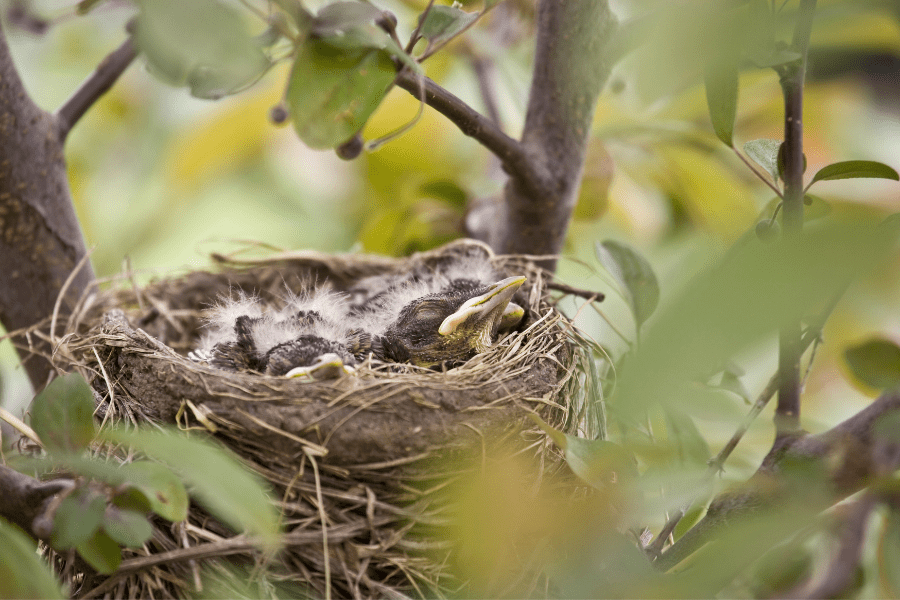
Birds are a vital part of Georgia’s ecosystem—but when they decide to build their nests in your vents, gutters, rooflines, or even inside your home, they can quickly become a nuisance. Bird nest removal isn’t as simple as grabbing a ladder and removing it yourself. In fact, depending on the bird species and the time of year, removing a nest may be illegal.
So, when is bird nest removal appropriate? And more importantly—when is it legal? Let’s take a closer look at when and how bird control should be done safely and within the law.
The short answer? Sometimes—but not always. Before you take any action, it’s crucial to determine:
Is the nest active? (Are there eggs or chicks inside?)
What type of bird built it?
Where is the nest located?
If the nest is inactive (no eggs or young), it’s typically safe to remove, but even then, it’s best to proceed cautiously. Many birds are federally protected, including common backyard birds like robins, blue jays, and swallows. Under the Migratory Bird Treaty Act (MBTA), it is illegal to destroy or disturb active nests of protected species without a permit.
Removing an active nest without authorization could result in serious penalties—even if the birds are causing issues.
The MBTA protects over 1,000 bird species, making it illegal to remove, relocate, or destroy their nests while they’re actively nesting (eggs or young present). This law helps preserve bird populations by ensuring birds can safely raise their young.
Even if a bird seems like a nuisance—leaving droppings on your porch, blocking vents, or squawking loudly—they still enjoy legal protections while nesting. That’s why bird pest control must be handled responsibly and often with professional help.
There are some situations where bird nest removal is not only appropriate, but necessary—especially when the nest:
Blocks ventilation or exhaust systems
Is located in or near flammable materials
Attracts insects or mold growth from droppings
Poses a health hazard due to excessive bird droppings
Is constructed in an unsafe location for humans or birds
Before nesting season (Late fall through winter in Georgia)
After the birds have left (Look for signs of activity like chirping, visible chicks, or parents coming and going)
If the nest is abandoned (Confirm there’s no activity over several days)
Important Tip: Always confirm the nest is inactive before removing it. If you’re unsure, contact a professional for help.
Relocating a bird’s nest is tricky—and usually not recommended without expert assistance. Moving a nest even a few feet can cause parent birds to abandon it entirely. And, again, if the bird species is protected, relocating the nest without a permit is considered illegal.
Instead of relocating, consider installing deterrents or barriers once the birds leave to discourage future nesting in that location.
The cost of professional bird nest removal near you varies depending on a few factors:
The location of the nest (Is it on the roof? Inside a wall vent?)
Whether the nest is active or inactive
The number of nests and types of birds involved
If cleanup and sanitation is needed (due to droppings or nesting materials)
It may seem harmless to let a bird build its nest near your home, but bird nests can create a number of problems:
Health hazards: Bird droppings can carry bacteria, fungi, and parasites harmful to humans.
Structural damage: Nesting materials can block vents and gutters, increasing moisture and fire risks.
Insect infestations: Nests attract mites, lice, and even beetles.
Recurring issues: Birds often return to the same nesting spot year after year.
If you’re seeing nesting activity in or around your home, the best approach is to call a bird control professional. They’ll identify the bird species, check for activity, and help you develop a plan for safe removal and future prevention.
Once the nesting season ends and it’s safe to remove old nests, take the time to bird-proof your home:
Install vent covers to block common entry points.
Use bird spikes or netting in problem areas like ledges and rooflines.
Keep outdoor lights and porches clean of droppings and nesting materials.
Trim back tree branches near windows and eaves.
Avoid leaving out open containers of food or water that attract birds.
Proactive bird pest control is the best long-term solution to avoid future nesting issues.
Birds are beautiful—but when they choose your home as their nesting spot, they can quickly become pests. Because many bird species are legally protected, it’s critical to understand when bird nest removal is allowed—and when it could get you into trouble.
When in doubt, don’t DIY it. Reach out to a licensed bird control company that can help you safely remove and deter problem birds without breaking the law.
Looking for bird nest removal near you in Georgia? Our trained professionals are here to help you protect your home and keep birds safely where they belong—in nature, not your vents.
Contact us today for safe, legal, and effective bird pest control services in Georgia!

Finding ants in your bathroom can be a frustrating surprise, whether it’s a lone scout or an entire trail marching across your sink. These persistent pests are often drawn to damp spaces and sugary or soapy residues, making your bathroom a prime target. Luckily, you don’t need harsh chemicals to get rid of ants. With eco-friendly methods, you can tackle the problem swiftly and effectively while causing no harm. Here’s how to eliminate ants in your Anniston bathroom the green way, while keeping your family and the environment in mind.
Understanding why ants are in your bathroom is the first step to getting rid of them. Ants are often searching for two things in this space:
Once they’ve found what they’re looking for, ants leave behind a chemical trail for others to follow, expanding the infestation. Addressing these attractants is key to stopping their march.
Ants are tiny and highly flexible, which means they can enter through the smallest cracks or openings. Seal these gaps to prevent their access.
Blocking their pathways sends a clear message that your bathroom is off-limits.
Skip the chemical sprays and opt for natural solutions that are effective yet healthier or your family and pets.
Other natural deterrents like citrus peels, bay leaves, or coffee grounds can also be placed near entry points to keep ants away.
Cleanliness is crucial in making your bathroom less inviting to ants.
By removing their food and water sources, you’ll make it harder for ants to stick around.
Preventing ants from returning is just as important as getting rid of the current infestation. Here’s how you can maintain an ant-free bathroom:
Taking these steps makes your bathroom less appealing to ants and other pests over the long term.
Getting rid of ants in your Anniston bathroom doesn’t have to mean using harmful pesticides. With a few simple changes, like sealing entry points, using natural repellents, and keeping things dry and clean, you can tackle the problem in an environmentally friendly way. Plus, with preventative measures in place, you’ll keep them out for good.
Eco-friendly pest control provided by a pest control company near you will keep your home and the planet, ensuring a healthier, greener future for all!
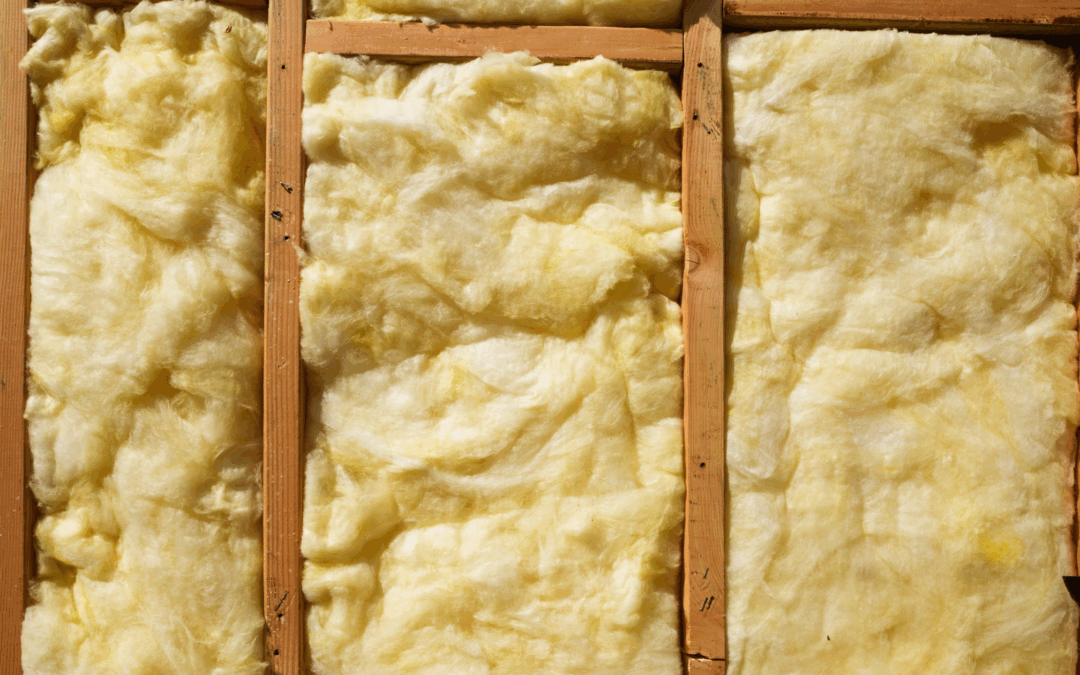
If you’ve been hearing bumps, scratches, or rustling noises coming from your attic, you’re not alone. Many South Carolina homeowners face unwelcome attic tenants, from rodents to insects, and even insulation issues that encourage these pests to stick around. To protect your home, it’s essential to know what’s causing the commotion and how to address it. Below, we’ll cover five common attic pests and how insulation problems could be making your attic the perfect place for these critters to settle.
Mice and rats are some of the most common attic invaders. These small pests can squeeze through tiny gaps in your roof or walls and quickly turn your attic into a nesting site. Once inside, they chew on wires, gnaw on wooden beams, and leave droppings that create health hazards.
Squirrels may seem cute in your backyard, but they’re far less adorable when they invade your attic. They typically enter through roof vents or damaged soffits and quickly set up nests. Left unchecked, their strong chewing habits can damage beams, ducts, and wiring.
South Carolina’s warm climate can attract bats looking for a space to roost, and your attic often fits the bill. While bats play an important role in controlling insect populations, their droppings, called guano, can pose serious health risks.
Attics are often home to a variety of insect pests, including wasps, bees, and cockroaches. Wasps and bees build nests in eaves, while cockroaches prefer warm, dark spaces near food sources. Left unchecked, these pests can lead to infestations that spread through the home.
Beyond pests, poor insulation can contribute to your attic issues. Damaged attic insulation creates a warm, inviting nest for various pests while contributing to higher energy bills and reduced home comfort.
Tackling pests and insulation issues in your attic takes a combination of prevention and professional support. Here are some tips to protect your home long-term:
By addressing these issues proactively, you can avoid costly repairs and keep your home protected, comfortable, and pest-free.
The noises in your attic may seem alarming, but they’re often a telltale sign of common attic pests or insulation problems. Whether it’s rodents, squirrels, bats, insects, or weak insulation creating the perfect habitat, taking preventive steps early on is key to maintaining a healthy home.

When spring arrives in Carrollton, Georgia, it’s hard not to feel excited about the sunny days, blooming flowers, and warmer weather. But as your family starts to enjoy the outdoors, some unwelcome visitors might tag along too. Mosquitoes, ants, and termites thrive in the warmer months and can quickly turn both your backyard and home into their playground. Thankfully, with a little know-how and the right plan, you can keep your home pest-free and healthy for everyone in the family, including pets! Here are some warm-weather pests to watch out for and tips to help you take action against them this spring.
Mosquitoes are a classic spring and summer annoyance. They seem to appear the moment you step outside, whether you’re hosting a barbecue or just unwinding on the porch. Carrollton’s warm and humid weather makes it an ideal spot for mosquitoes to breed, especially near standing water. Beyond being irritating, mosquitoes can also pose health risks, carrying diseases like West Nile virus.
Ants are tiny but determined and can show up both indoors and outdoors this time of year. They’re especially drawn to crumbs on countertops or sugary drinks left by the pool. Fire ants, which build large mounds in lawns, can also be a real concern if kids or pets accidentally disturb their nests.
Termites are a homeowner’s nightmare, especially because they can cause significant damage without your family even noticing. Subterranean termites, common in Carrollton, often start in moist, dark areas before creating costly problems in home foundations or walls. Spring is when you’ll see termite swarms, a big sign that these pests might be nearby.
Spring should be about family fun—not dealing with warm-weather pest problems. By tidying up, sealing entry points, and removing things that attract pests, you’re already ahead of the game. Don’t wait until pests take over. Spring into action now by calling your local pest professionals so you and your loved ones can enjoy everything great about Carrollton’s sunny season, worry-free!
Give us a call or click the button below to get started with a FREE pest control quote.