Nov 7, 2025 | Uncategorized
As summer slides into fall in Georgia, residents often spot large, bright yellow-and-black spiders dangling in gardens, yards, and wooded areas. Commonly called “banana spiders,” these eye-catching arachnids aren’t just creepy crawlers—they’re nature’s pest-control experts. With trending searches like banana spider Georgia 2025 and big yellow spiders, it’s no wonder everyone’s noticing these local orb-weavers.
“Banana Spiders”
The Golden Silk Orb-Weaver (Trichonephila clavipes)
Appearance and Habitat
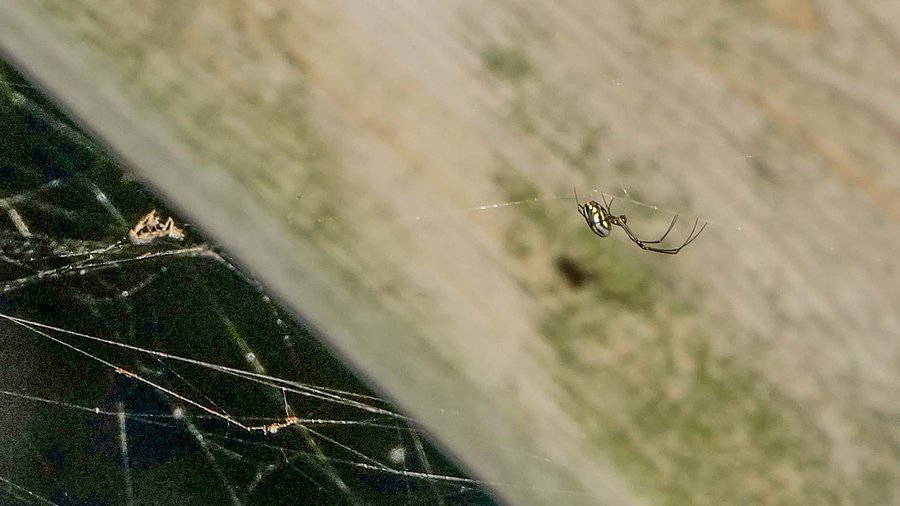
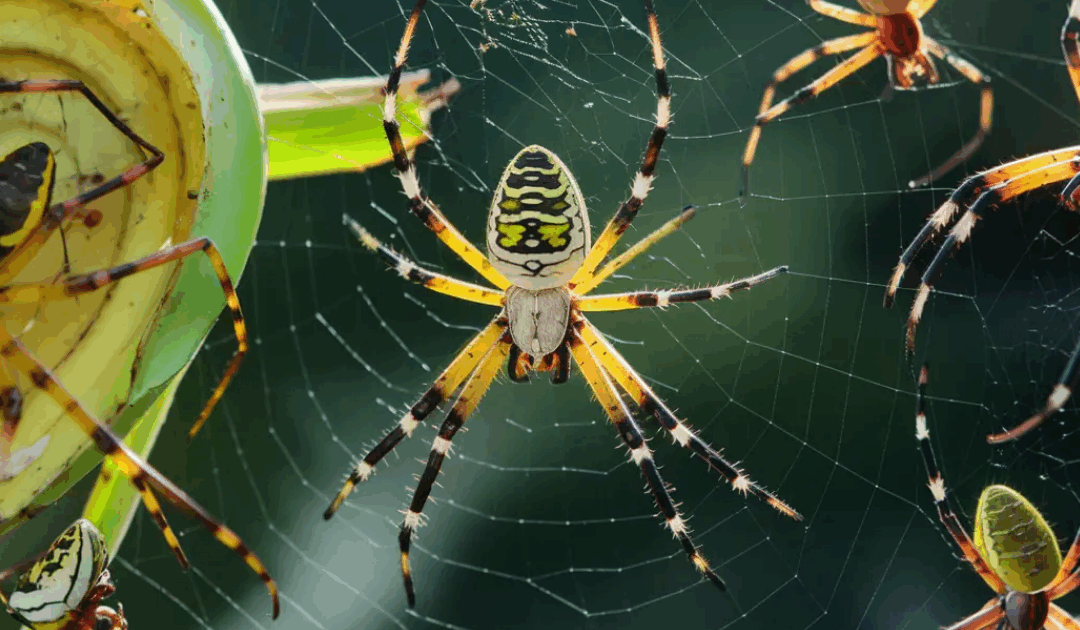
These show-stopping spiders have long yellow-orange abdomens and banded legs, while males are tiny sidekicks. Their signature golden webs glisten in sunlight and can stretch several feet wide across gardens, trails, and sunny spaces.
Are They a Concern?
Golden Silk Orb-Weavers are docile and bites are rare, usually causing only minor irritation—think bee-sting mild. Their webs trap countless insects, including pesky mosquitoes, making them your backyard’s natural bug zappers.
The Joro Spider (Trichonephila clavata)
Appearance and Habitat
A new Georgia resident from East Asia, Joro females flaunt bold yellow-and-black stripes with red markings on their underside. Their huge, multi-layered webs appear in trees, power lines, and open areas, making them hard to miss in the fall.
Are They a Concern?
Despite their size and “alien” looks, Joros are harmless. Their fangs are too small to bite humans or pets, and they’re generally shy—perfect for spider-watchers rather than spider-fighters.
The Yellow Garden Spider (Argiope aurantia)
Appearance and Habitat
Females boast striking black-and-yellow abdomens with signature zigzag web patterns (stabilimentum). They spin classic wheel-shaped webs in gardens, fields, and roadsides, low enough to catch buzzing insects.
Are They a Concern?
Non-aggressive and rarely biting, these spiders are excellent garden allies, keeping plant-damaging insects under control.
So next time you spot a banana spider in Georgia, don’t scream—snap a photo instead! These big yellow spiders are doing the heavy lifting, keeping insects in check while giving the Georgia fall landscape a little extra flair. If you’re having issues with spiders or other household pests, contact a pest control expert for a free quote!

Sep 11, 2023 | Uncategorized
Spiders can be considered a year-round pest in Georgia but are in full force during the late summer and early fall months. This is due to the summer being a major time for spiders to reproduce. Luckily, most of the spiders you might encounter within your home are not harmful to you and your family!
There are many different species of spiders that can be found in Georgia alone, ranging from the standard garden spider to the feared brown recluse. Let’s discover the most common Georgia spiders you could possibly see this fall:
Black Widow:
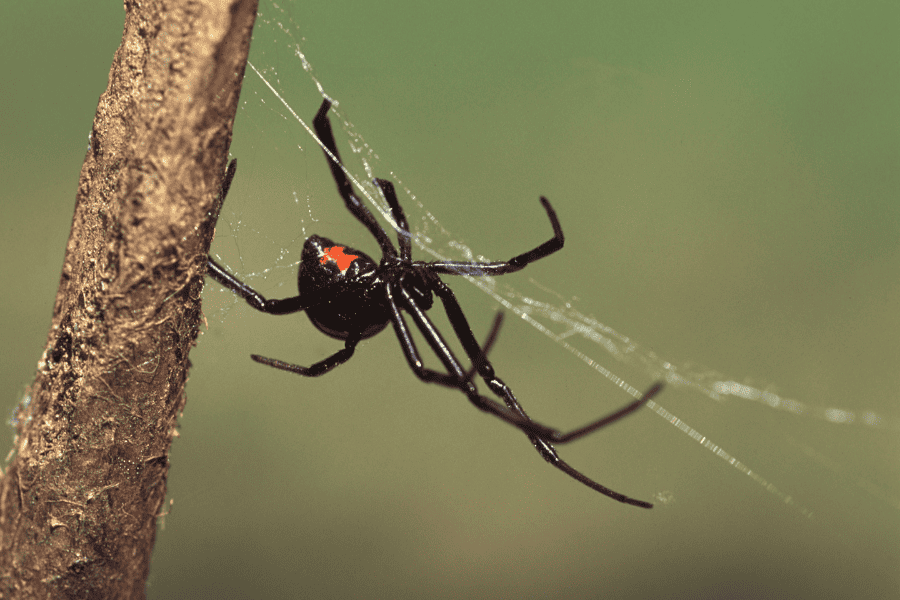
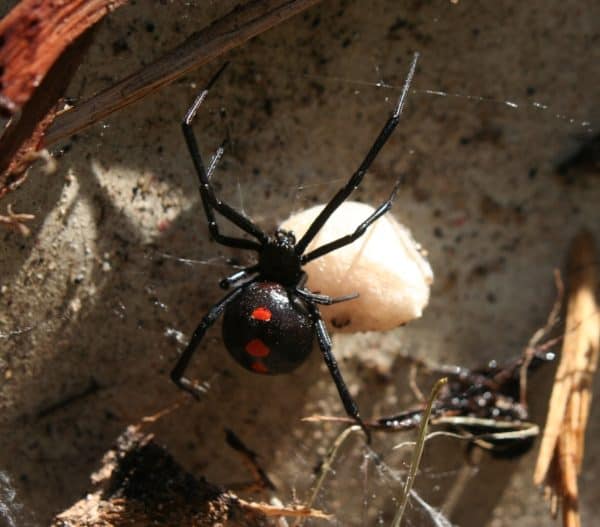
One of the few structure-invading species of spiders in our area, their fangs are big enough to penetrate human skin and their venom is powerful enough to cause side effects in humans. They are one of the most venomous spiders in North America, but an antivenom does exist for them. Female black widows grow to be ¾” in length with males being half that size. These spiders are easily identifiable by the distinctive red hourglass markings on their black body’s abdomen. Black widows are typically found in garages, basements, crawlspaces, and around decks.
Brown Recluse:
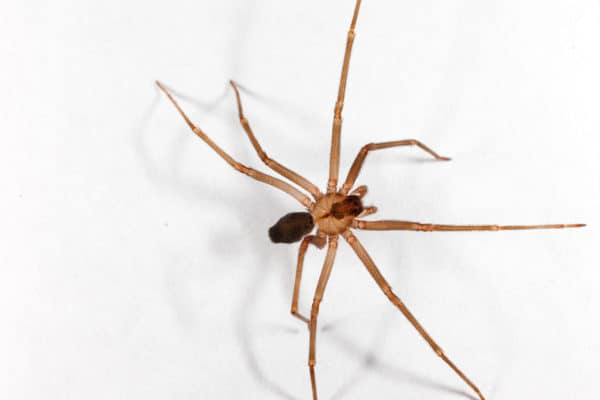
Commonly found in the southeast and midwestern United States, these venomous spiders are easily identifiable by their distinctive dark fiddle-shaped markings found on their bodies. They prefer to stay hidden in warm, dark, dry habitats and are commonly found in woodpiles, basements, closets, and especially old shoes that aren’t worn often.
Joro Spider:
These spiders are a non-native species originating from Asia and were first spotted in Georgia in 2014. They can be found almost anywhere including decks, porches, houses, plants, landscaping and more. They are non-venomous and don’t pose a threat to humans, but their large webs and size can become a nuisance. Research is still ongoing for how this invasive species can affect the native ecosystem of Georgia and most of the southeast.
Wolf Spider:
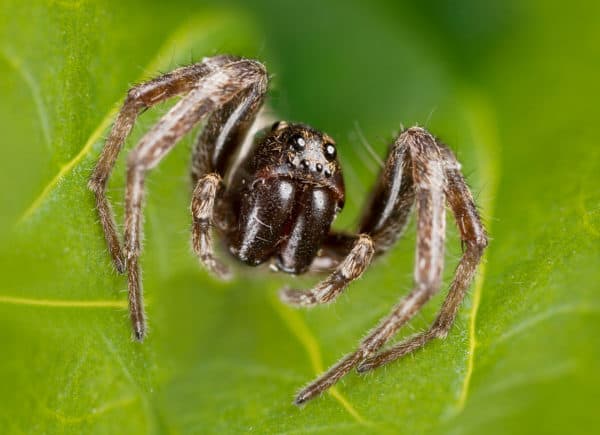
These common spiders don’t use webs to catch prey, they use their speed to catch them. Usually, dark brown or yellow with striped markings on their legs, these spiders can range in size from ¼” to over an inch. They are nocturnal creatures and are typically found along the floor or under furniture. They can be beneficial to keep around due to keeping other pest levels low.
How to prevent spiders:
- Seal up any cracks or gaps around windows and doors.
- Remove clutter, like piles of clothes.
- Call your local pest control company for a customized pest plan!
May 2, 2023 | Uncategorized
Our Good Deed Team was busy in April, and we couldn’t be prouder of all the Good Deeds they were able to be a part of. Here is a roundup of our top stories from the past month:
Macon Partners with Local Habitat for Humanity
Our Macon Good Deed team was able to bring some color to the local Habitat for Humanity building in Macon, GA. The building was missing some needed personalization and our team stepped up to assist in getting it done. The outcome was a beautiful blue wall with an inspirational quote and some colorful tools. Good job, Macon!
Miami & Pompano Beach Collect School Supplies for Local School
The Miami and Pompano Beach service centers might be some of our newest offices, but they are no strangers to giving back to the community. These two teams paired up to collect needed school donations for a local charter school in Miami. They were able to fill up a large storage box with all kinds of supplies and the school was very grateful for the assistance. We can’t wait to see what the team chooses to do next!
Buford & Lawrenceville Race… Beds?
Two of our Gwinnett offices partnered up to race a bed for a good cause. They participated in a parade and bed race that benefits the Family Promise of Gwinnett, which provides shelter and other needed assistance to those who experience homelessness in the local community. The team had a blast dressing up as the Mouse and racing down the streets of Lawrenceville. Unfortunately, one of the tires blew, but they still crossed the finish line with the crowd cheering for them. We’re sure next year will be the time for redemption!
Stockbridge First Responder Cookout
Yes, you read that right! Our First Responder Cookouts are back! Our Stockbridge team started off the season by providing lunch to the Henry County Fire Rescue team and everyone had a great time. We were able to provide hamburgers and hotdogs and spend some quality time with the Fire Rescue team. We can’t wait for the rest of the cookout season and can’t wait to see how all the teams give back! Thank you, first responders, for all you do!
Want to keep up with our Good Deeds for the year? Follow us on Facebook for any updates and visit here to learn more about our team!
Feb 15, 2023 | Uncategorized
South Florida Pests: Bed Bug Control
It’s the holiday season, the time of the year when a bed bug infestation can be devastating! Bed bug activity can be confused with only being active in the summer, but they are year-round pests. This means that while the weather cools off, bed bugs are still active during the winter and will be looking towards your Miami Lakes home for warmth! Here’s what you need to know about bed bugs, signs that they’ve infested, and how you can avoid them.
What Does a Bed Bug Look Like?
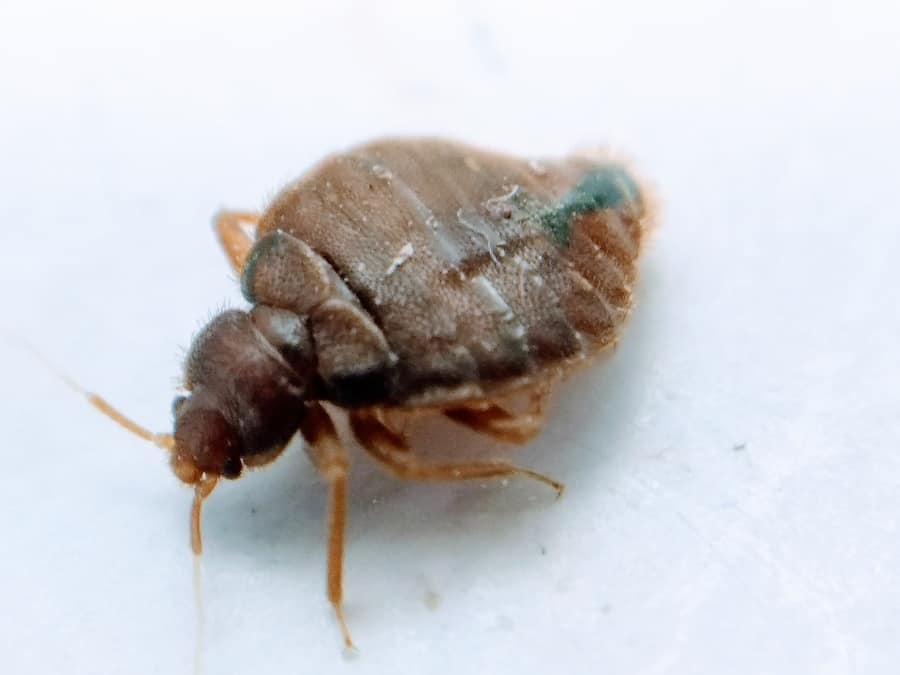
Bed bugs are extremely small, only growing to 3/16th of an inch in length. Before these pests feed, their appearance is brown in color and flat in body shape. After feeding, they become red, swollen, and longer in body length. These pests will often get around by hitchhiking through certain items. Adult bed bugs can be spotted by the human eye, but nymphs are harder to spot, as they are smaller and paler in appearance.
Where Do I Find Bed Bugs in My Home?
Bed bugs will infest several areas in the home, including behind baseboards, around mattress buttons, within bedding, electrical switch plates, picture frames, and more! There are certain warning signs of a bed bug infestation, including seeing their feces, casings, bloodstains on sheets, bites on yourself or family members, and their eggs. The best evidence, however, is seeing these pests crawling around in your home.
How Can I Avoid Bed Bugs?
These pests are notorious hitchhikers, catching a ride inside your home through suitcases, old furniture, packages, clothes, and even houseguests. It’s important to be vigilant when traveling or having guests throughout the year. Check out our top preventative measures to avoid a bed bug infestation below,
- Reduce the clutter throughout your home
- Vacuum out suitcases when returning from a trip
- Check your bed linens and mattresses periodically, especially after you have had houseguests
- Thoroughly inspect any used furniture before bringing it inside your home
- After traveling, wash your clothes in hot water and dry them on high heat
If you’ve noticed signs of bed bugs or are looking to get ahead of bed bug prevention, consider reaching out to your local South Florida pest control company! These professionals will inspect your home, locate entry points, and recommend a treatment and prevention plan for your home.
Jun 21, 2022 | Uncategorized
South Florida Pest Control: Spiders
Spotting a spider inside your home is always alarming! While most of the spiders we encounter are non-venomous, spotting a venomous spider is still possible. Every homeowner should be aware and up to date with the type of spider species located in the South Florida area and how to prevent them.
Brown Recluse Spider
Known as the violin or the fiddleback spider, the brown recluse is light brown with a dark, violin-shaped marking on its back. These pests are usually found outdoors under rocks, woodpiles, logs, etc. but will seek indoors for shelter too. Once they have infested your home, they seek out dark, secluded areas during the day but are active at night to hunt. Common places you can find these spiders are attics, garages, and basements.
While these spiders are not typically aggressive, they will bite if trapped against a human, such as rolling on them in bed or stepping on them in a shoe. If bitten by these spiders, the bite can cause an infection, becoming red, swollen, and tender. It’s best to get the wound treated as soon as possible.
Wolf Spiders
Wolf spiders are dark in color with pale markings and fairly long legs. Because of their coloring and hairy bodies, they are well-camouflaged, often hiding under piles of leaves, rocks, and logs. If wolf spiders find their way inside your home, they usually stay close to the floor. You can typically find them on the walls underneath furniture.
While wolf spiders can bite, these incidents are rare and don’t pose a significant threat to humans.
Black Widow
Shiny and black, the black widow spider has a prominent red hourglass shape on the underside of its abdomen. The black widow spider is venomous, and its bite can be extremely painful. These pests often hitchhike through firewood as they like to hide in woodpiles. Once inside, they often seek out undisturbed places in the home. They are known to habitat in empty boxes, inside shoes, and eaves.
If disturbed, these spiders will bite, and it can cause serious reactions. Some reactions to a black spider bite include developing a fever, elevated blood pressure, sweating, nausea, and more. While death is uncommon if bitten, it is important to get treatment as soon as possible.
South Florida Spider Prevention
To prevent spiders from invading your home, consider placing do-it-yourself preventative measures to help avoid them.
- Keep garages, attics, sheds, basements, and other areas not used frequently clean and clear of clutter.
- Seal any cracks and crevices around the exterior and interior of your home.
- Inspect your windows for any damaged screens or cracks and fix them as soon as possible.
- If a package is delivered, inspect it before bringing it inside as spiders will often hitchhike on them.
- Contact a licensed South Florida pest control company to identify the spider species, determine entry points, and help provide you with a pest control treatment and prevention plan.
Mar 16, 2022 | Uncategorized
It’s Termite Awareness Week, and termites are a known threat to southern homeowners. Termites can cause more than 5 million dollars in property damage throughout the United States, and it is normal for this damage not to be covered by homeowner’s insurance policies. Before the damage gets out of control, look for termite signs and consider getting a preventative termite treatment and warranty from professional help.
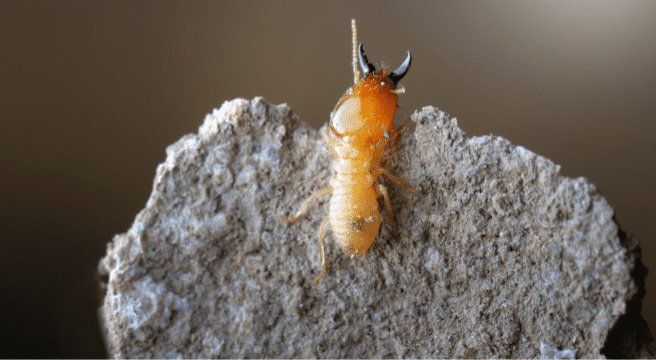
One of the first signs that termites are near is if you encounter swarmers near your home. Although swarmers do not cause wood damage, they do indicate that a colony is nearby. If you notice swarmers, it’s best to take immediate action and have a local termite control company take a look.
Another tell-tale sign that termites are close by is the presence of mud tubes or tunnels along the foundation of your home. Termites use mud tubes to keep moisture when traveling to and from their colony and your home.
Some other signs of termites that you may notice are:
- Hollowed or damaged wood: Wood damage can be found behind surfaces like walls and floors. This is caused by termites searching for cellulose, which can leave long grooves in the wood. Over time, these grooves weaken the wood and can create structural damage. If wood is hollowed, it will show a honeycomb interior and give off an empty sound.
- Bubbles in paint: Discovering bubbles in paint means there is a buildup of moisture, which can either be from water damage or termite damage.
- Frass: Finding the appearance of wood-colored droppings that litter the ground is a sign of a drywood termite infestation.
Even if you do not find signs of termites, now is still the perfect time to get preventative termite protection! With the Sentricon Always Active bait system, you’ll experience 24/7 termite protection, annual inspections, a lifetime termite warranty, and more! Reach out to your local pest control company to help identify the type of termite and recommendations on the best treatment plan.
Jan 15, 2021 | Uncategorized
We are excited and grateful to welcome McCall Services to the Northwest Exterminating Family!
Based in Jacksonville, Florida, McCall Service has served their community for more than 90 years! We look forward to seeing this extraordinary team’s continued industry growth in the Southeast and the future opportunities that lie ahead!
Learn more about McCall Service and this update here:
Rollins, Inc. and Northwest Exterminating Co. LLC announced today that they are welcoming McCall Service, Inc. into the Rollins Family of Brands. McCall will join Northwest to create a fast growing, Southeast focused, regional platform business.
Based in Jacksonville, Florida, McCall Service has provided residential and commercial pest control services for more than 90 years to customers throughout North and Central Florida and South Georgia. This service territory fits perfectly with that of Northwest Exterminating which had previously expanded from Georgia into Tennessee, Alabama, North Carolina and South Carolina.
This transaction highlights one of Rollins’ core acquisition philosophies – maintaining involvement from the families that have helped to build the pest control industry over generations. McCall Service has been led by the Cooksey family for generations, and Josh Cooksey will continue as General Manager. “With the support that our partnership with Rollins and Northwest offers McCall, I look forward to remaining focused on the overall growth and success of each teammate and looking for opportunities to better serve our customers for years to come.” The combined McCall/Northwest business will continue to be led by members of the third generations of both the Cooksey and Phillips families, an industry first.
Growing, while staying true to the brand and people, is the focus with any acquisition under Northwest and Rollins, Inc. “McCall has an incredible reputation in our industry and with their customers. We’re excited to welcome the extraordinary team into our Northwest Family,” said Stanford Phillips, Rollins Division Vice President. “We are grateful McCall chose to trust Northwest as a partner in growth moving forward and for the opportunities ahead for both brands.”
Jul 9, 2014 | Termite Control, Uncategorized
How to Maintain the Value of Your Home with Termite Control
Your home is probably the biggest investment that you will make in your lifetime. Not only is it a monetary investment but it’s a place where you want to feel safe, comfortable, and at peace when you are there. So what does termite control have to do with the value of your home?
Termites work 24/7 to find food. Unfortunately for us, and our homes, their choice of food is wood…as in the wood that is used to build our houses. So here we have these creatures that are eating wood around the clock…they are bound to cause damage.
Termite damage can be severe. Each year, termites cause over $2 billion of damage to homes in the US. In most cases, termite damage is not covered under homeowner’s insurance. So with all of that being said, it’s easy to see why termite protection is important to maintain the value of your home.
Preventing Termite Damage To Your Home:
- Be proactive. Don’t wait until the damage is done. Prevent termite infestations before they have a chance to cause damage.
- Have a reputable exterminating professional perform a termite inspection on your home. This will help to determine if you have active termites or termite damage already. They can also educate you on things you can do to deter termites away from your home.
- Save time and money by working with your pest control professional to treat your home with the termite treatments that are right for your property and situation.
By maintaining the quality of your structure you are maintaining the value of your investment, your home.
May 23, 2014 | Uncategorized
What Are 10 Ways to Prevent Mosquito Bites?
Here in the South, mosquitoes and summer go together like peanut butter and jelly. In North America there is an estimated 170 different species of mosquito. Sometimes it feels like 169 of those species live right here in the south. Aside from being a nuisance, mosquitoes can be a threat to our health. West Nile virus is a disease that is carried by mosquitoes and has become a concern in the US in recent years.
So how do you keep those pesky mosquitoes away? Below are 10 ways to Prevent Mosquito Bites:
- Wear long clothes – We know it’s the summer and it’s hot but if possible, wear long sleeves and pants when you’re going to be outdoors.
- Eliminate areas of standing water – Empty areas where water collects such as flower pots and bird baths. Properly landscape areas of the yard where water pools.
- Use insect repellant containing DEET – Follow the instructions on insect repellants that contain DEET.
- Ensure windows and doors are screened – If you have windows and/or doors open make sure they are properly screened to keep mosquitoes from entering your home.
- Avoid the outdoors between dusk and dawn – Mosquitoes are most active between dusk and dawn. Avoid going outside during those times.
- Try not to work up a sweat – Mosquitoes are attracted to the lactic acid in sweat.
- Don’t move – Mosquitoes are attracted to movement, so be still!!
- Wear light colored clothes – Mosquitoes are attracted to dark colors so wear lighter colors to avoid their bites.
- Don’t drink beer – Mosquitoes are beer lovers and will likely bite you if you are drinking one.
- Keep body temperature low – Stay cool. The higher your body temperature, the more attracted mosquitoes are to you.
Mosquito treatments can also be a great way to prevent mosquitoes. Northwest Exterminating offers a GREEN mosquito program that targets both mosquito larvae and adult mosquitoes.