Oct 10, 2025 | Florida Pest Control
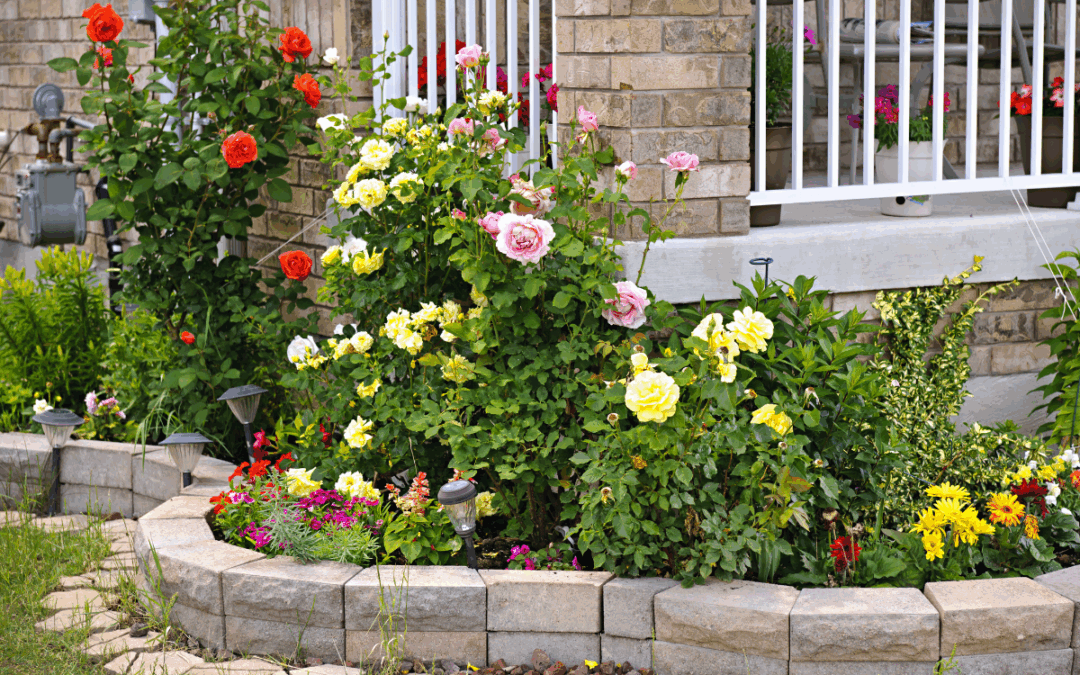
Florida’s fall gardening season is a rewarding time, offering a break from the summer heat. Mild temperatures also create ideal conditions for pests. Protecting your vegetable patches, flower beds, and ornamental plants is key to maintaining a healthy, productive garden. This guide highlights common fall garden pests and provides responsible strategies to keep them in check, ensuring your garden remains a vibrant oasis.
Common Fall Garden Pests in Florida
Caterpillars and Worms
Species like armyworms, loopers, and hornworms are active in the fall. They can defoliate plants, skeletonize leaves, and bore into fruits like tomatoes. Their camouflage makes early detection challenging, so frequent inspections are important.
Aphids and Whiteflies
These sap-sucking insects congregate on new growth or the undersides of leaves. They drain nutrients, causing yellowing leaves and stunted growth, and excrete honeydew, which can lead to sooty mold.
Stink Bugs and Leaf-Footed Bugs
Using piercing-sucking mouthparts, they feed on fruits, vegetables, and seeds. Feeding damage can cause discolored, sunken spots and reduce crop quality. Large populations can significantly impact yields.
Responsible Pest Management Strategies
Promote a Healthy Garden Environment
Strong, healthy plants resist pests better.
- Improve Soil Health: Add compost and organic matter for essential nutrients.
- Proper Watering: Water deeply at the base to avoid wet foliage.
- Select Resistant Varieties: Choose plant varieties resistant to local pests.
Implement Physical and Mechanical Controls
Hands-on methods are often the most effective first step.
- Regular Inspections: Check your garden daily for signs of pests.
- Handpicking: Remove larger pests like caterpillars and stink bugs.
- Use Barriers: Floating row covers protect seedlings from pests like whiteflies.
Encourage Beneficial Insects
“Good bugs” like ladybugs, lacewings, and parasitic wasps prey on garden pests. Plant herbs like dill, fennel, and cilantro to attract these natural allies.
Keeping Your Fall Garden Healthy
Vigilance, prevention, and creating a balanced ecosystem are the best ways to protect your garden this fall. Focus on soil health, physical barriers, and beneficial insects to reduce pest pressure naturally.
If fall garden pests become persistent despite your efforts, a professional can assess your garden, identify the problem, and provide a tailored management plan. Keep your plants thriving and bug-free by contacting a certified pest control expert today.

Oct 3, 2025 | Florida Pest Control
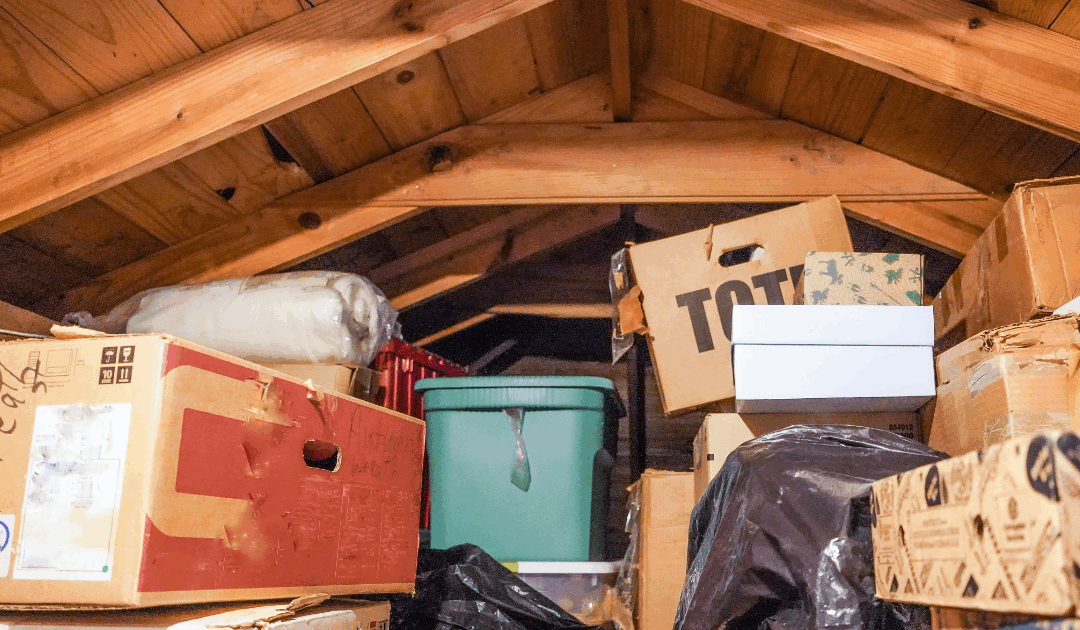
As fall arrives in Bonita Springs, many homeowners prepare for cooler, drier months. While the change in weather is welcome, it also means pests begin seeking shelter. Your attic, with its warmth and seclusion, is a prime spot for unwanted guests. Addressing these attic pests quickly helps prevent costly damage and keeps your home healthy.
Common Attic Pests in Bonita Springs
Rodents (Rats and Mice)
Roof rats are especially common in this region. They can squeeze through small openings along the roofline and cause serious damage by gnawing wires, creating fire hazards, and shredding insulation.
Squirrels
Squirrels often chew through eaves, fascia boards, and vents to get inside. Their presence is usually noisy, with scratching and scurrying sounds in the morning and evening. They also damage insulation and leave droppings behind.
Raccoons
Raccoons are larger and more forceful intruders. They may tear through shingles or vents to create entry points, especially when looking for a dry place to nest. They can cause significant structural damage and may carry diseases that put people and pets at risk.
Signs of an Infestation in Your Attic
Strange Noises
Scratching, scurrying, gnawing, or chirping noises are early signs of attic activity. These sounds are often heard at night or in the early morning.
Droppings and Urine Stains
Animal droppings are a clear indicator of pests. Urine stains may also appear on ceilings or walls if the issue is severe.
Nests and Damaged Materials
Shredded insulation, chewed wires, or torn ductwork are all signs of nesting pests. Debris like leaves or twigs inside the attic may also point to an active infestation.
Effective Removal and Prevention Strategies
Seal Entry Points
Inspect the exterior of your home and seal cracks, gaps, and holes in the roof, soffits, and foundation. Install mesh screening over vents and a chimney cap to block wildlife.
Trim Vegetation and Remove Attractants
Tree limbs touching the roof provide an easy path for pests. Trim branches several feet back, secure outdoor trash cans, and avoid leaving pet food outside.
Keeping Your Attic Peaceful This Fall
The best way to keep your attic pest-free is to know what signs to look for, seal off entry points, and make your home less inviting to wildlife. By staying a step ahead, you can avoid the damage and mess that attic pests often leave behind.
If you do notice noises, droppings, or damage, it is always a good idea to have an expert take a closer look. Call today to schedule a pest control inspection and make sure your attic is ready for the season ahead. Contact Northwest today for a free pest control quote!
Jun 12, 2025 | Florida Pest Control
Ghost ants are a common nuisance in Florida, especially during warm, humid months. Small but persistent, they often invade homes in search of food and moisture. Their pale, translucent bodies and dark heads make them hard to spot, and their ability to form multiple colonies indoors makes them tough to eliminate. Knowing where they hide and how to prevent them is key to keeping these tiny pests out.
A Guide to Ghost Ants in Florida
Top Signs of a Ghost Ant Infestation
Ghost ants are drawn to moisture and sweets, often showing up in kitchens and bathrooms. Here’s how to spot an infestation:
- Visible Ant Trails: Fast-moving lines of ants along counters or walls, especially near sugary spills.
- Clusters Near Moisture: Found around sinks, leaky pipes, or humid spots.
- Sweet Smell When Crushed: A faint, sugary scent may be noticeable when ants are squashed.
If you spot any of these signs, act quickly to prevent the problem from spreading.
Where They Like to Hide
Ghost ants are masters of staying out of sight, which makes them especially challenging to deal with. They can squeeze into incredibly tight spaces and establish nests in various hidden areas. Here are some of their favorite hiding spots:
1. Behind Baseboards
Baseboards provide a discreet entry point as well as a cozy nesting area. These spots are particularly appealing in homes with moisture issues.
2. Under Sinks
Leaky pipes and damp cabinets create ideal conditions for these ants. Inspect these areas frequently, as they’re a common hotspot for ant activity.
3. Potted Plants
Ghost ants often nest within the moist soil of indoor plants, so be sure to check for unusual movement around your greenery.
4. Inside Electrical Outlets
Small spaces like electrical outlets or wall voids are perfect for these ants to build nests and expand their colonies unnoticed.
5. Kitchen Appliances
Ghost ants are drawn to food sources, and kitchen appliances often provide hidden crumbs and moisture. Check behind refrigerators, under toasters, and inside cabinets for signs of activity.
How to Prevent and Get Rid of Ghost Ants
Ghost ants are persistent, but with a few proactive steps, you can keep them out.
Prevention Tips:
- Clean Up Food: Wipe counters, clear crumbs, and store food in airtight containers.
- Fix Leaks: Repair pipes and reduce moisture in kitchens and bathrooms.
- Seal Entry Points: Close gaps around windows, doors, and baseboards with caulk or weather stripping.
- Check Plants: Don’t overwater and inspect indoor plants for signs of ants.
How to Get Rid of Them:
- Use Baits: Place sweet or protein-based ant baits along active trails.
- Erase Trails: After you have eliminated the ants, clean surfaces with vinegar and water to disrupt scent paths.
- Try Natural Repellents: Diatomaceous earth and essential oils like peppermint can help deter them.
Because ghost ants form multiple colonies, a persistent problem may need professional treatment.
Don’t Ignore Ghost Ants
Ghost ants may be tiny, but the inconvenience they bring is anything but small. By understanding the signs of an infestation and taking proactive steps to prevent them, you can keep your home ant-free and comfortable year-round. Contact a trusted pest control professional for expert advice and effective treatments to reclaim your home today!
May 6, 2025 | Florida Pest Control
Attics in Pompano Beach, Florida, may offer hidden shelter for pests like rodents, termites, and bats. The area’s warm climate and humid conditions create the perfect environment for infestations. Quiet, dark, and full of food sources like wood and insulation, attics quickly become a pest haven. But homeowners can take smart steps to keep attic pests from infesting!
What To Know About Attic Pests
Why Pests Love Attics
Pests are naturally drawn to attics for several reasons:
- Warmth and Shelter: Whether escaping outdoor heat or cooler weather, attics provide consistent refuge.
- Accessibility: Gaps and cracks in roofs or vents make entry easy.
- Secure Hideaways: Attics are often undisturbed spaces, ideal for nesting.
The good news? With proactive measures, you can stop attic pests from settling in.
Steps to Keep Your Attic Pest-Free
1. Regular Inspections
Schedule routine attic checks for signs of pests, such as droppings, nests, or gnawed materials. Professionals can perform thorough inspections to catch what you might miss — and recommend preventative steps like attic insulation services, which help block pests while improving energy efficiency.
2. Seal Entry Points
Prevent access by sealing cracks, damaged vents, and other potential entry points. Use caulk, wire mesh, or steel wool to block openings. Regularly inspect your roof, chimney, and attic for damage.
3. Manage Humidity and Clutter
Attic pests thrive in damp and cluttered spaces. Address these issues by:
- Using dehumidifiers to reduce moisture.
- Ensuring proper attic ventilation.
- Organizing storage in sealed plastic bins instead of cardboard boxes.
4. Remove Food and Water Sources
Take steps outside your home to reduce the attraction of pests:
- Clean gutters to prevent standing water.
- Fix roof leaks promptly.
- Trim tree branches near your roof to limit pest access.
5. Use Eco-Friendly Pest Control
If pests invade, opt for environmentally healthy solutions. Natural repellents like peppermint and citrus sprays, humane traps, and diatomaceous earth are effective and toxin-free.
Why Prevention Matters
An attic infestation can lead to serious issues. Rodents chew electrical wiring, increasing fire risks, while termites and carpenter ants damage structural integrity. Pest droppings also pose health risks, and severe infestations can be costly to resolve. Prevention protects your home, health, and wallet.
Take Action
Keeping pests out of your attic is achievable. With regular maintenance, sealed entry points, and eco-friendly pest control, your attic can remain a pest-free zone. Don’t wait for pests to settle in; act now to protect your home and family.
Need help? Contact a trusted pest control professional to ensure your attic stays off-limits to unwanted visitors. Give us a call or click the button below to get started with your FREE quote.
Mar 14, 2025 | Florida Green Pest Control
Spring in Naples is a time of renewal—clear blue skies, lush greenery, and blooming flowers. But with warmer temperatures and rising humidity come some less welcome visitors—household pests like ants, mosquitoes, and rodents. While dealing with pests is a reality for most homeowners during spring, traditional pest control methods can harm the environment, your health, and your home. This year, why not take a sustainable approach? Protect your home, loved ones, and the natural beauty of Naples with these eco-friendly pest control tips.
Eco-Friendly Pest Control for Naples Residents
Eco-Friendly Pest Control Strategies for Common Pests
Now that you’re ready to adopt sustainable pest control methods, let’s tackle some of the most common springtime pests in Naples homes.
-
Ants
Ants are a persistent problem and can quickly become an indoor nuisance. Instead of reaching for chemical sprays, consider these eco-conscious strategies.
Prevention Tips:
- Seal entry points: Inspect your home for cracks and seal any gaps around windows and doors where ants can enter.
- Keep food sealed: Store pantry items like sugar, flour, and pet food in airtight containers to avoid attracting ants.
- Wipe surfaces: Ants are drawn to food crumbs. Develop a habit of cleaning countertops and floors regularly.
Natural Remedies:
- Vinegar spray: Mix equal parts white vinegar and water in a spray bottle, then use it along ant trails and entry points.
- Cinnamon and cayenne: Sprinkle these spices near entryways to deter ants (they dislike the strong smell).
-
Mosquitoes
Mosquitoes not only cause itchy bites but can also carry diseases. The combination of warm weather and sitting water in Naples makes this region particularly susceptible.
Prevention Tips:
- Remove standing water: Regularly empty or clean items that may collect water, such as flowerpots, buckets, and birdbaths.
- Plant mosquito-repelling herbs: Add natural repellents like lavender, citronella, and basil to your garden.
Natural Remedies:
- Lemon eucalyptus oil: Apply this eco-friendly oil as a personal repellent—it’s safe and effective.
- Mosquito traps: Use traps that attract and contain mosquitoes using light or scent, without needing harmful chemicals.
-
Rodents
Rodents are drawn to warm homes and readily available food supplies, especially as the season changes.
Prevention Tips:
- Seal cracks and holes: Look for any openings around your home’s foundation, roofline, or vents that rodents could use to sneak in.
- Secure garbage bins: Use metal or plastic bins with tight-fitting lids to stop rodents from scavenging through your trash.
- Declutter your yard: Piles of firewood, leaves, or other debris offer perfect rodent hiding spots—keep your yard tidy.
Natural Remedies:
- Peppermint oil spray: Spray concentrated peppermint oil in areas where rodents may lurk—it’s safe for your family but drives pests away.
- Owl boxes: Encourage natural predators like owls by installing owl boxes in your yard.
Small Changes, Big Differences
By choosing eco-friendly pest control methods, Naples homeowners can help protect the beautiful community while maintaining a healthy home. Simple steps like using natural deterrents, along with professional green treatments, can deliver effective results while being kind to the environment. Sustainable pest control services not only target pests but also reduce the impact on local ecosystems, giving homeowners peace of mind and a pest-free home.