Aug 15, 2024 | DIY Pest Control, Florida Termite Control
Drywood termites cause significant damage to homes and structures if left unprotected, causing millions of dollars in repairs. Unlike their counterpart, the subterranean termite, drywood termites live entirely within the wood they infest, making them challenging to control. Luckily, there are several effective drywood termite treatment options available to Florida residents to eliminate and prevent these pests! Let’s explore these treatment options.
Drywood Termite Treatment Options
Fumigation
Fumigation involves tenting an entire structure and utilizing gas to penetrate the wood and eliminate termites. This method can be highly effective at eradicating termites, eliminating any that are present on the property. Fumigation is also known to treat large termite infestations throughout an entire structure. Fumigation does require the occupants to vacate the property for several days.
No-Tent Treatment
Professional termite experts will directly inject an advanced, non-repellent product into drywood termite galleries to eliminate the termites found in a home. The no-tent treatment is slow acting, which allows termites who encounter the product to take it back to the queen and colony to eliminate it. This method is a great alternative to the fumigation method if you would rather avoid leaving your home.
DIY Drywood Termite Prevention Tips
The best way to ensure that you don’t end up with a drywood termite invasion is to deter them away from your home in the first place. Check out our DIY tips to preventing drywood termites:
- Regularly inspect your home for drywood termite signs, such as seeing swarmers, discarded wings on windowsills, damaged wood, and more.
- Seal openings around doors, windows, and utility pipes with sealants as soon as possible to help keep termites and other household pests out.
- Always inspect used furniture and firewood before bringing it inside your home.
- Termite are attracted to light, so make sure to turn any outdoor lights off and close your curtains at night.
While these tips will support efforts to deter termites, if you notice termite activity on your property, it’s best to call a termite control company near you to start termite control treatments and schedule an annual termite inspection to prevent future infestations.

Jul 17, 2024 | DIY Pest Control, Florida Termite Control
There are two common termite species Florida homeowners should know: the subterranean and drywood termite. Both termite species can cause structural damage to homes and cause thousands of dollars in repairs. One of the best ways you can avoid their damage is understanding their characteristics and the preventative measures to place around your home to deter them away. Let’s explore the differences between drywood vs subterranean termites and how you keep them from infesting your home.
Drywood vs Subterranean Termites
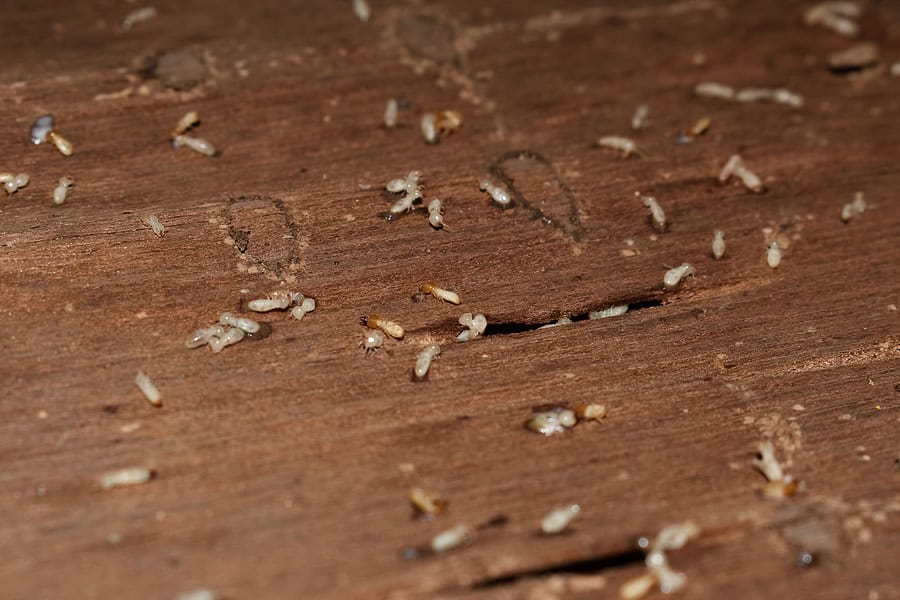
Drywood termites thrive in dry wood, often infesting furniture, frames, and other wooden structures without them needing contact with soil. Once they have infested, they will cause damage by hollowing out wood from the inside out. A good indication that these termites infested your home is finding small piles of wood pellets or frass, tiny holes in wood surfaces, and discarded wings near windowsills or light fixtures.
Subterranean termites live underground and build mud tubes to reach food sources above the ground, often destroying foundations and support beams in the process. These termites need soil and moisture to survive and build their colonies. Signs of a subterranean termite infestation include finding discarded wings and mud tubes on exterior walls, foundations, or crawlspaces.
Termite Prevention Tips
There are several preventative measures you can utilize to deter termites away from your Florida property. Let’s review do-it-yourself termite prevention tips:
- Eliminate moisture by fixing leaks, maintaining proper draining, and using dehumidifiers in damp areas.
- Keep firewood, lumber, and other stored wood away from your home’s foundation; consider storing it at least 20 feet from your home and elevated off the ground.
- Inspect your home’s exterior and seal any gaps in windows, doors, and foundations.
- Remove dead trees, stumps, and debris from your yard.
- Direct your drainage system away from your foundation.
- Consider enclosing your crawlspace to help reduce excess moisture and prevent household pests.
While these tips will support efforts to deter termites away, it is always best to schedule an annual termite inspection with a professional termite control company near you. These professionals can detect termite signs early and quickly provide your home with the appropriate termite control and prevention plan.
Jun 13, 2024 | DIY Pest Control, Florida Termite Control
Termites thrive in warmer weather and are known to create extensive damage to your home if not managed properly. This makes Florida’s warm and humid climate a hotspot for termite activity! In our sunshine state, the most common types of termites are drywood and subterranean termites. Let’s breakdown the difference between these two termite species and how you can prevent these pests from infesting your home.
Drywood and Subterranean Termites
It’s important to understand the difference between drywood termites and subterranean termites to properly treat and prevent them.
Drywood Termites
- Drywood termites live inside dry wood and do not need contact with soil.
- A good indication on whether drywood termites have infested is finding small piles of wood pellets or frass, tiny holes in wood surfaces, and discarded wings near windowsills or light fixtures.
- Drywood termites cause significant structural damage by hollowing out wood from the inside out.
Subterranean Termites
- Subterranean termites build colonies in the soil and require moisture to do so. They will often create mud tubes to travel between their nest and food sources.
- Signs of a subterranean termite infestation include mud tubes on exterior walls, foundations, or crawlspaces. Other infestation signs include damaged wood that sounds hollow and swarms of winged termites.
- These termites will destroy foundations, support beams, and other wooden structural causing thousands of dollars in repairs.
Termite Prevention Tips
There are several do-it-yourself prevention tips that you can utilize to prevent both drywood and subterranean termites. Consider the following:
- Seal any cracks and crevices in your home’s exterior using caulk or steel wool depending on the size.
- Keep attics, basements, and crawlspaces well-ventilated and dry; consider encapsulating your crawlspace to help with excess moisture.
- Fix leaky faucets, pipes, and air conditioning units to prevent standing water.
- Make sure your home’s drainage system directs water away from the foundation.
- Keep firewood, lumber, and other wooden materials elevated and away from your home’s foundation.
- Keep shrubs, trees, and other vegetation trimmed away from your home.
- Schedule an annual termite inspection with a professional Pompano pest control company near you. These professionals will provide you with a thorough inspection and termite control options if termites are found.
May 14, 2024 | DIY Pest Control, Florida Termite Control
Subterranean termites will go undetected and cause severe damage to Florida homes. While there are several species of termites, subterranean termites are one of the most popular species found in areas of Florida. We breakdown what you should know about these termites and how you can prevent them from infesting your home.
What You Should Know About Subterranean Termites
They Need Water & Soil to Survive
Subterranean termites need a water source and soil to survive and form their colonies. These termites create mud tubes to travel back and forth between your home and their nest. These tubes protect them from damage and predators, and allow them to accumulate moisture for survival.
They Are Active Year-Round
Subterranean termites are active year-round, with swarmers being the earliest sign of their activity. Termite swarming season in Florida can start as early as February and run all the way until June. Spotting swarmers around your home is the first indication that a termite colony is present nearby, and another one could be starting up soon.
Their Colonies Are Hidden
Subterranean termites will stay hidden within wood and underground within their colony. Their mud tubes will protect them and allow them to stay hidden when traveling back from their nest to your home. These mud tubes are typically about the size of a pencil and can be on ceilings, walls, exterior surfaces, and on the sides of slabs.
Their Damage Can Be Extensive
Since these colonies stay hidden, it can be very difficult to detect them, allowing them to cause extensive damage to homes. Many termite infestations can go unnoticed until it’s too late for early treatment before their damage is done. In the United States, termites are known to cause over $5 billion in damage to homes annually.
Subterranean Termite Infestations Are Preventable
There are several preventative options that Florida homeowners should consider to prevent termite infestations. Several pest control companies provide varying techniques of termite management, including liquid barrier treatments and termite bait treatments, such as the Sentricon®️ Always Active Bait Station. These preventative measures also include annual inspections along with their treatments to provide you with the peace of mind that your home is always being protected from termites.
If you’re interested in termite control, reach out to a pest control company near you. These professionals will provide you with a thorough inspection and a customized treatment and prevention plan for your home.
Mar 12, 2024 | Florida Termite Control
Drywood termites are quite common in the South Florida area, thriving off our year-round dry and humid temperatures. This termite type can be difficult to spot in homes and will often go undetected for lengthy periods, causing considerable structural damage. The best way to avoid the costly damage of drywood termites is to understand their characteristics and the preventative measures you can place to deter them away from your property. Let’s learn more about these household pests and drywood termite control tips to protect your home.
What Are Drywood Termites?
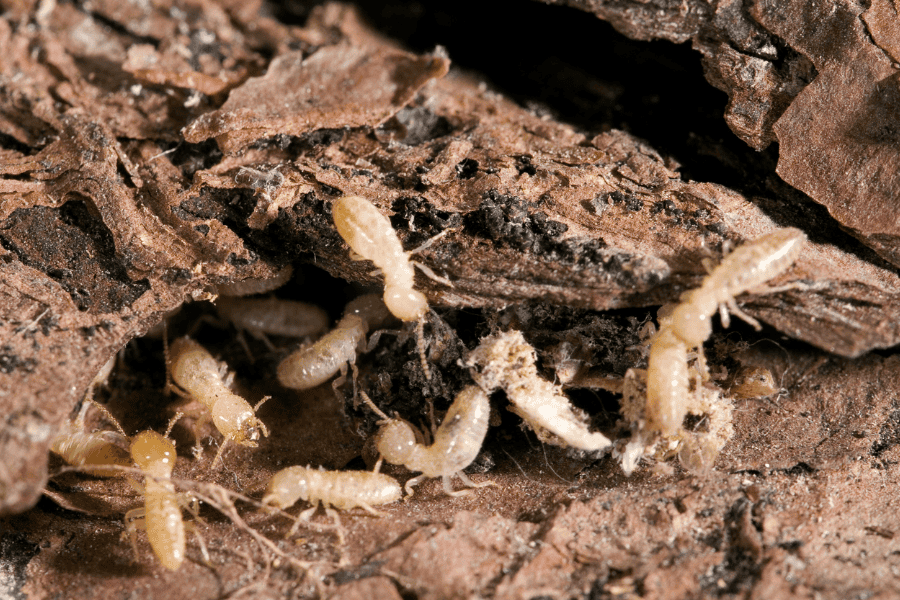
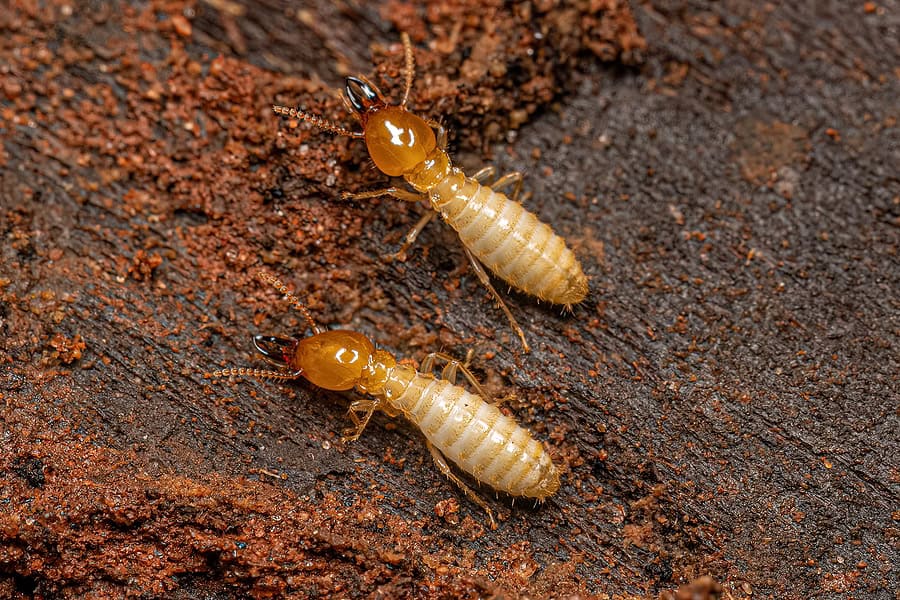
Unlike the subterranean termite, drywood termites do not need to live in soil to survive. These termites will instead excavate wood to create a colony and live. Drywood termites will seek out dry wood, hence their name, to build a nest and live in it, such as attic framings. Drywood termites have an oval-shaped waist, short legs, and a cream to light brown colored body.
How Do I Know I Have a Drywood Termite Infestation?
Often, drywood termites get into your Florida home by hitchhiking through an already infested piece of old furniture, picture frame, or other wooden structure. While they don’t create mud tubes like the subterranean termite to enter the home, they instead fly directly to the wood they infest. They’ll also enter homes through open gaps or cracks around window frames, doors, soffits, and attics.
Since termites live in excavated wood, it can be hard to identify them but there are plenty of signs you can lookout for. A good indication that termites have created a colony in your home is spotting discarded wings near windowsills or doors and finding droppings or frass that look like small mounds of tiny pellets inside or around your home.
How Can I Prevent Drywood Termites from Entering My Home?
There are several preventative do-it-yourself methods you can use throughout your Florida property; consider these:
- If you have lumber, wood, or mulch in your yard, place it away from your foundation; likewise, if you store firewood in your yard, place it 20 feet away from the home and elevate it off the ground.
- Trim all shrubs, bushes, or other dense greenery so it does not touch the sides of your home.
- Before bringing any antique furniture or wooden furniture inside your home, always thoroughly inspect it for drywood termites.
- On a regular basis, check your home’s exterior for any openings leading inside and repair them as soon as possible.
- Consider attic insulation and crawlspace encapsulation for your home to help reduce moisture, termite infestations, and other household pests from entering.
If you’ve noticed signs of termite activity on your property or would like to get started on drywood termite control, reach out to your Florida pest control company! Termite professionals will provide you with a free home inspection, a treatment plan based on your termite control needs, and a prevention plan to avoid a future infestation.