READY TO GET STARTED?
REQUEST A FREE ESTIMATE
Fill out the form below or call (888) 466-7849 for a free, no-obligation estimate.

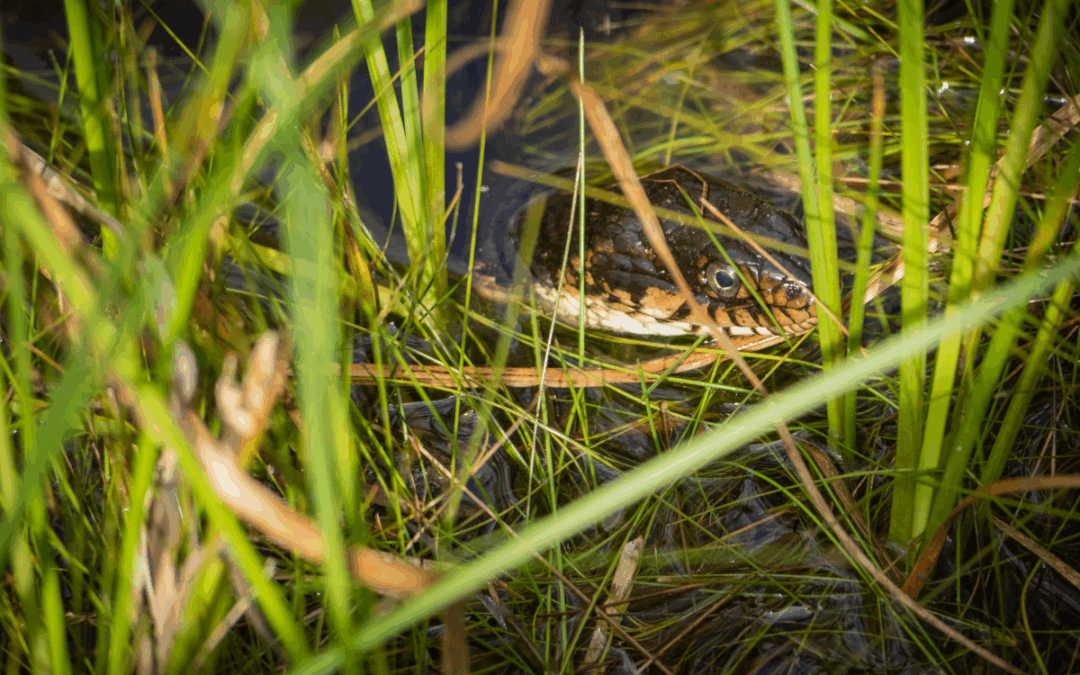
Florida’s warm climate and diverse ecosystems create habitats for over 46 snake species, making encounters a normal part of life. While most are harmless, six venomous species live here, making it important to know which ones pose risks and how to identify them. Education, prevention, and knowing how to respond are key. By understanding snake behavior, recognizing warning signs, and using proven prevention strategies, you can protect your family from Florida snakes while respecting these important members of Florida’s ecosystem.
Florida’s largest venomous snake can grow up to eight feet. Recognizable by diamond-shaped patterns and a rattling tail, they inhabit pine flatwoods, scrub areas, and coastal regions. Their venom is powerful, but these snakes usually avoid people unless threatened.
Often found in swamps, marshes, and lakeshores, cottonmouths have dark bodies and a white mouth interior. Unlike many snakes, they may hold their ground when approached. Their venom can cause significant tissue damage.
Coral snakes have bright red, yellow, and black bands. Remember: red touches yellow, kills a fellow to distinguish them from non-venomous lookalikes. Secretive by nature, they prefer sandy soils and wooded areas. Their venom affects the nervous system.
Found in northern Florida, copperheads have copper-colored bodies with hourglass-shaped crossbands. While their venom is rarely fatal with treatment, it can cause pain and swelling.
Timber rattlesnakes live in northern forests, while pygmies are found statewide. Both have rattles, though pygmy rattles are faint. Venom can cause serious complications without treatment.
Wetlands, pine flatwoods, scrub areas, and hardwood hammocks provide shelter for many species. Cottonmouths thrive near water, while coral snakes prefer sandy or wooded areas.
Yards with ponds, irrigation systems, or dense vegetation can attract snakes and their prey. Brush piles, woodpiles, and overgrown plants provide ideal hiding spots. Garages, sheds, and crawl spaces also offer shelter.
Venomous snakes may have triangular heads, vertical pupils, and heat-sensing pits, though these traits can be misleading. Instead, learn the distinct patterns and colors of dangerous species.
Rattlesnakes shake their tails to warn intruders, cottonmouths show their white mouths, and most snakes retreat if given the chance. Striking is typically a last resort.
Keep grass trimmed, remove brush piles, and maintain a clear perimeter around the home. This reduces shelter for both snakes and the small animals they hunt.
Seal gaps under doors, cracks in foundations, and utility entry points. Use hardware cloth barriers under porches or decks. Fix leaks and eliminate standing water to discourage both snakes and their prey.
Stay calm and slowly back away. Never try to catch or kill a venomous species. Give it space to escape.
Call 911 or go to the nearest emergency room immediately. Never attempt to capture the snake, as this is unnecessary and could result in another bite. Remove jewelry and tight clothing from the affected area, and keep the person as still as possible until help arrives.
Florida’s snakes play a vital role in controlling pests and maintaining ecological balance. Learning how to identify species, modify your property, and respond appropriately will help you coexist with these reptiles. If you’re unsure whether a snake is venomous or how to handle an encounter, a trained snake removal expert can provide proper identification and humane removal. Contact us today for a free snake removal quote!