Fall Invaders: Managing Stink Bugs and Asian Lady Beetles in Hermitage Homes
As autumn arrives in Hermitage, Tennessee, the cooling temperatures signal a change in pest behavior. Homeowners may notice an increase in certain uninvited guests, specifically stink bugs and multicolored Asian lady beetles. These pests congregate on the sunny sides of buildings and seek entry to overwinter. Understanding their habits is the first step toward effective management.
This guide provides information on why these pests invade homes during the fall and offers practical, preventative strategies to protect your property. A proactive approach is key to ensuring your home remains a comfortable, pest-free environment throughout the season.
Understanding Fall-Invading Pests
Both stink bugs and Asian lady beetles are considered nuisance pests. While they do not typically cause structural damage or pose significant health risks, their presence in large numbers can be a considerable annoyance.
Brown Marmorated Stink Bugs
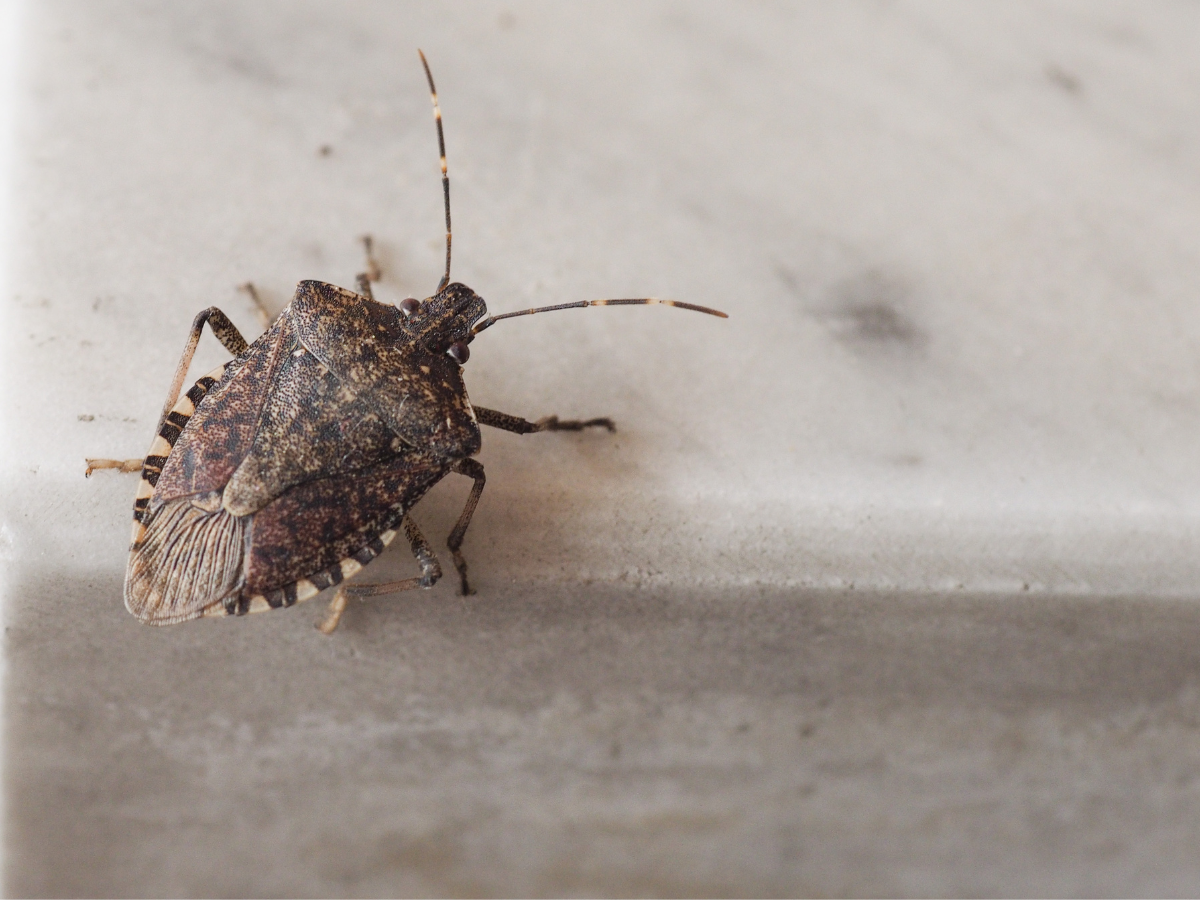
Native to Asia, the brown marmorated stink bug is now a common sight across the United States. These shield-shaped insects are about a half inch long and mottled brown. As their name suggests, they release a foul odor when disturbed or crushed, which is their primary defense mechanism. During fall, they seek warm, sheltered places to hibernate, making homes an ideal target.
Multicolored Asian Lady Beetles
Often mistaken for native ladybugs, Asian lady beetles can be identified by their variable coloration, ranging from tan to reddish-orange, and a distinctive ‘M’-shaped marking behind their head. Like stink bugs, they gather in large numbers on sunny, exterior walls in the fall. They seek out small cracks and crevices to enter homes, where they will remain dormant until spring.
Why These Pests Invade Hermitage, Tennessee Homes
The primary driver for these fall invasions is survival. As temperatures drop and daylight hours shorten, stink bugs and Asian lady beetles enter a hibernation-like state called diapause. To survive the winter, they must find a protected location that shields them from the elements.
Your home offers the perfect refuge. It provides warmth, shelter, and protection from predators. These pests are drawn to the heat radiating from sun-exposed siding and will exploit any available opening to get inside, often congregating in attics, wall voids, and behind baseboards.
Proven Strategies for Pest Prevention
The most effective way to manage fall invaders is to prevent them from entering your home in the first place. A few key preventative measures can make a significant difference.
Seal Potential Entry Points
A thorough inspection of your home’s exterior is the most critical step. Denying pests entry is your best line of defense.
- Inspect and Seal: Examine your foundation, siding, and areas around windows, doors, and utility pipes for any cracks or gaps. Use a high-quality silicone caulk to seal these vulnerabilities.
- Repair Screens: Ensure all window and door screens are in good condition and free of tears or holes.
- Secure Vents: Install fine-mesh screening over attic vents, exhaust fans, and chimneys to block potential access points.
Reduce Exterior Attractants
Making the exterior of your home less appealing can discourage pests from gathering.
- Exterior Lighting: Consider using yellow “bug lights” for exterior fixtures, as they are less attractive to insects.
- Manage Landscaping: Trim back vegetation and tree branches that touch your house, as pests can use these as bridges to gain access.
Proper Removal of Indoor Pests
If you find stink bugs or lady beetles inside, avoid crushing them. Instead, use a vacuum cleaner with a hose attachment to remove them. Once collected, you can dispose of the vacuum bag to prevent odors from lingering.
By implementing these exclusion and prevention techniques, you can significantly reduce the likelihood of a fall pest invasion. Protecting your home requires a proactive and consistent approach.
If you are experiencing a persistent issue with stink bugs, Asian lady beetles, or other pests, professional intervention may be necessary. Contact a certified pest control expert for a comprehensive property inspection and a customized management plan to address your specific needs.
Categories
- Bed Bug
- Blog
- Commercial
- Commercial Pest Control
- Community News
- Community/Events
- Community/Events
- Company News
- CrawlSpace
- DIY
- DIY Home Care
- DIY Mosquito Control
- DIY Pest Control
- DIY Wildlife Prevention
- Dr. Goo's Corner
- Fire Ant
- Florida Crawlspace
- Florida Green Pest Control
- Florida Insulation
- Florida Mosquito Control
- Florida Pest Control
- Florida Snake Control
- Florida Termite Control
- Going Green
- Good Deed Team
- Green Commercial Pest Control
- HealthySpace
- In2Care
- Insulation
- LeafProof
- Mosquito
- New Construction
- Pest Control
- Snake Control
- Teammate Celebration
- Termite Control
- Uncategorized
- Wildlife