
November Swarming Season in Alabama: How to Spot Termites Before They Cause Damage
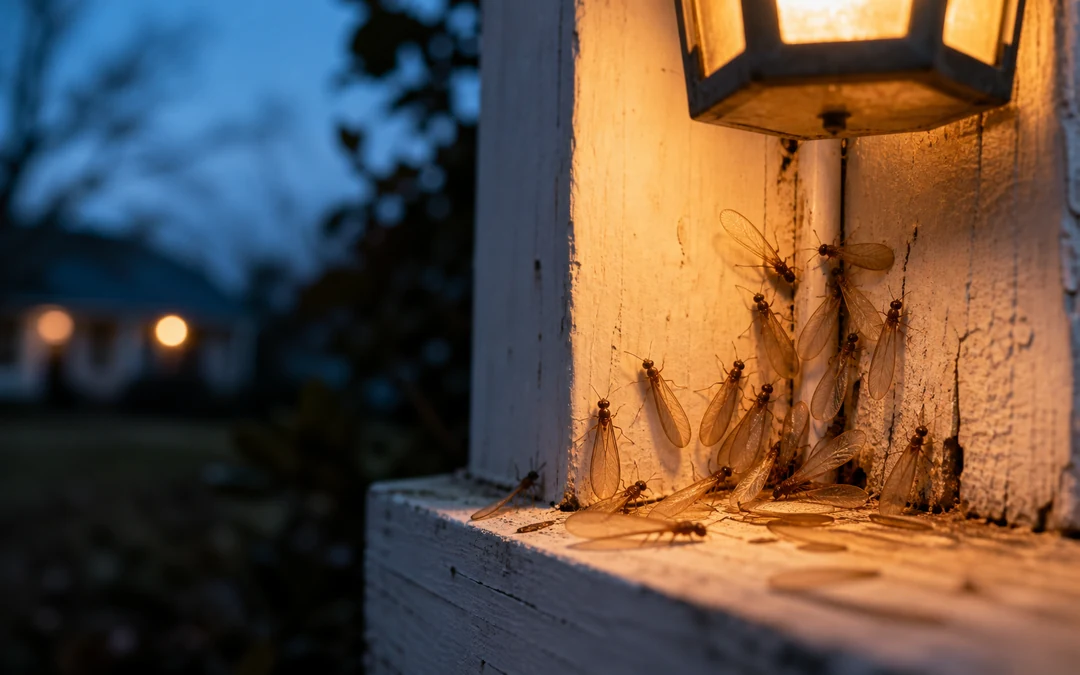
While many Alabama homeowners associate termite swarms with the spring, a second, less-known swarming season can occur in the fall, particularly in November. Seeing winged insects inside your home during this time can be alarming, and for good reason. It may be a sign of a termite colony establishing itself nearby or within your property.
Understanding why this late-season activity occurs is crucial for protecting your home. This guide will explain the phenomenon of November termite swarming in Alabama, detail the key signs to look for, and provide actionable steps to prevent termites from causing significant damage.
Why Termites Swarm in November
Termite swarming is a natural part of a colony’s life cycle. A swarm consists of winged reproductive termites, known as alates, that leave their mature colony to mate and establish a new one. While the most intense swarms happen in the warm, damp conditions of spring, certain termite species, particularly the formidable Formosan subterranean termite, can also swarm in the fall.
The Formosan Termite Factor
Formosan termites are an invasive and highly destructive species found in parts of Alabama. Unlike native subterranean termites that swarm primarily from March to May, Formosan termites have a longer swarming season that can extend into the late fall. A spell of warm, humid weather in November can trigger these colonies to release their alates.
A Sign of a Mature Colony
A termite swarm is a definitive indicator of a large, well-established colony nearby. A colony must be several years old before it has the resources to produce winged reproductives. Seeing a swarm means a termite population is not just present but thriving, posing a significant threat to any wooden structures, including your home.
How to Identify a Termite Swarm
Distinguishing termite alates from other flying insects, like ants, is essential for a correct diagnosis. Misidentification can lead to a false sense of security while a termite infestation grows unchecked.
Key Signs of a Termite Swarm
- Discarded Wings: After a brief flight, swarming termites land, break off their wings, and attempt to start a new colony. You may find piles of identical, translucent wings on windowsills, near doorways, or caught in spiderwebs. This is a tell-tale sign of a recent swarm.
- The Swarm Itself: Termite swarms often occur during the day and can look like a cloud of small, flying insects. They are frequently attracted to light sources, so you may notice them around windows, doors, and light fixtures.
- Termite vs. Ant: Flying ants also swarm, but there are clear differences. Termites have a broad waist, straight antennae, and two pairs of wings that are equal in length. In contrast, flying ants have a pinched waist, elbowed antennae, and a front pair of wings that are longer than the back pair.
What to Do If You Suspect Termites
Discovering a termite swarm requires immediate and decisive action. The presence of alates indicates a high risk of infestation, and early intervention is the most effective way to prevent costly structural damage.
Immediate Steps for Homeowners
- Collect a Sample: If possible, collect a few of the insects or their discarded wings in a sealed bag or jar. This will help a professional pest control expert make a positive identification.
- Avoid DIY Treatments: Do not attempt to control a termite problem with over-the-counter sprays or baits. These products are rarely effective against an entire colony and may only kill a few visible termites, leaving the hidden colony to continue its destruction.
- Schedule a Professional Inspection: The most critical step is to contact a certified termite control professional. A trained inspector can determine the extent of the activity, identify the termite species, and locate the colony.
Preventing a future infestation involves reducing attractants around your home. Ensure water drains away from your foundation, repair any leaks, and keep firewood or other wooden debris stored away from the house.
While a November termite swarm in Alabama can be an unsettling discovery, it provides a crucial warning sign. By correctly identifying the evidence and acting promptly, you can protect your most valuable investment.
If you have seen signs of swarming termites or suspect an infestation, do not wait. Contact a qualified pest control specialist for a comprehensive inspection and a customized treatment plan designed to protect your home and provide lasting peace of mind.