Living in Bonita Springs offers beautiful weather and stunning scenery, but it also comes with the challenge of managing pests—especially rodents. These unwelcome guests can cause damage to your home and pose health risks. Understanding successful methods in effectively dealing with rodents is essential for maintaining a safe and comfortable living environment.
Dealing With Rodents in Your Florida Home
Common Rodents in Bonita Springs
In Bonita Springs, homeowners often encounter a few common rodent species:
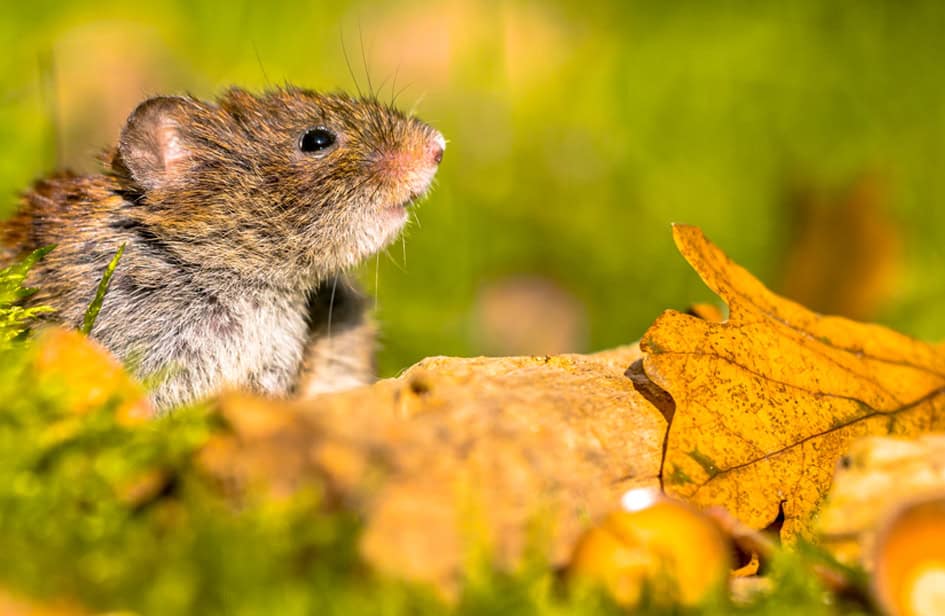
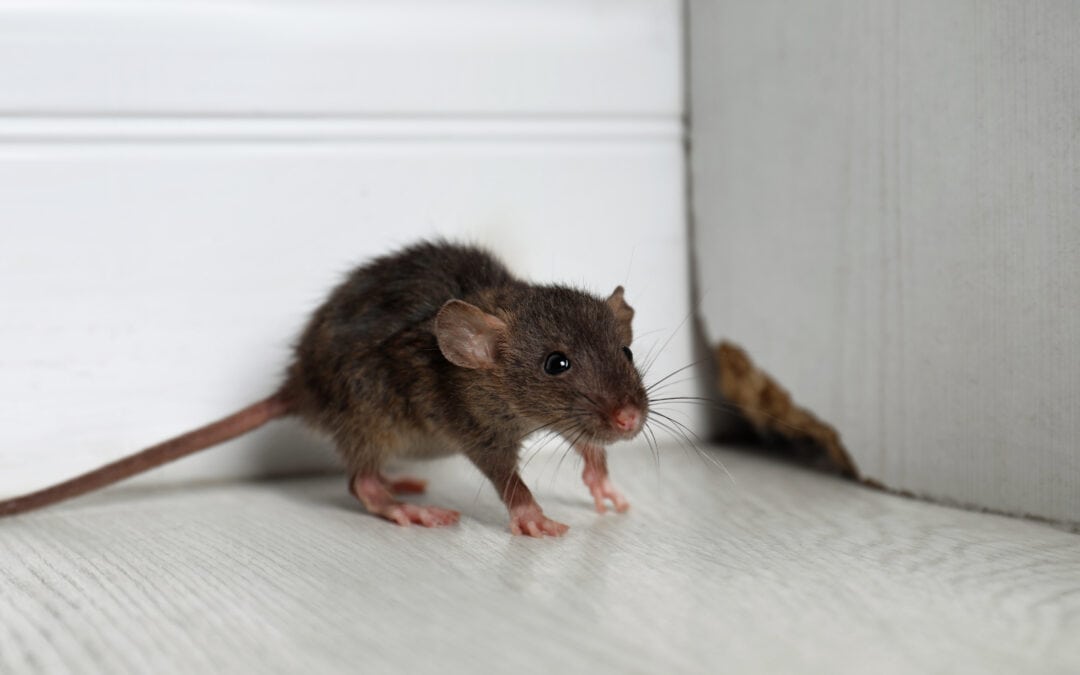
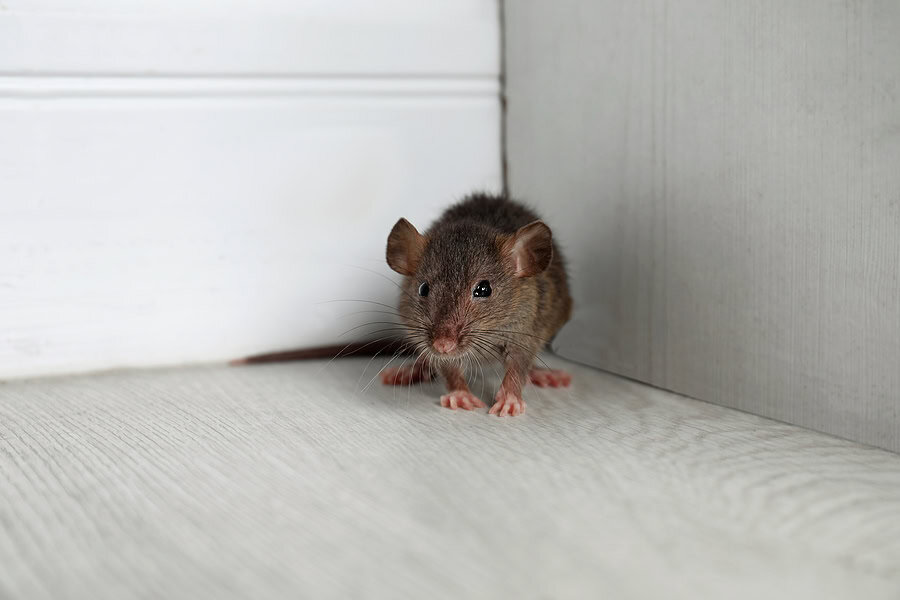
House Mice: Small and agile, house mice can squeeze through tiny openings. They are known for their rapid breeding and can quickly become a problem.
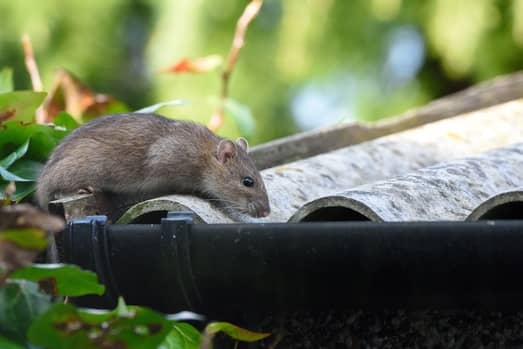
Norway Rats: Larger than mice, Norway rats prefer burrowing near food sources. They are strong swimmers and can easily access homes through drains.
Roof Rats: These sleek, agile rodents often inhabit trees and roofs. They can gain entry into homes through overhanging branches and damaged roofs.
Signs of a Rodent Infestation
Identifying a rodent problem early can save you significant headaches down the line. Look for these signs:
Droppings: Small, dark droppings found near food sources or nesting areas.
Gnaw Marks: Signs of chewing on furniture, wires, or food packaging.
Nests: Built from materials like paper, fabric, or insulation, often found in hidden areas.
Noises: Scratching or scurrying sounds, especially at night when rodents are most active.
Rodent Prevention Tips
Seal Entry Points: Rodents can enter your home through surprisingly small gaps. Inspect your property for cracks and openings around doors, windows, and foundations. Use caulk or weatherstripping to seal these entry points.
Maintain a Clean Environment: Keeping your home clean is one of the most effective deterrents. Regularly vacuum and wipe down surfaces to eliminate food particles. Store food in airtight containers and promptly clean up spills.
Manage Outdoor Spaces: Trim trees and shrubs away from your home to prevent rodents from using them as access points. Keep your yard tidy, removing debris and piles of leaves that can provide hiding spots.
Use Natural Deterrents: Consider using natural repellents, such as peppermint oil, which can deter mice and rats. Soaking cotton balls in peppermint oil and placing them in areas where you suspect rodent activity can help keep them away from your property.
Professional Help: If the infestation is severe or you’re unsure how to handle it, calling a pest control professional is the best option. They can assess the situation and implement effective strategies to eliminate rodents properly.
Dealing with rodents in Bonita Springs requires vigilance and proactive measures. By sealing entry points, maintaining cleanliness, and utilizing effective rodent control methods, you can protect your home from these critters.
As fall settles in across Florida, homeowners are met with cooler temperatures and a notable increase in pests such as rodents, centipedes, silverfish and cockroaches seeking shelter from the changing weather. With their relentless pursuit of warmth and food, it’s crucial to implement practical strategies to keep these uninvited guests out. Discover our effective pest prevention techniques to help you prevent fall pests!
Fall Pests in Florida
Why Fall Brings Unwanted Visitors
Despite the cooling temperatures, many pests remain active during fall as they search for warmth, food, and moisture. Understanding their behavior is essential for preventing their attempts to invade your home. Small cracks, crevices, and the persistent humidity can create hidden entry points, making it vital to thoroughly inspect your home for vulnerabilities. Being proactive now can save you from larger infestations later.
Do-It-Yourself Pest-Proofing Strategies
Fortify Your Home’s Perimeter
Seal cracks and gaps with caulking and weather stripping, particularly around doors and windows. Installing door sweeps can significantly reduce potential entry points, preventing pests from slipping through unnoticed.
Declutter to Deter
Clear away debris outside and organize storage areas inside. This not only eliminates potential nesting sites for pests but also creates a more inviting atmosphere for you and your family.
Maintain a Clean Environment
Regularly vacuum and wipe down surfaces to remove food attractants that can lure pests into your home. Use sealed containers for food storage and keep trash bins emptied and covered to minimize odors that might attract critters.
Use Natural Deterrents
Consider using essential oils like peppermint and tea tree oil, known for their pest-repelling properties. Mix a few drops of water and spray around your home’s entry points. Additionally, food-grade diatomaceous earth can effectively control crawling insects by dehydrating them; simply apply it in areas where pests are commonly spotted.
Plant Natural Barriers
Planting marigolds, lavender, or mint around your home not only enhances your landscape but also serves as a natural deterrent to pests. These plants emit scents that repel many common insects, creating a more pest-resistant environment.
Common Florida Fall Pests and Solutions
Silverfish
To control silverfish, maintain low humidity levels with dehumidifiers and ensure proper ventilation. Regularly declutter areas where they may hide and consider using adhesive traps to monitor and reduce their population.
Rodents
To effectively manage rodents, store food in sealed containers, keep pet food stored away, and regularly clean up crumbs and spills. Additionally, sealing gaps and entry points in walls and foundations can help prevent them from entering your home. For severe infestations, consulting a pest control professional may be necessary to ensure a thorough solution.
Centipedes
Keep your home tidy and free of clutter, as this reduces hiding spots. Seal cracks and gaps in walls and foundations to limit their entry and consider using insecticides in severe infestations. Regularly checking for moisture issues can also help deter these pests.
Cockroaches
To combat roaches, keep food stored in airtight containers, maintain a clean living space, and promptly address any leaks or moisture issues. Additionally, using gel baits and traps can help reduce their population. If the infestation persists, consider contacting a pest control professional for more comprehensive treatment options.
Sustainable Practices in Pest Control
Try to reduce chemical use by adopting integrated pest management (IPM) practices, which focus on long-term prevention using various methods. Supporting local wildlife by avoiding broad pesticides and choosing targeted treatments is not only better for the environment but also helps create a healthier ecosystem.
Pest prevention is an ongoing effort, especially in Florida’s climate. By combining DIY strategies, natural deterrents, and professional help, you can ensure your home remains a pest-free sanctuary. For personalized guidance tailored to your specific situation, consider scheduling a consultation with a pest control expert. These professionals will set you up with a thorough inspection and the best treatment and prevention plan for your Florida home.
If you’ve noticed the unwelcome signs of rodents in your Florida home, like droppings, gnaw marks, or that unsettling scratching sound in the walls, you’re probably wondering, why are these creatures invading my space? Rodents like rats and mice are notorious for seeking shelter indoors, especially in Florida’s warm, humid climate. In this blog, we dive into what attracts rodents to your home and what you can do to keep them out!
What Attracts Rodents To Our Homes
They’re Looking for Food
Rodents are always on the hunt for a quick meal. If you have easily accessible food sources, such as open trash bins, pet food, and even crumbs on the floor, your home becomes an all-you-can-eat buffet! Even pantry items stored in cardboard boxes can be tempting to these critters.
Your Home Offers Shelter
Florida’s weather can fluctuate, with heavy rains or hot summers driving rodents indoors. These creatures are experts at finding entry points, no matter how small. Cracks in walls, open windows, or gaps under doors can be all they need to get inside.
They’re Searching for Water
Rodents need water to survive, and your home offers plenty of options. Leaky faucets, standing water in sinks, or even condensation around pipes can draw them to your property. Once they find water, they’re likely to stick around!
Clutter Provides Perfect Hiding Spots
Rodents love cluttered spaces because they offer excellent hiding spots. If your attic, garage, or basement is filled with boxes or old furniture, rodents will feel right at home. These critters can also hide in areas like behind appliances or inside walls.
How to Keep Rodents Out
It may seem like an impossible task but it is possible to deter rodents from your property with a few, simple preventative measures! Consider these DIY rodent prevention tips:
Rodents can squeeze through even the tiniest openings, so inspect your home for cracks, gaps, or holes. Seal them with caulk or other sealants, paying special attention to areas around doors, windows, and pipes.
Keep your food stored in airtight containers, especially items like cereal, pet food, and snacks. Be sure to clean up crumbs and spills right away and take out the trash regularly.
Don’t let water sources attract rodents! Fix any leaky faucets or pipes, and make sure there’s no standing water in sinks or other areas.
Reduce clutter in your home, especially in storage areas like attics and garages. The fewer hiding spots you provide, the less attractive your home will be to rodents.
Trim back any overgrown bushes, trees, or vines near your home, as these can act as pathways for rodents to reach your roof or walls. Clean up any debris or piles of wood that could serve as nesting spots.
If you’ve taken steps to prevent rodents and they’re still getting in, it’s probably time to call a local wildlife company near you. They can inspect your home, figure out what attracts rodents to your home, identify how they are getting in, and apply treatments to stop them in their tracks!
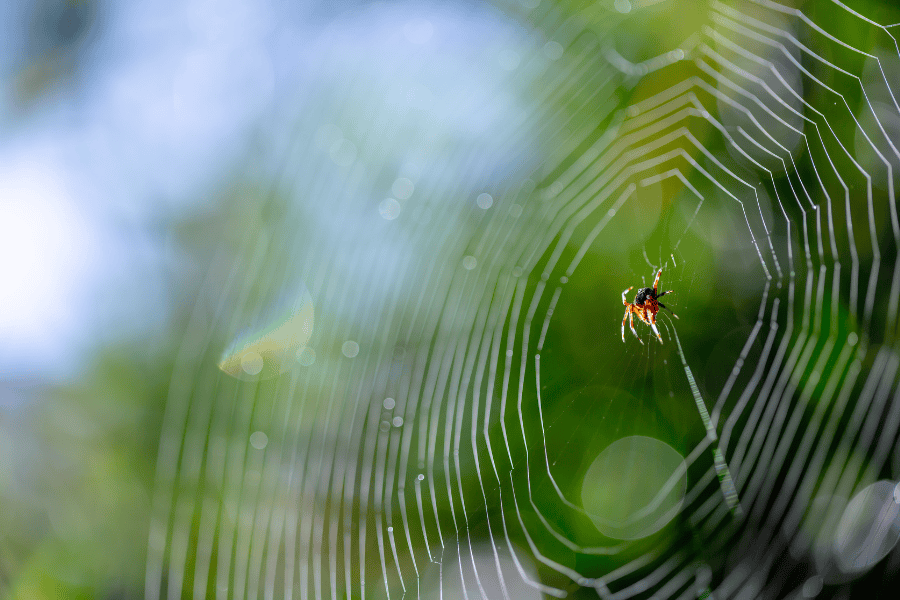
If there’s one thing most of us can agree on, it’s that spiders belong outside, not taking over our Naples homes! While these eight-legged visitors may be great for controlling other pests, no one wants to find them lurking in every corner of our home and property. If you’re tired of spotting webs and want to keep spiders out of your home, here’s how you can send them packing!
Easy DIY Steps to Keep Spiders Out
Naples offers a warm, humid climate that spiders thrive in! These pests are attracted to dark, undisturbed places like attics and even your closets. Plus, if you’ve got other pests hanging around, spiders will happily stick around for an easy meal. Check out our do-it-yourself tips to deter spiders from your home and property:
Seal Up Entry Points: Spiders are sneaky and can slip through tiny cracks in doors, windows, and walls. Make sure to check for gaps or holes around your home and seal them with caulk or other sealants, depending on the size of the opening. Pay extra attention to places like vents, pipes, and electrical outlets.
Declutter Your Spaces: Spiders love clutter! Piles of clothes, old boxes, and unused furniture give them the perfect hiding spots. Keep things tidy, especially in storage areas like the garage, attic, or basement, where spiders often make themselves at home.
Turn Off Outdoor Lights at Night: Outdoor lighting can attract household pests, which in turn attract spiders. Turning off unnecessary lights in the evening can help reduce the spider activity around your home.
Keep Your Home Clean: Spiders love places that are dusty and undisturbed. Regularly vacuuming, dusting, and wiping down surfaces can help make your home less inviting to them. Don’t forget to sweep away those webs too!
Control Other Insects: Spiders go where their food is – so if you’ve got a pest problem, you’re likely to see spiders, too. Consider scheduling regular pest control treatments to help keep household pests in check.
Consider Natural Repellents: Certain essential oils, like peppermint and tea tree oil, are known to repel spiders. You can mix a few drops of water and spray it around windowsills, doorways, and other spider-prone areas for a natural deterrent.
If you’ve tried everything and still find spiders creeping around, it might be time to call a local pest control company near you. These professionals can treat both the inside and outside of your home, ensuring that you can keep spiders out of your home.
The last thing you want to see is a cockroach scurrying across your kitchen floor, but unfortunately, Fort Myers’ warm and humid climate is a haven for these unwelcome guests! Luckily, knowing which types of roaches are most common in Fort Myers homes can help you keep them out of your home and know what action to take if you spot one!
Types of Roaches in Fort Myers
American Cockroach
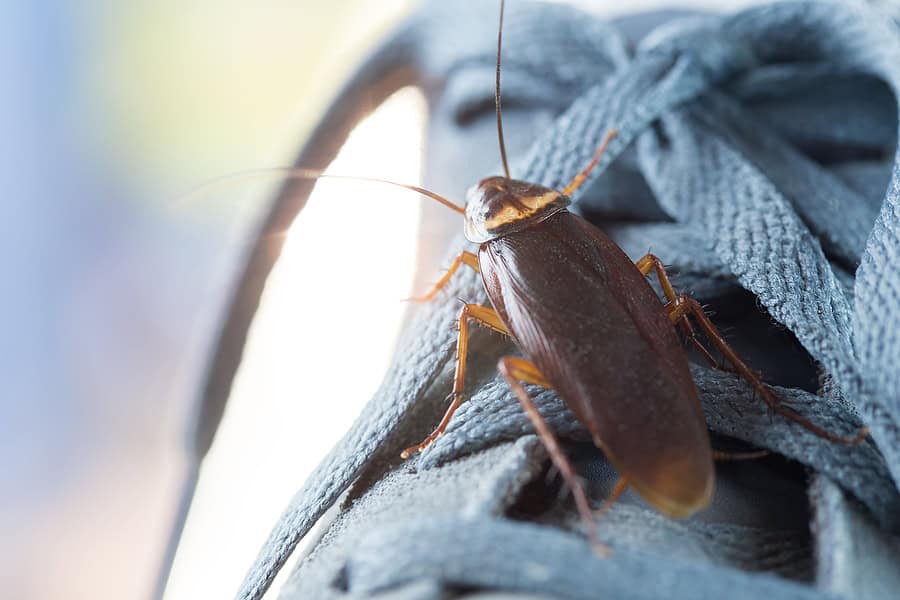
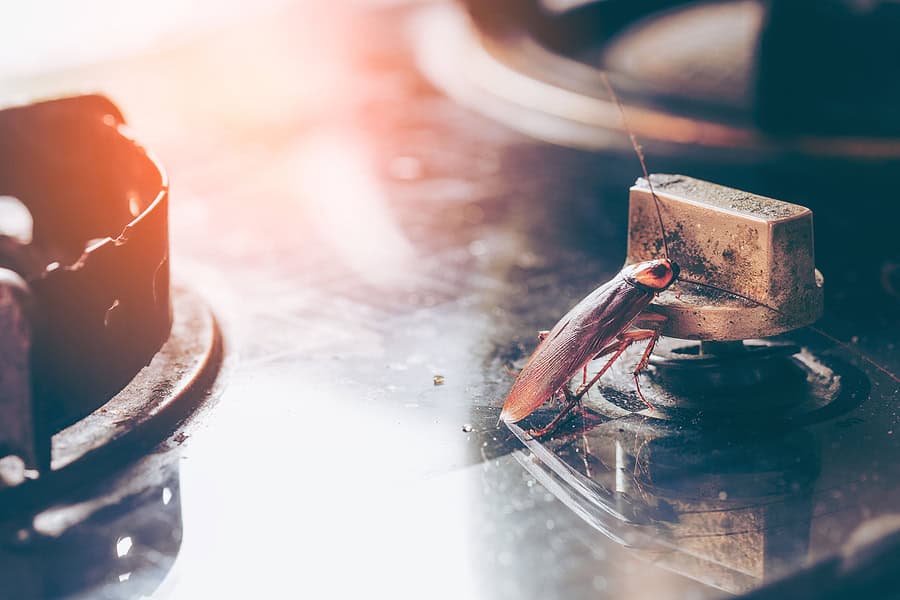
The American cockroach, also known as the “Palmetto Bug”, is one of the largest roaches you’ll find in Florida. These bugs can grow up to 2 inches long and are a reddish-brown color. You’ll often find them in dark, damp places like exterior ornamental areas, sewers, and under appliances. They’re not picky eaters and will consume anything from food crumbs to decaying matter.
German Cockroach
German cockroaches are small but mighty. Measuring about ½ inch long, these light brown roaches are the most common species to invade homes. They multiply fast, so spotting one could mean there’s already an infestation. They love warm, humid areas, especially kitchens and bathrooms, where they can find food and water easily.
Brown-Banded Cockroach
Brown-banded roaches are about the same size as German cockroaches but have distinctive brown bands across their wings. Unlike other roaches, they prefer drier areas and are often found in living rooms or bedrooms – even inside our furniture! They also tend to hide in high places like shelves and cabinets.
How to Prevent a Roach Infestation
Cockroaches are more than just creepy—they can carry bacteria and trigger allergies. Here are a few more tips to keep them out of your Florida home:
Regularly sweep, mop, and wipe down surfaces to eliminate crumbs and spills that can attract roaches.
Keep your kitchen clean, store food in airtight containers, and empty the trash regularly.
Declutter your home, especially areas like closets, and vacuum regularly to remove potential hiding spots.
Roaches love garbage, so make sure your trash cans have tight lids and are emptied regularly.
Repair any plumbing issues and reduce humidity in your home as roaches are highly attracted to water.
Consider using motion sensor outdoor lights as it can attract roaches that fly, such as the American roach.
Seal any cracks or gaps around windows, doors, and plumbing, and keep your home dry by fixing leaks.
While roaches are a common pest in Fort Myers, taking steps to keep your home clean and less attractive to them can make all the difference! If you notice signs of an infestation, consider calling your local pest control company near you to help get things under control. These professionals will provide you with a thorough inspection, determine entry points, and recommend the best treatment and prevention plan for your roach situation.
Rodents, like rats and mice, are some of the most common intruders into our Broward attics and once they get in, they can cause plenty of destruction. From gnawing on electrical wires to leaving droppings that can affect your home’s air quality, these pests can turn into a homeowner’s nightmare. However, with a few proactive steps, you can keep your attic rodent-free and even improve your home’s energy efficiency in the process. Check out these tips for keeping rodents out of your attic.
Tips For Keeping Rodents Out of Your Attic
Seal Up Entry Points
Rodents can squeeze through tiny gaps, so it’s important to thoroughly inspect your home’s exterior for any potential entry points. Pay special attention to areas around the roofline, vents, and any cracks or holes in the walls. Use materials like steel wool, caulk, or metal mesh to seal these gaps.
Keep the Attic Clean and Clutter-Free
Rodents love clutter because it provides them with hiding spots and nesting materials. By keeping your attic clean and organized, you can make it less appealing to these pests. Look to store items in plastic bins instead of cardboard boxes, and regularly check for signs of rodent activity, like droppings or chewed materials on a regular basis.
Trim Trees and Shrubs Around Your Home
Rodents often use tree branches and overgrown shrubs as bridges to reach your attic. By trimming back trees and keeping vegetation away from your home, you can make it harder for them to gain access. Try to keep branches at least six feet away from the roofline to lessen the chances of them using it to get inside your attic.
Install a Chimney Cap and Vent Covers
Chimneys and vents are common entry points for rodents. Installing a chimney cap and vent covers is a simple and effective way to block these access points. Make sure these covers are made of durable materials that rodents cannot chew through.
Regularly Check Your Roof and Gutters
Your roof and gutters should be in good repair to keep rodents from finding a way in. Loose shingles, gaps in the roofline, and clogged gutters can all provide easy entry points for rodents and other household pests.
Consider Rodent Control Services
If you’re not sure where to start or want to ensure every entry point is covered, hiring a professional can be a great investment. There are several pest control experts near you that are familiar with the types of rodents in the area and can provide tailored solutions to keep your attic rodent-free.
Consider Attic Insulation
Attic insulation can be a major help in keeping rodents out of your home. Certain types of insulation, like cellulose, can help seal gaps and crevices where rodents might try to enter. Additionally, insulation materials that are treated with borates can act as a natural repellent. Not only does proper insulation make your attic less inviting to pests, but it also has the added benefit of improving your home’s energy efficiency.
Maintain a Regular Inspection Schedule
Finally, make it a habit to inspect your attic and the exterior of your property regularly. Look for any signs of rodent activity, like droppings, gnaw marks, or nesting materials. The sooner you catch a potential issue, the easier it is to address before it becomes a bigger problem.
Keeping rodents out of your home may seem like a daunting task but with a few proactive steps, you can create an environment that’s unwelcoming to these pests! If you’ve noticed rodent activity on your property or in your attic, call a pest control company near you to get a free inspection and the best rodent control plan for your rodent situation.
By Mike Vilchez, Quality Assurance Technical Field Trainer — South Florida · Last updated: July 2026 Reviewed for accuracy by the Northwest Exterminating South Florida Service Team.
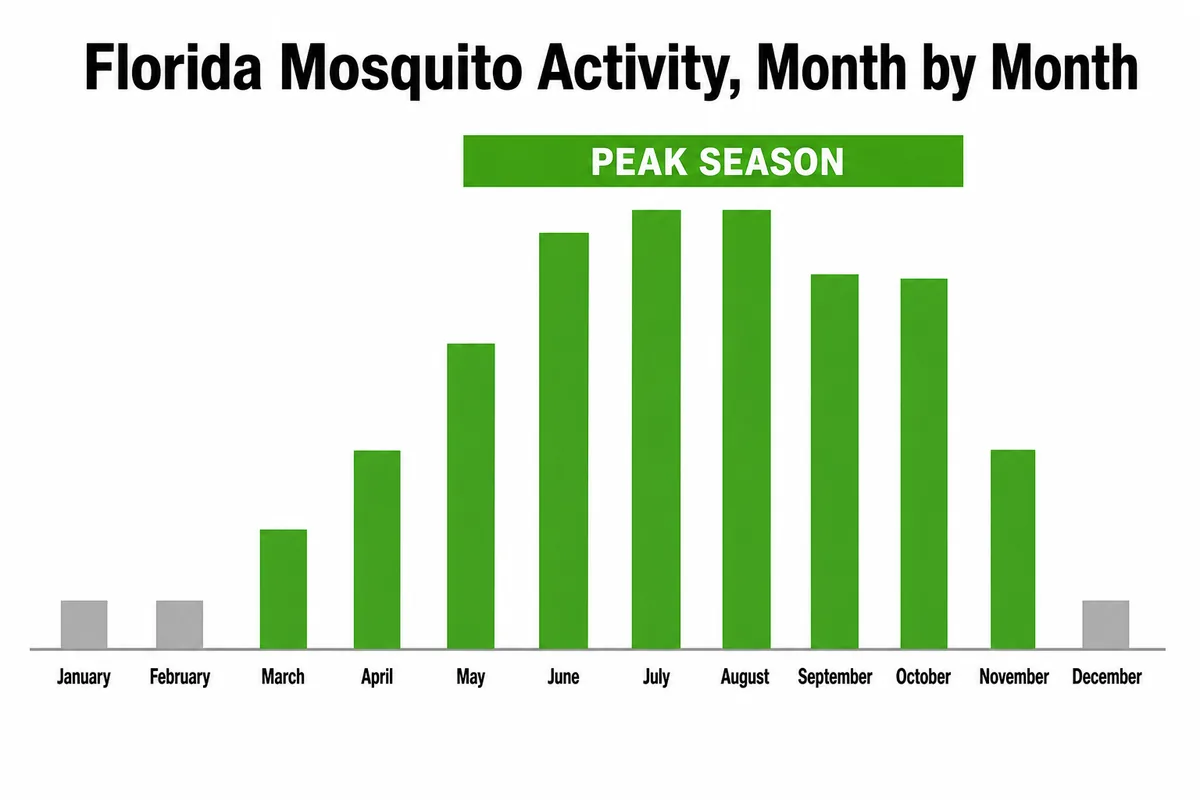
Quick answer: Mosquito season in Florida runs essentially year-round, with activity ramping up in March, peaking from June through October during the rainy season, and tapering (but never fully stopping) in winter. South Florida, including Naples, Fort Myers, and Miami, sees the longest and most intense pressure of any region in the state.
Florida mosquitoes don’t follow the same seasonal calendar as the rest of the country. While homeowners in the Midwest pack away their repellent in October, Florida residents are still swatting in December. Understanding exactly when mosquito season in Florida starts, peaks, and eases up is the first step toward protecting your yard and family all year long.
This guide gives you a clear, month-by-month breakdown of Florida’s mosquito season, explains why South Florida faces a uniquely long season, and outlines what a year-round protection plan actually looks like. Whether you’re in Naples, Fort Myers, Miami, or Pompano Beach, this is the local detail that most generic guides skip entirely.
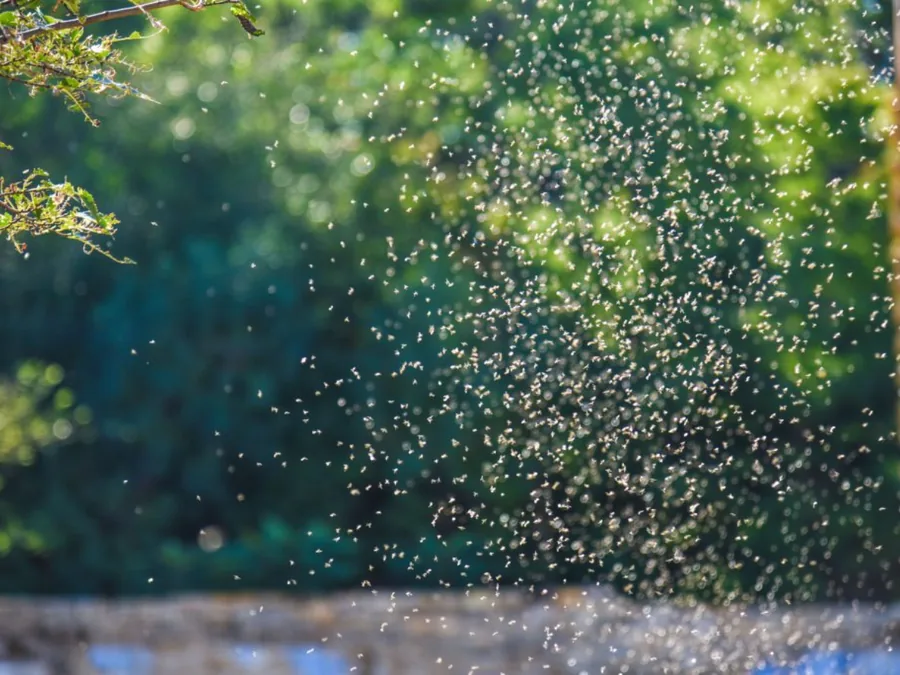
Florida’s warm, humid climate keeps mosquitoes active far longer than in the rest of the country.
The Short Answer: Florida’s Mosquito Season Is Basically Year-Round
Most states get a true mosquito-free winter. Florida does not. Mosquito season in Florida officially spans from roughly March through November, but in South Florida, activity never fully stops. It only slows.
The peak window runs from June through October, driven by the state’s rainy season and sustained heat. Outside of that peak, mosquitoes in South Florida remain present and capable of biting on warm winter days. Temperatures need to drop consistently below 50°F before mosquito activity meaningfully decreases, and in Miami-Dade, Broward, Collier, and Lee counties, that threshold is rarely met for more than a few days at a time.
For practical purposes, Florida mosquito control is a 12-month commitment.
Florida mosquito pressure ramps up in spring, peaks from June through October, and only slows in winter.
Florida Mosquito Season, Month by Month
Spring (March through May): The Season Ramps Up Fast
By March, daytime temperatures across Florida are climbing back into the 70s and 80s. Mosquitoes that survived winter as eggs or larvae in standing water begin hatching. Activity builds steadily through April and accelerates sharply in May as humidity rises ahead of the rainy season.
South Florida residents often notice meaningful mosquito pressure as early as mid-February during warm winters. This early ramp-up is one of the key differences between South Florida and the northern part of the state, where the season typically doesn’t gain momentum until late March or April.
Summer and Early Fall (June through October): Peak Season
This is the worst period. Florida’s rainy season runs from June through September, dropping an average of 50 to 60 inches of rain annually across the southern half of the state, according to the University of Florida IFAS Extension. Every rain event creates fresh standing water, and standing water is where mosquitoes breed.
Warm temperatures accelerate the mosquito life cycle dramatically. At 80°F, a mosquito can complete its development from egg to biting adult in as little as 7 to 10 days. With near-daily afternoon storms refilling breeding sites faster than they dry out, the population compounds quickly throughout June, July, and August.
September and October remain heavily active. The rains taper, but residual warmth and humidity keep populations elevated well into fall.
“In South Florida, we don’t really see a summer spike. We see a summer ceiling,” says Mike Vilchez, Quality Assurance Technical Field Trainer and South Florida expert at Northwest Exterminating. “From June through October, pressure is just consistently high. Service calls spike right after the first big June rains, and they don’t drop off until we get a real cold front, which might not happen until December.”
Winter (November through February): A Lull, Not a Stop
North Florida typically sees a meaningful drop in mosquito activity between November and February. Temperatures fall far enough to suppress most species. In South Florida, the picture is different.
Miami, Fort Lauderdale, Pompano Beach, and coastal Collier County rarely see extended cold snaps. Average January temperatures in Miami sit around 68°F, well above the 50°F threshold at which mosquito activity begins to slow. That means mosquitoes remain capable of biting on most winter days in South Florida, even if the population is smaller than it was in August.
The practical implication: dropping your mosquito protection in November is a mistake if you live south of Lake Okeechobee.
Why Is Florida’s Mosquito Season So Much Longer Than Other States?
Three factors combine to make Florida, and South Florida in particular, one of the most mosquito-intense environments in the continental United States.
Heat: Mosquitoes are cold-blooded insects. Warmer temperatures shorten their breeding cycle and extend their active season. Florida’s subtropical and tropical climate provides warmth year-round, which other Southeastern states cannot match.
Humidity: Florida’s average relative humidity exceeds 70% across most of the year. High humidity slows mosquito dehydration, keeping adult populations active longer after each breeding cycle.
Rainy season and standing water: Florida’s June-through-September rainy season creates the breeding conditions mosquitoes need. Low-lying yards, drainage ditches, landscape features, and poorly maintained gutters all become active breeding sites within days of a rain event. The University of Florida IFAS Extension has documented more than 80 mosquito species in the state, more than any other state in the continental US.
Coastal geography: South Florida’s flat terrain and coastal proximity means rainwater drains slowly. Water sits in yards, swales, and natural areas for days after a storm, and each of those sites is a potential breeding zone.
What Are the Worst Months for Mosquitoes in Florida?
The worst months for mosquitoes in Florida are June, July, August, and September. These four months combine peak rainfall with peak heat, creating conditions that drive rapid population growth.
July is consistently the most complained-about month across Northwest Exterminating’s South Florida service area. Afternoon storms roll through almost daily, and temperatures rarely dip below 75°F even at night, meaning mosquitoes breed around the clock.
Regional differences matter here. In Tallahassee and Jacksonville, the season is bad in summer but clearly seasonal. In Naples, Fort Myers, and Miami, the summer peak is more extreme and the shoulder months are longer. Coastal areas face additional pressure because salt marsh mosquitoes (species that breed in tidal flats and coastal wetlands) add to the existing inland population.
“The difference between South Florida and the rest of the state is that we don’t get the natural reset that a cold winter provides,” says Mike Vilchez, Quality Assurance Technical Field Trainer and South Florida expert at Northwest Exterminating. “Our customers who try to stop treatments in October almost always call back in January frustrated. The pressure never fully stops down here.”
How to Stay Protected During Florida’s Year-Round Mosquito Season
Source Reduction: Your First Line of Defense
No treatment program works well if active breeding sites remain in your yard. Before anything else, eliminate standing water:
Empty and scrub birdbaths weekly
Clear gutters of debris and standing water after every rain
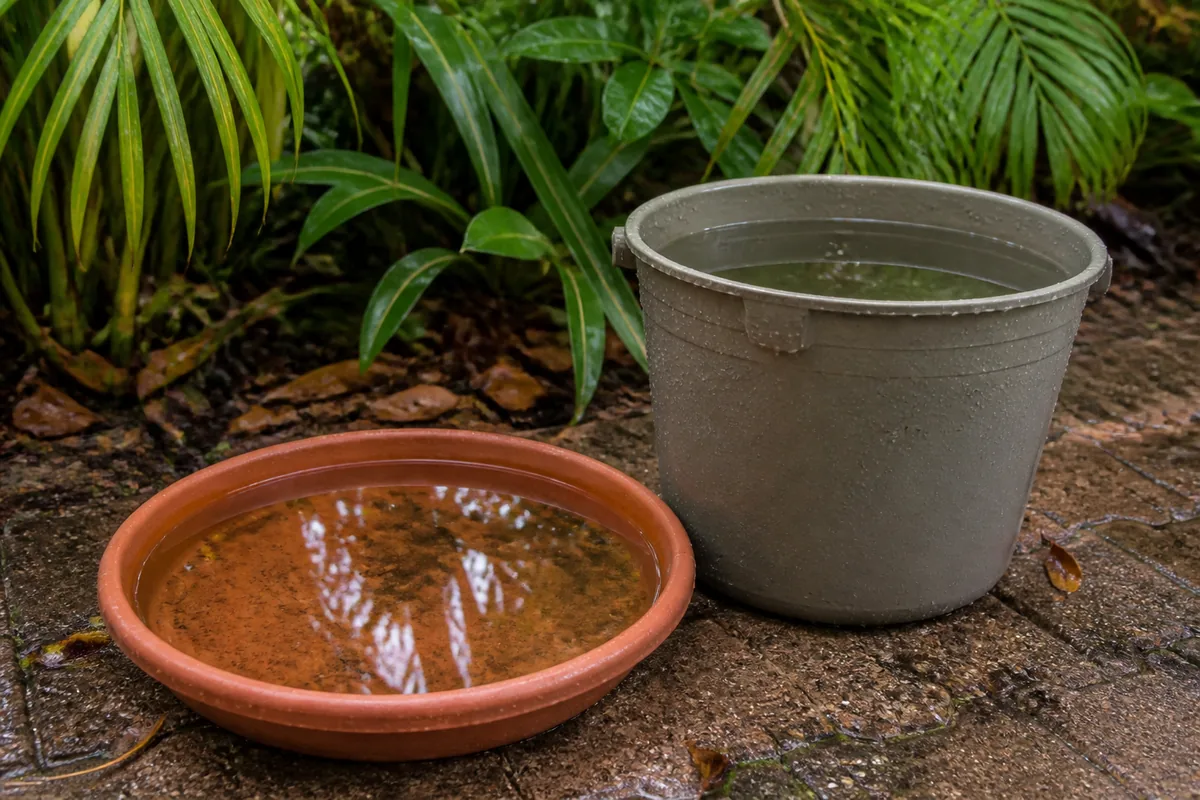
Store or cover containers that collect rainwater (pots, buckets, kiddie pools)
Check for low spots in your lawn where water pools after storms
Keep ornamental ponds stocked with mosquito-eating fish or treated with BTI (a naturally occurring larvicide)
For Florida homeowners, this kind of mosquito source reduction is a weekly habit, not a one-time task. The rainy season refills breeding sites constantly.
Every container that holds rainwater becomes a mosquito breeding site within days during Florida’s rainy season.
Why a Year-Round Plan Beats Seasonal Treatment in Florida
In northern markets, a seasonal mosquito treatment that runs from May through October makes sense. Florida’s biology doesn’t support that model, especially in South Florida.
A continuous mosquito control program maintains a barrier around your yard through regular treatments, targeting adult mosquitoes where they rest and larvae before they hatch. The In2Care mosquito system, which Northwest Exterminating offers in Florida, uses a slow-release biological approach that spreads through the mosquito population and reduces breeding in hard-to-reach water sources without broad pesticide spraying.
The combination of barrier treatments and a system like In2Care is particularly well-suited to South Florida’s year-round pressure because it doesn’t rely on timing a season. It maintains control continuously. You can also support your protection with plants that naturally repel mosquitoes, which pair well with a professional program.
Why South Florida Mosquito Pressure Is Different From the Rest of the State
Naples, Fort Myers, Miami, and Pompano Beach sit in a climate zone that most mosquito guides overlook entirely. These markets face pressure that is longer, more intense, and driven by different mosquito species than what residents in Orlando or Gainesville deal with.
South Florida’s combination of coastal salt marsh mosquitoes, subtropical heat, a rainy season that delivers heavy rainfall with few dry intervals, and winters too mild to suppress populations means that the standard “seasonal” framing simply doesn’t apply. Residents in Collier and Lee counties often describe summer as “bad” and winter as “manageable,” not “mosquito-free.”
For homeowners in these markets, the goal of mosquito control isn’t to get through a season. It’s to maintain livable pressure year-round.
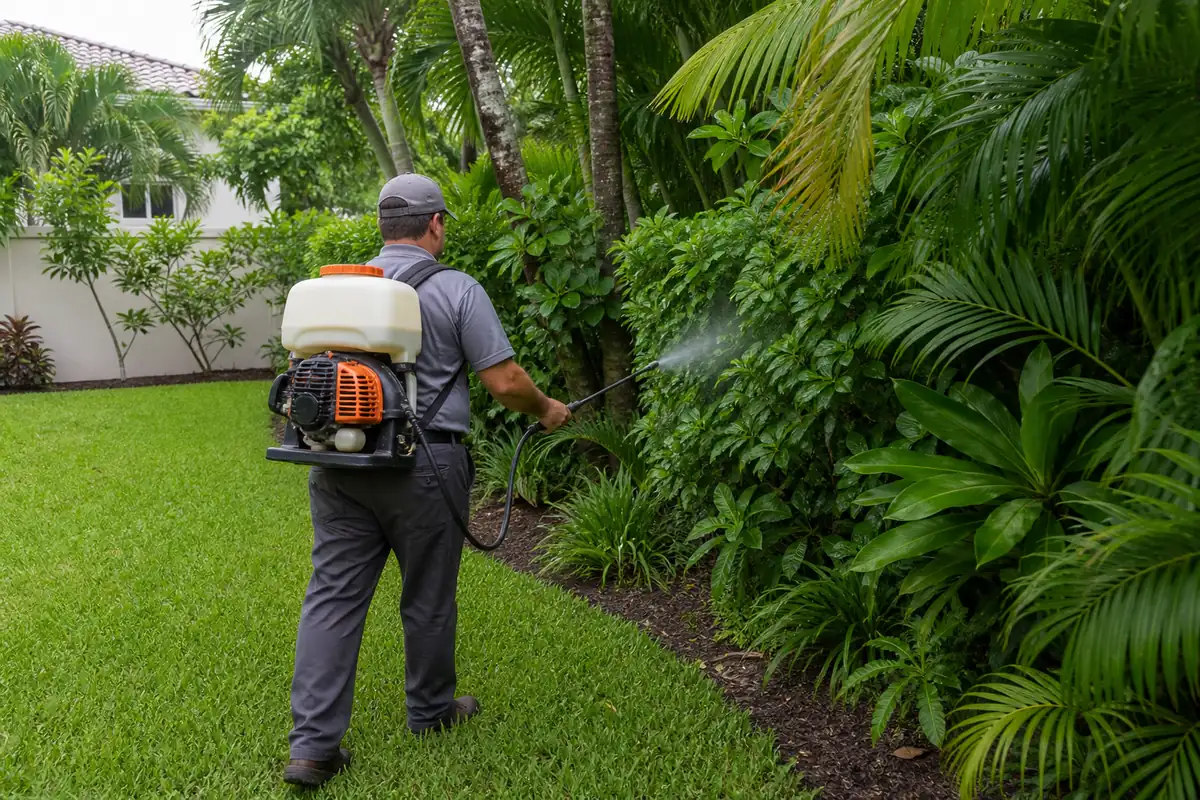
Professional barrier treatments target the shaded areas where adult mosquitoes rest between meals.
Take Back Your Yard — Get a Free South Florida Mosquito Quote
Year-round mosquitoes need a year-round plan. Northwest Exterminating’s Florida mosquito control programs are built specifically for the extended season South Florida demands, not copied from a northern playbook.
Get a free estimate and find out which program fits your yard, your neighborhood, and your schedule. Same-day and next-day service available across South Florida.
Call (855) 789-9807 to speak with your local Northwest branch today.
Frequently Asked Questions About Mosquito Season in Florida
When does mosquito season start in Florida?
Mosquito season in Florida typically begins in March, when temperatures rise above 50°F consistently enough to trigger hatching and breeding. In South Florida, including Miami, Naples, and Fort Myers, activity can begin as early as mid-February during warm winters.
When does mosquito season end in Florida?
Mosquito season ends in late November or December in northern Florida, where temperatures eventually drop below the 50°F activity threshold. In South Florida, the season never fully ends. It only slows. Mosquitoes remain active on warm winter days throughout Miami-Dade, Broward, Collier, and Lee counties.
Are mosquitoes year-round in Florida?
Yes. While the population is smaller in winter, mosquitoes are present and active year-round in Florida, particularly in South Florida. Temperatures in the southern part of the state rarely stay below 50°F long enough to fully suppress mosquito activity. Residents in Naples, Fort Myers, Miami, and Pompano Beach should maintain protection throughout all 12 months.
What is the worst month for mosquitoes in Florida?
July is typically the worst month for mosquitoes in Florida. It combines the peak of rainy season with consistently high temperatures, conditions that shorten the mosquito breeding cycle to as little as 7 to 10 days and allow populations to compound rapidly. June, August, and September are close behind.
Why are mosquitoes so bad in Florida compared to other states?
Florida has more mosquito species than any other continental US state, over 80, according to the University of Florida IFAS Extension. The combination of subtropical heat, humidity above 70% for most of the year, and a rainy season that creates abundant standing water gives mosquitoes nearly ideal conditions for most of the calendar year. South Florida’s flat terrain and coastal wetlands make it particularly intense.
How is South Florida mosquito pressure different from the rest of the state?
South Florida sees a longer active season, a more intense summer peak, and a milder winter that never provides the natural population reset that northern Florida gets. Coastal areas in Collier and Lee counties also face salt marsh mosquito species that aren’t factors further inland. For South Florida residents, treating mosquito control as seasonal is a plan that reliably fails.
About the Author
Mike Vilchez serves as a Quality Assurance Technical Field Trainer for the Northwest Family of Brands in South Florida. He provides hands-on coaching, technical training, and field support to teammates while promoting industry best practices and service excellence. Mike’s commitment to education and continuous improvement helps teams deliver effective pest management solutions and extraordinary customer experiences.
Reviewed for accuracy by the Northwest Exterminating South Florida Service Team.
Our warm climate attracts several unwanted pests, including rodents like rats and mice! These pests will cause significant damage to your property and pose health risks to your family. Let’s review why you need rodent prevention, how you can prevent them from invading your home and the potential damage they can cause!
Rodent Prevention Guide
How Rodents Can Damage Your Home
Rodents are more than just a nuisance, they will cause serious harm to your property, including:
Structural Damage: Rats and mice chew through wood, insulation, and electrical wiring, potentially leading to costly repairs and fire hazards.
Contamination: Rodents will contaminate food and surfaces with their droppings and urine, spreading diseases like Hantavirus and Salmonella.
Gnawing: Rodents have a constant need to gnaw, often gnawing and damaging our furniture, doors, and personal belongings.
Nesting: Mice and rats will create nests in walls, attics, and basements, causing insulation damage and increasing the risk of fire.
DIY Rodent Prevention Tips
To keep your Doral home rodent-free, consider these DIY rodent prevention tips:
Remove potential nesting sites in your yard, including leaf piles and deep mulch.
Keep your garbage in containers with tight-fitting lids.
Inspect your home for any openings and seal them using steel wool or metal sheeting.
Clean up leftover food crumbs and spills after each meal.
Store food in plastic or glass containers with tight lids.
Keep your home decluttered by removing old newspapers or magazines and storing items in plastic containers instead of cardboard boxes.
Eliminate excess water by fixing any pipe leaks and consider enclosing your crawlspace to help minimize moisture and keep pests out.
If you’ve noticed rodent activity on your property, it’s best to call a pest control company near you. These rodent experts will provide your home with a thorough inspection, identify the type of rodent that’s invaded, and provide a rodent control and prevention plan.
Roaches are resistant and highly adaptable pests, skilled at finding their way indoors and multiplying quickly to create an infestation in your home! One of the best ways you can keep a roach-free home is implementing some effective DIY prevention measures! Let’s review the reasons roaches infest and the ways you can deter them from your home.
How to Keep A Roach-Free Home
What Attracts Roaches?
There are several, everyday factors that will attract roaches inside your home, including:
Food Sources: Cockroaches are drawn to any food source they can find. Crumbs, spills, and even pet food can attract them. They are also known to prefer sugary and starchy foods too.
Water: To survive, roaches need water and will go looking for it in our kitchens, bathrooms, and crawlspaces. These pests only need a small amount, making leaky pipes and standing water a major attraction.
Shelter: Roaches seek out dark warm places to hide and breed, like our storage closets. You will often find them in clutter, cardboard boxes, and pules of paper to hide.
How Can I Stop a Roach Infestation?
Roaches contaminate surfaces they touch and can trigger allergies and asthma, so stopping them before they even enter your home is important for the health of your family. Here are some easy, roach prevention tips that every Florida homeowner can utilize:
Seal Entrances: Ensure all openings in doors, windows, and foundations are sealed. Likewise, replace old weatherstripping and make sure there are no holes in windows or screens to help stop these pests.
Limit Moisture: Since roaches need water to survive, it’s crucial to remove any standing water throughout your property. Dripping faucets and leaky pipes will attract them inside your home, so look to repair them as soon as possible. Consider enclosing your crawlspace to ensure no moisture is found.
Declutter Your Home: Cockroaches will find hiding places during the day, but at night emerge to seek out food and water. Decluttering and cleaning out unnecessary items in your home will help limit their hiding spaces and prevent them in the future. Remove any old newspapers, use plastic containers over cardboard, and make sure clothes are not piled on the floor.
Tidy Your Kitchen: Your kitchen can be a paradise for roaches if it is not pest-proofed! To avoid roaches in your kitchen, clean up any spills or crumbs immediately and regularly take the trash out. When storing food in your pantry, look to use plastic or glass containers with lids on them.
While prevention can help keep cockroaches away, sometimes it’s best to get professional help! Call a pest control company near you to inspect your home and provide you with the best treatment and prevention plan to make sure you have a roach-free home.
*Inspection fee for Bird Control or Snake Removal begins at $125. These service inspection fees will be applied to total service cost if bird control and/or snake removal services are completed.
By submitting, you agree to be contacted about your quote. See our Privacy Policy.
READY TO GET STARTED?
REQUEST A FREE ESTIMATE
Fill out the form below or call (866) 800-2197 for a free, no-obligation estimate.
READY TO GET STARTED?
REQUEST A FREE ESTIMATE
Fill out the form below or call (866) 800-2197 for a free, no-obligation estimate.
READY TO GET STARTED?
REQUEST A FREE ESTIMATE
Fill out the form below or call (855) 374-3795 for a free, no-obligation estimate.