READY TO GET STARTED?
REQUEST A FREE ESTIMATE
Fill out the form below or call (888) 466-7849 for a free, no-obligation estimate.

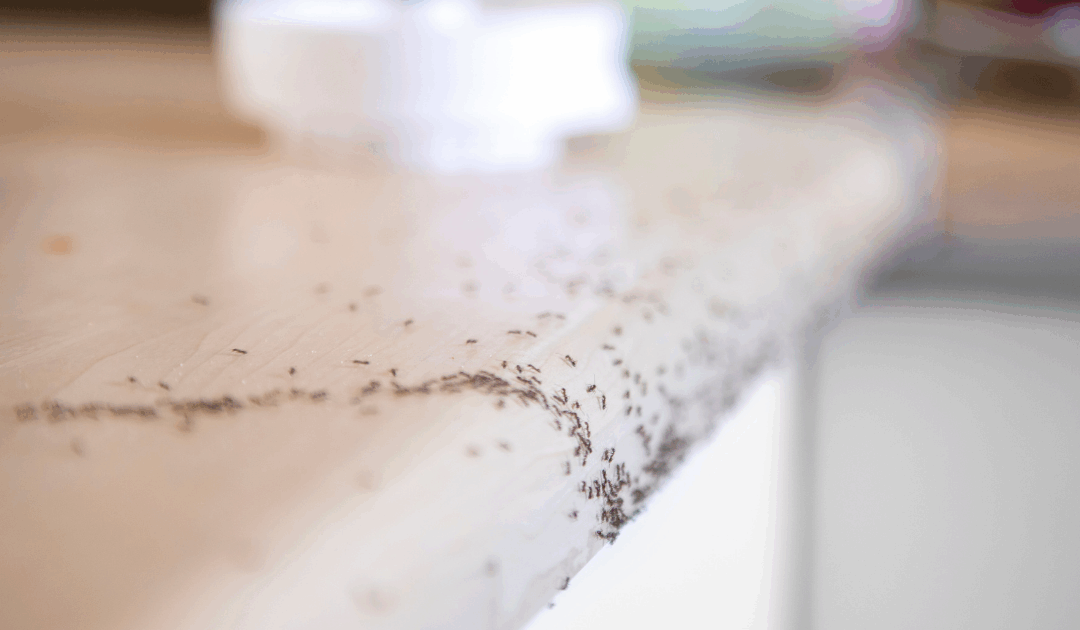
Fort Myers residents know the frustration well. You clean your kitchen, and within hours, a steady line of ants appears across the counters. Florida’s year-round warmth and humidity create ideal conditions for ant colonies to thrive, making prevention and control a regular part of maintaining a comfortable home. The good news is that lasting ant control is possible with proven strategies that protect both your family and the natural environment of Southwest Florida. Here’s how to tackle these persistent pests while keeping the area’s delicate ecosystem in mind.
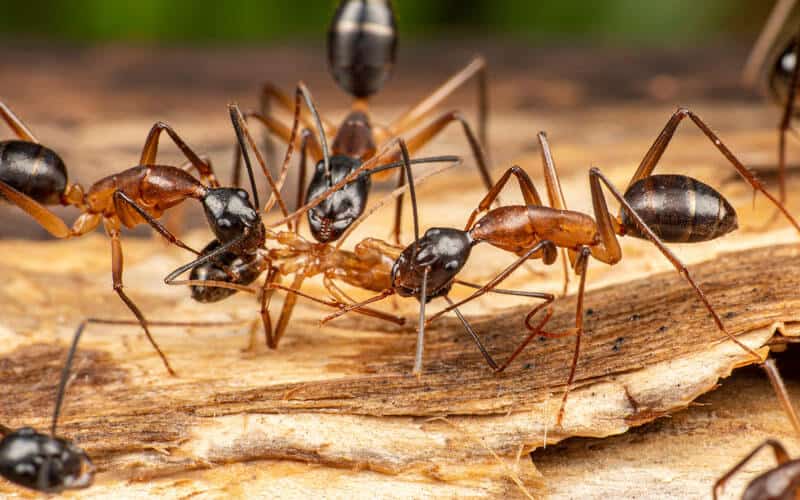
Southwest Florida’s subtropical climate supports several ant species that frequently invade homes. Ghost ants, with their translucent legs and bodies, often appear in kitchens and bathrooms in search of moisture and food. Fire ants build aggressive colonies in yards and deliver painful stings, while carpenter ants can damage wood structures as they tunnel to build nests.
Pharaoh ants present a unique challenge because they create multiple colonies and require specialized management. These tiny yellow ants can contaminate food and spread bacteria, making prompt action important for protecting health.
Each species behaves differently, so understanding their habits is key to choosing the right control methods.
Over-the-counter sprays may kill visible ants but rarely address the colony itself. Without eliminating the source, infestations often return. This cycle leads to repeated treatments that can affect beneficial insects, pollinators, and water quality in sensitive coastal areas.
Effective ant management requires a comprehensive approach that targets colonies, prevents new infestations, and protects the environment.
Inspect your home for cracks, gaps, and openings that ants could use to get inside. Common trouble spots include windows, doors, and utility penetrations. Seal gaps with weatherproof caulk, repair screens, and install door sweeps to block access.
Pay extra attention to moisture-prone areas. Afternoon storms in Fort Myers can create damp conditions that attract ants, so sealing these areas also supports moisture control.
Reduce attractants by cleaning surfaces promptly after food preparation, especially behind appliances where crumbs and spills can go unnoticed. Store all food, including pet food, in sealed containers.
Empty trash bins regularly and ensure lids fit tightly. Wiping down surfaces with vinegar can erase the scent trails ants use to navigate, making your home less inviting.
Proper ventilation and dehumidification help reduce indoor humidity. Address plumbing leaks promptly and check under sinks, around water heaters, and near outdoor faucets for moisture buildup.
Outside, improve drainage and keep gutters clear to prevent water pooling around the foundation.
Peppermint oil is a well-known ant deterrent. Mix 10–15 drops with water in a spray bottle and apply to baseboards, entry points, and areas where ants are active. Tea tree and lemon oils offer additional protection and a pleasant scent.
Diatomaceous earth damages the exoskeletons of crawling insects and works well when applied along trails and near entry points. Cinnamon powder can create a barrier ants will avoid, and ground coffee can deter several species while adding a subtle aroma.
Plant ant-repelling species such as mint, tansy, or pennyroyal along the perimeter of your home. Trim vegetation so it does not touch exterior walls, as plants can act as bridges for ants to enter.
Ant control is most effective when prevention, sanitation, moisture management, and monitoring work together. Seasonal inspections help identify and address vulnerabilities early.
Keeping a record of what works on your property allows you to refine your approach over time. With consistent attention, these strategies help create an environment where ants are far less likely to take up residence, protecting both your home and Fort Myers’ coastal ecosystem. Contact local pest control professionals for a free ant control quote today!
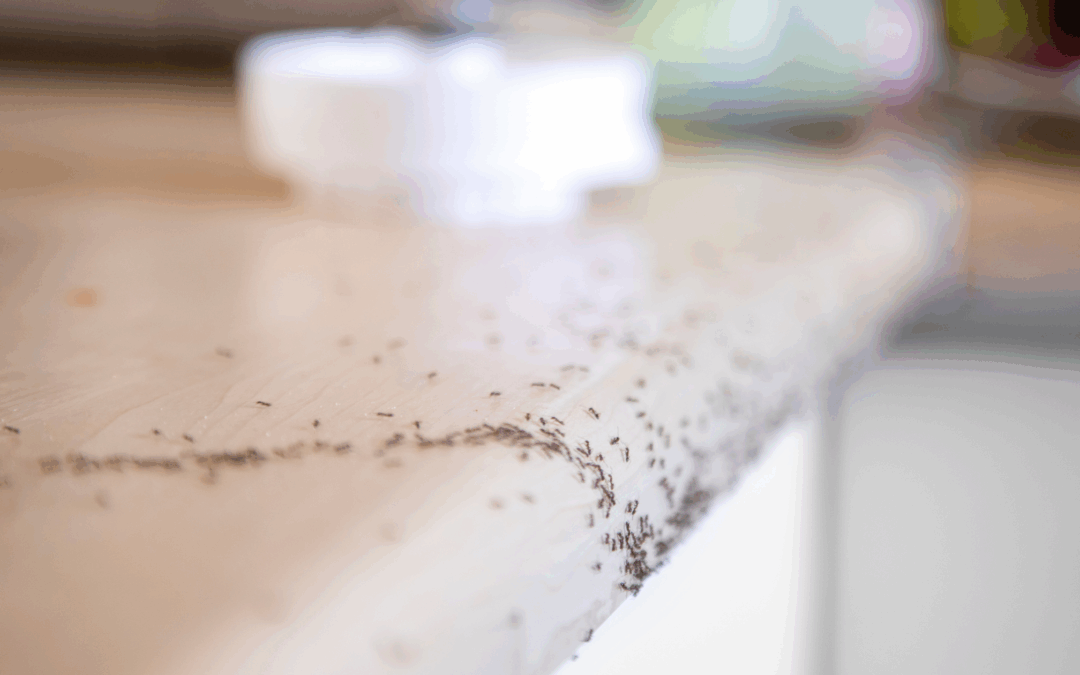
Finding ants in your bathroom can be a frustrating surprise, whether it’s a lone scout or an entire trail marching across your sink. These persistent pests are often drawn to damp spaces and sugary or soapy residues, making your bathroom a prime target. Luckily, you don’t need harsh chemicals to get rid of ants. With eco-friendly methods, you can tackle the problem swiftly and effectively while causing no harm. Here’s how to eliminate ants in your Anniston bathroom the green way, while keeping your family and the environment in mind.
Understanding why ants are in your bathroom is the first step to getting rid of them. Ants are often searching for two things in this space:
Once they’ve found what they’re looking for, ants leave behind a chemical trail for others to follow, expanding the infestation. Addressing these attractants is key to stopping their march.
Ants are tiny and highly flexible, which means they can enter through the smallest cracks or openings. Seal these gaps to prevent their access.
Blocking their pathways sends a clear message that your bathroom is off-limits.
Skip the chemical sprays and opt for natural solutions that are effective yet healthier or your family and pets.
Other natural deterrents like citrus peels, bay leaves, or coffee grounds can also be placed near entry points to keep ants away.
Cleanliness is crucial in making your bathroom less inviting to ants.
By removing their food and water sources, you’ll make it harder for ants to stick around.
Preventing ants from returning is just as important as getting rid of the current infestation. Here’s how you can maintain an ant-free bathroom:
Taking these steps makes your bathroom less appealing to ants and other pests over the long term.
Getting rid of ants in your Anniston bathroom doesn’t have to mean using harmful pesticides. With a few simple changes, like sealing entry points, using natural repellents, and keeping things dry and clean, you can tackle the problem in an environmentally friendly way. Plus, with preventative measures in place, you’ll keep them out for good.
Eco-friendly pest control provided by a pest control company near you will keep your home and the planet, ensuring a healthier, greener future for all!
Ants enter homes for food and water, especially during Florida’s rainy season or dry spells. Common attractors include food crumbs, unsealed containers, cracks around windows and doors, and pet food left out. Understanding their behavior helps eliminate what draws them indoors.
Close gaps and cracks around windows, doors, and baseboards with silicone caulk. Sealing not only blocks ants but also improves your home’s energy efficiency during Florida’s hot months.
Clean up crumbs after outdoor meals and keep pet food bowls elevated with a surrounding water moat. This discourages ants from dining near your home.
Trim bushes and trees near your home to eliminate easy ant pathways. Remove debris like leaves and mulch and keep garden areas clean and evenly watered to prevent ant colonies from forming nearby.
If ants manage to sneak inside, try these eco-friendly remedies:
Using natural solutions keeps your home comfortable while protecting Florida’s delicate ecosystems. For added support, work with local pest control professionals who specialize in eco-conscious methods for ant control near me. Together, you can maintain a pest-free home while respecting the environment.
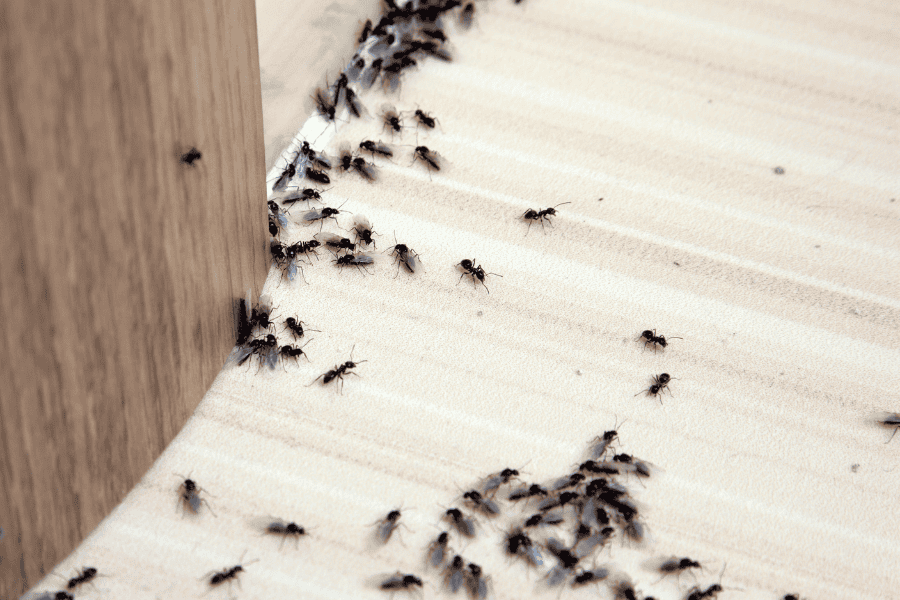
Ants are small, but they can cause big frustrations in your Miami home. Whether it’s Argentine ants marching through your kitchen or fire ants invading your yard, Miami’s warm, humid climate makes the city a prime destination for these pests. Traditional pest control methods often involve harmful chemicals, but eco-friendly ant control alternatives provide effective solutions that are not harmful for your home, health, and the environment.
Here’s how Miami residents can keep ants at bay with natural, green pest control methods that work.
Ants are always on the lookout for food, water, and shelter. Miami’s year-round warm weather, combined with the rainy season, creates the perfect environment for ants to thrive. They’re often attracted to crumbs, leaks, or even the smallest cracks in your home’s exterior.
Understanding which ant species you’re dealing with is key to effective pest control. Here are some common ants in Miami:
Using natural substances to repel ants is a great first step to keeping them out of your home:
Eco-friendly baits are a great way to target the colony itself. Mix sugar and boric acid into a paste and place it near ant trails. Worker ants will carry it back to the colony, slowly eradicating the infestation.
Diatomaceous earth is a natural powder that can be sprinkled around your Miami home. It dehydrates ants and works effectively in places like baseboards and entryways.
Ants are attracted to crumbs and food residue. Ensure your Miami home is spotless by:
Fix leaking pipes and faucets in your Miami home and dry up moisture in kitchens and bathrooms. Ants are always on the lookout for water sources and removing them will discourage them from entering.
Ants can sneak into your home through the smallest gaps. Be sure to:
Miami’s tropical environment provides a perfect place for ants to thrive. Here’s how to keep them out:
Certain plants can naturally repel ants while adding beauty to your home. Consider growing:
Miami’s warm climate makes ant infestations a common issue, but eco-friendly pest control solutions provide a greener way to protect your home. By using natural deterrents, sealing entry points, and focusing on prevention, you can keep your Miami home ant-free without relying on harmful chemicals. If you’re ready for a green pest control plan, contact a local pest control company for a free estimate.

Living in Florida offers plenty of sunshine and beaches, but it also means dealing with fire ants. These pests thrive in our humid, warm environment, quickly taking over yards by creating mounds and delivering painful stings. Reducing and preventing fire ant activity is easier than you think. Let’s breakdown everything you need to know about fire ants.
Fire ants are known for their painful stings and aggressive behavior if they feel threatened, often stinging multiple times. If stung, these pests will inject venom that causes a burning and itching sensation, and in some cases will cause allergic reactions.
Fire ants can vary in size, ranging from 1/8 to ¼ inch and have reddish-brownish bodies. You’ll often see fire ants building their large, dome-shaped mounds in areas that are open and sunny, such as lawns, pastures, and along roads. These mounds can reach up to 18 inches in height!
Deterring fire ants away from your property is the first step to avoiding an infestation. Consider these DIY fire ant prevention tips:
If you’ve spotted one too many fire ant mounds on your property, call a pest control company near you. These experts will provide you with an inspection, fire ant control plan, and prevention tips to avoid an ant infestation in the future.