Jul 7, 2025 | Insulation, Pest Control
If you’ve been hearing bumps, scratches, or rustling noises coming from your attic, you’re not alone. Many South Carolina homeowners face unwelcome attic tenants, from rodents to insects, and even insulation issues that encourage these pests to stick around. To protect your home, it’s essential to know what’s causing the commotion and how to address it. Below, we’ll cover five common attic pests and how insulation problems could be making your attic the perfect place for these critters to settle.
Common Attic Pests and Insulation Issues
1. Rodents
Mice and rats are some of the most common attic invaders. These small pests can squeeze through tiny gaps in your roof or walls and quickly turn your attic into a nesting site. Once inside, they chew on wires, gnaw on wooden beams, and leave droppings that create health hazards.
How to Spot Rodents
- Scratching Noises: Especially at night, when they’re most active.
- Chewed Materials: Look for gnawed wires, boxes, or insulation.
- Droppings: Small, dark pellets found along baseboards and in corners.
How to Prevent Rodents
- Seal gaps around vents, roofing, and utility lines.
- Store food securely and keep trash bins closed.
- Trim back trees that overhang the roof to limit entry points.
2. Squirrels
Squirrels may seem cute in your backyard, but they’re far less adorable when they invade your attic. They typically enter through roof vents or damaged soffits and quickly set up nests. Left unchecked, their strong chewing habits can damage beams, ducts, and wiring.
Signs of Squirrels
- Daytime Activity: Listen for scurrying noises during daylight hours, as squirrels are active during the day.
- Nesting Materials: Look for twigs, leaves, or shredded insulation.
- Entry Points from Roof: Check for holes or damage around eaves and vents.
How to Prevent Squirrels
- Repair roof damage and install vent covers.
- Use tree baffles to make it harder for squirrels to climb onto your home.
- Trim trees to prevent easy roof access.
3. Bats
South Carolina’s warm climate can attract bats looking for a space to roost, and your attic often fits the bill. While bats play an important role in controlling insect populations, their droppings, called guano, can pose serious health risks.
Signs of Bats in the Attic
- Chirping or Screeching Sounds: Bats are nocturnal and vocal, so you might hear them at night.
- Guano Droppings: Look for small, shiny black droppings around entry points or in the attic.
- Stains Around Entry Points: Dark, greasy stains may appear around cracks or holes bats use to get inside.
How to Prevent Bats
- Seal entry points with caulk or wire mesh (only after confirming bats are out).
- Install bat exclusion devices to allow them out but not back in.
- Work with a wildlife removal expert for humane removal.
4. Insects
Attics are often home to a variety of insect pests, including wasps, bees, and cockroaches. Wasps and bees build nests in eaves, while cockroaches prefer warm, dark spaces near food sources. Left unchecked, these pests can lead to infestations that spread through the home.
Identifying an Infestation
- Bees or Wasps: Look for nests hanging from eaves or inside vents.
- Cockroaches: Droppings, egg casings, or a musty smell can indicate their presence.
- Other Bugs: Watch for swarms or noticeable pest activity around attic windows or lights.
How to Address It
- Remove nests with professional help, especially for stinging insects.
- Seal cracks and use weatherstripping to block entry.
- Keep the attic clean and store food securely to avoid attracting roaches.
5. Insulation Issues
Beyond pests, poor insulation can contribute to your attic issues. Damaged attic insulation creates a warm, inviting nest for various pests while contributing to higher energy bills and reduced home comfort.
How Insulation Attracts Pests
- Holes or Gaps: These make it easy for pests to enter.
- Moisture Build-Up: Poor insulation can trap moisture, attracting insects and rodents.
- Heat Retention: Warmth in the attic, especially during colder months, appeals to animals seeking shelter.
Fixing Insulation Problems
- Inspect Regularly: Look for signs of damage, such as holes, missing sections, or shredded material (a clear sign of pest activity).
- Replace Damaged Insulation: Invest in pest-resistant insulation solutions like spray foam or cellulose treated with borates, which deter insects.
- Seal Air Leaks: Ensure proper attic ventilation while keeping gaps sealed to prevent entry.
How to Keep Your South Carolina Attic Pest-Free
Tackling pests and insulation issues in your attic takes a combination of prevention and professional support. Here are some tips to protect your home long-term:
- Schedule Regular Inspections: Check your attic for leaks, insulation issues, and pest activity at least twice a year.
- Seal Entry Points: Block cracks and openings with caulk, wire mesh, or steel wool.
- Invest in Pest Control: Work with a pest control professional to eliminate infestations prevent future issues.
- Maintain Cleanliness: Keep your attic clutter-free and dry to minimize appeal to pests.
By addressing these issues proactively, you can avoid costly repairs and keep your home protected, comfortable, and pest-free.
The noises in your attic may seem alarming, but they’re often a telltale sign of common attic pests or insulation problems. Whether it’s rodents, squirrels, bats, insects, or weak insulation creating the perfect habitat, taking preventive steps early on is key to maintaining a healthy home.

Dec 27, 2024 | Insulation
Proper attic insulation is a crucial part of maintaining an energy-efficient and comfortable home. In Georgia, where temperatures can vary widely, choosing the right insulation method can make a significant difference. One increasingly popular choice is blown-in attic insulation, a versatile and effective option for homeowners.
This blog explores how blown-in insulation is installed, how it differs from other forms of attic insulation, and its numerous benefits. By the end, you’ll see why searching for attic insulation near me might be one of the smartest moves you make for your home.
A Guide to Blown In Attic Insulation
What Is Blown In Attic Insulation?
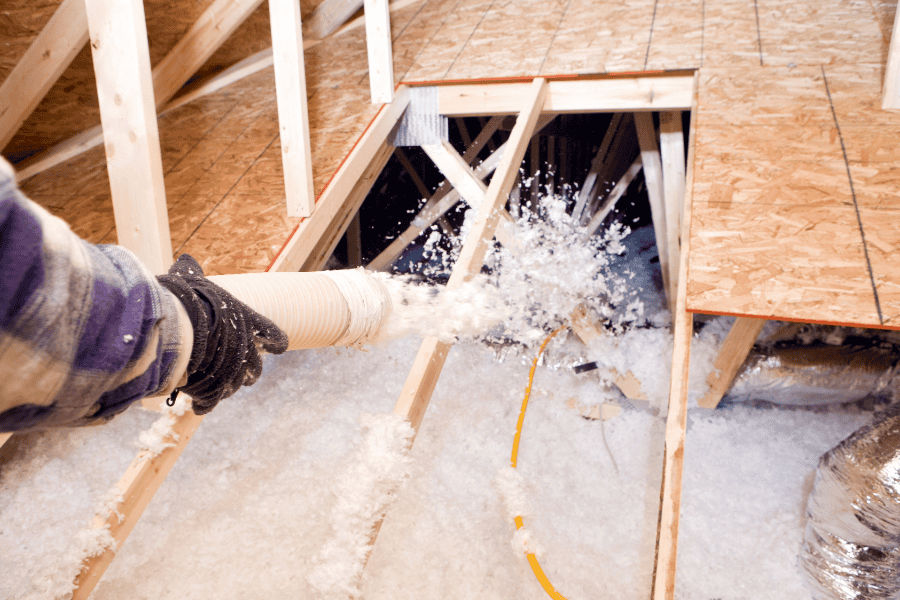
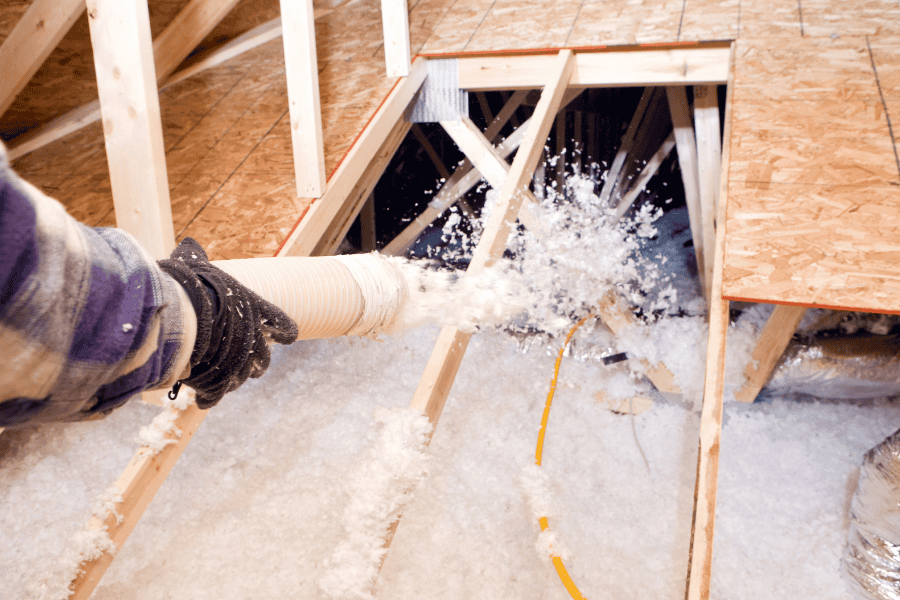
Blown-in insulation, as the name suggests, involves blowing loose insulation materials into your attic space using specialized equipment. Common materials include fiberglass, cellulose, or mineral wool. These small, lightweight particles settle into cracks, crevices, and hard-to-reach areas, creating a seamless insulating barrier.
How Blown-In Insulation Is Installed
The process of installing blown-in attic insulation is straightforward but requires professional equipment and expertise:
- Inspection and Preparation: A professional inspects your attic to ensure it’s free of pests, leaks, or structural issues. Old, damaged insulation may also need to be removed.
- Sealing Air Leaks: Before applying insulation, any gaps or holes are sealed to prevent air leaks that could compromise efficiency.
- Blowing in the Insulation: Using a high-powered blower, technicians distribute the insulation material evenly across the attic floor, covering all gaps and irregular spaces.
- Adjusting the R-Value: The R-value, which measures insulation’s resistance to heat flow, is adjusted by adding more material to meet your home’s specific needs.
How Does Blown-In Insulation Differ from Other Types?
When considering insulating an attic, homeowners often weigh the pros and cons of blown-in insulation versus other forms like batt or spray foam insulation. Here’s how blown-in insulation stands out:
- Coverage: Unlike batts or rolls, blown-in insulation fills every nook and cranny, making it ideal for irregularly shaped attics or spaces with obstacles.
- Installation Speed: Installing blown-in insulation is faster than placing batts or applying spray foam, making it a cost-effective choice for labor.
- Material Versatility: With options like cellulose (made from recycled materials) or fiberglass (resistant to mold and fire), you can choose a material tailored to your home’s needs.
The Benefits of Blown-In Attic Insulation
Now, let’s dive into the advantages of opting for blown-in insulation for your Georgia home:
1. Enhanced Energy Efficiency
One of the top reasons homeowners invest in insulation is to improve energy efficiency. By creating a tight seal in your attic, blown-in insulation reduces heat transfer, keeping your home cooler in summer and warmer in winter. This consistency helps your HVAC system work more efficiently, reducing wear and tear and cutting down on energy bills.
2. Cost-Effective Installation and Maintenance
When searching for attic insulation cost, blown-in options often come out ahead due to their quick installation time and minimal material waste. Additionally, the long-term savings on energy bills make it an investment that pays for itself over time.
3. Noise Reduction
Blown-in insulation not only keeps your home comfortable but also acts as a sound barrier. If you live near busy streets or noisy neighbors, the dense material can help reduce external noise, making your home a quieter, more peaceful place.
4. Improved Indoor Air Quality
High-quality blown-in insulation, particularly cellulose, can prevent dust, allergens, and pollutants from entering your home through the attic. This barrier is especially beneficial in Georgia, where pollen and humidity levels can exacerbate allergies and respiratory issues.
5. Long-Term Durability
Unlike batt insulation, which can sag or shift over time, blown-in insulation tends to stay in place. This stability ensures its effectiveness for the long term, minimizing the need for reinstallation or frequent maintenance.
6. Environmentally Friendly Options
Homeowners interested in sustainable solutions can choose cellulose blown-in insulation, which is made from recycled paper products. By opting for eco-friendly insulation materials, you’re reducing your carbon footprint while enjoying the same high-performance benefits.
Is Blown-In Insulation Right for Your Home?
If you’re considering attic insulation, blown-in insulation is a versatile solution that works well for most homes in Georgia. It’s particularly effective in:
- Older homes with irregular attic spaces.
- Homes looking to improve energy efficiency without major renovations.
- Properties needing quick, hassle-free insulation upgrades.
Factors to Consider for Attic Insulation Cost
The cost of blown-in insulation varies depending on several factors:
- Material Type: Fiberglass is typically more affordable, while cellulose and mineral wool may cost slightly more.
- Square Footage: Larger attics require more material and labor, increasing costs.
- R-Value Requirements: Higher R-values require more insulation, which can affect pricing.
- Existing Insulation: If old insulation needs to be removed, this adds to the cost.
While initial costs might seem high, the long-term savings on energy bills and improved comfort make it a worthwhile investment.
Why Choose Professional Installation?
Although some homeowners might consider DIY solutions, professional installation ensures your insulation is applied correctly and efficiently. Improper installation can lead to uneven coverage, air leaks, and reduced effectiveness. Professionals also have access to specialized equipment and can help you determine the best insulation materials for your specific needs.
Blown-in attic insulation is a practical, efficient, and cost-effective solution for Georgia homeowners. From reducing energy bills to improving indoor air quality and comfort, the benefits of this insulation method are hard to overlook.
If you’re ready to enhance your home’s energy efficiency and comfort, now is the perfect time to search for attic insulation near me. A professional pest control company offering insulation services can guide you through the process, ensuring your attic is properly insulated for the long term.
Contact a trusted insulation expert today to get an estimate on attic insulation cost and take the first step toward a more energy-efficient home.
Nov 22, 2024 | Insulation
Aug 30, 2024 | DIY Home Care, Insulation
When it comes to maintaining a comfortable and energy-efficient home in Georgia, attic insulation plays a crucial role. Proper attic insulation not only keeps your home cool in the summer and warm in the winter but also contributes to the overall health of your home. As a pest control company in Georgia, we understand that insulation is a key component in protecting your home from pests and other issues. In this blog, we’ll explore the benefits of attic insulation, the importance of energy efficiency, and how proper insulation can contribute to a healthier home environment.
Why Attic Insulation Matters
Attic insulation acts as a barrier between your living space and the outside environment, regulating temperature and preventing the exchange of heat. In Georgia’s diverse climate, where hot summers and mild winters are common, this regulation is essential for maintaining a comfortable indoor temperature year-round.
Energy Efficiency and Cost Savings
One of the most significant benefits of attic insulation is improved energy efficiency. Without adequate insulation, heat can easily escape during the winter or enter during the summer, causing your HVAC system to work harder to maintain a comfortable temperature. This increased workload leads to higher energy bills. By insulating your attic, you can reduce the amount of heat transfer, keeping your home cooler in the summer and warmer in the winter, ultimately lowering your energy costs.
Enhanced Comfort
Proper attic insulation ensures that your home maintains a consistent temperature throughout the year. This consistency not only contributes to energy efficiency but also enhances overall comfort. During the sweltering Georgia summers, a well-insulated attic can prevent excessive heat from entering your living spaces, allowing you to enjoy a cooler indoor environment. Similarly, in the winter, insulation helps retain heat, keeping your home warm and cozy.
Pest Control and Prevention
Attic insulation also plays a vital role in pest control. Pests such as rodents, insects, and birds often seek shelter in attics, especially during extreme weather conditions. Poorly insulated attics can provide easy entry points and nesting areas for these pests. By ensuring proper insulation, you can seal gaps and cracks that pests use to enter your home. Additionally, some insulation materials, like spray foam, can act as a deterrent to pests, making it less likely for them to infiltrate your attic.
Moisture Control
Moisture can be a significant issue in homes, leading to mold growth and structural damage. In Georgia, where humidity levels can be high, attic insulation can help control moisture levels in your home. Insulation acts as a barrier, preventing moisture from seeping into your living spaces. This not only protects your home’s structural integrity but also improves indoor air quality by reducing the risk of mold and mildew growth.
Soundproofing
Another advantage of attic insulation is its ability to soundproof your home. Insulation materials can absorb sound, reducing the transmission of noise from the outside and between rooms. This is particularly beneficial if you live in a noisy neighborhood or near busy roads. A quieter home environment contributes to a more peaceful and relaxing living space.
How to Insulate an Attic
Proper attic insulation requires selecting the right materials and ensuring they are installed correctly. There are several types of insulation materials available, each with its own benefits:
- Fiberglass Batts: These are pre-cut panels of insulation made from fine glass fibers. They are easy to install and provide good thermal protection.
- Spray Foam: This insulation expands upon application, filling gaps and sealing cracks effectively. It provides excellent thermal resistance and acts as a pest deterrent.
- Blown-In Insulation: Made from materials like cellulose or fiberglass, this type of insulation is blown into place, making it ideal for covering irregularly shaped areas.
When insulating your attic, it’s essential to consider the R-value, which measures the insulation’s thermal resistance. The higher the R-value, the better the insulation’s effectiveness. In Georgia, it’s recommended to have an R-value of R-30 to R-60, depending on your home’s specific needs.
Attic insulation is more than just a way to keep your home comfortable; it’s an investment in your home’s overall health and energy efficiency. By properly insulating your attic, you can enjoy lower energy bills, enhanced comfort, and protection against pests and moisture. As a pest control company in Georgia, we encourage homeowners to prioritize attic insulation as part of their home maintenance routine. Not only will it improve your home’s energy efficiency, but it will also contribute to a healthier and more comfortable living environment.
Aug 22, 2024 | Florida Insulation
As a Florida homeowner, you know that frequent home repairs and utility bills can become costly. Summers in Florida will not only bring in unwanted pests that threaten your home, but they can also welcome an increase of energy bills with an HVAC system working overtime to cool your house. Attic insulation can be a major benefit in both saving money and a healthy home overall. Let’s review the benefits of Florida attic insulation.
Benefits of Attic Insulation in Florida
- Consistent temperatures: Installed attic insulation will create pockets that slow heat or cold air from flowing through your home, helping with uneven temperatures.
- Lower utility bills: Your HVAC won’t need to work as hard to maintain a comfortable temperature inside, creating less energy consumption and lowering your HVAC bills by 30 percent!
- Noise control: Insulation can act as a sound barrier and reduce the outside noise and create a quieter indoor environment.
- Safe home structure: Insulation can protect your home from damage caused by heat and moisture.
- Better indoor air quality: Poor insulation can allow dust, dirt, fungus, and mildew to enter your home; with newly installed insulation, you can avoid these dangers!
- Pest protection: Many insulations installed in homes are treated with borates, which can act as a natural deterrent against common household pests like ants, roaches, and silverfish.
If you’re ready to replace your attic insulation, call a pest control company near you to get a free quote!