READY TO GET STARTED?
REQUEST A FREE ESTIMATE
Fill out the form below or call (888) 466-7849 for a free, no-obligation estimate.

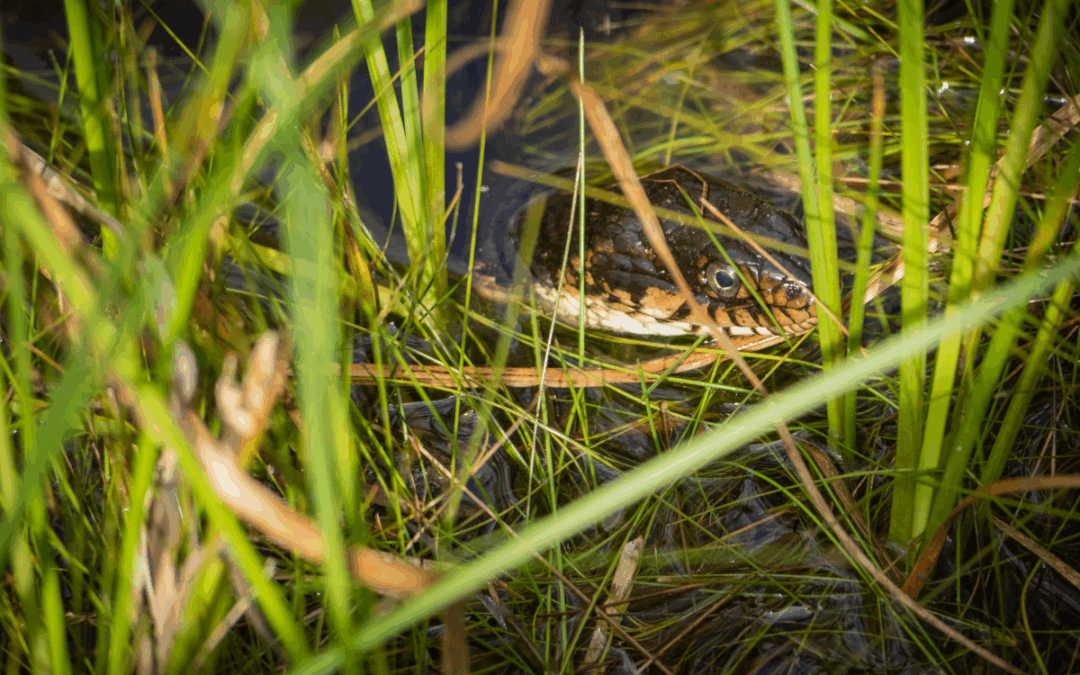
Florida’s warm climate and diverse ecosystems create habitats for over 46 snake species, making encounters a normal part of life. While most are harmless, six venomous species live here, making it important to know which ones pose risks and how to identify them. Education, prevention, and knowing how to respond are key. By understanding snake behavior, recognizing warning signs, and using proven prevention strategies, you can protect your family from Florida snakes while respecting these important members of Florida’s ecosystem.
Florida’s largest venomous snake can grow up to eight feet. Recognizable by diamond-shaped patterns and a rattling tail, they inhabit pine flatwoods, scrub areas, and coastal regions. Their venom is powerful, but these snakes usually avoid people unless threatened.
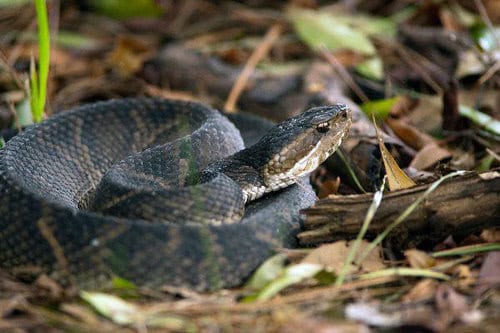
Often found in swamps, marshes, and lakeshores, cottonmouths have dark bodies and a white mouth interior. Unlike many snakes, they may hold their ground when approached. Their venom can cause significant tissue damage.
Coral snakes have bright red, yellow, and black bands. Remember: red touches yellow, kills a fellow to distinguish them from non-venomous lookalikes. Secretive by nature, they prefer sandy soils and wooded areas. Their venom affects the nervous system.
Found in northern Florida, copperheads have copper-colored bodies with hourglass-shaped crossbands. While their venom is rarely fatal with treatment, it can cause pain and swelling.
Timber rattlesnakes live in northern forests, while pygmies are found statewide. Both have rattles, though pygmy rattles are faint. Venom can cause serious complications without treatment.
Wetlands, pine flatwoods, scrub areas, and hardwood hammocks provide shelter for many species. Cottonmouths thrive near water, while coral snakes prefer sandy or wooded areas.
Yards with ponds, irrigation systems, or dense vegetation can attract snakes and their prey. Brush piles, woodpiles, and overgrown plants provide ideal hiding spots. Garages, sheds, and crawl spaces also offer shelter.
Venomous snakes may have triangular heads, vertical pupils, and heat-sensing pits, though these traits can be misleading. Instead, learn the distinct patterns and colors of dangerous species.
Rattlesnakes shake their tails to warn intruders, cottonmouths show their white mouths, and most snakes retreat if given the chance. Striking is typically a last resort.
Keep grass trimmed, remove brush piles, and maintain a clear perimeter around the home. This reduces shelter for both snakes and the small animals they hunt.
Seal gaps under doors, cracks in foundations, and utility entry points. Use hardware cloth barriers under porches or decks. Fix leaks and eliminate standing water to discourage both snakes and their prey.
Stay calm and slowly back away. Never try to catch or kill a venomous species. Give it space to escape.
Call 911 or go to the nearest emergency room immediately. Never attempt to capture the snake, as this is unnecessary and could result in another bite. Remove jewelry and tight clothing from the affected area, and keep the person as still as possible until help arrives.
Florida’s snakes play a vital role in controlling pests and maintaining ecological balance. Learning how to identify species, modify your property, and respond appropriately will help you coexist with these reptiles. If you’re unsure whether a snake is venomous or how to handle an encounter, a trained snake removal expert can provide proper identification and humane removal. Contact us today for a free snake removal quote!
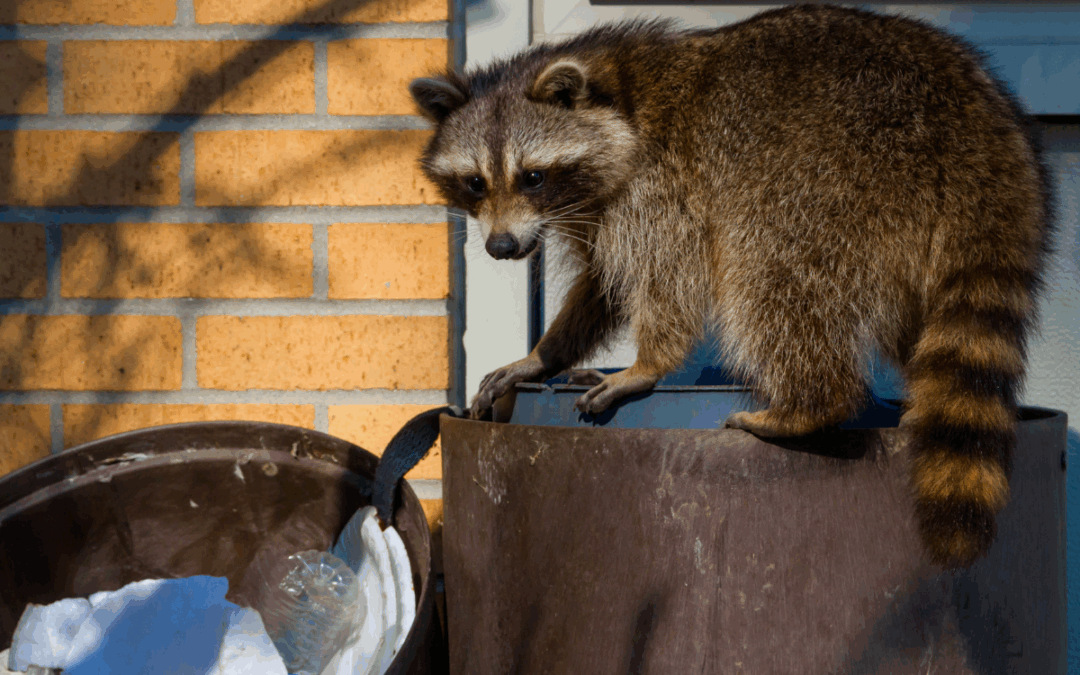
Atlanta’s heat and humidity don’t just bring out the bugs—they also drive wildlife indoors. During August, attics become a popular hideout for animals escaping the heat. While it may seem minor at first, these attic invaders can cause serious damage and health concerns for homeowners. Here are three common attic invaders in the Atlanta area, what attracts them, and how to keep them out.
Squirrels are agile climbers and often enter attics through roof gaps, vents, or loose shingles. During hot months, they look for shaded, quiet areas to build nests.
Chewed wires and wood, increasing fire risk and structural damage
Nests made with attic insulation, leading to reduced energy efficiency
Droppings that create odors and spread bacteria
Raccoons are persistent and strong. They can tear through soffits or siding to get into attics, especially when looking for shelter or food.
Bats can squeeze through cracks as small as 3/8 inch and often roost in attics to raise their young.
A proactive approach can help reduce the chance of animals entering your attic:
If animals have moved into your attic, it’s best to bring in trained professionals. Wildlife can be unpredictable, and improper handling can lead to further damage—or violations of federal wildlife laws.
Squirrels, raccoons, and bats can all find their way into Atlanta homes during the summer. With the right steps and support, you can keep wildlife out and maintain the comfort of your home.
Reach out to a trusted local wildlife control team to inspect, remove, and help prevent future problems.
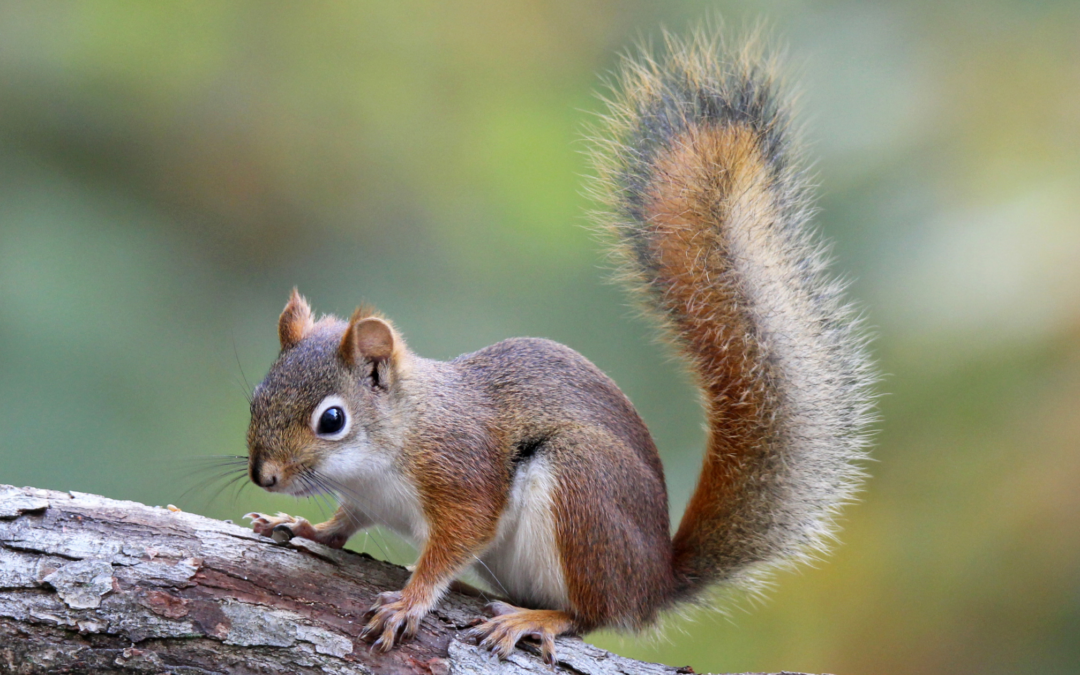
As temperatures drop in Georgia, wild animals, particularly squirrels, begin seeking shelter from the cold. While their playful antics can be enjoyable to watch in your yard, squirrels can quickly turn into a wildlife problem when they invade your home. Understanding why squirrels become problematic in the winter, how they gain access to your home, and wildlife control methods you can use to eliminate them can help you stay one step ahead of these resourceful rodents.
Squirrels are among the most active wild animals during winter, despite the cold. Unlike hibernating species, they remain awake and spend much of their time foraging for food and securing warm places to nest. Unfortunately, this often leads them to target homes as their winter havens.
When squirrels enter your home, they can cause significant damage, including:
Squirrels can reproduce quickly, and what begins as a small wildlife problem can escalate into a major nuisance wildlife control challenge if not addressed promptly.
Squirrels are agile climbers and excellent chewers, making it easy for them to find entry points into your home. Common ways they gain access include:
Once inside, they quickly make themselves at home, chewing and nesting in attics, crawlspaces, and even walls.
Stopping a squirrel infestation before it starts is key to avoiding costly damage. Here are some effective prevention tips:
While DIY methods may seem appealing, handling wild animals can be dangerous and ineffective if not done properly. A professional wildlife control company has the tools, experience, and knowledge to:
If you’re searching for “wildlife control near me” in Georgia, look no further than a trusted local wildlife control service. Protect your home and family from the risks of squirrels and other wild animals this winter by enlisting the help of experienced professionals.
Don’t let squirrels make your home their winter retreat. Contact a professional wildlife control company today to schedule an inspection and ensure your home stays safe and secure all season long.
Florida, known for its sunny beaches and bustling theme parks, is also home to a vibrant array of wildlife. Among these creatures are the snakes that thrive in the state’s warm climate. Understanding and navigating the snake season in Florida is crucial for homeowners and business owners. In this guide, we will explore the ins and outs of snake season, highlight common species, and offer practical advice on how to safely coexist with these fascinating reptiles.
Snake season in Florida refers to the period when snakes are most active. This typically aligns with the warmer months, from April through October. During these times, snakes come out of hibernation to hunt, mate, and bask in the sun. The peak of this activity often occurs in the summer when temperatures are at their highest. Understanding this timeframe is essential for anyone living or working in Florida, as it helps anticipate and prepare for potential snake encounters.
Knowing when snake season starts and peaks can significantly impact how residents and businesses prepare. The increase in snake activity means that more encounters are likely, especially in areas close to natural habitats. Being informed can help homeowners secure their properties and businesses implement safety measures to protect their premises.
The Eastern Diamondback Rattlesnake, one of the most iconic snakes in Florida, is easily recognizable by its distinctive diamond pattern. This venomous species prefers dry, sandy, and mixed forest habitats. Awareness of its presence and behavior is vital, as its bite can be dangerous.
Eastern diamondbacks are generally shy and prefer to avoid human contact. However, they are known to defend themselves vigorously if threatened. Recognizing their distinctive rattle and understanding their preferred environments can help minimize the risk of encounters.
Also known as the cottonmouth, the water moccasin is another venomous snake commonly found in Florida. This species thrives in wetland areas, such as swamps and lakes. Known for its aggressive defensive behavior, the Water Moccasin can be identified by its thick body and a distinctive white mouth.
Water moccasins often bask near water and can be found swimming across ponds and streams. They are known for their potent venom but are generally non-aggressive unless provoked. Understanding their habits and habitats can help reduce the chance of an unpleasant encounter.
Florida is also home to a variety of non-venomous snakes, including the black racer and the corn snake. These species play a crucial role in controlling pest populations and maintaining ecological balance. While non-venomous, they can still startle unsuspecting individuals.
Non-venomous snakes often adapt well to urban environments and can be found in gardens, parks, and even residential areas. Recognizing the beneficial role they play can encourage coexistence and reduce unnecessary fear.
Weather significantly influences snake behavior. Warmer temperatures increase their activity levels as they seek out food and mates. Conversely, during cooler months, many snake species become less active, often entering a state of brumation, similar to hibernation.
Understanding these patterns can help predict when snakes are more likely to be encountered. For example, after a rainstorm, snakes may be more active as they hunt and explore.
The environment plays a crucial role in snake behavior. Factors such as habitat availability, food sources, and human encroachment affect where and when snakes are active. Urban development can sometimes force snakes closer to human dwellings as they search for food and shelter.
Being aware of these factors allows for better preparation and management of snake encounters. Simple measures like keeping yards tidy and securing food waste can significantly reduce the attraction for snakes.
Homeowners can take several steps to minimize snake encounters. Regularly mowing the lawn, trimming bushes, and removing debris can eliminate places for snakes to hide. It’s also wise to seal any gaps in buildings to prevent snakes from entering homes.
Educating family members about common snake species and what to do if one is spotted can further ensure safety. The use of snake repellents and maintaining clear paths around the property can also deter snakes from venturing too close.
Businesses, especially those with outdoor areas, should implement measures to prevent snake encounters. Regular inspections and maintenance of outdoor spaces can help identify potential snake habitats. Providing staff training on snake awareness and response can also enhance safety.
For businesses dealing with food, ensuring proper waste management practices prevent attracting rodents—a primary food source for many snakes. Installing fencing and signage can help keep both customers and wildlife safe.
Pest control professionals play a critical role during snake season. Armed with the knowledge and skills to handle various snake species, they provide essential services such as inspections, snake-proofing, removal of unwanted snakes, and repellant services.
These professionals can offer tailored solutions based on specific needs, ensuring that homes and businesses remain safe and snake-free. Their expertise is invaluable in creating long-term strategies for managing snake activity.
Pest control services often include preventive measures, identifying potential snake habitats, and advising on property modifications. They can also engage in direct snake removal, ensuring humane handling of these creatures.
Providing educational resources and support, pest control professionals act as a vital bridge between humans and nature, promoting coexistence and protection.
Understanding snake season in Florida and how to coexist with these fascinating creatures is vital for residents, businesses, and pest control professionals. By recognizing common snake species, their behavior, and taking proactive measures, we can safely share our beautiful state with them.
For further guidance, consider consulting with local pest control experts who can provide tailored advice and support.
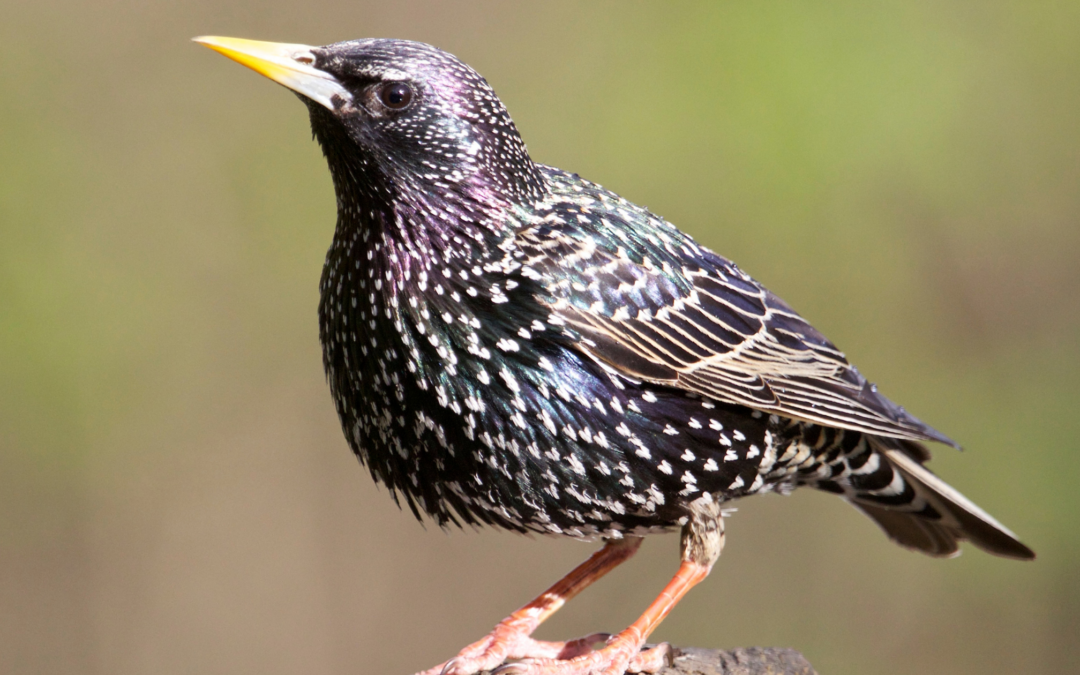
When it comes to pest control, most homeowners think of rodents, insects, or larger wildlife. However, one species of bird, the starling, can cause significant problems for property owners in Georgia. With their large flocks, destructive habits, and invasive nature, starlings have become a nuisance in both urban and rural areas. This blog will explore what starlings are, how to identify them, why they are considered a nuisance, and effective and legal ways to manage their presence around your home.
Starlings, specifically the European starling (Sturnus vulgaris), are small to medium-sized birds that were introduced to North America in the late 19th century. A group of bird enthusiasts, inspired by William Shakespeare’s references to the starling, released 100 of these birds in Central Park, New York, in 1890. What followed was an ecological domino effect that resulted in the species spreading across the entire continent. Today, starlings are classified as an invasive species in the U.S., meaning they compete with native birds and wildlife for resources, often to the detriment of local ecosystems.
Starlings are distinctive birds, making them relatively easy to identify. They have short tails, pointed yellow beaks, and glossy black feathers that shimmer with hints of purple and green in the sunlight. During the winter months, their feathers are speckled with white spots, adding to their recognizable appearance.
They are often seen in large flocks, especially during their breeding season in the spring and early summer. They are incredibly vocal, known for their variety of chirps, whistles, and even mimicking other birds and sounds. If you notice large groups of noisy black birds swarming your yard, you’re likely dealing with these nuisance birds.
Starlings are more than just noisy birds—they can cause significant issues for homeowners and the environment. Here’s why:
Starlings are omnivorous, meaning they eat both plant and animal matter. Their diet includes insects, earthworms, fruits, seeds, and grains. In urban areas, starlings often scavenge for leftover human food, adding to their reputation as a nuisance in populated areas. During the breeding season, their diet shifts to more protein-rich foods like insects, which they feed to their chicks. Their adaptability in diet allows them to thrive in various habitats, from urban areas to farmlands, making them difficult to control.
Given their ability to form large flocks and cause property damage, controlling starling populations can be challenging. Here are some effective and legal methods to reduce starling activity around your home:
The most effective way to deal with starlings is to prevent them from entering your property in the first place. Sealing off vents, chimneys, and other potential nesting sites can stop starlings from setting up nests in your home. Installing bird netting around high-traffic areas such as attics and eaves can deter them from gaining access.
Starlings are known to avoid certain visual and auditory deterrents. Hanging reflective objects like aluminum foil strips or installing bird spikes on ledges can make your home less appealing. You can also use sound machines that play predator calls or distress signals to scare starlings away.
Starlings are opportunistic feeders. Removing easy access to food by securing garbage cans, picking up fallen fruits, and using bird feeders designed to exclude starlings can reduce their presence in your yard.
For more extensive infestations, contacting a wildlife control company that specializes in bird control may be necessary. These professionals can implement more advanced strategies such as trapping or relocating starlings. In some cases, they may even use chemical repellents that are safe for both the birds and your family.
It’s important to note that while starlings are invasive, they are still protected under some federal laws. The Migratory Bird Treaty Act (MBTA), passed in 1918, protects many bird species from being hunted or harmed without a proper permit. However, starlings, along with other invasive species like pigeons and house sparrows, are not afforded the same protections under this law. This means that homeowners and wildlife services can legally take action to reduce starling populations on their property, as long as it is done humanely and within local regulations.
During the breeding season, starlings are especially active as they search for food and nesting sites. This is the time when large flocks can form, and their presence can become overwhelming for homeowners. It’s crucial to take preventive measures before the breeding season begins in the spring. By sealing entry points and removing food sources early, you can prevent starlings from making your home their nesting site.
Starlings, with their adaptability and invasive nature, can pose significant challenges for Georgia homeowners. Their large flocks, property damage, and competition with native species make them a nuisance that requires proactive control methods. By identifying these birds early and implementing exclusion and deterrent strategies, you can reduce the likelihood of a starling infestation. If your starling problem persists, contacting a professional wildlife control company that specializes in bird control can ensure the issue is managed legally and effectively.
Whether you’re dealing with starling flocks or preventing them from nesting in your home, understanding these nuisance birds and taking swift action is key to protecting your property and local wildlife.