READY TO GET STARTED?
REQUEST A FREE ESTIMATE
Fill out the form below or call (888) 466-7849 for a free, no-obligation estimate.

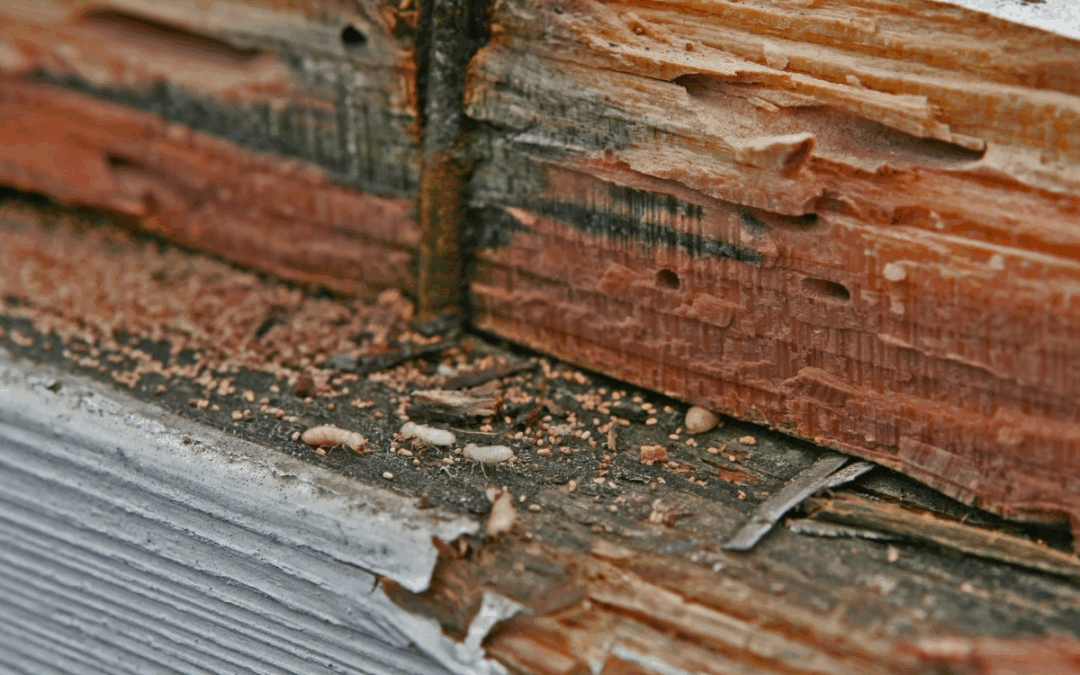
As winter arrives in Homewood, Alabama, many homeowners believe that pest activity comes to a halt. While colder temperatures do slow down many insects, termites are a relentless exception. The assumption that termites go dormant during the winter can lead to a false sense of security, leaving your property vulnerable to continuous, hidden damage. Understanding that termite season never truly ends in Alabama is crucial for protecting your most significant investment. Even in December, these wood-destroying insects remain active, foraging for food and expanding their colonies. This guide explains why termites persist through the cooler months and what preventative measures for termite control you can take to defend your Homewood home.
Unlike other regions with harsh winters, Homewood’s climate is mild enough to support year-round termite activity. Subterranean termites, the most prevalent species in Alabama, are particularly well-adapted to survive cooler temperatures.
Subterranean termites build their colonies deep in the soil, which acts as natural insulation against surface temperature fluctuations. While the air may be chilly, the ground remains warm enough for the colony to continue its daily functions without interruption. The queen continues to lay eggs, and worker termites venture out in search of food.
Termites are in constant search of cellulose, which is found in wood. Your home’s structure provides an ideal, climate-controlled environment with an abundant food supply. Once termites establish a path into your house, they are shielded from the outdoor elements and can continue their destructive feeding habits 24/7, regardless of the season.
Because termite damage occurs out of sight, infestation can progress for months or even years before being discovered. This silent destruction is what makes termites such a significant threat to homeowners.
Termites consume wood from the inside out, hollowing support beams, floor joists, and wall studs. Over time, this can weaken your home’s structure, leading to serious issues like sagging floors, warped ceilings, and compromised foundations. These repairs can be extensive and are typically not covered by standard homeowners’ insurance policies.
Believing that termites are inactive in December can cause homeowners to dismiss potential warning signs, such as mud tubes on the foundation or wood that sound hollow when tapped. This delay allows the colony to grow and cause more significant damage, turning a manageable issue into a major structural problem.
Proactive prevention is the most effective approach to termite management. By making your property less attractive to these pests, you can create a powerful defense for your home.
Termites depend on moisture to survive. Eliminating excess water is a critical step in any termite control plan.
Direct contact between wood and the ground creates an easy pathway for termites to enter your home.
While these preventative tips are beneficial, the most reliable method for identifying and managing a termite threat is through a professional inspection. The winter months are an excellent time to schedule this service, as it allows you to address any vulnerabilities before the peak swarm season in spring.
A certified termite control specialist can perform a detailed inspection of your property, identify signs of termite activity you might miss, and recommend a customized treatment and prevention plan. For professional termite control services in Homewood, AL, contact an expert to ensure your home is protected throughout the year.
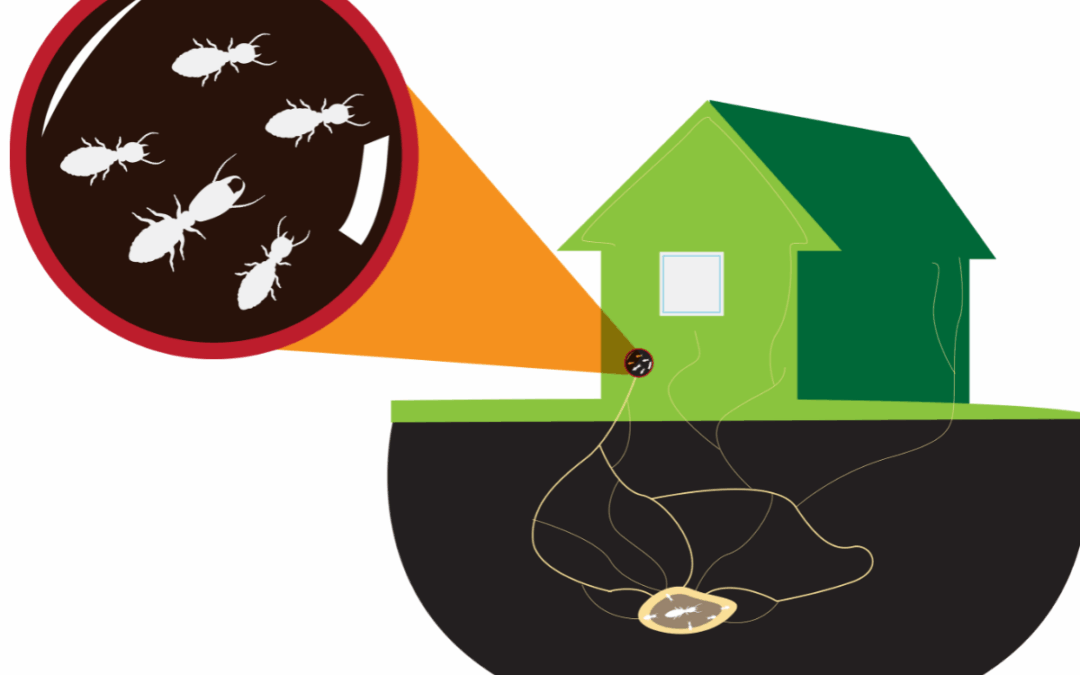
December in Naples brings beautiful weather and festive holiday preparations. While many people believe that pests become less of a concern during the cooler months, termites are one threat that never takes a day off. Florida’s mild climate allows these destructive insects to remain active year-round, silently putting your property at risk even as you decorate for the holidays. For homeowners, understanding that termites don’t hibernate is crucial for protecting your most valuable asset. The arrival of winter does not mean your home is out of danger. This guide will explain why termite activity persists in December and outline the essential defensive strategies you can implement to protect your Naples home.
Unlike in colder climates where insects die off or go dormant, the subtropical environment of Naples provides ideal conditions for termites to thrive throughout the year. Subterranean termites, the most common type in this region, build their colonies deep underground where they are insulated from minor temperature fluctuations.
The soil in South Florida remains warm and moist enough for termites to continue foraging, feeding, and expanding their colonies. They are not exposed to the harsh freezes that would force them into inactivity. Your home’s structure provides a consistent, climate-controlled environment, offering them a perfect place to find food and shelter from any slight temperature drops.
Termites feed on cellulose, the primary component of wood. Your home’s wooden framework, from the foundation to the roof trusses, represents an endless buffet. Because their food source is readily available and protected from the elements, their destructive habits continue unabated through every season.
A termite infestation is one of the most significant threats a homeowner can face. The damage they cause is often gradual and hidden from view, making it difficult to detect until it becomes severe.
Termites eat wood from the inside out, hollowing out support beams, floor joists, and wall studs. Over time, this can compromise the structural integrity of your home, leading to sagging floors, warped walls, and weakened foundations. This damage can be incredibly expensive to repair and is typically not covered by homeowner’s insurance.
Because termites operate behind walls and underground, an infestation can go unnoticed for years. By the time visible signs appear—such as mud tubes on the foundation, discarded wings, or wood that sounds hollow when tapped—extensive damage may have already occurred.
The most effective way to combat termites is through prevention. By making your home less appealing to these pests, you can significantly reduce the risk of an infestation.
Termites require moisture to survive. Reducing excess water around your property is a critical step in termite defense.
Termites can easily access your home through any wood that touches the ground.
Even small openings can provide termites with access to your home.
While these preventative measures are helpful, the only certain way to identify and manage a termite problem is with professional assistance. If you have not had a recent termite inspection, December is an excellent time to schedule one.
A trained pest control expert can conduct a thorough inspection of your property to detect any signs of termite activity. They can identify vulnerabilities and recommend a tailored prevention and treatment plan to address your home’s specific needs. Contact a professional termite control service today to schedule an inspection and ensure your Naples home is protected from termites this holiday season and beyond.
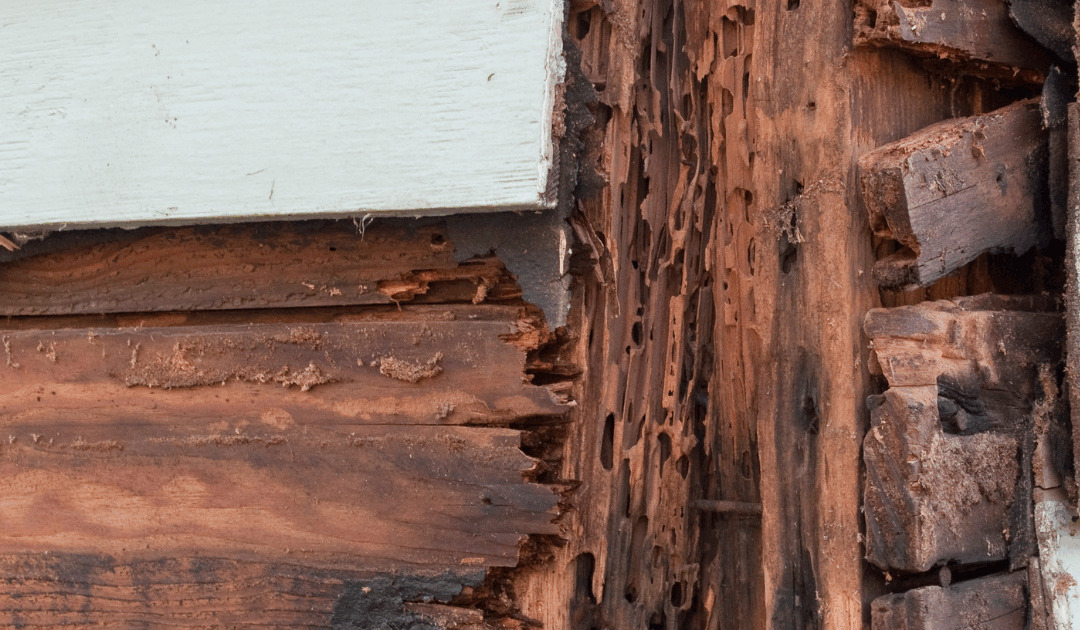
For homeowners in Broward County, the idyllic fall weather doesn’t mean termites take a break. Florida’s warm, humid climate allows these silent destroyers to remain active year-round. October is a key time for vigilance, as certain termite species continue their work, threatening the structural integrity of your home. Understanding the threat and recognizing early signs can save thousands in repairs. This guide covers why termites are a persistent problem in the fall and what steps you can take to protect your property through termite control solutions.
Unlike regions with cold winters, Broward’s subtropical climate provides constant warmth and moisture. Species like Formosan and Asian subterranean termites thrive year-round. While swarming is more common in spring, colonies continuously forage for cellulose, keeping your home at risk even in October.
Termites consume wood from the inside out, often leaving the exterior intact until damage is severe. Infestations can go unnoticed for years, weakening foundations, support beams, and walls. By the time damage is visible, repairs can be extensive and costly.
Subterranean termites build pencil-sized tunnels from soil, wood, and saliva. These “mud tubes” serve as protected pathways from underground colonies into your home. Inspect foundations, crawl spaces, and interior walls.
After mating, reproductive termites shed wings that resemble tiny, translucent fish scales. Check windowsills, doorways, and spiderwebs for these telltale signs.
Tap on baseboards, door frames, and exposed beams. Wood that sounds hollow or feels papery may be compromised. Bubbling paint or darkened wood can also indicate termite activity.
Termites are attracted to water. Check and repair leaky pipes, faucets, and AC units. Keep gutters clean and downspouts directing water away from your home’s foundation.
Direct wood-to-ground contact gives termites an easy entry point. Store firewood, lumber, and cellulose debris at least 20 feet from your home and raised off the ground. Maintain a clear gap between mulch or soil and siding.
Termite prevention requires year-round diligence, from controlling moisture and removing wood debris to monitoring signs like mud tubes and discarded wings. Even with the best precautions, an established infestation requires a professional approach to ensure complete colony elimination. If you notice any signs of termites or want to strengthen your defenses, a certified pest control expert can provide a thorough inspection and a targeted termite control plan.
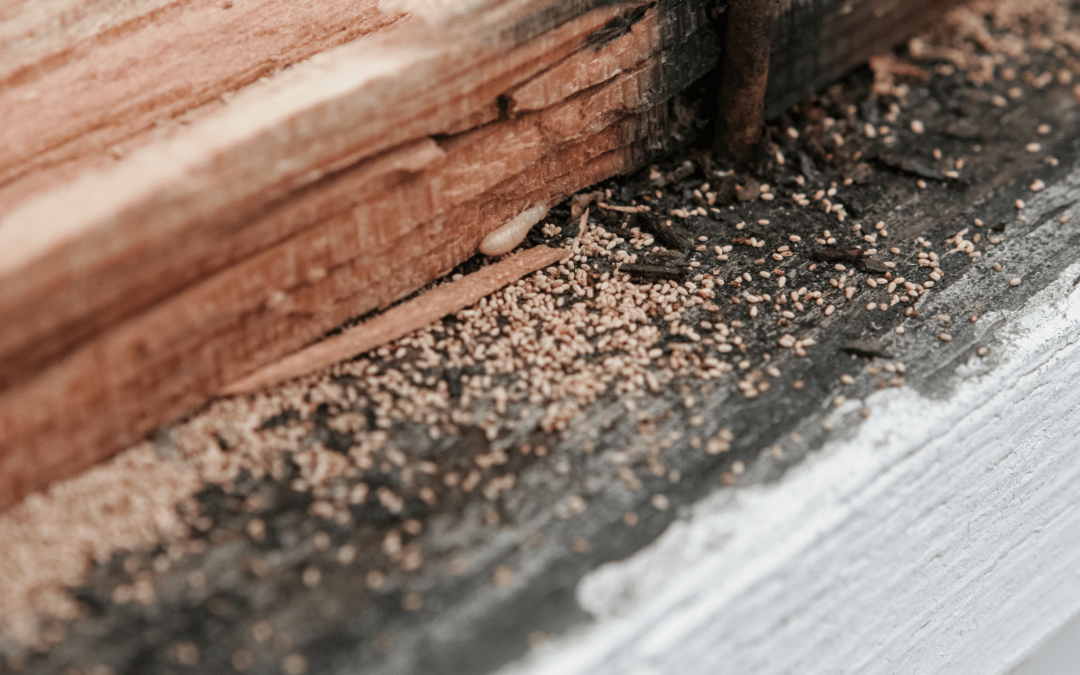
Termites are among the most destructive pests that can invade your home, often causing extensive damage before being noticed. Regular termite inspections by professionals are crucial to protect your property. If you’re searching for “termite inspectors near me,” this guide will help you understand what to expect during an inspection and how to keep termites at bay.
Yes, termite inspectors often examine the interior and exterior of your home. While termites can cause visible damage outside, their most devastating effects occur within walls, ceilings, and other structural elements, making it necessary to inspect inside. Inspectors will check basements, crawl spaces, and attics, as these areas are prone to termite activity.
If termites are detected, your pest control company may recommend the following treatments:
The cost of a termite inspection varies based on factors such as your home’s size and location. Many pest control companies offer free inspections or bundle the cost with treatment plans. Be sure to inquire about pricing when scheduling.
Termite infestations can be devastating, but routine inspections by qualified termite inspectors ensure your property stays safe. If you’re worried about “termite infestation” or “termite damage,” don’t wait until the problem worsens. Contact a reliable pest control company to inspect your home and provide effective solutions.
For trusted termite control services in Georgia, request an inspection today!
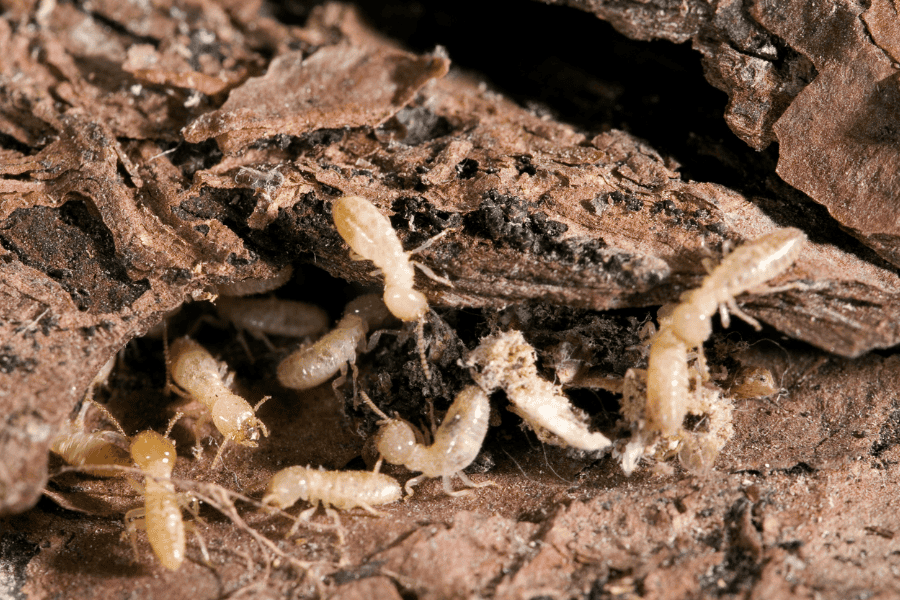
Termites, sometimes called the “silent destroyers”, will cause considerable damage to your Auburn home if left unchecked. In Alabama, subterranean termites are most common, and these tiny insects thrive in the warm, humid climate that we deal with, making termite prevention a crucial part of maintaining your household. Here’s an easy guide on what you need to know to protect your home from termites.
Termites can cause extensive damage to wooden structures, often going unnoticed until significant harm is done. These pests chew through wood, flooring, and even wallpaper, compromising the structural integrity of your home. Repairing termite damage can be costly and time-consuming, which is why prevention is key.
Recognizing the early signs of a termite invasion can help you act before too much damage occurs. Here are a few indicators to watch for:
Early detection of termite damage can save you from more extensive repairs. Look for:
Preventing termites involves proactive measures to make your home less inviting to these pests. Here are some effective strategies:
In Auburn, the warm climate is conducive to termite activity year-round. Local regulations may influence the use of certain treatments, particularly chemical solutions. Consulting with a local pest control professional ensures that you follow guidelines and use the most effective treatments for your home.
Termites may be small, but their potential for damage is enormous. By staying vigilant and implementing preventive measures, you can protect your Auburn home and maintain its value. If you have noticed termite activity or signs at your home, call a pest control company near you as soon as possible. These professionals will provide you with the best plan of action for termite control in order to eliminate and prevent them in the future.