Homewood AL Termite Control in Winter: Are Termites Active in December?
As winter arrives in Homewood, Alabama, many homeowners believe that pest activity comes to a halt. While colder temperatures do slow down many insects, termites are a relentless exception. The assumption that termites go dormant during the winter can lead to a false sense of security, leaving your property vulnerable to continuous, hidden damage. Understanding that termite season never truly ends in Alabama is crucial for protecting your most significant investment. Even in December, these wood-destroying insects remain active, foraging for food and expanding their colonies. This guide explains why termites persist through the cooler months and what preventative measures for termite control you can take to defend your Homewood home.
Termite Activity in Cooler Weather
Unlike other regions with harsh winters, Homewood’s climate is mild enough to support year-round termite activity. Subterranean termites, the most prevalent species in Alabama, are particularly well-adapted to survive cooler temperatures.
Underground Colonies Provide Insulation
Subterranean termites build their colonies deep in the soil, which acts as natural insulation against surface temperature fluctuations. While the air may be chilly, the ground remains warm enough for the colony to continue its daily functions without interruption. The queen continues to lay eggs, and worker termites venture out in search of food.
Your Home Offers the Perfect Shelter
Termites are in constant search of cellulose, which is found in wood. Your home’s structure provides an ideal, climate-controlled environment with an abundant food supply. Once termites establish a path into your house, they are shielded from the outdoor elements and can continue their destructive feeding habits 24/7, regardless of the season.
The Unseen Risks of a Winter Infestation
Because termite damage occurs out of sight, infestation can progress for months or even years before being discovered. This silent destruction is what makes termites such a significant threat to homeowners.
Compromised Structural Integrity
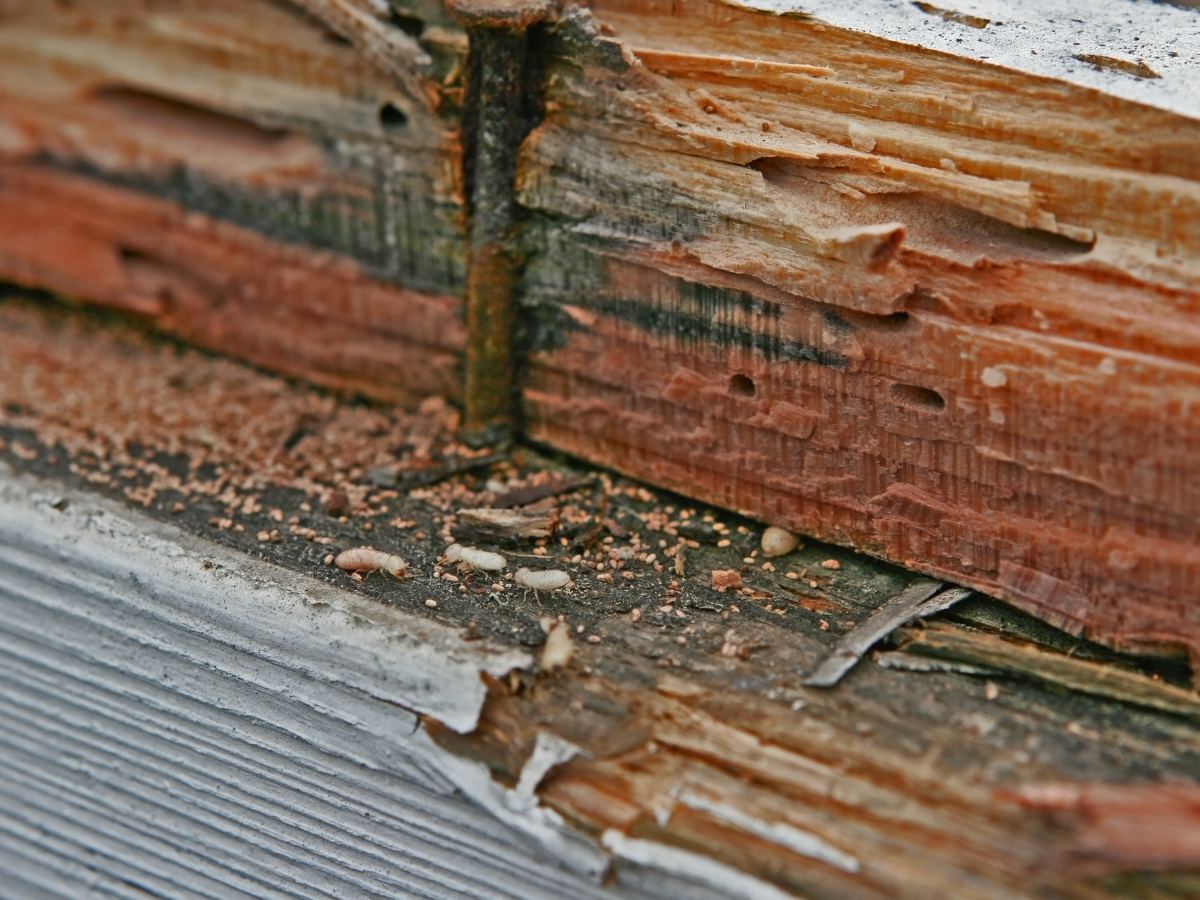
Termites consume wood from the inside out, hollowing support beams, floor joists, and wall studs. Over time, this can weaken your home’s structure, leading to serious issues like sagging floors, warped ceilings, and compromised foundations. These repairs can be extensive and are typically not covered by standard homeowners’ insurance policies.
The Myth of Winter Inactivity
Believing that termites are inactive in December can cause homeowners to dismiss potential warning signs, such as mud tubes on the foundation or wood that sound hollow when tapped. This delay allows the colony to grow and cause more significant damage, turning a manageable issue into a major structural problem.
Effective Winter Termite Control Strategies
Proactive prevention is the most effective approach to termite management. By making your property less attractive to these pests, you can create a powerful defense for your home.
Reduce Moisture Around Your Property
Termites depend on moisture to survive. Eliminating excess water is a critical step in any termite control plan.
- Repair any leaky faucets, AC units, and pipes promptly.
- Ensure your gutters and downspouts are clear of debris and direct water away from the foundation.
- Check that the soil grade around your house slopes downward to prevent water from pooling.
Eliminate Wood-to-Ground Contact
Direct contact between wood and the ground creates an easy pathway for termites to enter your home.
- Keep firewood, lumber, and other cellulose-based debris stacked on a raised platform at least 20 feet from your house.
- Maintain a gap of several inches between mulch or landscaping and your home’s foundation.
- Trim back tree limbs and shrubs so they do not touch the siding or roof.
Professional Termite Protection for Your Homewood Home
While these preventative tips are beneficial, the most reliable method for identifying and managing a termite threat is through a professional inspection. The winter months are an excellent time to schedule this service, as it allows you to address any vulnerabilities before the peak swarm season in spring.
A certified termite control specialist can perform a detailed inspection of your property, identify signs of termite activity you might miss, and recommend a customized treatment and prevention plan. For professional termite control services in Homewood, AL, contact an expert to ensure your home is protected throughout the year.
Categories
- Bed Bug
- Blog
- Commercial
- Commercial Pest Control
- Community News
- Community/Events
- Community/Events
- Company News
- CrawlSpace
- DIY
- DIY Home Care
- DIY Mosquito Control
- DIY Pest Control
- DIY Wildlife Prevention
- Dr. Goo's Corner
- Fire Ant
- Florida Crawlspace
- Florida Green Pest Control
- Florida Insulation
- Florida Mosquito Control
- Florida Pest Control
- Florida Snake Control
- Florida Termite Control
- Going Green
- Good Deed Team
- Green Commercial Pest Control
- HealthySpace
- In2Care
- Insulation
- LeafProof
- Mosquito
- New Construction
- Pest Control
- Snake Control
- Teammate Celebration
- Termite Control
- Uncategorized
- Wildlife