Nov 20, 2025 | Florida Snake Control
As fall brings milder temperatures to Miami, residents often take the opportunity to spend more time outdoors. However, this seasonal change also affects the behavior of local wildlife, including snakes. An unexpected encounter with a snake in your yard or near your home can be alarming. Understanding their habits is key to coexisting and minimizing unwanted interactions. This guide provides essential information on why you might see more snakes during the fall in Miami and offers practical, effective strategies for keeping your property secure. A proactive approach to wildlife management is the foundation of effective snake prevention in Miami.
Understanding Snake Behavior in the Fall
Snakes are cold-blooded, meaning their body temperature is regulated by their environment. In Miami’s climate, they remain active for much of the year, but their behavior shifts with the seasons.
Seeking Shelter and Warmth
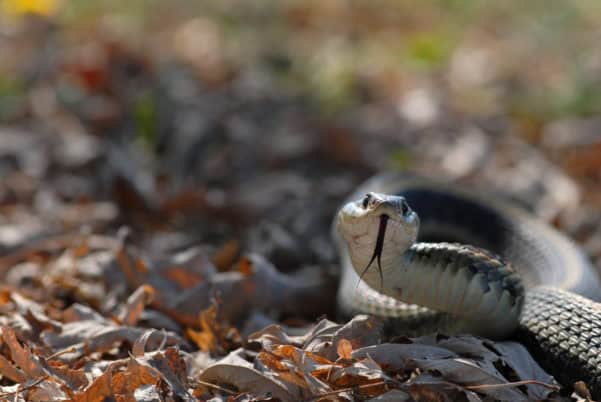
As temperatures begin to cool, even slightly, snakes will actively seek warm, sheltered places. They may bask on sun-warmed pavement, rocks, or patios during the day. As evening approaches, they look for secure hiding spots that retain heat, such as under debris, in dense vegetation, or within burrows. Unfortunately, crawl spaces, sheds, and gaps in a home’s foundation can also provide this same sense of security.
Hunting for Food
The fall is also a time when many of a snake’s prey—rodents, lizards, and frogs—are actively preparing for winter. Snakes will follow these food sources, which can lead them directly to residential properties where these smaller animals are often abundant.
Common Snakes in Miami and Potential Risks
While the majority of Florida’s native snakes are non-venomous and beneficial to the ecosystem, it is vital to be aware of the few venomous species in our area.
- Non-Venomous Snakes: Species like the Black Racer, Garter Snake, and various water snakes are common and harmless. They play a crucial role in controlling rodent and insect populations.
- Venomous Snakes: Residents should be able to recognize potentially dangerous snakes. In South Florida, these include the Eastern Diamondback Rattlesnake, the Dusky Pygmy Rattlesnake, the Cottonmouth (or Water Moccasin), and the Coral Snake. These species typically avoid human contact but will bite if they feel threatened or cornered.
Given the potential risks, treating any unidentified snake with caution is the most responsible course of action.
Proven Strategies for Snake Prevention in Miami
The most reliable way to keep snakes off your property is to make your yard less attractive to them and their prey. Effective wildlife management focuses on habitat modification.
Eliminate Food Sources and Shelter
By removing the resources snakes rely on, you encourage them to move elsewhere.
- Maintain Your Landscape: Keep your lawn mowed and trim back dense shrubs and overgrown vegetation, especially around the foundation of your home. This reduces hiding spots for snakes and the pests they hunt.
- Remove Debris: Clear away woodpiles, leaf litter, rock piles, and any unused equipment from your yard. These create ideal harborage for snakes and rodents. Store firewood on a raised rack away from the house.
- Secure Trash Bins: Use trash cans with tight-fitting lids to avoid attracting rodents, which are a primary food source for many snakes.
Secure Your Home’s Exterior
Prevent snakes from entering your home by sealing potential access points. This is a critical component of snake prevention in Miami.
- Inspect and Seal: Thoroughly examine your home’s foundation, walls, and areas around pipes and vents for any cracks or holes. Seal these openings with durable materials.
- Check Doors and Vents: Install screens on crawl space vents and ensure weather stripping on doors creates a tight seal.
By implementing these habitat modifications, you can significantly reduce the likelihood of encountering snakes on your property.
While these preventative measures can make a big difference, some situations are best left to the professionals—especially when venomous snakes are involved. A professional snake removal service can help keep snakes from inhabiting your property, reducing the risk of encounters.
If you are dealing with a persistent snake issue or feel in harm’s way, contact a certified snake control professional. An expert can identify and remove the animal, as well as provide a comprehensive property assessment to identify and resolve underlying issues contributing to the problem.
Sep 19, 2025 | Florida Snake Control
Florida’s warm climate and diverse ecosystems create habitats for over 46 snake species, making encounters a normal part of life. While most are harmless, six venomous species live here, making it important to know which ones pose risks and how to identify them. Education, prevention, and knowing how to respond are key. By understanding snake behavior, recognizing warning signs, and using proven prevention strategies, you can protect your family from Florida snakes while respecting these important members of Florida’s ecosystem.
A Guide To Florida Snakes
Florida’s Venomous Snake Species
Eastern Diamondback Rattlesnake
Florida’s largest venomous snake can grow up to eight feet. Recognizable by diamond-shaped patterns and a rattling tail, they inhabit pine flatwoods, scrub areas, and coastal regions. Their venom is powerful, but these snakes usually avoid people unless threatened.
Cottonmouth (Water Moccasin)
Often found in swamps, marshes, and lakeshores, cottonmouths have dark bodies and a white mouth interior. Unlike many snakes, they may hold their ground when approached. Their venom can cause significant tissue damage.
Coral Snake
Coral snakes have bright red, yellow, and black bands. Remember: red touches yellow, kills a fellow to distinguish them from non-venomous lookalikes. Secretive by nature, they prefer sandy soils and wooded areas. Their venom affects the nervous system.
Copperhead
Found in northern Florida, copperheads have copper-colored bodies with hourglass-shaped crossbands. While their venom is rarely fatal with treatment, it can cause pain and swelling.
Timber Rattlesnake & Dusky Pygmy Rattlesnake
Timber rattlesnakes live in northern forests, while pygmies are found statewide. Both have rattles, though pygmy rattles are faint. Venom can cause serious complications without treatment.
Identifying Habitats and Risk Areas
Natural Environments
Wetlands, pine flatwoods, scrub areas, and hardwood hammocks provide shelter for many species. Cottonmouths thrive near water, while coral snakes prefer sandy or wooded areas.
Residential Risk Zones
Yards with ponds, irrigation systems, or dense vegetation can attract snakes and their prey. Brush piles, woodpiles, and overgrown plants provide ideal hiding spots. Garages, sheds, and crawl spaces also offer shelter.
Warning Signs and Behavior
Visual Recognition
Venomous snakes may have triangular heads, vertical pupils, and heat-sensing pits, though these traits can be misleading. Instead, learn the distinct patterns and colors of dangerous species.
Behavioral Cues
Rattlesnakes shake their tails to warn intruders, cottonmouths show their white mouths, and most snakes retreat if given the chance. Striking is typically a last resort.
Prevention Strategies for Florida Homes
Landscape Adjustments
Keep grass trimmed, remove brush piles, and maintain a clear perimeter around the home. This reduces shelter for both snakes and the small animals they hunt.
Structural Improvements
Seal gaps under doors, cracks in foundations, and utility entry points. Use hardware cloth barriers under porches or decks. Fix leaks and eliminate standing water to discourage both snakes and their prey.
Responding to Florida Snake Encounters
If You See a Snake
Stay calm and slowly back away. Never try to catch or kill a venomous species. Give it space to escape.
In Case of a Bite
Call 911 or go to the nearest emergency room immediately. Never attempt to capture the snake, as this is unnecessary and could result in another bite. Remove jewelry and tight clothing from the affected area, and keep the person as still as possible until help arrives.
Florida’s snakes play a vital role in controlling pests and maintaining ecological balance. Learning how to identify species, modify your property, and respond appropriately will help you coexist with these reptiles. If you’re unsure whether a snake is venomous or how to handle an encounter, a trained snake removal expert can provide proper identification and humane removal. Contact us today for a free snake removal quote!
Jul 30, 2025 | Florida Snake Control
Living in Bonita Springs means enjoying warm weather, lush greenery, and vibrant wildlife. However, one aspect of Florida’s natural environment can cause concern for homeowners, snakes. While most snakes are non-venomous and play a critical role in controlling pests, it’s natural to want to keep them out of your living spaces. Fortunately, with some simple snake prevention steps, you can significantly reduce the chances of encountering a snake in or around your home.
Snake Prevention Tips For Bonita Springs
Seal Up Entry Points
Snakes are incredibly flexible and can squeeze through surprisingly small gaps. Even openings as small as a quarter of an inch can provide access to your home. Preventing their entry is one of the most effective defenses against unwanted visitors.
Tips for Sealing Your Home
- Inspect Your Home’s Exterior: Walk around your property and look for cracks, gaps, and holes in the foundation, walls, and along door frames.
- Seal Cracks and Holes: Use caulk, weatherproof sealant, or steel mesh to close gaps around windows, doors, and utility pipes.
- Install Door Sweeps: Add door sweeps to close gaps under exterior doors. This simple step can block off one of the easiest access points for snakes.
- Check Vents and Screens: Ensure crawlspace vents, attic openings, and other potential entry points are covered with fine-mesh screens.
By keeping your home sealed tight, you prevent snakes and other small critters from sneaking inside.
Clear Yard Clutter
Your yard can be a haven for snakes if it offers plenty of hiding spots and shade. Woodpiles, tall grass, and overgrown shrubs create the perfect environment for snakes to shelter or hunt for food.
Yard Maintenance Tips
- Trim Vegetation: Regularly cut your grass and trim bushes to eliminate potential hiding spots. Snakes prefer areas where they can move undetected.
- Remove Debris: Clear away piles of leaves, wood, or rocks. If you need to keep firewood, store it at least 12 inches off the ground and away from your home.
- Space Out Plants: Avoid dense planting near your house. Leave some space between shrubs and your home’s foundation to reduce hiding areas.
By making your yard less snake-friendly, you can encourage them to move on to less manicured locations.
Remove Food Sources
Snakes are often drawn to properties because they follow their food. Rodents, insects, and other small animals all attract snakes. Reducing these prey animals around your home will make it less enticing for snakes.
Steps to Eliminate Food Sources
- Rodent Control: Check for signs of rodents, such as droppings or chew marks, and call a rodent control professional if necessary.
- Secure Trash: Keep garbage bins tightly sealed to avoid attracting rodents and insects.
- Eliminate Standing Water: Standing water can attract amphibians and insects, which in turn attract snakes. Regularly empty items like buckets, birdbaths, or unused containers that collect water.
- Pet Food and Birdseed: Avoid leaving pet food or birdseed outside, as these can also attract small animals that snakes prey on.
Taking the time to eliminate food sources reduces the chances of snakes hunting near your home.
Secure Crawlspaces and Garages
Cool, shaded areas like crawlspaces and garages are prime locations where snakes might choose to hide. Without proper precautions, these areas can become long-term residences for snakes.
How to Snake-Proof These Areas
- Close Off Vents: Cover crawlspace and attic vents with wire mesh screens to prevent entry while maintaining airflow.
- Install Garage Door Seals: Check the bottom of your garage door for gaps and replace or install rubber seals if needed.
- Declutter: Remove stored items like boxes or unused equipment scattered on the floor. Keep storage areas organized to eliminate potential hiding spots.
- Monitor Doors and Windows: Always keep garage doors and windows closed when not in use, even if only for a short time.
Regularly inspecting and securing these spaces keeps them off-limits to snakes and other pests.
Snakes may be part of life in Bonita Springs, but they don’t have to be part of your home. Practicing good snake prevention methods like sealing entry points, clearing yard clutter, removing food sources, and securing shaded areas can go a long way. If snakes are still showing up, call a pest control company near you for expert snake removal help and peace of mind.

Jul 20, 2025 | Florida Snake Control
South Florida’s warm climate and lush landscapes make it the perfect habitat for a wide range of wildlife—including snakes. While most snakes you may encounter are harmless, a few dangerous snakes, such as water moccasins or coral snakes, can pose serious threats to people and pets. So what should you do if you come across a snake in your yard? And who should you call to get rid of it? Let’s explore the best steps to take when dealing with unwanted slithering visitors—and how professional snake removal can keep your home safe.
What to Do If You Find a Snake in Your Yard
First things first: don’t panic. Whether it’s venomous or not, any snake that feels threatened can become defensive and strike. If you spot a snake:
-
Stay calm and keep your distance
-
Do not attempt to touch, trap, or kill the snake
-
Keep children and pets indoors
-
Note the snake’s size, color, and behavior (from a safe distance)
Trying to handle a snake yourself is dangerous and can result in injury. Many homeowners aren’t equipped to determine whether a snake is venomous or not—so it’s best to leave identification and removal to the experts.
Who Should I Call to Get a Snake Out of My Yard?
If you need snake removal near you in South Florida, call a licensed snake pest control company that specializes in wildlife removal. Professional snake removal services will:
-
Safely capture and relocate the snake
-
Identify the species (especially important for venomous snake sightings)
-
Inspect your property for potential entry points
-
Recommend preventative measures for long-term snake control
Snakes often enter yards in search of food, water, or shelter. If your property has overgrown grass, open sheds, debris piles, or rodent activity, it could be attracting snakes without you even realizing it.
Why Professional Snake Control Matters
Attempting to remove a snake on your own is not only risky—it could also be illegal in some cases. Professional snake removal services use humane, legal methods to handle snakes safely and protect native species. They’ll also help you seal up entry points and provide tips to prevent future encounters with these slithery guests.
Call Now for Expert Snake Removal in South Florida
If you’ve spotted a snake around your home, don’t take any chances. Our trained technicians offer fast, safe, and effective snake removal services throughout South Florida. Whether you’re dealing with a venomous snake or just want peace of mind, we’re here to help with expert snake control solutions.
Contact us today for professional snake removal near you! Let us help you take back your yard—safely and quickly.
Sep 4, 2024 | Florida Snake Control
Florida’s beautiful landscapes are home to a wide range of wildlife—including many different types of snakes. While most Florida snake species are harmless and even helpful in controlling pests, spotting one too close to your home can be unsettling. That’s when knowing who to call for snake removal near you becomes important.
Whether you’re looking to identify snakes, prevent them from entering your yard, or deal with an unwanted visitor, this guide covers what you need to know about snake control in South Florida.
Common Snakes in South Florida
Understanding which snakes you might encounter can help you respond appropriately—especially when deciding if professional snake removal services are necessary.
Eastern Garter Snake
Small and non-venomous, garter snakes have stripes along their bodies and are commonly found in gardens and wooded areas. These snakes pose no threat to humans.
Southern Black Racer
Fast-moving and sleek, these snakes are often seen darting across yards and open fields. Although they may startle you, they’re not venomous and typically flee when approached.
Eastern Coral Snake
With its distinctive red, yellow, and black banding, this venomous snake is one of Florida’s most dangerous. Coral snakes are reclusive and prefer wooded areas with sandy soil.
Copperhead
Rare in South Florida but worth noting, copperheads have a copper-colored head and hourglass pattern. These snakes are venomous and usually hide near water or under debris.
Black Pine Snake
Large and non-venomous, black pine snakes have dark bodies and light bellies. They favor sandy, forested habitats and help control rodent populations.
Easy Ways to Keep Snakes Out of Your Yard
While spotting an occasional snake isn’t unusual, you can reduce the chances of them hanging around your home with a few simple strategies:
1. Maintain a Clean Yard
Snakes love places to hide—tall grass, brush piles, and cluttered landscaping. Mow regularly, trim overgrown bushes, and clear out debris to make your yard less inviting.
2. Secure Entry Points
Snakes can squeeze through surprisingly small openings. Inspect your fencing and home for gaps or holes, and consider burying your fence a few inches underground to prevent snakes from slithering underneath.
3. Remove Food Sources
Rodents and insects attract snakes. Keep pet food, bird seed, and trash sealed tightly, and use rodent control measures as needed to eliminate a primary food source.
4. Plant Snake-Repellent Vegetation
Certain plants, like marigolds, lemongrass, and garlic, can deter snakes due to their strong scent. Add these to your landscape for a natural line of defense.
5. Monitor Water Sources
Standing water draws insects and amphibians, which in turn lure snakes. Ensure your yard has proper drainage and eliminate any areas where water collects unnecessarily.
6. Use Outdoor Lighting Wisely
Bright lights attract bugs—and bugs attract snakes. Opt for motion-sensor lighting to reduce nighttime insect activity while still keeping your yard safe.
What to Do If You Find a Snake in Your Yard
If you discover a snake on your property:
-
Stay calm and back away slowly
-
Do not try to trap or kill the snake
-
Keep pets and children at a safe distance
-
Call a professional for snake removal near you
Many snakes in Florida are protected, and attempting to remove them yourself—especially dangerous snakes like coral snakes or copperheads—can result in serious injury or legal issues. Let experienced snake pest control experts handle the situation.
When to Call Snake Removal Services
If you’re noticing frequent snake activity or suspect a nest nearby, it’s time to call in snake removal services. Wildlife professionals will not only safely remove the snake but also inspect your property, seal up potential entry points, and help create a long-term snake control plan.
Call for Trusted Snake Removal Near You in South Florida
Snakes are an important part of our ecosystem—but that doesn’t mean you want them too close to home. If you’re worried about snakes in your yard or home, don’t wait. Our licensed wildlife team offers professional, humane, and reliable snake removal near you in South Florida.
Contact us today to schedule an inspection and get peace of mind with expert snake control services.