Oct 3, 2025 | Florida Pest Control
As fall arrives in Bonita Springs, many homeowners prepare for cooler, drier months. While the change in weather is welcome, it also means pests begin seeking shelter. Your attic, with its warmth and seclusion, is a prime spot for unwanted guests. Addressing these attic pests quickly helps prevent costly damage and keeps your home healthy.
Common Attic Pests in Bonita Springs
Rodents (Rats and Mice)
Roof rats are especially common in this region. They can squeeze through small openings along the roofline and cause serious damage by gnawing wires, creating fire hazards, and shredding insulation.
Squirrels
Squirrels often chew through eaves, fascia boards, and vents to get inside. Their presence is usually noisy, with scratching and scurrying sounds in the morning and evening. They also damage insulation and leave droppings behind.
Raccoons
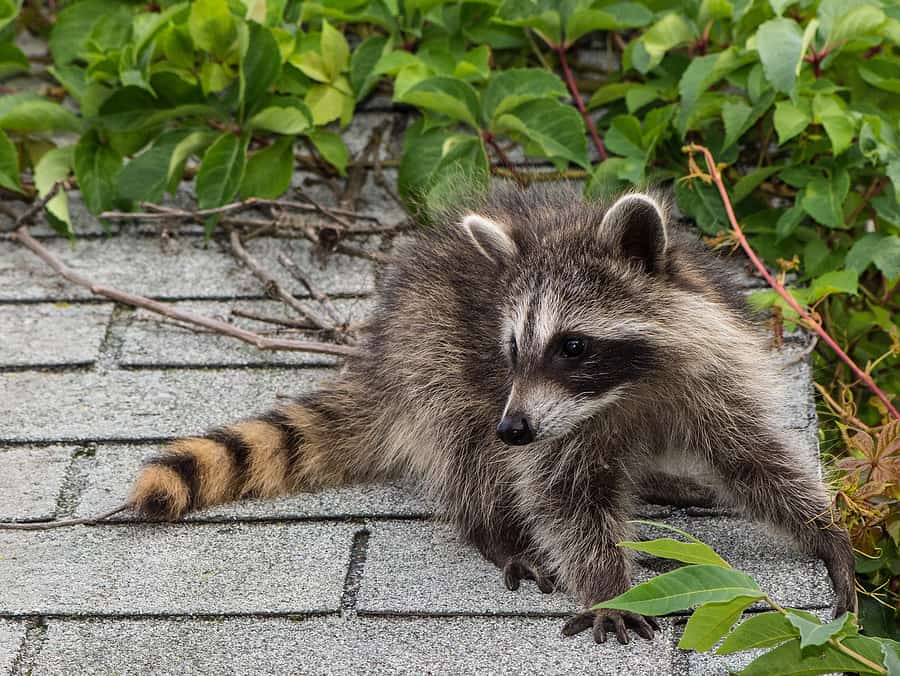
Raccoons are larger and more forceful intruders. They may tear through shingles or vents to create entry points, especially when looking for a dry place to nest. They can cause significant structural damage and may carry diseases that put people and pets at risk.
Signs of an Infestation in Your Attic
Strange Noises
Scratching, scurrying, gnawing, or chirping noises are early signs of attic activity. These sounds are often heard at night or in the early morning.
Droppings and Urine Stains
Animal droppings are a clear indicator of pests. Urine stains may also appear on ceilings or walls if the issue is severe.
Nests and Damaged Materials
Shredded insulation, chewed wires, or torn ductwork are all signs of nesting pests. Debris like leaves or twigs inside the attic may also point to an active infestation.
Effective Removal and Prevention Strategies
Seal Entry Points
Inspect the exterior of your home and seal cracks, gaps, and holes in the roof, soffits, and foundation. Install mesh screening over vents and a chimney cap to block wildlife.
Trim Vegetation and Remove Attractants
Tree limbs touching the roof provide an easy path for pests. Trim branches several feet back, secure outdoor trash cans, and avoid leaving pet food outside.
Keeping Your Attic Peaceful This Fall
The best way to keep your attic pest-free is to know what signs to look for, seal off entry points, and make your home less inviting to wildlife. By staying a step ahead, you can avoid the damage and mess that attic pests often leave behind.
If you do notice noises, droppings, or damage, it is always a good idea to have an expert take a closer look. Call today to schedule a pest control inspection and make sure your attic is ready for the season ahead. Contact Northwest today for a free pest control quote!

Jul 7, 2025 | Insulation, Pest Control
If you’ve been hearing bumps, scratches, or rustling noises coming from your attic, you’re not alone. Many South Carolina homeowners face unwelcome attic tenants, from rodents to insects, and even insulation issues that encourage these pests to stick around. To protect your home, it’s essential to know what’s causing the commotion and how to address it. Below, we’ll cover five common attic pests and how insulation problems could be making your attic the perfect place for these critters to settle.
Common Attic Pests and Insulation Issues
1. Rodents
Mice and rats are some of the most common attic invaders. These small pests can squeeze through tiny gaps in your roof or walls and quickly turn your attic into a nesting site. Once inside, they chew on wires, gnaw on wooden beams, and leave droppings that create health hazards.
How to Spot Rodents
- Scratching Noises: Especially at night, when they’re most active.
- Chewed Materials: Look for gnawed wires, boxes, or insulation.
- Droppings: Small, dark pellets found along baseboards and in corners.
How to Prevent Rodents
- Seal gaps around vents, roofing, and utility lines.
- Store food securely and keep trash bins closed.
- Trim back trees that overhang the roof to limit entry points.
2. Squirrels
Squirrels may seem cute in your backyard, but they’re far less adorable when they invade your attic. They typically enter through roof vents or damaged soffits and quickly set up nests. Left unchecked, their strong chewing habits can damage beams, ducts, and wiring.
Signs of Squirrels
- Daytime Activity: Listen for scurrying noises during daylight hours, as squirrels are active during the day.
- Nesting Materials: Look for twigs, leaves, or shredded insulation.
- Entry Points from Roof: Check for holes or damage around eaves and vents.
How to Prevent Squirrels
- Repair roof damage and install vent covers.
- Use tree baffles to make it harder for squirrels to climb onto your home.
- Trim trees to prevent easy roof access.
3. Bats
South Carolina’s warm climate can attract bats looking for a space to roost, and your attic often fits the bill. While bats play an important role in controlling insect populations, their droppings, called guano, can pose serious health risks.
Signs of Bats in the Attic
- Chirping or Screeching Sounds: Bats are nocturnal and vocal, so you might hear them at night.
- Guano Droppings: Look for small, shiny black droppings around entry points or in the attic.
- Stains Around Entry Points: Dark, greasy stains may appear around cracks or holes bats use to get inside.
How to Prevent Bats
- Seal entry points with caulk or wire mesh (only after confirming bats are out).
- Install bat exclusion devices to allow them out but not back in.
- Work with a wildlife removal expert for humane removal.
4. Insects
Attics are often home to a variety of insect pests, including wasps, bees, and cockroaches. Wasps and bees build nests in eaves, while cockroaches prefer warm, dark spaces near food sources. Left unchecked, these pests can lead to infestations that spread through the home.
Identifying an Infestation
- Bees or Wasps: Look for nests hanging from eaves or inside vents.
- Cockroaches: Droppings, egg casings, or a musty smell can indicate their presence.
- Other Bugs: Watch for swarms or noticeable pest activity around attic windows or lights.
How to Address It
- Remove nests with professional help, especially for stinging insects.
- Seal cracks and use weatherstripping to block entry.
- Keep the attic clean and store food securely to avoid attracting roaches.
5. Insulation Issues
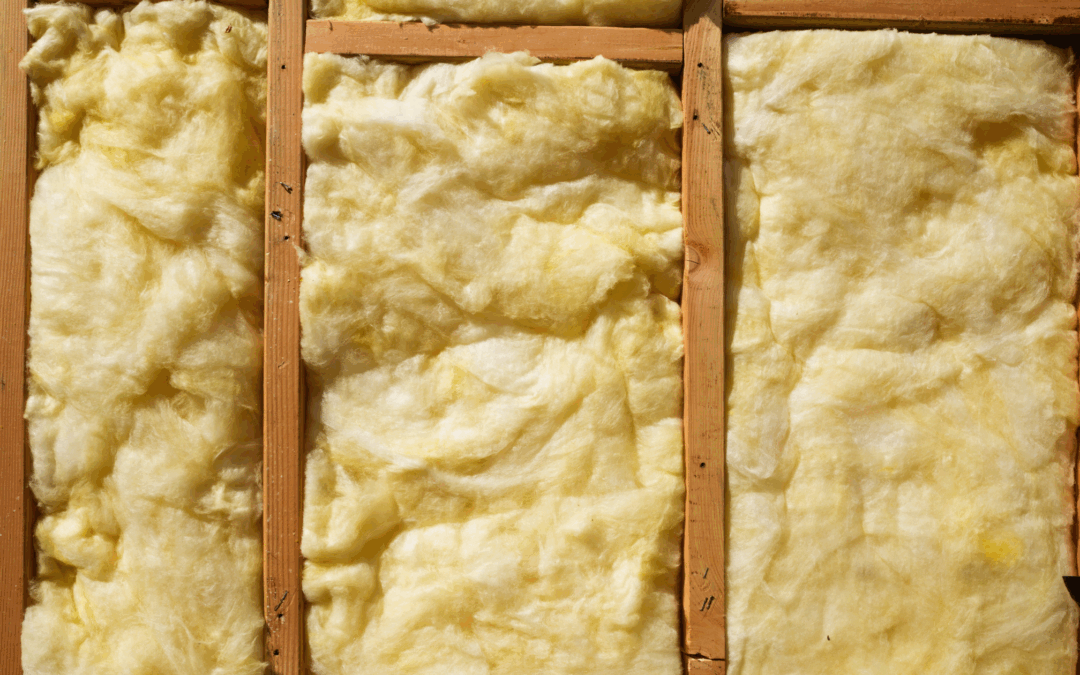
Beyond pests, poor insulation can contribute to your attic issues. Damaged attic insulation creates a warm, inviting nest for various pests while contributing to higher energy bills and reduced home comfort.
How Insulation Attracts Pests
- Holes or Gaps: These make it easy for pests to enter.
- Moisture Build-Up: Poor insulation can trap moisture, attracting insects and rodents.
- Heat Retention: Warmth in the attic, especially during colder months, appeals to animals seeking shelter.
Fixing Insulation Problems
- Inspect Regularly: Look for signs of damage, such as holes, missing sections, or shredded material (a clear sign of pest activity).
- Replace Damaged Insulation: Invest in pest-resistant insulation solutions like spray foam or cellulose treated with borates, which deter insects.
- Seal Air Leaks: Ensure proper attic ventilation while keeping gaps sealed to prevent entry.
How to Keep Your South Carolina Attic Pest-Free
Tackling pests and insulation issues in your attic takes a combination of prevention and professional support. Here are some tips to protect your home long-term:
- Schedule Regular Inspections: Check your attic for leaks, insulation issues, and pest activity at least twice a year.
- Seal Entry Points: Block cracks and openings with caulk, wire mesh, or steel wool.
- Invest in Pest Control: Work with a pest control professional to eliminate infestations prevent future issues.
- Maintain Cleanliness: Keep your attic clutter-free and dry to minimize appeal to pests.
By addressing these issues proactively, you can avoid costly repairs and keep your home protected, comfortable, and pest-free.
The noises in your attic may seem alarming, but they’re often a telltale sign of common attic pests or insulation problems. Whether it’s rodents, squirrels, bats, insects, or weak insulation creating the perfect habitat, taking preventive steps early on is key to maintaining a healthy home.
May 6, 2025 | Florida Pest Control
Attics in Pompano Beach, Florida, may offer hidden shelter for pests like rodents, termites, and bats. The area’s warm climate and humid conditions create the perfect environment for infestations. Quiet, dark, and full of food sources like wood and insulation, attics quickly become a pest haven. But homeowners can take smart steps to keep attic pests from infesting!
What To Know About Attic Pests
Why Pests Love Attics
Pests are naturally drawn to attics for several reasons:
- Warmth and Shelter: Whether escaping outdoor heat or cooler weather, attics provide consistent refuge.
- Accessibility: Gaps and cracks in roofs or vents make entry easy.
- Secure Hideaways: Attics are often undisturbed spaces, ideal for nesting.
The good news? With proactive measures, you can stop attic pests from settling in.
Steps to Keep Your Attic Pest-Free
1. Regular Inspections
Schedule routine attic checks for signs of pests, such as droppings, nests, or gnawed materials. Professionals can perform thorough inspections to catch what you might miss — and recommend preventative steps like attic insulation services, which help block pests while improving energy efficiency.
2. Seal Entry Points
Prevent access by sealing cracks, damaged vents, and other potential entry points. Use caulk, wire mesh, or steel wool to block openings. Regularly inspect your roof, chimney, and attic for damage.
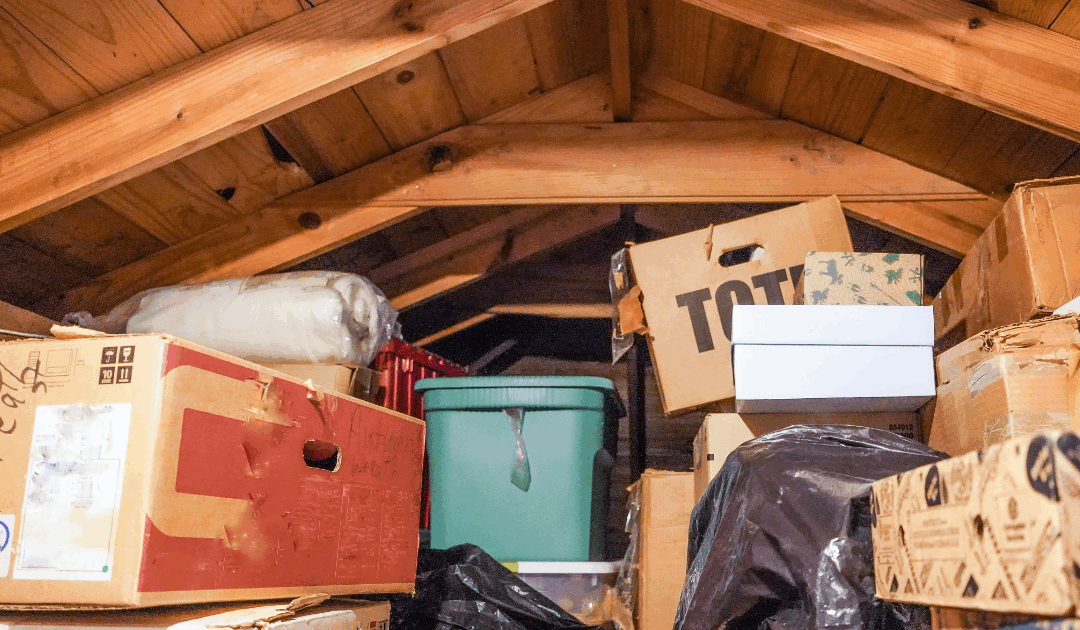
3. Manage Humidity and Clutter
Attic pests thrive in damp and cluttered spaces. Address these issues by:
- Using dehumidifiers to reduce moisture.
- Ensuring proper attic ventilation.
- Organizing storage in sealed plastic bins instead of cardboard boxes.
4. Remove Food and Water Sources
Take steps outside your home to reduce the attraction of pests:
- Clean gutters to prevent standing water.
- Fix roof leaks promptly.
- Trim tree branches near your roof to limit pest access.
5. Use Eco-Friendly Pest Control
If pests invade, opt for environmentally healthy solutions. Natural repellents like peppermint and citrus sprays, humane traps, and diatomaceous earth are effective and toxin-free.
Why Prevention Matters
An attic infestation can lead to serious issues. Rodents chew electrical wiring, increasing fire risks, while termites and carpenter ants damage structural integrity. Pest droppings also pose health risks, and severe infestations can be costly to resolve. Prevention protects your home, health, and wallet.
Take Action
Keeping pests out of your attic is achievable. With regular maintenance, sealed entry points, and eco-friendly pest control, your attic can remain a pest-free zone. Don’t wait for pests to settle in; act now to protect your home and family.
Need help? Contact a trusted pest control professional to ensure your attic stays off-limits to unwanted visitors. Give us a call or click the button below to get started with your FREE quote.
Jan 19, 2022 | Wildlife
Now that winter is here, it is time to make sure your attic is not harboring wildlife from the cold. The most common pests that find refuge in attics are racoons, squirrels, bats, birds, and mice. These pests can cause severe damage to your home and pose a significant threat to your health.
There are many ways for wildlife creatures to get into your home. The most obvious ways are through vents and construction gaps. These can sometimes be unavoidable, since rodents can squeeze through cracks as small as half an inch wide. Some of the pests can be taken care of with DIY pest control, but some do need professional attention. Bats are a pest that you should not take care of yourself. They can carry rabies and some species are protected.
The damage that can be caused in your attic can be anything from chewed wires to disturbance to your insulation, which can end up being costly for you. There are many ways to implement wildlife control in your attic. Here are a few of our favorites below:
- Regularly inspect the exterior of your home to ensure there is no damage to the roof or siding. If you notice any damage or openings, look to seal them immediately. Fixing issues before they escalate is the best way to prevent pests from entering the attic.
- Keeping branches trimmed back away from the house will help keep wildlife like squirrels and raccoons from potentially jumping onto your roof. This will not keep them fully away, as they are both good climbers, but it will hinder their options.
- Consider investing in some roof vent covers to keep wildlife from accessing your attic. These will help to block entryways on the roof and are built to resist erosion and weather conditions, so they have lasting effects.
- If your home has a chimney, getting a chimney cap is a terrific addition. This will help to keep creatures, such as squirrels, from entering through the chimney into your main living space.
If you believe that you have wildlife in your attic, consider calling your local pest control company to help locate entry points, safely remove them, and prevent them from entering your house in the future.