Nov 21, 2025 | Termite Control
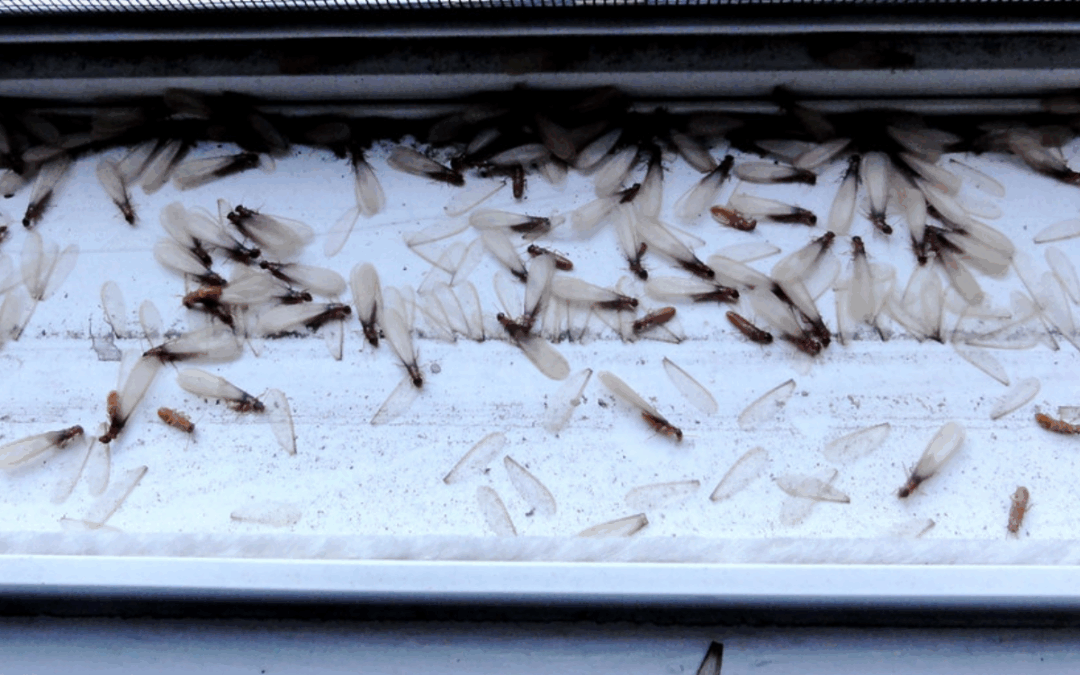
While many Alabama homeowners associate termite swarms with the spring, a second, less-known swarming season can occur in the fall, particularly in November. Seeing winged insects inside your home during this time can be alarming, and for good reason. It may be a sign of a termite colony establishing itself nearby or within your property.
Understanding why this late-season activity occurs is crucial for protecting your home. This guide will explain the phenomenon of November termite swarming in Alabama, detail the key signs to look for, and provide actionable steps to prevent termites from causing significant damage.
Why Termites Swarm in November
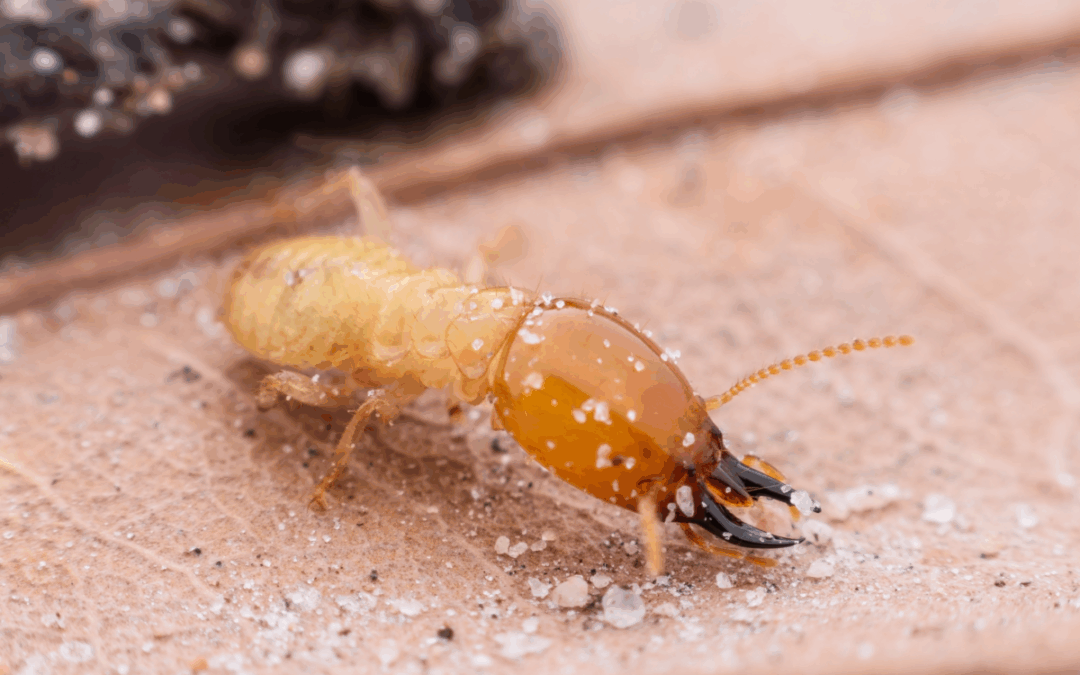
Termite swarming is a natural part of a colony’s life cycle. A swarm consists of winged reproductive termites, known as alates, that leave their mature colony to mate and establish a new one. While the most intense swarms happen in the warm, damp conditions of spring, certain termite species, particularly the formidable Formosan subterranean termite, can also swarm in the fall.
The Formosan Termite Factor
Formosan termites are an invasive and highly destructive species found in parts of Alabama. Unlike native subterranean termites that swarm primarily from March to May, Formosan termites have a longer swarming season that can extend into the late fall. A spell of warm, humid weather in November can trigger these colonies to release their alates.
A Sign of a Mature Colony
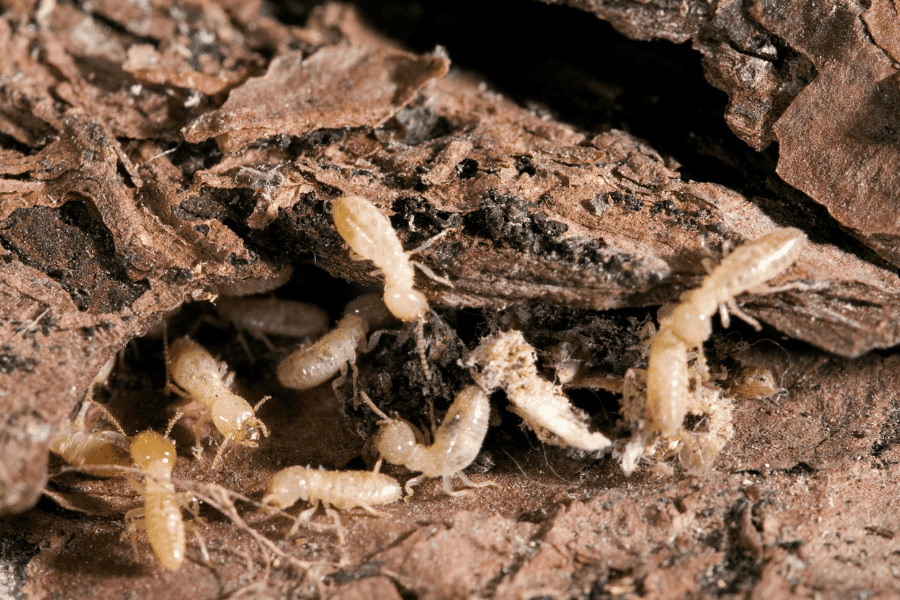
A termite swarm is a definitive indicator of a large, well-established colony nearby. A colony must be several years old before it has the resources to produce winged reproductives. Seeing a swarm means a termite population is not just present but thriving, posing a significant threat to any wooden structures, including your home.
How to Identify a Termite Swarm
Distinguishing termite alates from other flying insects, like ants, is essential for a correct diagnosis. Misidentification can lead to a false sense of security while a termite infestation grows unchecked.
Key Signs of a Termite Swarm
- Discarded Wings: After a brief flight, swarming termites land, break off their wings, and attempt to start a new colony. You may find piles of identical, translucent wings on windowsills, near doorways, or caught in spiderwebs. This is a tell-tale sign of a recent swarm.
- The Swarm Itself: Termite swarms often occur during the day and can look like a cloud of small, flying insects. They are frequently attracted to light sources, so you may notice them around windows, doors, and light fixtures.
- Termite vs. Ant: Flying ants also swarm, but there are clear differences. Termites have a broad waist, straight antennae, and two pairs of wings that are equal in length. In contrast, flying ants have a pinched waist, elbowed antennae, and a front pair of wings that are longer than the back pair.
What to Do If You Suspect Termites
Discovering a termite swarm requires immediate and decisive action. The presence of alates indicates a high risk of infestation, and early intervention is the most effective way to prevent costly structural damage.
Immediate Steps for Homeowners
- Collect a Sample: If possible, collect a few of the insects or their discarded wings in a sealed bag or jar. This will help a professional pest control expert make a positive identification.
- Avoid DIY Treatments: Do not attempt to control a termite problem with over-the-counter sprays or baits. These products are rarely effective against an entire colony and may only kill a few visible termites, leaving the hidden colony to continue its destruction.
- Schedule a Professional Inspection: The most critical step is to contact a certified termite control professional. A trained inspector can determine the extent of the activity, identify the termite species, and locate the colony.
Preventing a future infestation involves reducing attractants around your home. Ensure water drains away from your foundation, repair any leaks, and keep firewood or other wooden debris stored away from the house.
While a November termite swarm in Alabama can be an unsettling discovery, it provides a crucial warning sign. By correctly identifying the evidence and acting promptly, you can protect your most valuable investment.
If you have seen signs of swarming termites or suspect an infestation, do not wait. Contact a qualified pest control specialist for a comprehensive inspection and a customized treatment plan designed to protect your home and provide lasting peace of mind.

Nov 13, 2025 | Florida Termite Control
While many Naples homeowners associate termite activity with the spring, the pleasant fall weather can create conditions for these pests to remain active. In November, certain termite species continue to pose a threat to properties, often working unseen until significant damage has occurred. A proactive approach to termite prevention is essential for protecting your home’s structural integrity.
This guide provides information on why termites can be a problem in the fall, how to identify the warning signs, and what steps you can take for effective termite defense in Naples.
Why Termites Remain a Threat in the Fall
In Southwest Florida’s warm climate, termites do not go dormant as they might in colder regions. Species like the highly destructive Formosan subterranean termite can remain active year-round.
Consistent Moisture and Warmth
Naples’ climate provides the two key ingredients termites need to thrive: moisture and warmth. A damp autumn can keep soil moist, allowing subterranean termites to continue foraging for food sources—namely, the wood in your home.
Signs of a Mature, Thriving Colony
A termite swarm, regardless of the time of year, is a clear indication that a mature colony of any size is located nearby. Colonies must be several years old before they have the resources to produce these reproductive members. Seeing a swarm is a critical warning sign that should not be ignored.
How to Identify a Termite Infestation
Early detection is crucial for minimizing damage. Since termites often operate out of sight, homeowners must be vigilant for subtle signs of their presence.
Key Indicators of Termite Activity
- Discarded Wings: After a swarm, termites shed their wings. You may find small piles of these identical, translucent wings on windowsills, near doorways, or in spiderwebs. This is often the most visible evidence of a recent termite swarm.
- Mud Tubes: Subterranean termites build pencil-sized mud tubes to travel from their soil-based colonies to their food source. Check your home’s foundation, crawl spaces, and exterior walls for these distinctive earthen tunnels.
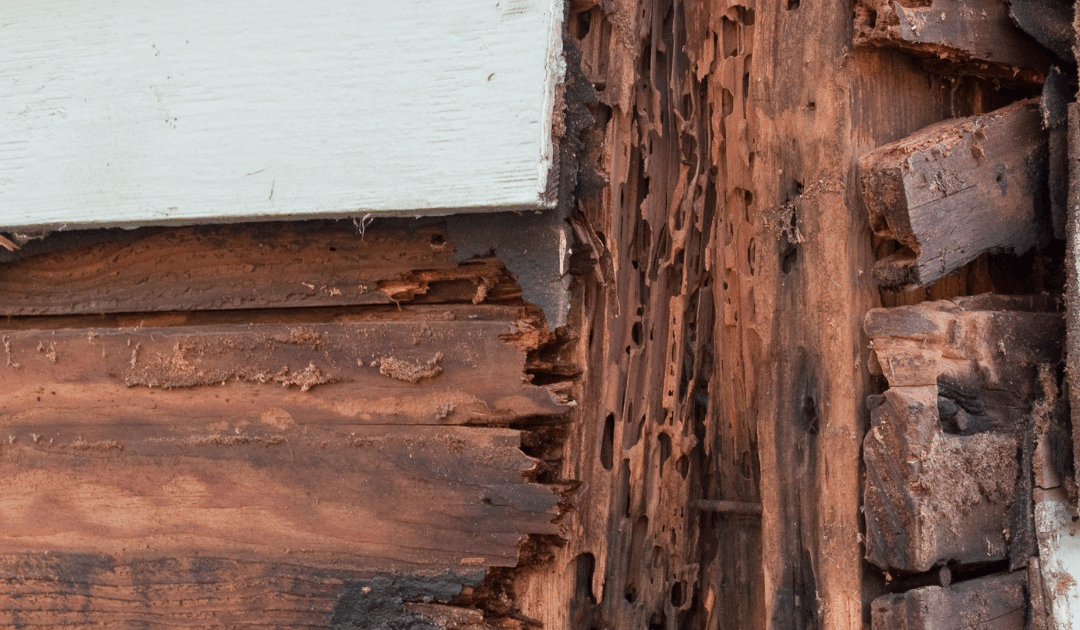
- Damaged Wood: Termite damage can appear as hollowed-out or honeycombed wood. Tapping on wood surfaces may produce a hollow sound. You might also notice blistering or darkening of wood structures.
Essential Strategies for Termite Defense in Naples
A comprehensive prevention strategy is the most effective way to protect your home. This involves making your property less attractive to termites by eliminating the conditions they seek.
Reduce Moisture Around Your Property
- Ensure gutters and downspouts are clear and direct water away from the foundation.
- Repair any leaking faucets, pipes, or air conditioning units promptly.
- Grade the soil around your foundation so that it slopes away from the house, preventing water from pooling.
Eliminate Wood-to-Ground Contact
- Keep firewood, lumber, and other cellulose-based debris stored at least 20 feet away from your home and elevated off the ground.
- Avoid using wood mulch directly against your foundation; consider alternatives like rubber or gravel mulch.
- Trim shrubs and tree branches so they do not touch your home’s exterior, as these can provide a hidden pathway for termites.
Schedule Professional Inspections
The most reliable method for termite defense in Naples is to have your home professionally inspected annually. A trained pest control expert can identify conducive conditions and early signs of an infestation that an untrained eye might miss.
Discovering signs of termites can be concerning, but it allows you to take action before a minor issue becomes a major problem. Do not attempt to resolve a termite infestation with do-it-yourself products, as these are often ineffective against the hidden colony.
If you have noticed discarded wings, mud tubes, or other signs of termite activity, contact a certified pest control professional immediately. A thorough inspection and a tailored treatment plan are the best way to protect your home and ensure your peace of mind.
Oct 31, 2025 | Florida Termite Control
For homeowners in Broward County, the idyllic fall weather doesn’t mean termites take a break. Florida’s warm, humid climate allows these silent destroyers to remain active year-round. October is a key time for vigilance, as certain termite species continue their work, threatening the structural integrity of your home. Understanding the threat and recognizing early signs can save thousands in repairs. This guide covers why termites are a persistent problem in the fall and what steps you can take to protect your property through termite control solutions.
Why Termites Are a Year-Round Threat in Broward
South Florida’s Ideal Climate for Termites
Unlike regions with cold winters, Broward’s subtropical climate provides constant warmth and moisture. Species like Formosan and Asian subterranean termites thrive year-round. While swarming is more common in spring, colonies continuously forage for cellulose, keeping your home at risk even in October.
The Hidden Damage to Your Home
Termites consume wood from the inside out, often leaving the exterior intact until damage is severe. Infestations can go unnoticed for years, weakening foundations, support beams, and walls. By the time damage is visible, repairs can be extensive and costly.
How to Identify a Termite Infestation
Mud Tubes on Foundations
Subterranean termites build pencil-sized tunnels from soil, wood, and saliva. These “mud tubes” serve as protected pathways from underground colonies into your home. Inspect foundations, crawl spaces, and interior walls.
Discarded Wings
After mating, reproductive termites shed wings that resemble tiny, translucent fish scales. Check windowsills, doorways, and spiderwebs for these telltale signs.
Damaged or Hollow-Sounding Wood
Tap on baseboards, door frames, and exposed beams. Wood that sounds hollow or feels papery may be compromised. Bubbling paint or darkened wood can also indicate termite activity.
Proactive Prevention for Broward Homeowners
Eliminate Moisture
Termites are attracted to water. Check and repair leaky pipes, faucets, and AC units. Keep gutters clean and downspouts directing water away from your home’s foundation.
Remove Food Sources
Direct wood-to-ground contact gives termites an easy entry point. Store firewood, lumber, and cellulose debris at least 20 feet from your home and raised off the ground. Maintain a clear gap between mulch or soil and siding.
Keeping Your Home Protected With Termite Control
Termite prevention requires year-round diligence, from controlling moisture and removing wood debris to monitoring signs like mud tubes and discarded wings. Even with the best precautions, an established infestation requires a professional approach to ensure complete colony elimination. If you notice any signs of termites or want to strengthen your defenses, a certified pest control expert can provide a thorough inspection and a targeted termite control plan.
Dec 20, 2024 | Termite Control
Termites are among the most destructive pests that can invade your home, often causing extensive damage before being noticed. Regular termite inspections by professionals are crucial to protect your property. If you’re searching for “termite inspectors near me,” this guide will help you understand what to expect during an inspection and how to keep termites at bay.
What To Know About Termite Inspectors
Do Termite Inspectors Come Inside?
Yes, termite inspectors often examine the interior and exterior of your home. While termites can cause visible damage outside, their most devastating effects occur within walls, ceilings, and other structural elements, making it necessary to inspect inside. Inspectors will check basements, crawl spaces, and attics, as these areas are prone to termite activity.
How Is a Termite Inspection Done?
- Exterior Examination: Inspectors will start by walking around the outside of your home to identify potential entry points. They’ll look for mud tubes, damaged wood, and other signs of termites near the foundation, siding, or wood piles.
- Interior Check: Inside your home, inspectors will look for hollow-sounding wood, blistered paint, or other indications of hidden termite activity. They’ll inspect baseboards, door frames, and wood furniture for subtle clues.
- Moisture Levels: Termites thrive in moist environments. Inspectors often use moisture meters to detect high levels of humidity in walls and crawl spaces.
- Termite Identification: If termite activity is found, inspectors will identify the type of termite—such as subterranean or drywood termites—since different species require specific treatments.
- Damage Assessment: Termite damage is often difficult to spot early. Inspectors evaluate the extent of damage to determine if repairs are needed alongside treatment.
Signs of Termites Inspectors Look For
- Mud Tubes: These pencil-sized tubes are used by subterranean termites to travel between their nest and food sources.
- Discarded Wings: A sign of swarming termites, often found near windowsills or doors.
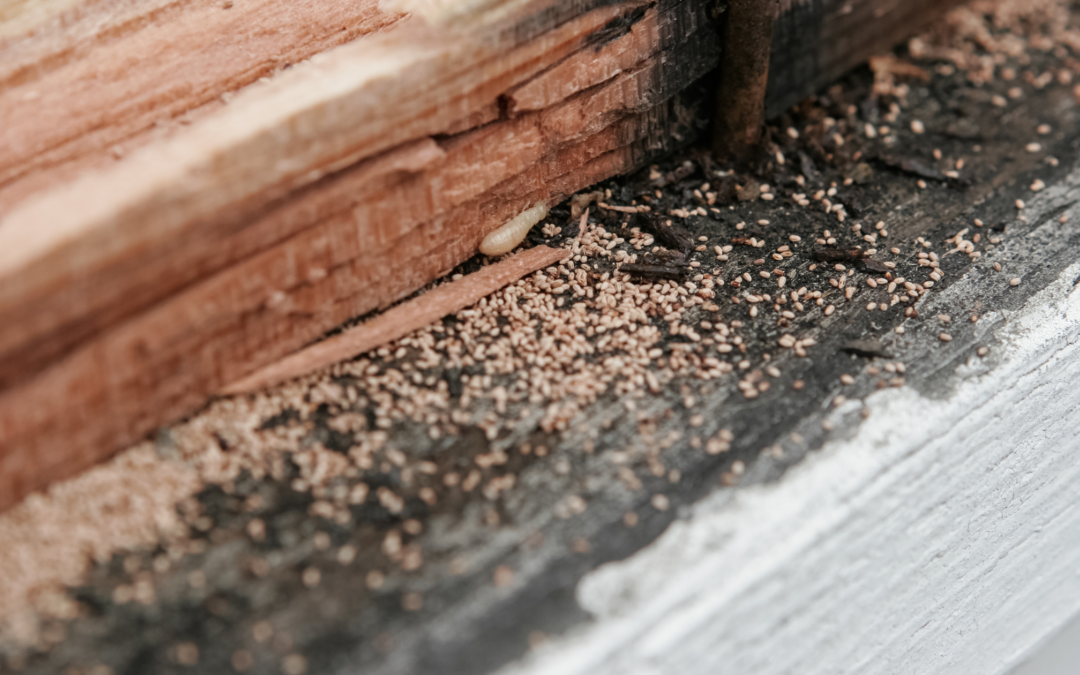
- Frass: Termite droppings that resemble wood shavings or sawdust.
- Hollow-Sounding Wood: Tap wood surfaces to detect hollowness, a common indicator of termite infestations.
- Structural Damage: Cracks in walls, sagging floors, and damaged wood may point to termite problems.
Termite Treatments and Control
If termites are detected, your pest control company may recommend the following treatments:
- Bait Systems: These attract termites and deliver a slow-acting poison that eliminates the colony.
- Liquid Treatments: A chemical barrier is applied to the soil around your home to prevent termites from entering.
- Fumigation: For severe infestations, this method eliminates all termites in the structure.
Prevention Tips to Keep Termites Away
- Reduce Moisture: Fix leaks and ensure proper drainage to reduce the humidity termites need to survive.
- Remove Wood Debris: Keep firewood, mulch, and wooden debris away from your home’s foundation.
- Seal Entry Points: Inspect your home for cracks in the foundation or gaps in siding and seal them promptly.
- Schedule Regular Inspections: Professional termite inspections help catch termite activity before it becomes a full-blown infestation.
Inspection Cost
The cost of a termite inspection varies based on factors such as your home’s size and location. Many pest control companies offer free inspections or bundle the cost with treatment plans. Be sure to inquire about pricing when scheduling.
Protect Your Home with Professional Termite Control
Termite infestations can be devastating, but routine inspections by qualified termite inspectors ensure your property stays safe. If you’re worried about “termite infestation” or “termite damage,” don’t wait until the problem worsens. Contact a reliable pest control company to inspect your home and provide effective solutions.
For trusted termite control services in Georgia, request an inspection today!
Sep 19, 2024 | Termite Control
Termites, sometimes called the “silent destroyers”, will cause considerable damage to your Auburn home if left unchecked. In Alabama, subterranean termites are most common, and these tiny insects thrive in the warm, humid climate that we deal with, making termite prevention a crucial part of maintaining your household. Here’s an easy guide on what you need to know to protect your home from termites.
How To Protect Your Home From Termites
Why Termite Prevention Matters
Termites can cause extensive damage to wooden structures, often going unnoticed until significant harm is done. These pests chew through wood, flooring, and even wallpaper, compromising the structural integrity of your home. Repairing termite damage can be costly and time-consuming, which is why prevention is key.
Common Signs of Termite Infestations
Recognizing the early signs of a termite invasion can help you act before too much damage occurs. Here are a few indicators to watch for:
- Mud Tubes: These are pencil-sized tunnels subterranean termites build to travel from the soil to their food source. You’ll usually find them on exterior walls, foundations, or in crawl spaces.
- Hollow Wood: Tap wooden surfaces around your home. If they sound hollow, termites may have been munching away inside.
- Discarded Wings: Swarming termites shed their wings, often leaving piles near windowsills or entryways.
- Frass: This sawdust-like material is termite droppings and can indicate an infestation.
Identifying Termite Damage
Early detection of termite damage can save you from more extensive repairs. Look for:
- Buckling Wood: Warped or swollen wood can indicate termite damage beneath the surface.
- Sagging Floors or Ceilings: This might be a sign of severe structural damage caused by termites.
- Paint Blisters: These can occur when termites damage the wood underneath, causing paint to bubble.
Termite Prevention Strategies
Preventing termites involves proactive measures to make your home less inviting to these pests. Here are some effective strategies:
- Termites are attracted to moisture. Fix leaky pipes and ensure there is proper drainage around your foundation.
- Avoid wood-to-soil contact. Keep firewood, lumber, or any wooden material stored at least 20 feet away from your home and elevate them off the ground.
- Seal cracks and crevices in your home’s foundation and around utility openings to prevent easy access for termites.
- Conduct regular inspections of your property, especially in areas prone to moisture or where wood is in contact with the ground.
In Auburn, the warm climate is conducive to termite activity year-round. Local regulations may influence the use of certain treatments, particularly chemical solutions. Consulting with a local pest control professional ensures that you follow guidelines and use the most effective treatments for your home.
Termites may be small, but their potential for damage is enormous. By staying vigilant and implementing preventive measures, you can protect your Auburn home and maintain its value. If you have noticed termite activity or signs at your home, call a pest control company near you as soon as possible. These professionals will provide you with the best plan of action for termite control in order to eliminate and prevent them in the future.