READY TO GET STARTED?
REQUEST A FREE ESTIMATE
Fill out the form below or call (888) 466-7849 for a free, no-obligation estimate.


South Florida’s warm climate and lush landscapes make it the perfect habitat for a wide range of wildlife—including snakes. While most snakes you may encounter are harmless, a few dangerous snakes, such as water moccasins or coral snakes, can pose serious threats to people and pets. So what should you do if you come across a snake in your yard? And who should you call to get rid of it? Let’s explore the best steps to take when dealing with unwanted slithering visitors—and how professional snake removal can keep your home safe.
First things first: don’t panic. Whether it’s venomous or not, any snake that feels threatened can become defensive and strike. If you spot a snake:
Stay calm and keep your distance
Do not attempt to touch, trap, or kill the snake
Keep children and pets indoors
Note the snake’s size, color, and behavior (from a safe distance)
Trying to handle a snake yourself is dangerous and can result in injury. Many homeowners aren’t equipped to determine whether a snake is venomous or not—so it’s best to leave identification and removal to the experts.
If you need snake removal near you in South Florida, call a licensed snake pest control company that specializes in wildlife removal. Professional snake removal services will:
Safely capture and relocate the snake
Identify the species (especially important for venomous snake sightings)
Inspect your property for potential entry points
Recommend preventative measures for long-term snake control
Snakes often enter yards in search of food, water, or shelter. If your property has overgrown grass, open sheds, debris piles, or rodent activity, it could be attracting snakes without you even realizing it.
Attempting to remove a snake on your own is not only risky—it could also be illegal in some cases. Professional snake removal services use humane, legal methods to handle snakes safely and protect native species. They’ll also help you seal up entry points and provide tips to prevent future encounters with these slithery guests.
If you’ve spotted a snake around your home, don’t take any chances. Our trained technicians offer fast, safe, and effective snake removal services throughout South Florida. Whether you’re dealing with a venomous snake or just want peace of mind, we’re here to help with expert snake control solutions.
Contact us today for professional snake removal near you! Let us help you take back your yard—safely and quickly.
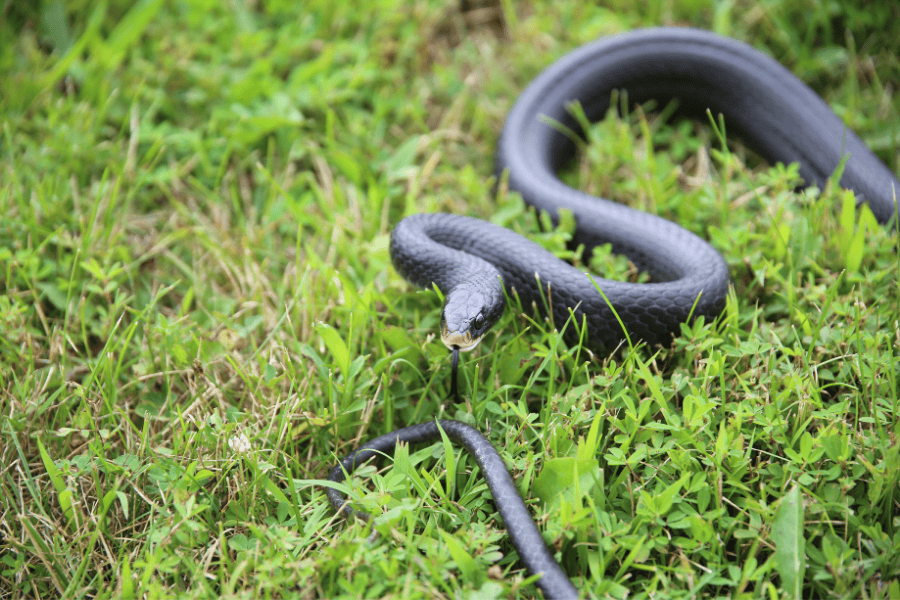
Georgia is home to a wide variety of snake species, both venomous and non-venomous. While most snakes play a vital role in the ecosystem by controlling rodent populations, their presence in and around homes can be unsettling. Understanding snake behavior, knowing what to do if you encounter one, and exploring snake pest control options can help you manage and prevent unwanted snake encounters.
Georgia has over 40 snake species, with only a few being venomous. Knowing the difference can help you determine whether a snake poses a danger.
Encountering a snake can be alarming, but staying calm is crucial. Here’s what you should do:
Many people wonder, “Can pest control get rid of snakes?” While traditional pest control focuses on insects and rodents, some wildlife control companies specialize in snake removal. These services include:
To prevent snakes from entering your property, consider the following snake control strategies:
Snakes are drawn to areas with ample food. Reducing rodents, insects, and bird eggs in your yard can deter them.
Snakes can enter homes through tiny gaps. Seal cracks, holes, and vents with mesh or caulk to prevent entry.
There are natural and commercial snake repellents available, including:
If you frequently see snakes on your property or inside your home, it’s time to call a wildlife control company. Professional snake removal services ensure:
Snakes are an essential part of Georgia’s ecosystem, but they can be a nuisance when they invade homes and yards. By identifying common snake species, knowing what to do if you encounter one, and implementing snake pest control strategies, you can minimize encounters. If you have persistent snake problems, a professional wildlife control company can provide safe and effective snake removal solutions.
For expert assistance in handling snakes on your property, contact a trusted pest control company specializing in snake control and wildlife removal.
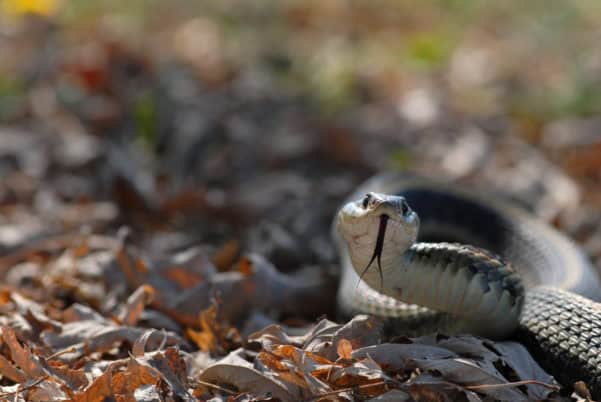
Florida’s beautiful landscapes are home to a wide range of wildlife—including many different types of snakes. While most Florida snake species are harmless and even helpful in controlling pests, spotting one too close to your home can be unsettling. That’s when knowing who to call for snake removal near you becomes important.
Whether you’re looking to identify snakes, prevent them from entering your yard, or deal with an unwanted visitor, this guide covers what you need to know about snake control in South Florida.
Understanding which snakes you might encounter can help you respond appropriately—especially when deciding if professional snake removal services are necessary.
Small and non-venomous, garter snakes have stripes along their bodies and are commonly found in gardens and wooded areas. These snakes pose no threat to humans.
Fast-moving and sleek, these snakes are often seen darting across yards and open fields. Although they may startle you, they’re not venomous and typically flee when approached.
With its distinctive red, yellow, and black banding, this venomous snake is one of Florida’s most dangerous. Coral snakes are reclusive and prefer wooded areas with sandy soil.
Rare in South Florida but worth noting, copperheads have a copper-colored head and hourglass pattern. These snakes are venomous and usually hide near water or under debris.
Large and non-venomous, black pine snakes have dark bodies and light bellies. They favor sandy, forested habitats and help control rodent populations.
While spotting an occasional snake isn’t unusual, you can reduce the chances of them hanging around your home with a few simple strategies:
Snakes love places to hide—tall grass, brush piles, and cluttered landscaping. Mow regularly, trim overgrown bushes, and clear out debris to make your yard less inviting.
Snakes can squeeze through surprisingly small openings. Inspect your fencing and home for gaps or holes, and consider burying your fence a few inches underground to prevent snakes from slithering underneath.
Rodents and insects attract snakes. Keep pet food, bird seed, and trash sealed tightly, and use rodent control measures as needed to eliminate a primary food source.
Certain plants, like marigolds, lemongrass, and garlic, can deter snakes due to their strong scent. Add these to your landscape for a natural line of defense.
Standing water draws insects and amphibians, which in turn lure snakes. Ensure your yard has proper drainage and eliminate any areas where water collects unnecessarily.
Bright lights attract bugs—and bugs attract snakes. Opt for motion-sensor lighting to reduce nighttime insect activity while still keeping your yard safe.
If you discover a snake on your property:
Stay calm and back away slowly
Do not try to trap or kill the snake
Keep pets and children at a safe distance
Call a professional for snake removal near you
Many snakes in Florida are protected, and attempting to remove them yourself—especially dangerous snakes like coral snakes or copperheads—can result in serious injury or legal issues. Let experienced snake pest control experts handle the situation.
If you’re noticing frequent snake activity or suspect a nest nearby, it’s time to call in snake removal services. Wildlife professionals will not only safely remove the snake but also inspect your property, seal up potential entry points, and help create a long-term snake control plan.
Snakes are an important part of our ecosystem—but that doesn’t mean you want them too close to home. If you’re worried about snakes in your yard or home, don’t wait. Our licensed wildlife team offers professional, humane, and reliable snake removal near you in South Florida.
Contact us today to schedule an inspection and get peace of mind with expert snake control services.

If you live in Georgia, you know that the state’s warm climate and diverse ecosystems are home to a variety of wildlife, including snakes. Encountering a snake in your yard or home can be unsettling, but knowing how to handle the situation safely is crucial. This guide will provide you with essential information on what to do if you come across a snake, how to identify venomous and nonvenomous snakes in Georgia, how to practice safe snake removal, and prevent snakes from entering your property.
Georgia is home to both venomous and nonvenomous snakes. Here are key identifiers:
If you’re dealing with a snake problem and need professional help, search for “snake removal near me” to find a trusted wildlife control company in your area. These experts can safely and humanely remove snakes from your property and provide advice on preventing future encounters.
Encountering a snake can be a frightening experience, but with the right knowledge and precautions, you can handle the situation safely. Remember to stay calm, keep your distance, and contact professionals for help with snake removal. By taking steps to prevent snakes from entering your property, you can reduce the likelihood of future encounters. Stay vigilant, and don’t hesitate to reach out to wildlife control companies for expert assistance in managing your snake problem.
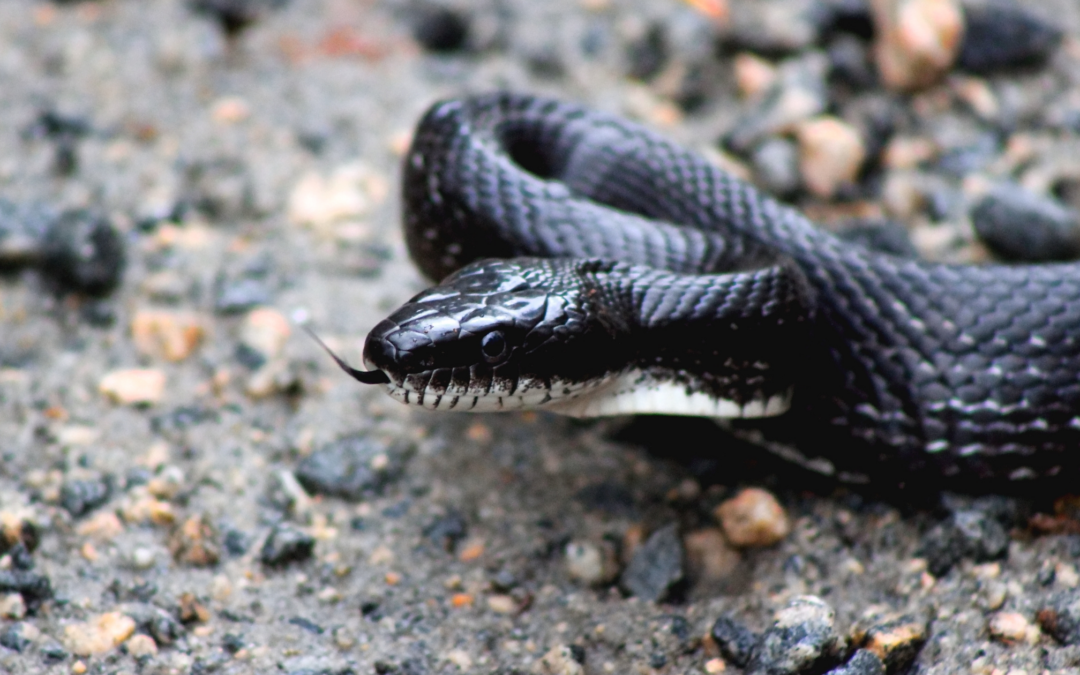
Snakes, with their slithering presence and sometimes unnerving appearance, can be a concern for homeowners in Georgia. Whether you stumble upon one in your yard or suspect they might be lurking nearby, knowing how to handle these reptiles safely and effectively is essential. In this comprehensive guide, we’ll delve into common snakes found in Georgia, tips for avoiding snakebites, what to do if you encounter a snake, and strategies for keeping them away from your property. Plus, we’ll discuss the importance of professional snake removal services and how they can help alleviate your snake problem swiftly and securely.
Georgia is home to a variety of snake species, some of which are harmless while others pose a potential threat. Among the most common snakes you might encounter in the state are:
While most snakes prefer to avoid human contact, encountering them in your yard or near your home can still be disconcerting, especially if you’re unsure of their species or venomous potential.
Prevention is key when it comes to avoiding snakebites, particularly if you spend time outdoors or live in an area prone to snake activity. Here are some essential tips to keep in mind:
If you come across a snake in the wild or in your yard, it’s essential to remain calm and take appropriate precautions. Follow these steps to safely handle the situation:
Preventing snakes from entering your yard in the first place is the best way to avoid encounters and potential problems. Here are some tips to make your property less attractive to snakes:
In cases where snakes have already taken up residence on your property or pose a potential threat to your safety, professional snake removal services are the safest and most effective solution. These trained professionals have the knowledge, experience, and specialized equipment needed to safely remove snakes from your property without causing harm to the animals or risking injury to yourself or your family.
When choosing a snake removal company, be sure to look for one that is licensed, insured, and experienced in dealing with snake-related issues. Additionally, inquire about their removal methods and whether they offer humane relocation services for captured snakes.
In conclusion, while encountering snakes in your yard or outdoor spaces can be unsettling, knowing how to handle these situations safely and effectively is essential for your safety and the well-being of the snakes themselves. By following the tips outlined in this guide and enlisting the help of professional snake removal services when needed, you can minimize the risk of snake encounters and keep your property safe and snake-free.
Remember, when it comes to snake removal, safety always comes first. Trust the experts to handle the job safely and effectively, allowing you to enjoy your outdoor spaces without the worry of unwanted reptilian visitors.