Sep 5, 2025 | Florida Pest Control
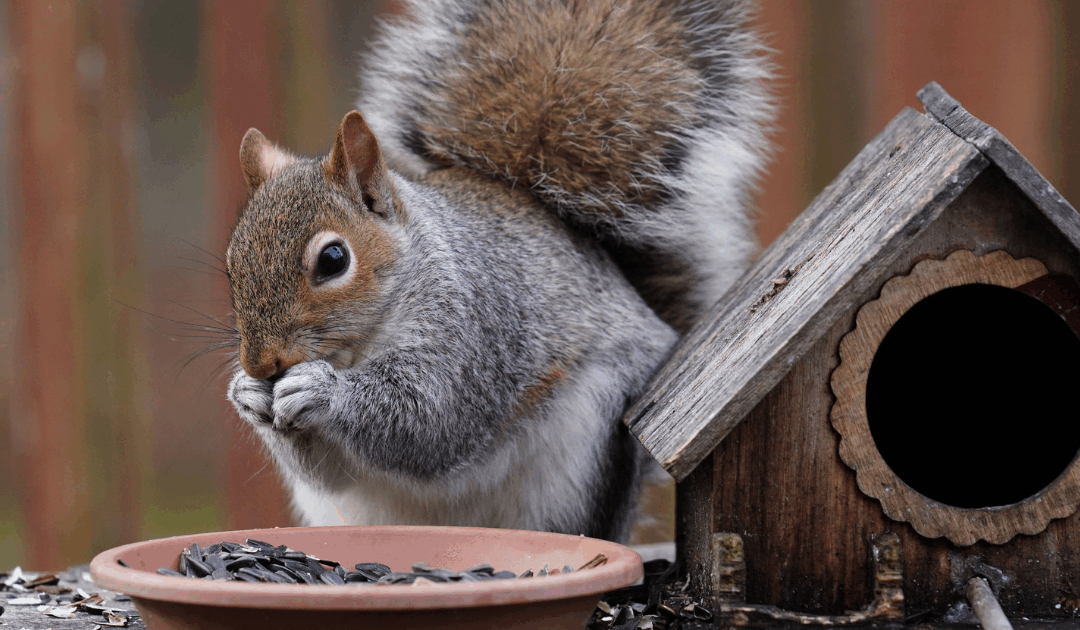
Broward County’s year-round warmth and lush vegetation make it a haven for squirrels. While they can be entertaining in parks, these agile climbers are less welcome when they invade attics, damage gardens, or chew through home structures. By understanding squirrel behavior and using strategies tailored to South Florida, homeowners can protect their property while maintaining balance with the local environment.
Understanding Broward County’s Squirrel Population
South Florida is home to several squirrel species, with gray squirrels and fox squirrels most common around residential areas. They use power lines, fences, and trees as travel routes and often seek shelter in attics, sheds, or crawl spaces.
Because Broward’s climate keeps squirrels active all year, the risk of property damage, noise, and potential health concerns is ongoing. Females typically have two litters a year—late winter and mid-summer—making these peak times for activity.
Signs of Squirrel Problems in Your Home
Early detection helps prevent costly repairs. Common signs include scratching or scampering in attics, especially at dawn or dusk, chewed roof edges or soffits, damaged screens, and gnaw marks on wood or wires. Outdoors, you may notice disturbed bird feeders, dug-up flower beds, or plants stripped of fruit and vegetables.
Natural Prevention Strategies
Habitat Modification
Remove attractants that encourage squirrels to linger. Trim branches at least six feet from the roof, clear fallen fruit and nuts promptly, and relocate or squirrel-proof bird feeders.
Physical Exclusion Methods
Cover vents, chimneys, and other openings with hardware cloth or metal screening, using mesh smaller than one inch. Seal gaps with caulk, foam, or metal patches, and reinforce vulnerable roof edges with flashing.
Eco-Friendly Deterrent Solutions
Natural Repellent Applications
Sprinkle cayenne pepper or hot sauce around problem areas, or place cotton balls soaked in peppermint, eucalyptus, or citrus oil near entry points. Predator scents, like fox or coyote urine, can also discourage squirrels.
Strategic Garden Protection
Use lightweight row covers, plant squirrel-resistant flowers like marigolds and alliums, or create decoy feeding spots away from your home and garden.
Attic and Roof Protection
Inspection and Monitoring
Check attics and roofs regularly for signs of damage or nesting materials. Pay special attention after storms, which can create new entry points. Motion-activated cameras can help track activity patterns.
Professional-Grade Solutions
Install chimney caps, vent guards, and tree banding to block climbing routes. These measures reduce access without harming wildlife.
Safe and Humane Management Practices
Live Trapping Considerations
If removal is necessary, use humane live traps with appropriate bait, following Broward County regulations on relocation. Complex situations may require trained wildlife experts who understand local squirrel behavior.
Long-Term Population Management
Encourage natural predators, and coordinate with neighbors for community-wide prevention efforts. Consistent approaches reduce squirrel pressure across the area.
Maintaining Long-Term Success
Broward squirrel control works best with ongoing attention—seasonal inspections, refreshed deterrents, and regular maintenance of exclusion methods. By combining habitat changes, physical barriers, and humane deterrents, you can keep squirrels from becoming long-term houseguests while still protecting the wildlife that makes South Florida unique. For stubborn or recurring issues, experienced pest control professionals can help ensure your home stays squirrel-free. Contact pest control near you for a free quote!

Aug 4, 2025 | Wildlife
Atlanta’s heat and humidity don’t just bring out the bugs—they also drive wildlife indoors. During August, attics become a popular hideout for animals escaping the heat. While it may seem minor at first, these attic invaders can cause serious damage and health concerns for homeowners. Here are three common attic invaders in the Atlanta area, what attracts them, and how to keep them out.
Common Attic Invaders in Atlanta
1. Squirrels
Why They’re There:
Squirrels are agile climbers and often enter attics through roof gaps, vents, or loose shingles. During hot months, they look for shaded, quiet areas to build nests.
What They Cause:
Chewed wires and wood, increasing fire risk and structural damage
Nests made with attic insulation, leading to reduced energy efficiency
Droppings that create odors and spread bacteria
Prevention Tips:
- Trim tree limbs near your roof
- Seal entry points with metal mesh or caulk
- Keep outdoor garbage and food sources secured
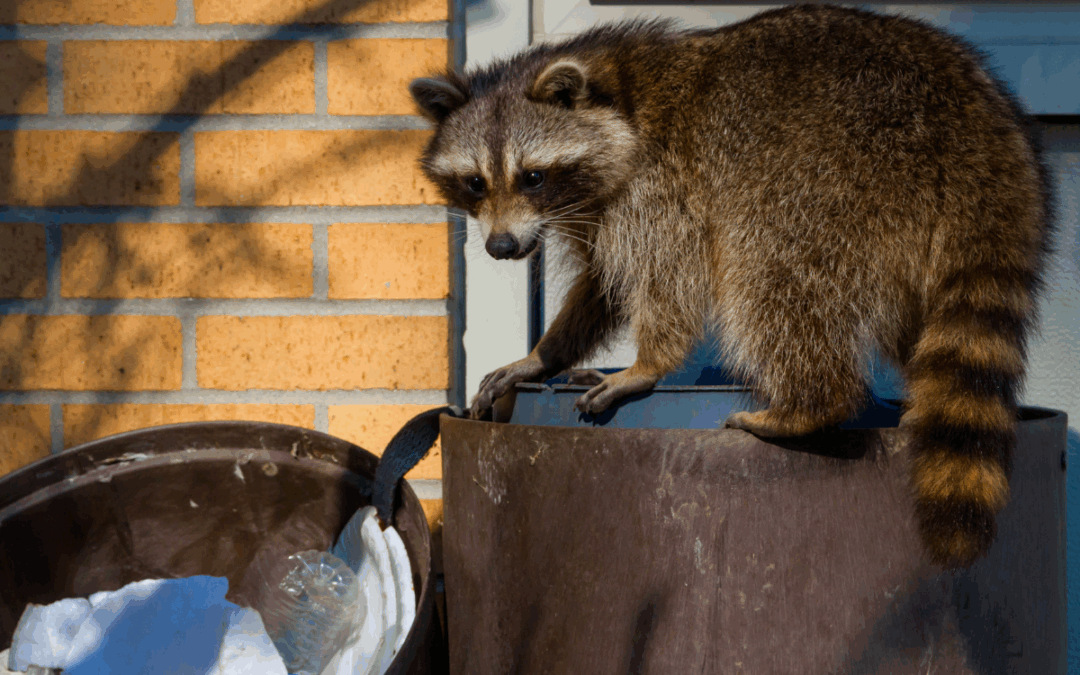
2. Raccoons
Why They’re There:
Raccoons are persistent and strong. They can tear through soffits or siding to get into attics, especially when looking for shelter or food.
What They Cause:
- Torn insulation, broken ductwork, and structural damage
- Contaminated areas due to droppings and urine
- Health risks from parasites and diseases like rabies
Prevention Tips:
- Install approved chimney cover device
- Remove outdoor attractants like pet food and bird feeders
- Check the roof regularly for loose or damaged spots
3. Bats
Why They’re There:
Bats can squeeze through cracks as small as 3/8 inch and often roost in attics to raise their young.
What They Cause:
- Accumulated guano, which damages insulation and structures
- Strong ammonia-like odors and increased mold risk
- Health concerns such as histoplasmosis and rabies exposure
Prevention Tips:
- Seal small gaps around vents, siding, and chimneys
- Use bat exclusion devices that allow exit without return
- Avoid handling bats, as they are protected under federal law
Tips to Keep Wildlife Out
A proactive approach can help reduce the chance of animals entering your attic:
- Seal entry points throughout your home’s exterior
- Remove food sources from your yard and outdoor spaces
- Keep vegetation trimmed and yard clutter to a minimum
- Inspect your attic for droppings, sounds, or nesting signs
When to Call Wildlife Control Experts
If animals have moved into your attic, it’s best to bring in trained professionals. Wildlife can be unpredictable, and improper handling can lead to further damage—or violations of federal wildlife laws.
- What wildlife control professionals provide: Animal removal tailored to species and situation
- Repair of damage and sealing of entry points
- Guidance to help prevent future infestations
Protect Your Home from Wildlife This Summer
Squirrels, raccoons, and bats can all find their way into Atlanta homes during the summer. With the right steps and support, you can keep wildlife out and maintain the comfort of your home.
Reach out to a trusted local wildlife control team to inspect, remove, and help prevent future problems.
Jul 21, 2025 | Snake Control
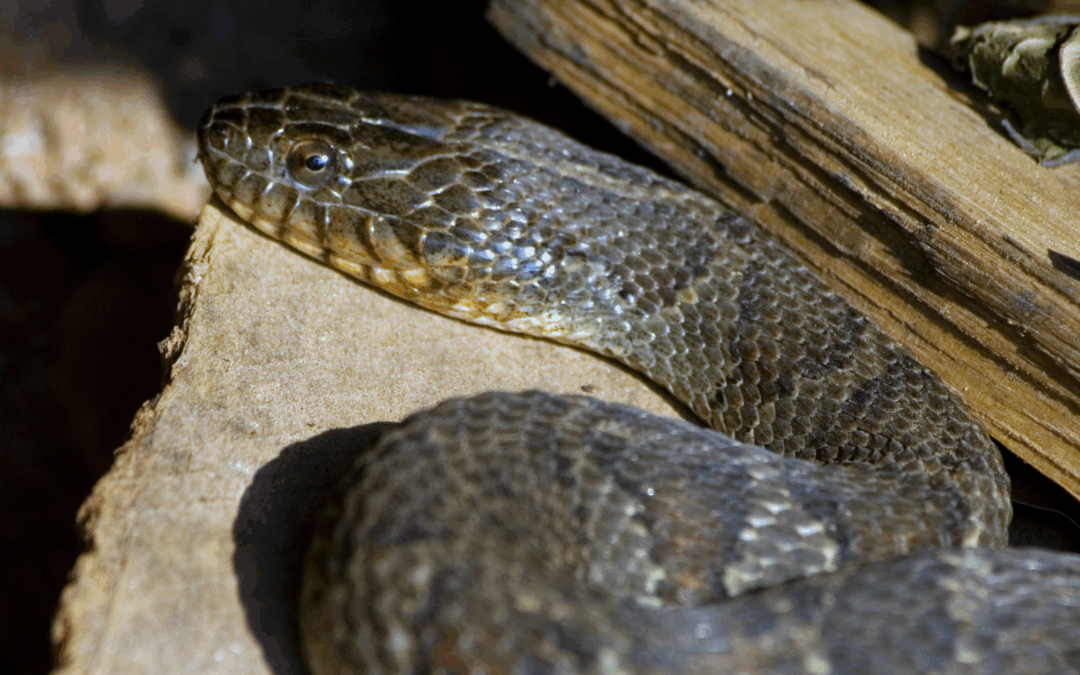
Tennessee’s picturesque landscapes are a joy to live in, filled with rolling hills, lush greenery, and thriving wildlife. But with all this natural beauty comes one thing every homeowner dreads encountering too close to home: snakes. While most snakes you’ll find here are harmless and even beneficial as natural pest controllers, you probably don’t want them turning your home into their habitat. Fortunately, there are simple, effective ways to keep snakes out of your living spaces. Follow these practical tips to snake-proof your Tennessee home and enjoy peace of mind.
How To Snake-Proof Your Tennessee Home
Seal the Gaps
Snakes are experts at finding their way inside through even the smallest openings. Cracks as narrow as a quarter inch can become their point of entry, so it’s crucial to inspect your home and seal gaps thoroughly.
How to Snake-Proof Your Home’s Exterior
- Inspect Exterior Walls and Foundations: Conduct a detailed walk-around, looking closely at cracks in the foundation, walls, and even utility line entry points.
- Use Caulk or Weatherproof Sealants: For small gaps and cracks, seal them up with caulk or silicone-based products to create a pest-proof seal.
- Install Door Sweeps: If light shines through beneath your doors, that’s likely a big enough space for a snake. Install rubber door sweeps under exterior doors to block their path.
- Cover Vents with Screens: Many homes have attic vents and crawlspace openings. Use fine-mesh wire screens to cover these areas while keeping ventilation intact.
Securing these entry points doesn’t just deter snakes; it also prevents insects and rodents from getting inside.
Tidy Up the Yard
Your yard can unintentionally invite snakes if it offers prime hiding spots. Snakes are drawn to areas where they can safely rest and hunt prey. Keeping your outdoor space tidy goes a long way toward making your property unappealing to these slithering creatures.
Yard Maintenance Tips
- Keep Grass Trimmed: Tall grass gives snakes plenty of cover to move around unseen. Mow your lawn frequently, especially near your home’s foundation and fences.
- Clear Woodpiles and Debris: Firewood and leaf piles are warm, sheltered spots snakes love to hide in. Store firewood at least 12 inches off the ground and keep it far from the house. Remove leaves, rocks, and other debris regularly.
- Trim Plants and Bushes: Dense shrubbery close to your home can create a perfect hiding place. Maintain a well-trimmed yard and ensure there’s a clear gap between plants and your home’s walls.
- Avoid Ground-Level Clutter: Tarps, discarded materials, or even outdoor toys lying around make for inviting snake shelters. Stow items neatly in sheds or off the ground.
A clutter-free and well-maintained yard sends a clear message to snakes that they won’t find a cozy home here.
Steps to Deter Prey
- Rodent Control: Snakes love to feast on mice and rats. Look for signs of rodent activity (gnaw marks, droppings) and eliminate infestations promptly using traps or professional rodent control services.
- Secure Trash Bins: Rats and other pests scavenging through open garbage can attract snakes. Use tightly sealed lids on trash bins.
- Avoid Leaving Pet Food Outdoors: Pet kibble left outside overnight can attract both rodents and snakes. Feed pets indoors or pick up food bowls promptly.
- Eliminate Standing Water: Stagnant water in gutters, flowerpots, or birdbaths attracts both insects and amphibians, which snakes prey on. Regularly empty or fix areas where water collects.
Reducing the food supply makes your property far less appealing for hungry snakes.
Secure Sheds, Garages, and Crawlspaces
Cool, dark spaces like garages, sheds, and crawlspaces are highly attractive to snakes. Without proper precautions, these areas can become their go-to hideaways.
Tips to Snake-Proof Storage Areas
- Close Gaps Around Doors: Like your home’s main doors, garage and shed doors can have gaps underneath. Install new weather-sealing strips to block them.
- Screen Openings: Cover crawlspace vents, attic openings, and other access points with durable wire mesh screens to keep larger pests out while retaining airflow.
- Declutter Storage Areas: Avoid clutter in sheds and garages. If items are stored on the floor, consider using shelves to keep them elevated and reduce hiding places.
- Keep Doors Shut: Make it a habit to close garage or shed doors when not in use. Leaving them open, even briefly, can invite snakes to slip inside unnoticed.
Regular inspections of these areas can help catch any issues before they escalate.
Keep Snakes Out—and Peace of Mind In
Snake-proofing your Tennessee home doesn’t have to be overwhelming. Simple steps like sealing entry points, clearing yard clutter, removing food sources, and securing storage areas can make a big difference. And if snakes keep showing up, calling a wildlife services or pest control company near you can give you the expert support—and peace of mind—you need.
Mar 17, 2025 | Wildlife
Bees play a remarkable role in maintaining our ecosystem. Their tireless work as pollinators supports the growth of plants that provide food, oxygen, and habitat for countless species, including us. However, when bees decide to make their home just a little too close to yours, it can pose challenges for homeowners. If you’ve noticed increased bee activity around your house, don’t panic! This guide will help you recognize the signs of a potential bee infestation and explain how professional help can manage the situation while staying out of harm’s way.
Managing a Bee Infestation
Recognizing the Signs of a Bee Infestation
Before you assume you have a bee infestation, it’s important to identify the signs. Here are some telltale indicators that bees may have established a colony on your property:
1. Frequent Bee Sightings Near Your Home
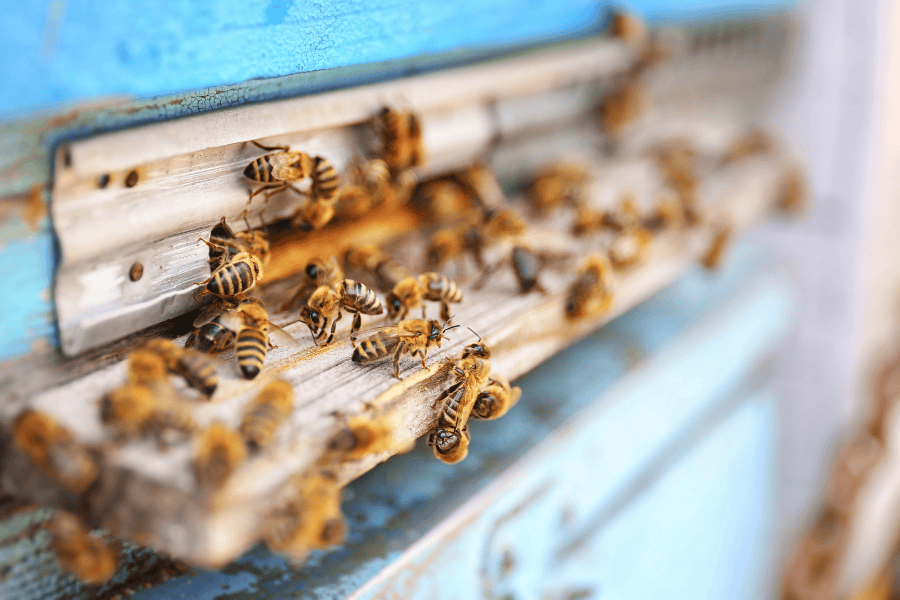
Seeing a few bees in your yard is perfectly normal, especially in garden-friendly states like Georgia. But if you notice a consistent stream of bees flying to and from a specific location, it could be evidence of a nearby colony.
2. Buzzing Sounds Inside Walls or Ceilings
Bees commonly build their colonies within the walls or ceilings of homes. If you hear a faint but steady humming sound, especially in quiet rooms, it could be the sound of an active colony.
3. Sticky Residue or Dark Stains
If bees have built a colony inside your walls, over time, melted honey or wax may create sticky or dark stains on surfaces. Inspect areas with staining or discoloration to check for other signs of bee activity.
4. Lingering Bees Around Specific Features
Check attics, vents, chimneys, or exterior cracks in the foundation. Bees are resourceful when it comes to nesting, and these areas are common colony building spots.
5. Sightings of Swarms
A bee swarm can understandably seem alarming, but swarms are often temporary . Swarming typically happens when bees are searching for a new nesting site. If they’re congregating nearby, they might be looking to settle on your property.
Why You Shouldn’t Attempt DIY Removal
We understand you might be tempted to address the problem yourself. However, when it comes to bees, DIY efforts can sometimes make matters worse. Here’s why leaving it to a professional is essential:
- Proper Identification: Not all stinging insects are bees—correctly identifying them ensures the right approach.
- Avoid Secondary Issues: Improper colony removal can leave behind honey and wax, attracting pests and odors.
- Health Risks: Approaching a colony without protection can lead to stings—leave it to the experts.
- Bee Preservation: Professionals focus on no-harm colony relocation to protect the environment.
How Professional Services Can Help You
If you’ve identified signs of a bee infestation, partnering with a professional bee relocation service is the next best step. Specialists in handling bee situations offer tailored solutions that balance your needs as a homeowner with the wellbeing of the bee population. Here’s how experts can assist:
- Thorough Assessment: Experts evaluate the colony’s location, size, and species to determine the best approach for removal.
- Humane Relocation: Many services focus on relocating colonies instead of destroying them, often partnering with beekeepers to ensure bees are moved to a better habitat.
- Protective Measures: Technicians use specialized equipment and methods to handle the colony without unnecessary risks to people or property.
- Long-Term Solutions: Beyond removal, professionals seal entry points and recommend ways to prevent future colony activity.
- Education & Guidance: Experts offer insights on recognizing early colony formation, reducing attractants, and coexisting with pollinators.
Contact Professional Services for Bee-Related Concerns
As a homeowner, it’s normal to feel concerned when bees settle a little too close for comfort. But with expert guidance and humane solutions, managing a bee infestation can be as stress-free as possible. Protect your home and support local pollinators by reaching out to your local bee removal experts today!
Nov 20, 2024 | Florida Pest Control
Florida, known for its sunny beaches and bustling theme parks, is also home to a vibrant array of wildlife. Among these creatures are the snakes that thrive in the state’s warm climate. Understanding and navigating the snake season in Florida is crucial for homeowners and business owners. In this guide, we will explore the ins and outs of snake season, highlight common species, and offer practical advice on how to safely coexist with these fascinating reptiles.
A Guide to Snake Season in Florida
What is Snake Season in Florida?
Snake season in Florida refers to the period when snakes are most active. This typically aligns with the warmer months, from April through October. During these times, snakes come out of hibernation to hunt, mate, and bask in the sun. The peak of this activity often occurs in the summer when temperatures are at their highest. Understanding this timeframe is essential for anyone living or working in Florida, as it helps anticipate and prepare for potential snake encounters.
Knowing when snake season starts and peaks can significantly impact how residents and businesses prepare. The increase in snake activity means that more encounters are likely, especially in areas close to natural habitats. Being informed can help homeowners secure their properties and businesses implement safety measures to protect their premises.
Common Snake Species in Florida
Eastern Diamondback Rattlesnake
The Eastern Diamondback Rattlesnake, one of the most iconic snakes in Florida, is easily recognizable by its distinctive diamond pattern. This venomous species prefers dry, sandy, and mixed forest habitats. Awareness of its presence and behavior is vital, as its bite can be dangerous.
Eastern diamondbacks are generally shy and prefer to avoid human contact. However, they are known to defend themselves vigorously if threatened. Recognizing their distinctive rattle and understanding their preferred environments can help minimize the risk of encounters.
Water Moccasin
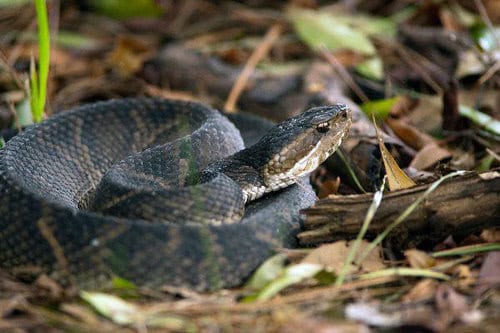
Also known as the cottonmouth, the water moccasin is another venomous snake commonly found in Florida. This species thrives in wetland areas, such as swamps and lakes. Known for its aggressive defensive behavior, the Water Moccasin can be identified by its thick body and a distinctive white mouth.
Water moccasins often bask near water and can be found swimming across ponds and streams. They are known for their potent venom but are generally non-aggressive unless provoked. Understanding their habits and habitats can help reduce the chance of an unpleasant encounter.
Non-Venomous Snakes
Florida is also home to a variety of non-venomous snakes, including the black racer and the corn snake. These species play a crucial role in controlling pest populations and maintaining ecological balance. While non-venomous, they can still startle unsuspecting individuals.
Non-venomous snakes often adapt well to urban environments and can be found in gardens, parks, and even residential areas. Recognizing the beneficial role they play can encourage coexistence and reduce unnecessary fear.
Influences on Snake Behavior
Weather Patterns
Weather significantly influences snake behavior. Warmer temperatures increase their activity levels as they seek out food and mates. Conversely, during cooler months, many snake species become less active, often entering a state of brumation, similar to hibernation.
Understanding these patterns can help predict when snakes are more likely to be encountered. For example, after a rainstorm, snakes may be more active as they hunt and explore.
Environmental Factors
The environment plays a crucial role in snake behavior. Factors such as habitat availability, food sources, and human encroachment affect where and when snakes are active. Urban development can sometimes force snakes closer to human dwellings as they search for food and shelter.
Being aware of these factors allows for better preparation and management of snake encounters. Simple measures like keeping yards tidy and securing food waste can significantly reduce the attraction for snakes.
Mitigating Snake Encounters
Practical Advice for Homeowners
Homeowners can take several steps to minimize snake encounters. Regularly mowing the lawn, trimming bushes, and removing debris can eliminate places for snakes to hide. It’s also wise to seal any gaps in buildings to prevent snakes from entering homes.
Educating family members about common snake species and what to do if one is spotted can further ensure safety. The use of snake repellents and maintaining clear paths around the property can also deter snakes from venturing too close.
Tips for Local Businesses
Businesses, especially those with outdoor areas, should implement measures to prevent snake encounters. Regular inspections and maintenance of outdoor spaces can help identify potential snake habitats. Providing staff training on snake awareness and response can also enhance safety.
For businesses dealing with food, ensuring proper waste management practices prevent attracting rodents—a primary food source for many snakes. Installing fencing and signage can help keep both customers and wildlife safe.
The Role of Pest Control Professionals
Assistance During Snake Season
Pest control professionals play a critical role during snake season. Armed with the knowledge and skills to handle various snake species, they provide essential services such as inspections, snake-proofing, removal of unwanted snakes, and repellant services.
These professionals can offer tailored solutions based on specific needs, ensuring that homes and businesses remain safe and snake-free. Their expertise is invaluable in creating long-term strategies for managing snake activity.
Services Offered
Pest control services often include preventive measures, identifying potential snake habitats, and advising on property modifications. They can also engage in direct snake removal, ensuring humane handling of these creatures.
Providing educational resources and support, pest control professionals act as a vital bridge between humans and nature, promoting coexistence and protection.
Understanding snake season in Florida and how to coexist with these fascinating creatures is vital for residents, businesses, and pest control professionals. By recognizing common snake species, their behavior, and taking proactive measures, we can safely share our beautiful state with them.
For further guidance, consider consulting with local pest control experts who can provide tailored advice and support.