Mar 31, 2025 | Wildlife
If you’ve discovered a buzzing colony of honeybees on your property, you might be wondering what to do. Don’t worry—there’s a way to handle this situation that protects both your home and these important little pollinators! Honeybee relocation is a great solution, and local beekeepers are key to making it happen.
Honeybees are vital for pollinating plants, which helps flowers bloom and fruits and vegetables grow. But sometimes, they end up in places that aren’t ideal for homeowners. This is where beekeepers step in to relocate the colony, giving the bees a better location while ensuring your property is free of concerns.
Here’s why local beekeepers play such an important role in this process and how it benefits homeowners like you.
The Role of Local Beekeepers
Why Honeybee Relocation Matters
Honeybees play a huge role in our environment. They pollinate about one-third of the crops we eat, including fruits, vegetables, nuts, and more. Without them, plants wouldn’t grow as well or produce as much food.
However, as urban areas expand and natural spaces shrink, honeybees sometimes end up building their hives in places like walls, attics, or trees near homes. Relocation protects their colonies and ensures they can continue their important work elsewhere, away from high-traffic areas or living spaces.
How Local Beekeepers Contribute
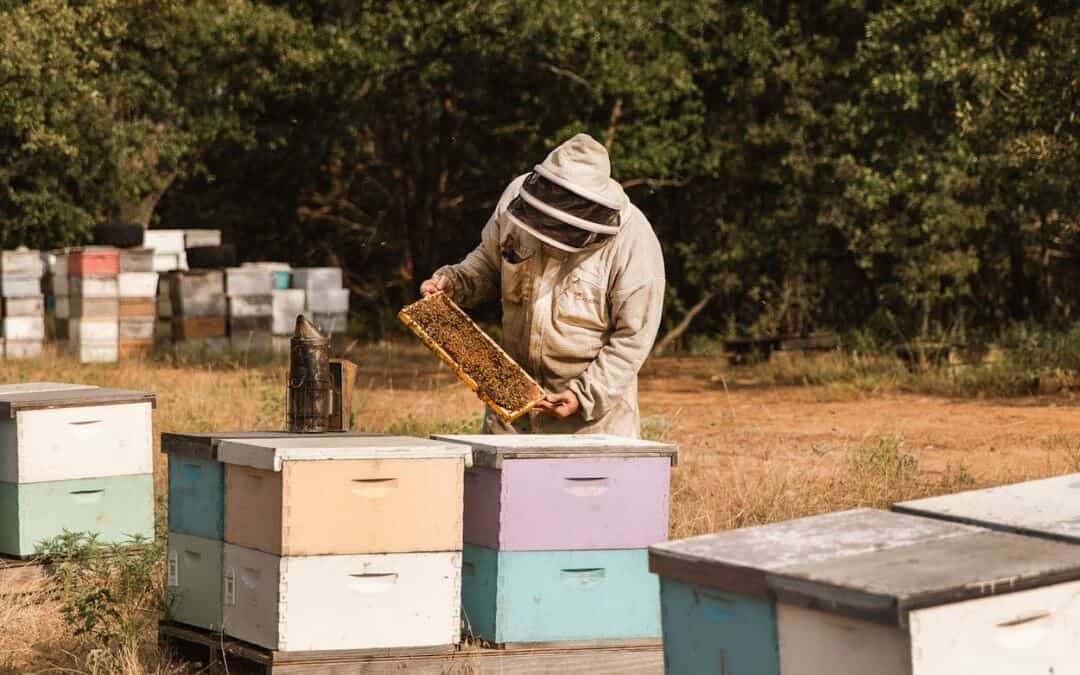
Beekeepers are experts in handling honeybee colonies. Their knowledge and care make relocation possible while keeping the bees healthy and productive. Here’s how they help:
- Giving Bees a New Home: Beekeepers often have managed spaces like bee farms or apiaries where relocated colonies can thrive. These locations are perfect for bees to continue pollinating plants and producing honey.
- Understanding Hive Behavior: Bees operate as a colony, working together to support their queen and each other. Beekeepers know how to handle them with care, ensuring the hive stays intact during the move.
- Supporting Agriculture: Relocated bees are often placed near farms or gardens, where they help pollinate crops like peaches, blueberries, and melons. This partnership strengthens local agriculture.
- Educating the Community: Many beekeepers teach people about the importance of bees and why they should be protected. Through their work, they spread awareness about how critical pollinators are to our environment.
What Happens During Relocation?
When honeybee colonies need to be relocated, local beekeepers and pest control professionals often team up. Here’s what the process looks like:
- Inspection: The hive is carefully inspected to understand its size and structure.
- Relocation: Beekeepers gently remove the hive and transport it to a better spot.
- New Home Setup: The bees are placed in a welcoming location like an apiary, where they can continue thriving.
- Monitoring: After the move, beekeepers check on the hive to ensure the bees adjust well to their new surroundings.
Benefits for Homeowners
Choosing honeybee relocation not only solves the immediate problem of a hive on your property but also helps the environment in several ways. Here’s how you benefit:
- Peace of Mind: Knowing that the hive has been expertly relocated lets you enjoy your property without worry.
- Environmental Impact: Relocated bees continue pollinating plants, contributing to healthier gardens, farms, and ecosystems.
- Local Honey: Relocated bees may eventually produce honey that supports farmers’ markets and local businesses.
- Learning Opportunity: Seeing how beekeepers work can help you better understand the importance of bees and inspire eco-friendly habits.
Why This Matters
Honeybees are facing growing challenges like habitat loss and pesticide use . The work of local beekeepers in relocating hives is crucial for supporting bee populations. Without honeybees, we risk losing countless plants that depend on them, from garden flowers to crops that feed our families.
By choosing relocation over extermination, homeowners can make a big difference. It’s a simple decision that protects the bees, your property, and the environment.
Next time a hive appears near your home, remember that local beekeepers are here to help. They’re not just moving bees—they’re protecting pollination, promoting agriculture, and contributing to a thriving planet. Together, we can all do our part to support these incredible pollinators and keep our communities blooming. If you find a hive on your property, reach out to honeybee experts to responsively relocate the bees and protect your space, all while supporting a healthier environment.
Mar 28, 2025 | Florida Green Pest Control
Are pests intruding on your peaceful home while leaving you concerned about the environment and your family’s well-being? For homeowners in Fort Myers, the solution is simple and sustainable—green pest control. This eco-friendly approach to pest management is not only better for your health but also helps protect the environment, local ecosystems, and future generations.
This comprehensive guide explores why so many Fort Myers homeowners are making the switch to green pest control. From guarding your indoor air quality to promoting a healthier community, you’ll learn all the compelling benefits of choosing eco-conscious pest management solutions.
Green Pest Control: A Guide to Eco-Friendly Solutions
What Is Green Pest Control?
Green pest control refers to pest management methods that use natural, environmentally less-toxic products rather than traditional chemical pesticides. This eco-friendly alternative combine prevention strategies, non-toxic pest repellents, and sustainable practices to deliver effective results with minimal harm to people, pets, and the planet.
Now, let’s dive into why these sustainable pest control methods are gaining traction with eco-conscious homeowners in Fort Myers.
Eco-Friendly Solutions that Protect Your Home and the Environment
One of the most significant advantages of green pest control is its reliance on natural ingredients, which significantly reduces its environmental impact. Traditional pest control often employs harsh chemicals that linger in soil, water, and air, posing risks to non-target organisms such as birds, beneficial insects, and plants.
By using eco-friendly alternatives you can ensure that:
- Beneficial pollinators like bees and butterflies remain unharmed.
- Garden plants and landscapes are spared from toxic damage.
- Pets and children who play outdoors are exposed to fewer risks.
Fort Myers homeowners who choose green pest control are not only protecting their homes but also taking meaningful steps to preserve Florida’s lush natural ecosystems.
Create a Healthier Indoor Environment for Your Family
Did you know that some traditional chemical pesticides can compromise the quality of indoor air, leaving harmful residues that may take days or even weeks to dissipate? Residual chemicals can irritate respiratory systems, trigger allergies, and exacerbate chronic conditions like asthma. For families with children or elderly members, these risks are especially concerning.
Non-toxic pest control products are crafted to eliminate pests effectively without harming your home’s air quality. By switching to these less-toxic solutions, you can create a smarter, healthier living environment for everyone in your household.
Long-Term Benefits of Green Pest Control
While traditional pest control methods may offer quick fixes, they often fail to address the root causes of pest infestations. Green pest control, on the other hand, emphasizes prevention and sustainable solutions.
How Green Pest Control Ensures Long-Term Protection:
- Preventive Measures: Sealing entry points, improving sanitation, and addressing conditions that attract pests to prevent infestations from recurring.
- Natural Repellents: Essential oils, botanical extracts, and diatomaceous earth deter pests without disrupting your ecosystem.
- Integrated Pest Management (IPM): A strategic approach combining monitoring, biological control, and non-toxic products for sustainable results.
This proactive approach ensures fewer pests over time, leading to reduced treatment costs and long-lasting peace of mind.
Health Benefits of Green Pest Control:
- No toxic residues left behind.
- Healthier treatment methods for pets that curl up on carpets or children who explore every corner of your home.
- Peaceful nights without worrying about lingering chemical fumes.
Support Local Ecosystems with Eco-Friendly Practices
Florida is blessed with diverse and delicate ecosystems. However, chemical pest control disrupts this balance, often killing beneficial insects such as bees, ladybugs, and butterflies. These organisms play critical roles in pollination, pest control, and maintaining the health of local flora.
Green pest control supports ecosystem health through:
- Selective targeting of pests that harm homes and crops.
- No collateral damage to helpful organisms or native species.
- Sustainable practices that align with Florida’s environmental goals.
Fort Myers homeowners recognize the importance of protecting these ecosystems, and green pest control allows them to contribute to the conservation of their community.
By switching to green solutions, you’re prioritizing what matters most—your family’s health, your home’s integrity, and the environment you cherish.
Why This Trend Is Rising:
- Increased awareness of chemical pesticide dangers.
- A desire to preserve Florida’s lush landscapes and native species.
- A broader commitment to eco-friendly lifestyles, from energy-efficient homes to waste reduction.
By making green pest control a part of your home management plan, you’re joining a growing community of environmentally responsible homeowners shaping a healthier future.
Feel Confident with Healthier, Smarter Pest Control
One of the biggest perks for Fort Myers residents choosing green pest control is the peace of mind it brings. Knowing that your pest management methods are eco-friendly, healthier for children and pets, and sustainable for the planet allows you to rest easy. You can trust green pest control to deliver results without sacrificing well-being or ethics.
If you’re ready to take the first step toward a healthier, smarter home, reach out to your Fort Meyer’s local team of pest control experts today. Together, we can help you create a pest-free environment while staying true to your values.
Because when it comes to your health and the environment, green is always the smarter choice.
Mar 27, 2025 | Wildlife
Bees are some of Georgia’s most essential pollinators, yet they face increasing threats from habitat loss, pesticides, and climate change. For homeowners looking to cultivate beautiful and eco-friendly gardens, planting bee-friendly plants can provide a non-toxic environment for these critical pollinators, all while enhancing the vibrancy of backyard spaces.
This blog explores the best bee-friendly plants for Georgia gardens, including native flowers, beneficial herbs, and flowering trees and shrubs. Whether you’re a seasoned gardener or just starting your green-thumb journey, these plant recommendations will help you create an inviting habitat that supports pollinator health.
Recommendations: Bee-Friendly Plants
Why Plant a Bee-Friendly Garden?
Before we dig into plant recommendations, it’s important to highlight why bee-friendly gardens matter:
- Pollination Power: Bees are responsible for pollinating over 75% of flowering plants and nearly 35% of the food crops we eat.
- Supporting Biodiversity: Planting for bees cultivates ecosystems that support a variety of pollinators, birds, and other wildlife.
- Healthy Landscapes: Bee-friendly gardens eliminate the need for harsh pesticides, creating healthier spaces for homeowners and pets.
By including the right plants, you enable bees to thrive while also enjoying a more stunning, productive backyard. Now, let’s explore the best options for your Georgia garden.
Native Flowers for Pollinators
Georgia’s climate is rich in biodiversity, making it an ideal environment for native flowers. These plants naturally thrive in the region’s soil and climate while offering crucial resources to native bees.
1. Purple Coneflower (Echinacea purpurea)
Purple Coneflower is a favorite among gardeners and pollinators alike. With its daisy-like petals and vibrant purple hue, this perennial attracts numerous bee species, including bumblebees and carpenter bees. It’s hardy, drought-resistant, and blooms throughout summer, providing lasting nourishment.
- Sun Requirements: Full sun to partial shade
- Bloom Period: Summer to early fall
- Benefit: Supports both honeybees and native bees
2. Black-Eyed Susan (Rudbeckia hirta)
Known for its golden-yellow petals and dark centers, Black-Eyed Susan is a pollinator magnet. These vibrant flowers not only attract bees but also support butterflies and songbirds.
- Sun Requirements: Full sun
- Bloom Period: Summer to early fall
- Benefit: Easy to grow and resilient in Georgia’s warm climate
3. Coreopsis (Coreopsis spp.)
Coreopsis, often called “tickseed,” is a cheerful perennial that thrives in Georgia gardens. Bees love their bright yellow flowers, which bloom prolifically when exposed to full sunlight.
- Sun Requirements: Full sun
- Bloom Period: Spring through fall
- Benefit: Long-lasting blooms and minimal maintenance
4. Lavender (Lavandula spp.)
Lavender serves a dual purpose in gardens, offering a soothing fragrance to humans and a rich source of nectar to bees. Its tall, purple flowering spikes are irresistible to a variety of pollinators.
- Sun Requirements: Full sun
- Bloom Period: Late spring to early summer
- Benefit: Deters pests while attracting bees
5. Basil (Ocimum basilicum)
While most people grow basil for its culinary uses, it’s also a bee-loving herb if allowed to flower. Its small clusters of white or purple blooms provide nutrients for pollinators throughout the season.
- Sun Requirements: Full sun
- Bloom Period: Summer
- Benefit: Combines garden aesthetics with kitchen utility
6. Rosemary (Rosmarinus officinalis)
Rosemary’s evergreen foliage and tiny blue blooms make it a favorite in Georgia gardens—both for pollinators and gardeners. Its flowers can appear even in winter, providing much-needed nectar during colder months.
- Sun Requirements: Full sun
- Bloom Period: Winter to late spring
- Benefit: Thrives in Georgia’s well-draining soils
Flowering Trees and Shrubs for Pollinators
Flowering trees and shrubs create a stunning visual centerpiece in your yard while offering significant benefits for pollinators. These larger plants serve as vital food sources and shelter for bees in your region.
1. Redbud (Cercis canadensis)
One of Georgia’s most beloved native trees, the Redbud graces gardens with its vibrant pink blossoms in early spring. Its flowers are among the first food sources for bees after winter hibernation.
- Sun Requirements: Full sun to partial shade
- Bloom Period: Early spring
- Benefit: A crucial pollinator food source after winter
2. Tulip Poplar (Liriodendron tulipifera)
The Tulip Poplar, often referred to as the “bee tree,” features distinct yellow-green flowers that are highly attractive to bees. This towering tree is a staple for pollinators looking for abundant nectar.
- Sun Requirements: Full sun
- Bloom Period: Late spring
- Benefit: Provides large amounts of nectar for honeybees
3. Southern Magnolia (Magnolia grandiflora)
Nothing captures the beauty of Southern gardens quite like the Southern Magnolia. Its large, fragrant white blossoms are not only a visual feast but also a rich nectar source for native pollinators.
- Sun Requirements: Full sun to partial shade
- Bloom Period: Spring and summer
- Benefit: Supports bees while adding elegance to your landscape
Tips for Maintaining a Bee-Friendly Garden
After selecting the right plants, the following tips will ensure your Georgia garden remains a bustling bee haven:
- Avoid pesticides and herbicides, as these chemicals can harm bees and other beneficial insects.
- Incorporate a mix of plants that bloom at different times to provide year-round nectar.
- Include shallow water sources like birdbaths or dishes filled with water and pebbles for hydration.
- Allow some plants, like herbs, to flower to attract pollinators.
By implementing these practices, you’ll create not just a beautiful garden, but a thriving ecosystem that supports pollinators in the Georgia region.
Create Your Bee-Friendly Oasis
Bee-friendly gardening is more than just a trend—it’s an investment in the environment and the future of pollinators. By planting native flowers, herbs, and flowering trees and shrubs, you’re building a sanctuary for bees while enjoying vibrant blooms, fragrant herbs, and a healthier landscape.
If a beehive has ended up in an unwanted place on your property, our honeybee experts are here to help! Contact our team for eco-friendly pest control solutions to protect both your home and these essential pollinators.
Mar 25, 2025 | Florida Green Pest Control
Pest problems can feel like a never-ending battle, especially in Naples, where the warm, humid climate creates the perfect breeding ground for unwelcome critters. While conventional chemical pesticides might provide a temporary fix, they can pose significant risks to your health, your home, and the environment. The good news? Eco-friendly pest control solutions are not only effective but also sustainable and less-toxic. Check out our green pest control tips for use in your Naples home.
Green Pest Control Tips
Why Choose Eco-Friendly Pest Control?
Before diving into the tips, let’s discuss why eco-friendly pest control is the way to go. Traditional pesticides often contain harmful chemicals that linger in your home, garden, and even the local water supply, putting both your family and wildlife at risk. By opting for green pest control methods, you can protect your home without compromising your health or the environment. Whether you’re protecting your Naples home or contributing to environmental preservation, adopting these green strategies can be a win-win!
1. Embrace Natural Solutions for Pest Control
Natural pest control focuses on using non-toxic techniques to manage pests safely, without harming your family, pets, or the environment. Here are a few simple ways to implement natural methods effectively:
- DIY Natural Sprays: Create your own pest-repellent sprays using ingredients like vinegar, lemon, and essential oils. Some examples include:
- Citrus Spray: Mix water with citrus peels or citrus oil and spray in areas where ants or roaches are active.
- Peppermint Spray: Combine peppermint essential oil with water to repel spiders. These sprays disrupt pests’ sensory abilities without any harmful side effects for you or the planet.
- Introduce Beneficial Predators: Let nature do the work for you by releasing beneficial insects, such as ladybugs and lacewings, into your garden. These insects prey on harmful pests like aphids and mites. You can easily find these insects online or at your local garden store.
- Use Diatomaceous Earth: Diatomaceous earth is a non-toxic powder made from fossilized algae that dehydrates pests like ants and cockroaches without harming humans or pets. It’s a natural way to manage pests while keeping your home chemical-free.
Embracing natural pest control methods allows you to avoid introducing toxins into your home while effectively keeping pests at bay.
2. Seal Entry Points to Keep Pests Out
The best way to deal with pests is to prevent them from entering your home in the first place. By sealing potential entry points, you can dramatically reduce the likelihood of an infestation.
- Regular Inspections: Pests often invade through tiny cracks and gaps. Regularly inspect the following areas for potential entry points:
- Windows
- Doors
- Foundation
- Roof vents
- Plumbing and utility lines
- Install Weatherstripping and Door Sweeps: Gaps under doors and around windows can serve as highways for insects. Install weatherstripping and door sweeps to block their access, while also improving your home’s energy efficiency.
- Repair Cracks and Holes: Use caulk or sealant to repair any cracks in your walls, around windows, and in the foundation. Pay particular attention to areas where plumbing or utility lines enter your home, as these are common access points for pests.
Sealing entry points is a simple yet powerful step to minimize pest problems before they start.
3. Create a Pest-Repellent Garden
Your yard can be transformed into a natural barrier against pests. By planting certain eco-friendly plants, you can deter insects and rodents while creating a beautiful garden space.
- Pest-Repelling Plants: Here are a few plants known for their ability to repel pests:
- Lavender: This fragrant plant deters mosquitoes, moths, and flies.
- Mint: Known to repel ants and mice, though it should be planted in containers to prevent it from spreading too aggressively.
- Citronella: A well-known mosquito repellent, citronella grass and citronella-scented plants can keep mosquitoes at bay.
- Strategic Garden Design: Plant these pest-repellent species near high-risk areas, such as entryways, patios, and vegetable gardens. This reduces the likelihood of pests making their way indoors.
- Attract Pollinators: Plant flowers like marigolds and sunflowers to attract beneficial pollinators, such as bees and butterflies. These insects not only support the local ecosystem but indirectly assist in pest control by promoting plant health.
By incorporating these eco-friendly plants into your garden, you’re not only enhancing your home’s beauty but also creating a pest-resistant outdoor space that supports sustainability.
Take the Eco-Friendly Pest Control Challenge
Living in Naples doesn’t mean you have to accept pests as part of the deal. With these green pest control tips and experts near you, your home can remain a healthy environment for your family while minimizing harm to the planet. From natural sprays and beneficial predators to sealing entry points and planting pest-repellent gardens, these solutions are both simple and effective. Contact a pest control company near you today for a free quote.
Mar 24, 2025 | Wildlife
Bees are some of the hardest working creatures out there. They pollinate flowers, fruits, and vegetables, making our gardens grow and keeping our food supply strong. If you’re living in Metro Atlanta and want to welcome more bees to your yard, it’s easier than you might think! By making a few small changes, you can create a bee-friendly yard that helps these vital pollinators thrive. Here’s how.
Tips For A Bee-Friendly Yard
Why Bees Need Our Help
Bee populations have faced many challenges over the years—things like habitat loss and climate change. Without bees, a lot of the plants we rely on for food and beauty wouldn’t thrive. Creating a bee-friendly yard is one-way homeowners can make a big difference. Even small adjustments on your property can provide bees with the resources they need to keep buzzing and pollinating.
Easy Tips for a Bee-Friendly Yard
Not sure where to start? Here are some simple steps to transform your yard into a haven for pollinators.
1. Plant Native Flowers and Shrubs
Native plants are like a bee’s favorite restaurant—they provide the perfect food and habitat. Bees especially love plants that produce nectar and pollen, so consider adding a variety of flowers, shrubs, and trees that bloom at different times of the year to feed them throughout the seasons.
Some great options for Metro Atlanta include:
- Black-eyed Susans
- Purple Coneflowers
- Sunflowers
- Milkweed
- Goldenrod
Having a mix of colors, shapes, and sizes will also attract a wider variety of bees and other pollinators.
2. Skip Chemicals
Bees are highly sensitive to pesticides, herbicides, and other chemicals. Instead of using traditional weed killers or harsh sprays, try natural alternatives. For example:
- Use mulch to suppress weeds.
- Try plant-based or homemade pest deterrents.
- Welcome helpful bugs (like ladybugs) to keep pests under control.
Going chemical-free is not only better for bees but also for your entire backyard ecosystem. Look for green pest control options!
3. Provide Fresh Water
Bees get thirsty too! Add a simple water source to your yard, but make sure it’s bee-friendly. A shallow dish of water with pebbles or floating wood pieces will help bees drink without risking them getting stuck. Change the water regularly to keep it fresh.
4. Keep It Messy (Sometimes!)
While we love a well-manicured yard, bees appreciate a bit of wildness. Allow part of your garden to grow naturally, leaving wildflowers or clovers to sprout. You can even create a small “bee corner” filled with pollinator-friendly blooms and plants that don’t need much trimming.
5. Build a Bee Hotel or Habitat
Not all bees live in hives like honeybees. Many, like bumblebees and solitary bees, make their homes in the ground or inside hollow stems. Consider leaving some bare soil or building a small bee “hotel” from wood, bamboo, or other natural materials. It’s a fun project and a great way to attract nesting bees.
Extra Benefits of a Pollinator-Friendly Yard
The best part of creating a bee-friendly yard is that the effort pays off in more ways than one. Bees will love your yard, and you’ll benefit too! Here’s how:
- More Blooms: Pollinated flowers produce more blossoms, giving your garden extra color and beauty.
- Better Vegetables and Fruits: If you grow a garden, bees will help your crops flourish, resulting in bigger harvests.
- Eco-Friendly Practices: Supporting pollinators means helping the environment and contributing to a healthier planet.
Taking the First Step
You don’t need to overhaul your entire yard to make it bee-friendly. Start small by planting a few native flowers or setting out a water dish. Little changes can make a big impact over time.
If you’d like more tips or professional help with creating a bee-friendly space, or if you need assistance managing an unexpected hive, reach out to your local bee relocation company. They’re there to support you and the bees, making your yard both beautiful and welcoming for pollinators!