Dec 23, 2025 | Termite Control
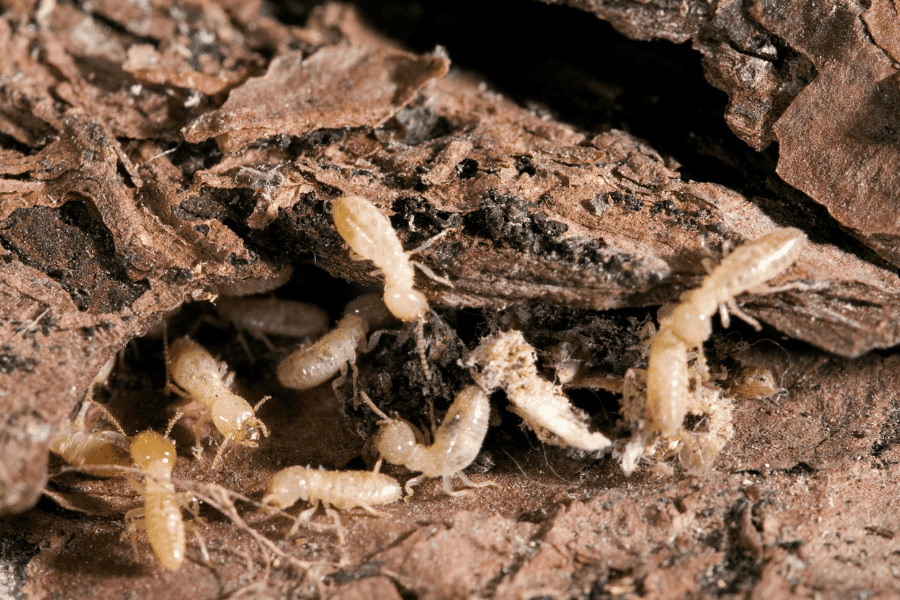
As winter arrives in Homewood, Alabama, many homeowners believe that pest activity comes to a halt. While colder temperatures do slow down many insects, termites are a relentless exception. The assumption that termites go dormant during the winter can lead to a false sense of security, leaving your property vulnerable to continuous, hidden damage. Understanding that termite season never truly ends in Alabama is crucial for protecting your most significant investment. Even in December, these wood-destroying insects remain active, foraging for food and expanding their colonies. This guide explains why termites persist through the cooler months and what preventative measures for termite control you can take to defend your Homewood home.
Termite Activity in Cooler Weather
Unlike other regions with harsh winters, Homewood’s climate is mild enough to support year-round termite activity. Subterranean termites, the most prevalent species in Alabama, are particularly well-adapted to survive cooler temperatures.
Underground Colonies Provide Insulation
Subterranean termites build their colonies deep in the soil, which acts as natural insulation against surface temperature fluctuations. While the air may be chilly, the ground remains warm enough for the colony to continue its daily functions without interruption. The queen continues to lay eggs, and worker termites venture out in search of food.
Your Home Offers the Perfect Shelter
Termites are in constant search of cellulose, which is found in wood. Your home’s structure provides an ideal, climate-controlled environment with an abundant food supply. Once termites establish a path into your house, they are shielded from the outdoor elements and can continue their destructive feeding habits 24/7, regardless of the season.
The Unseen Risks of a Winter Infestation
Because termite damage occurs out of sight, infestation can progress for months or even years before being discovered. This silent destruction is what makes termites such a significant threat to homeowners.
Compromised Structural Integrity
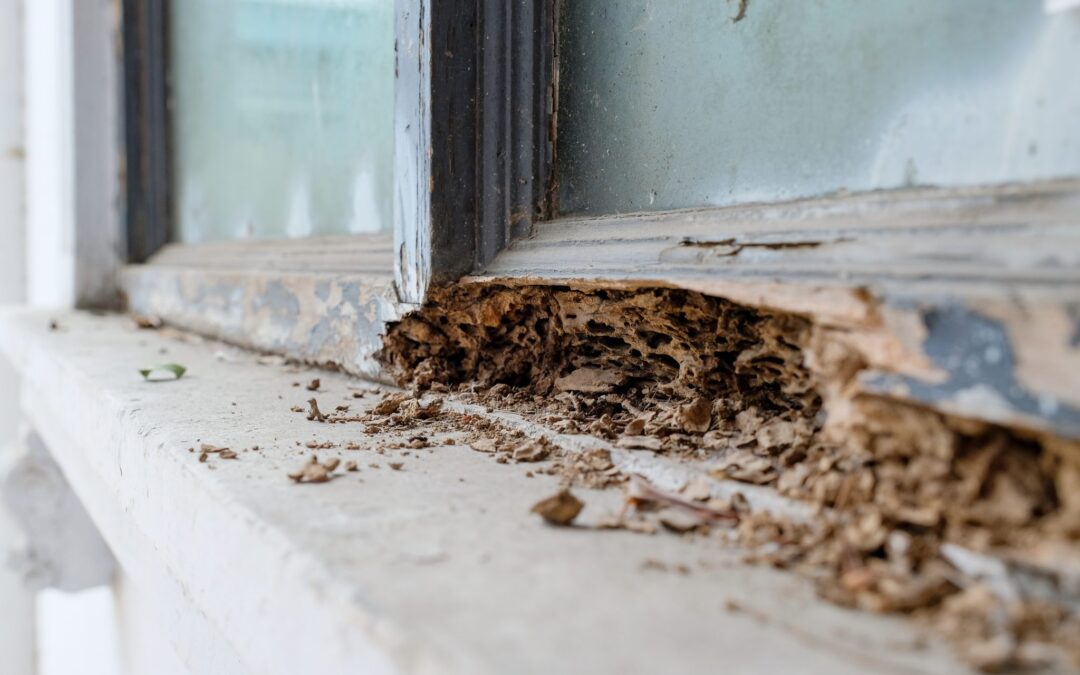
Termites consume wood from the inside out, hollowing support beams, floor joists, and wall studs. Over time, this can weaken your home’s structure, leading to serious issues like sagging floors, warped ceilings, and compromised foundations. These repairs can be extensive and are typically not covered by standard homeowners’ insurance policies.
The Myth of Winter Inactivity
Believing that termites are inactive in December can cause homeowners to dismiss potential warning signs, such as mud tubes on the foundation or wood that sound hollow when tapped. This delay allows the colony to grow and cause more significant damage, turning a manageable issue into a major structural problem.
Effective Winter Termite Control Strategies
Proactive prevention is the most effective approach to termite management. By making your property less attractive to these pests, you can create a powerful defense for your home.
Reduce Moisture Around Your Property
Termites depend on moisture to survive. Eliminating excess water is a critical step in any termite control plan.
- Repair any leaky faucets, AC units, and pipes promptly.
- Ensure your gutters and downspouts are clear of debris and direct water away from the foundation.
- Check that the soil grade around your house slopes downward to prevent water from pooling.
Eliminate Wood-to-Ground Contact
Direct contact between wood and the ground creates an easy pathway for termites to enter your home.
- Keep firewood, lumber, and other cellulose-based debris stacked on a raised platform at least 20 feet from your house.
- Maintain a gap of several inches between mulch or landscaping and your home’s foundation.
- Trim back tree limbs and shrubs so they do not touch the siding or roof.
Professional Termite Protection for Your Homewood Home
While these preventative tips are beneficial, the most reliable method for identifying and managing a termite threat is through a professional inspection. The winter months are an excellent time to schedule this service, as it allows you to address any vulnerabilities before the peak swarm season in spring.
A certified termite control specialist can perform a detailed inspection of your property, identify signs of termite activity you might miss, and recommend a customized treatment and prevention plan. For professional termite control services in Homewood, AL, contact an expert to ensure your home is protected throughout the year.

Nov 21, 2025 | Termite Control
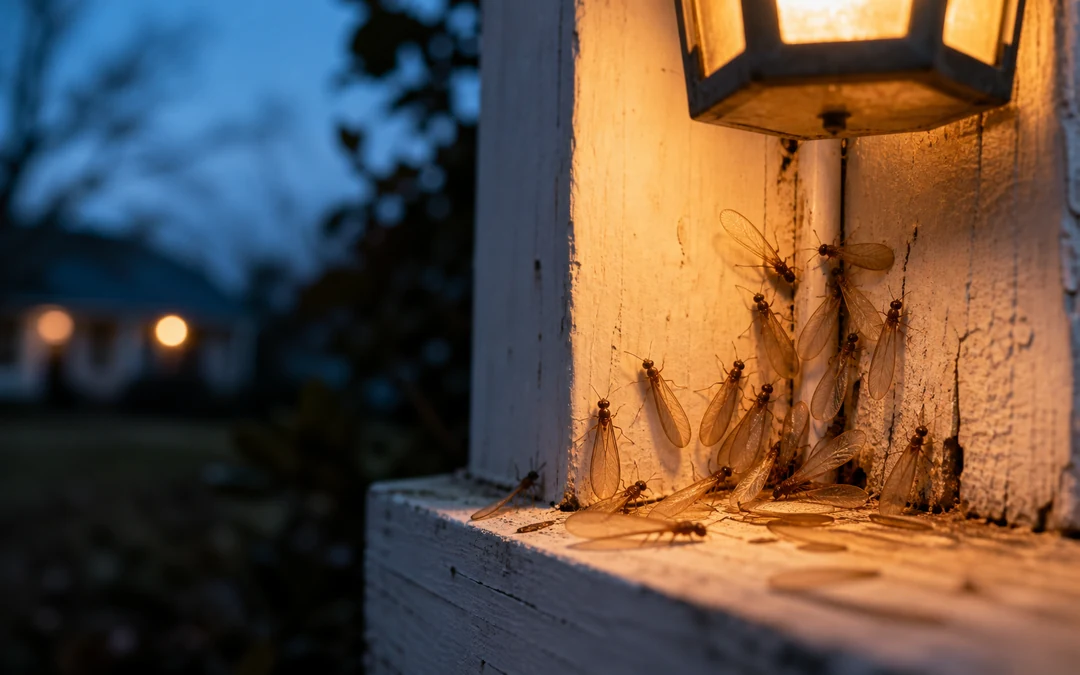
While many Alabama homeowners associate termite swarms with the spring, a second, less-known swarming season can occur in the fall, particularly in November. Seeing winged insects inside your home during this time can be alarming, and for good reason. It may be a sign of a termite colony establishing itself nearby or within your property.
Understanding why this late-season activity occurs is crucial for protecting your home. This guide will explain the phenomenon of November termite swarming in Alabama, detail the key signs to look for, and provide actionable steps to prevent termites from causing significant damage.
Why Termites Swarm in November
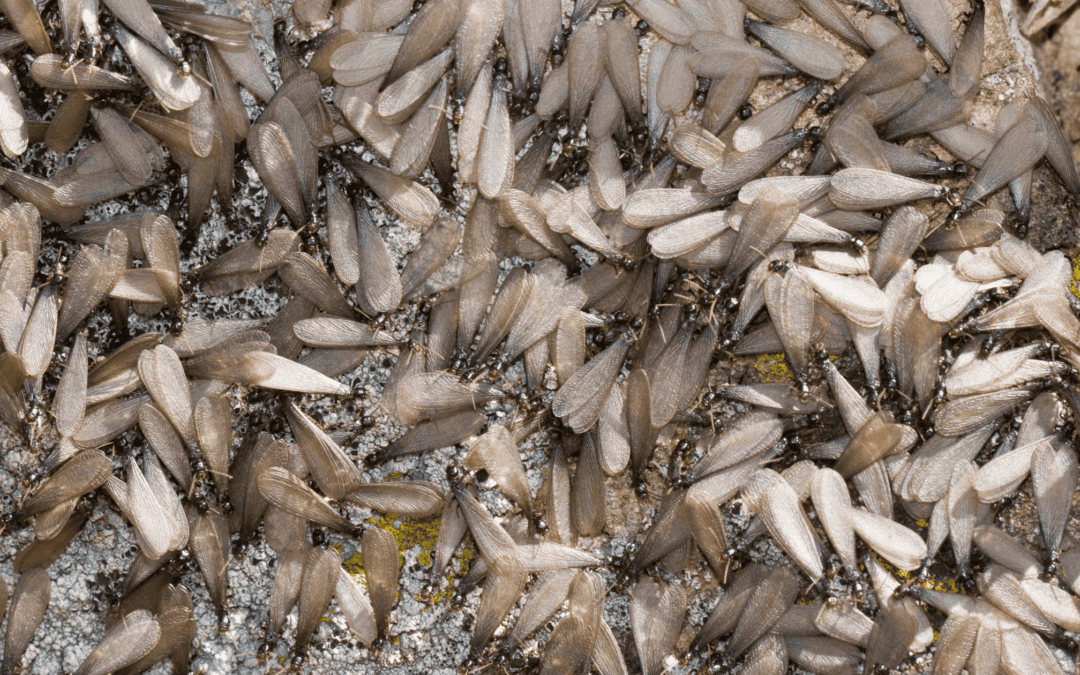
Termite swarming is a natural part of a colony’s life cycle. A swarm consists of winged reproductive termites, known as alates, that leave their mature colony to mate and establish a new one. While the most intense swarms happen in the warm, damp conditions of spring, certain termite species, particularly the formidable Formosan subterranean termite, can also swarm in the fall.
The Formosan Termite Factor
Formosan termites are an invasive and highly destructive species found in parts of Alabama. Unlike native subterranean termites that swarm primarily from March to May, Formosan termites have a longer swarming season that can extend into the late fall. A spell of warm, humid weather in November can trigger these colonies to release their alates.
A Sign of a Mature Colony
A termite swarm is a definitive indicator of a large, well-established colony nearby. A colony must be several years old before it has the resources to produce winged reproductives. Seeing a swarm means a termite population is not just present but thriving, posing a significant threat to any wooden structures, including your home.
How to Identify a Termite Swarm
Distinguishing termite alates from other flying insects, like ants, is essential for a correct diagnosis. Misidentification can lead to a false sense of security while a termite infestation grows unchecked.
Key Signs of a Termite Swarm
- Discarded Wings: After a brief flight, swarming termites land, break off their wings, and attempt to start a new colony. You may find piles of identical, translucent wings on windowsills, near doorways, or caught in spiderwebs. This is a tell-tale sign of a recent swarm.
- The Swarm Itself: Termite swarms often occur during the day and can look like a cloud of small, flying insects. They are frequently attracted to light sources, so you may notice them around windows, doors, and light fixtures.
- Termite vs. Ant: Flying ants also swarm, but there are clear differences. Termites have a broad waist, straight antennae, and two pairs of wings that are equal in length. In contrast, flying ants have a pinched waist, elbowed antennae, and a front pair of wings that are longer than the back pair.
What to Do If You Suspect Termites
Discovering a termite swarm requires immediate and decisive action. The presence of alates indicates a high risk of infestation, and early intervention is the most effective way to prevent costly structural damage.
Immediate Steps for Homeowners
- Collect a Sample: If possible, collect a few of the insects or their discarded wings in a sealed bag or jar. This will help a professional pest control expert make a positive identification.
- Avoid DIY Treatments: Do not attempt to control a termite problem with over-the-counter sprays or baits. These products are rarely effective against an entire colony and may only kill a few visible termites, leaving the hidden colony to continue its destruction.
- Schedule a Professional Inspection: The most critical step is to contact a certified termite control professional. A trained inspector can determine the extent of the activity, identify the termite species, and locate the colony.
Preventing a future infestation involves reducing attractants around your home. Ensure water drains away from your foundation, repair any leaks, and keep firewood or other wooden debris stored away from the house.
While a November termite swarm in Alabama can be an unsettling discovery, it provides a crucial warning sign. By correctly identifying the evidence and acting promptly, you can protect your most valuable investment.
If you have seen signs of swarming termites or suspect an infestation, do not wait. Contact a qualified pest control specialist for a comprehensive inspection and a customized treatment plan designed to protect your home and provide lasting peace of mind.
Jun 24, 2025 | Termite Control
Green circles or disk-like plastic stations in your yard can raise questions, especially for homeowners new to pest protection and construction. Are they waste? Signs of a plant disease? Or could they be serving a more important purpose? Many residents, especially those in new constructions, notice these green zones and are unsure if they’re harmless or a sign of concern. This guide will explain exactly what those green circles are, why they’ve appeared in your yard, and what actions (if any) you should take. If you’re interested in protecting your home and understanding modern termite protection options for new builds, read on for clear answers.
New Construction: Termite Protection Options
Decoding the Green Circles in Your Yard
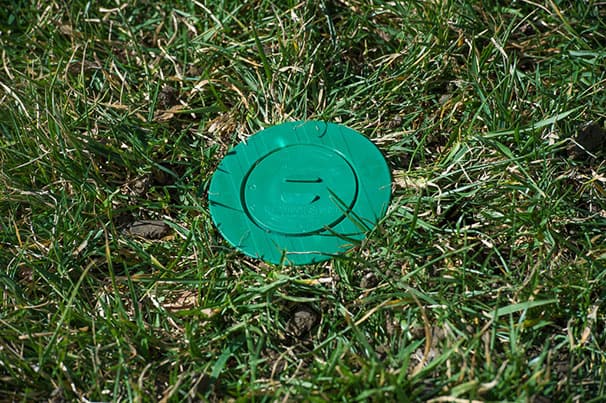
You may spot small, green, plastic objects scattered in the mulch or lawn, often flush with the ground. While it’s natural to wonder if they’re part of garden irrigation or remnants from building projects, these are most likely termite bait stations, specifically from systems such as Sentricon.
What Are Sentricon Stations?
Sentricon stations are round, green, low-profile devices installed flush with the soil around the perimeter of homes. These units form part of a targeted system designed to protect homes from subterranean termites, a threat that causes billions of dollars in damage in the US annually.
How Do Sentricon Stations Work For Termite Protection?
Bait not Barrier: Unlike chemical barrier treatments, Sentricon uses a strategic approach. Each green station contains termite bait that attracts termites searching for food.
Silent solution: Foraging termites take the bait back to the colony and share it, ultimately wiping out the population and its queen.
Continuous termite protection: The stations are always active, working round the clock to intercept termites before they can harm your home.
Why Are These Stations in My Yard?
You’ll most often see these stations in two scenarios:
1. Recent Termite Prevention Service
If you’ve recently purchased, built, or moved into a home, especially in areas susceptible to termite issues, it’s likely that a pest control company has installed these as part of a comprehensive prevention plan.
2. New Construction Focus
Many new homes come pre-equipped with termite protection due to stronger building codes and widespread awareness of risk from termites. If you’re moving into a new development or have undertaken a remodel, you might find these green circles have been placed for your protection.
3. Ongoing Protection
A proactive homeowner, or one with a history of termite concerns, may have had these stations installed as a year-round protection plan. Unlike one-time treatments, bait stations provide consistent monitoring without the need for repeated chemical reapplications.
Are These Green Circles Okay?
EPA Approved and Eco-Friendly
One of the reasons Sentricon and similar systems have become so widely adopted is their reputation for well-being and minimal environmental impact.
- Non-toxic to Children and Pets: The stations are sealed and contain bait only harmful to termites. They won’t poison your pets, children, or pollinators like bees.
- Environmentally Responsible: Unlike widespread chemical sprays, these stations target only termites, reducing unnecessary pesticide use and protecting beneficial insects.
- Public Health Approved: Sentricon is EPA registered, confirming its commitment to health standards and reduced risk.
What Should You Do If You See a Green Station?
Simple Steps for Homeowners
- Leave it Alone: These stations are working 24/7 to protect your home. Avoid tampering, moving, or opening them.
- Check Visibility: Keep stations clear of mulch, soil, debris, or thick grass. This ensures termites can easily find the bait, and your pest technician can inspect and replenish bait when necessary.
- Inspect for Damage: If you notice a station is missing, broken, or has been run over by lawn equipment, contact your pest control provider for a replacement.
- Do Not Cover: Placing heavy objects or landscape fabric over stations can block termites’ access or prevent timely servicing.
How Often Should the Stations Be Checked?
For maximum effectiveness, a pest control professional should inspect the stations regularly (typically every quarter or as defined in your agreement). During checks, technicians will:
- Examine stations for termite activity
- Replace used bait
- Identify and address any damage
The Science and Strategy Behind Sentricon
Why Choose Bait Over Liquid Barriers?
Traditional termite treatments use liquid chemicals to create a barrier. Sentricon takes a different approach, prioritizing environmentally sound practices and long-term colony control.
- Targeted Impact: Bait is shared throughout the termite colony, eliminating both workers and the queen, not just those that encounter a sprayed area.
- Reduced Pesticide Load: No widespread soil saturation, so there’s decreased risk of environmental contamination.
- Discreet and Effective: Green stations blend into your landscape, don’t produce odor, and pose no risk during heavy rains or flooding.
What If You Don’t Have Green Stations?
If you’re not seeing green circles in your yard and haven’t recently discussed termite prevention with a pest control professional, now is the time to consider proactive termite protection. Subterranean termites can invade any home with wood, regardless of age or construction quality. Early detection and prevention are much less costly than repairing damage when an infestation is discovered.
- Contact a professional: Schedule a termite inspection to assess risks and discuss preventative installation.
- Ask about alternatives: Professionals can recommend a range of solutions based on your needs and local termite activity.
Year-Round Termite Protection for Peace of Mind
Unexplained green circles in your yard are not a sign of trouble, but of prevention. Termite bait stations, especially Sentricon, represent current best practices for termite protection, featuring protecting, scientific backing, and eco-friendly design.
By understanding what these devices are, why they appear, and how to maintain them, you’re taking a key step in protecting your investment and maintaining your home’s value.
Take Action to Protect Your Home and Landscape With Termite Protection
If you spot green stations in your yard, know they are working to keep your home protected and healthy. Keep them visible, in good condition, and notify your service provider of any issues. If you’d like to ensure your new construction is protected, or if you’re unsure if your current home has proper termite defense, contact a licensed pest control professional for advice or an on-site evaluation.
A small green circle today can mean the preservation of your home for decades to come.
May 15, 2025 | Termite Control
Drywood termites may be small, but their impact on Tennessee homes can be massive. These pests burrow deep into wood, causing hidden structural damage that weakens your property and reduces its market value. Left unchecked, they can lead to costly repairs, hurt resale prospects, and threaten your home’s health. Here’s how to protect your investment.
Why Drywood Termites Are a Problem
Unlike subterranean termites, drywood termites don’t need soil to survive. They infiltrate timber in walls, floors, and furniture, often going undetected until damage is severe. The long-term consequences include:
- Structural Damage: Compromised beams and joists create hazards.
- Lowered Value: Homes with damage or infestation histories struggle during appraisals and sales.
- High Costs: Repairs and treatment expenses can skyrocket if infestations are ignored.
Top Signs of A Drywood Termite Infestation
Detecting drywood termites early can save you thousands. Watch for:
- Hollow Wood: Tapping reveals empty interiors.
- Droppings: Pellet-shaped frass near affected areas.
- Discarded Wings: Swarmers shed these near doors or windows.
- Pinholes and Cracks: Small holes or warped wood indicate hidden damage.
How to Protect Your Home From Drywood Termites
Preventative measures are your best defense. Follow these steps:
- Inspect Regularly: Check wood for damage, especially in attics and furniture.
- Seal Gaps: Close cracks in wood, windows, and vents where termites enter.
- Control Moisture: Use dehumidifiers and fix leaks to reduce humidity.
- Opt for Treated Materials: Renovations with termite-resistant wood protect your home.
Eco-Friendly Termite Control
For a greener solution to infestations, try:
- Boric Acid or Orange Oil: Natural, effective treatment options.
- Green Pest Control Services: Professional treatments that prioritize well-being and sustainability.
Protect Now, Save Later
Don’t underestimate the cost of inaction. Drywood termites threaten your Tennessee home’s value and overall health. Act early to spot infestations, prevent damage, and keep your property market ready. Consult pest control professionals to ensure your home remains a secure and termite-free investment.
Ready to get started? Give us a call or click the button below for your FREE termite control quote!
Dec 20, 2024 | Termite Control
Termites are among the most destructive pests that can invade your home, often causing extensive damage before being noticed. Regular termite inspections by professionals are crucial to protect your property. If you’re searching for “termite inspectors near me,” this guide will help you understand what to expect during an inspection and how to keep termites at bay.
What To Know About Termite Inspectors
Do Termite Inspectors Come Inside?
Yes, termite inspectors often examine the interior and exterior of your home. While termites can cause visible damage outside, their most devastating effects occur within walls, ceilings, and other structural elements, making it necessary to inspect inside. Inspectors will check basements, crawl spaces, and attics, as these areas are prone to termite activity.
How Is a Termite Inspection Done?
- Exterior Examination: Inspectors will start by walking around the outside of your home to identify potential entry points. They’ll look for mud tubes, damaged wood, and other signs of termites near the foundation, siding, or wood piles.
- Interior Check: Inside your home, inspectors will look for hollow-sounding wood, blistered paint, or other indications of hidden termite activity. They’ll inspect baseboards, door frames, and wood furniture for subtle clues.
- Moisture Levels: Termites thrive in moist environments. Inspectors often use moisture meters to detect high levels of humidity in walls and crawl spaces.
- Termite Identification: If termite activity is found, inspectors will identify the type of termite—such as subterranean or drywood termites—since different species require specific treatments.
- Damage Assessment: Termite damage is often difficult to spot early. Inspectors evaluate the extent of damage to determine if repairs are needed alongside treatment.
Signs of Termites Inspectors Look For
- Mud Tubes: These pencil-sized tubes are used by subterranean termites to travel between their nest and food sources.
- Discarded Wings: A sign of swarming termites, often found near windowsills or doors.
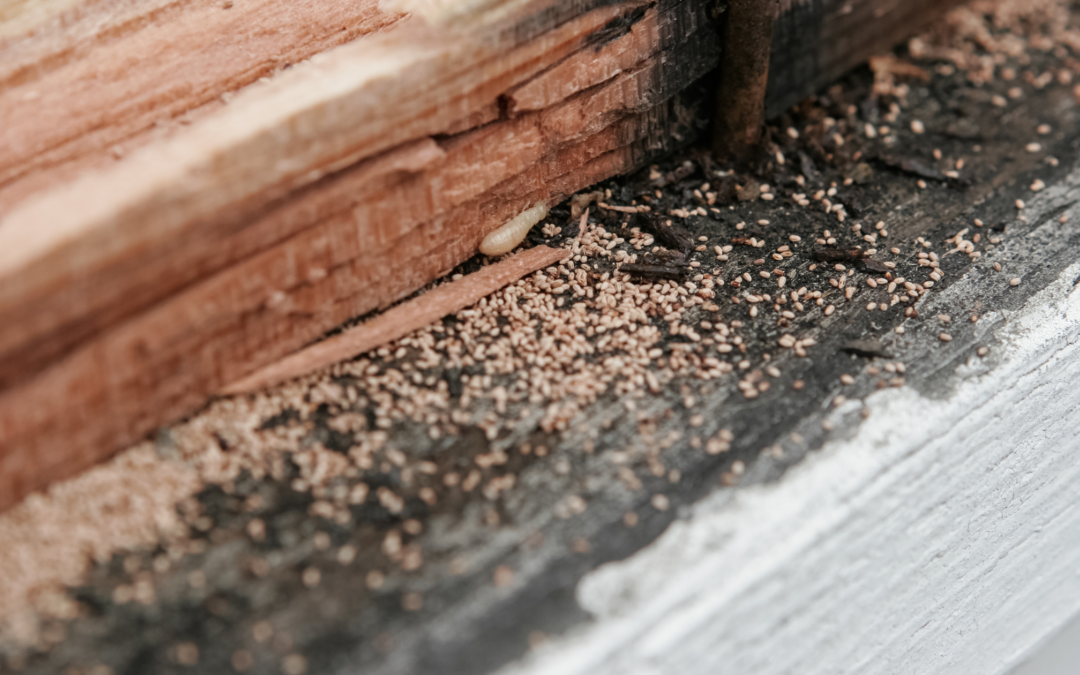
- Frass: Termite droppings that resemble wood shavings or sawdust.
- Hollow-Sounding Wood: Tap wood surfaces to detect hollowness, a common indicator of termite infestations.
- Structural Damage: Cracks in walls, sagging floors, and damaged wood may point to termite problems.
Termite Treatments and Control
If termites are detected, your pest control company may recommend the following treatments:
- Bait Systems: These attract termites and deliver a slow-acting poison that eliminates the colony.
- Liquid Treatments: A chemical barrier is applied to the soil around your home to prevent termites from entering.
- Fumigation: For severe infestations, this method eliminates all termites in the structure.
Prevention Tips to Keep Termites Away
- Reduce Moisture: Fix leaks and ensure proper drainage to reduce the humidity termites need to survive.
- Remove Wood Debris: Keep firewood, mulch, and wooden debris away from your home’s foundation.
- Seal Entry Points: Inspect your home for cracks in the foundation or gaps in siding and seal them promptly.
- Schedule Regular Inspections: Professional termite inspections help catch termite activity before it becomes a full-blown infestation.
Inspection Cost
The cost of a termite inspection varies based on factors such as your home’s size and location. Many pest control companies offer free inspections or bundle the cost with treatment plans. Be sure to inquire about pricing when scheduling.
Protect Your Home with Professional Termite Control
Termite infestations can be devastating, but routine inspections by qualified termite inspectors ensure your property stays safe. If you’re worried about “termite infestation” or “termite damage,” don’t wait until the problem worsens. Contact a reliable pest control company to inspect your home and provide effective solutions.
For trusted termite control services in Georgia, request an inspection today!
Sep 19, 2024 | Termite Control
Termites, sometimes called the “silent destroyers”, will cause considerable damage to your Auburn home if left unchecked. In Alabama, subterranean termites are most common, and these tiny insects thrive in the warm, humid climate that we deal with, making termite prevention a crucial part of maintaining your household. Here’s an easy guide on what you need to know to protect your home from termites.
How To Protect Your Home From Termites
Why Termite Prevention Matters
Termites can cause extensive damage to wooden structures, often going unnoticed until significant harm is done. These pests chew through wood, flooring, and even wallpaper, compromising the structural integrity of your home. Repairing termite damage can be costly and time-consuming, which is why prevention is key.
Common Signs of Termite Infestations
Recognizing the early signs of a termite invasion can help you act before too much damage occurs. Here are a few indicators to watch for:
- Mud Tubes: These are pencil-sized tunnels subterranean termites build to travel from the soil to their food source. You’ll usually find them on exterior walls, foundations, or in crawl spaces.
- Hollow Wood: Tap wooden surfaces around your home. If they sound hollow, termites may have been munching away inside.
- Discarded Wings: Swarming termites shed their wings, often leaving piles near windowsills or entryways.
- Frass: This sawdust-like material is termite droppings and can indicate an infestation.
Identifying Termite Damage
Early detection of termite damage can save you from more extensive repairs. Look for:
- Buckling Wood: Warped or swollen wood can indicate termite damage beneath the surface.
- Sagging Floors or Ceilings: This might be a sign of severe structural damage caused by termites.
- Paint Blisters: These can occur when termites damage the wood underneath, causing paint to bubble.
Termite Prevention Strategies
Preventing termites involves proactive measures to make your home less inviting to these pests. Here are some effective strategies:
- Termites are attracted to moisture. Fix leaky pipes and ensure there is proper drainage around your foundation.
- Avoid wood-to-soil contact. Keep firewood, lumber, or any wooden material stored at least 20 feet away from your home and elevate them off the ground.
- Seal cracks and crevices in your home’s foundation and around utility openings to prevent easy access for termites.
- Conduct regular inspections of your property, especially in areas prone to moisture or where wood is in contact with the ground.
In Auburn, the warm climate is conducive to termite activity year-round. Local regulations may influence the use of certain treatments, particularly chemical solutions. Consulting with a local pest control professional ensures that you follow guidelines and use the most effective treatments for your home.
Termites may be small, but their potential for damage is enormous. By staying vigilant and implementing preventive measures, you can protect your Auburn home and maintain its value. If you have noticed termite activity or signs at your home, call a pest control company near you as soon as possible. These professionals will provide you with the best plan of action for termite control in order to eliminate and prevent them in the future.
Jul 19, 2024 | DIY Pest Control, Termite Control
Subterranean termites are a significant concern for homeowners in Georgia, causing extensive damage to wooden structures if left untreated. Understanding how to identify these pests, recognizing the signs of an infestation, and knowing the various treatment options available are crucial steps in protecting your home. In this blog, we will explore what subterranean termites look like, the signs of their presence, the best treatments for eliminating them, and essential prevention tips to keep your home termite-free.
What Do Subterranean Termites Look Like?
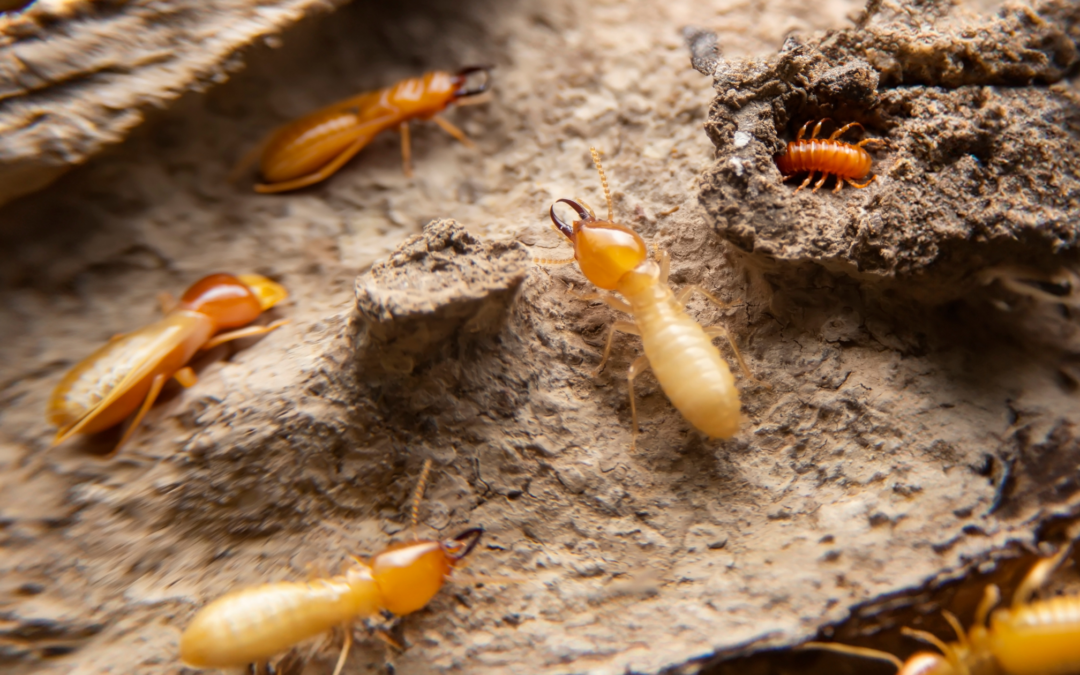
Subterranean termites are small, creamy-white to dark brown insects, typically about 1/8 to 3/8 inch long. They have soft bodies and are often mistaken for ants, though they can be distinguished by their straight antennae, uniform waists, and wings of equal length when swarming. Identifying these termites correctly is the first step in implementing effective termite control.
Signs of a Subterranean Termite Infestation
Recognizing the signs of a subterranean termite infestation early can save homeowners from extensive and costly repairs. Key indicators include:
- Mud Tubes: Subterranean termites build mud tubes to protect themselves from predators and to maintain a moist environment while traveling between their colony and food sources. These tubes, typically found along foundations, walls, and crawl spaces, are a clear sign of an active infestation.
- Damaged Wood: Termite damage often appears as hollowed-out wood, usually along the grain. Tapping on the wood may produce a hollow sound. You might also notice blistering or darkening of the wood surface.
- Swarmers: Winged termites, or swarmers, are reproductive termites that leave the colony to start new ones. Finding discarded wings around windowsills, doors, or other entry points is a sign that termites are nearby.
- Frass: Termite droppings, known as frass, are tiny, pellet-like substances that termites push out of their tunnels. Finding frass near wooden structures can indicate an infestation.
Best Treatments for Subterranean Termites
There are several effective treatments for subterranean termites, each with its benefits and considerations. Here are the most commonly used methods:
- Liquid Termiticides: Liquid termiticides are applied to the soil around a building’s foundation, creating a barrier that termites cannot cross. This method is highly effective for immediate control and long-term prevention.
- Baiting Systems: Termite baiting systems involve placing bait stations around the perimeter of a home. These stations contain wood or cellulose material treated with a slow-acting insecticide. Termites feed on the bait and carry it back to the colony, eventually leading to the colony’s elimination.
- Foam Treatments: Foam termiticides are injected into wall voids, crawl spaces, and other hard-to-reach areas where termites may be hiding. The foam expands to fill the space, ensuring thorough coverage and effective control.
- Borate Treatments: Borate-based treatments are applied directly to wooden structures. They penetrate the wood and kill termites upon ingestion. This method is often used during the construction phase or for treating exposed wood in existing structures.
Termite Prevention Tips
Preventing subterranean termites from invading your home is crucial. Here are some practical tips to keep these pests at bay:
- Reduce Moisture: Termites thrive in moist environments. Ensure proper drainage around your home, fix leaky pipes and faucets, and use dehumidifiers in basements and crawl spaces.
- Remove Wood-to-Ground Contact: Avoid direct contact between wooden structures and soil. Use concrete or metal barriers between wood and soil to deter termites.
- Seal Cracks and Gaps: Seal any cracks or gaps in your home’s foundation, walls, and roof to prevent termites from gaining entry.
- Store Firewood Properly: Keep firewood, lumber, and other wooden materials at least 20 feet away from your home and elevate them off the ground.
- Regular Inspections: Schedule regular termite inspections with a professional termite control company to catch any signs of infestation early.
Subterranean termites are a serious threat to homes in Georgia, but with the right knowledge and proactive measures, you can protect your property from these destructive pests. Identifying what subterranean termites look like, recognizing the signs of an infestation, and choosing the best treatment method are essential steps in effective termite control. Additionally, implementing preventive measures can help keep your home termite-free. If you suspect a termite infestation, contact a reputable termite control company to conduct a thorough inspection and recommend the best course of action.
By staying vigilant and informed, you can safeguard your home against the costly damage caused by termites.
May 24, 2024 | DIY Pest Control, Termite Control
Mar 15, 2024 | Termite Control
As spring approaches in Georgia, so does the dreaded termite swarming season. For homeowners, this time of year can be particularly nerve-wracking as swarms of termites take flight, searching for new places to establish colonies. Understanding what swarming termites are, how to differentiate them from flying ants, and taking proactive steps to prevent infestations can save you from potential damage to your home. Here’s everything you need to know to prepare for termite swarming season in Georgia.
What are Swarming Termites?
Swarming termites, also known as alates or swarmers, are reproductive termites tasked with starting new colonies. These winged insects emerge from mature termite colonies in search of mates and suitable locations to establish their own nests. Swarms typically occur in the spring, triggered by warm temperatures and high humidity levels, making Georgia’s climate ideal for termite activity.
Termite Swarming Season in Georgia
Termite swarming season in Georgia typically occurs from late February through May, with peak activity often seen in April. During this time, homeowners should remain vigilant for signs of termite activity both indoors and outdoors.
Differentiating Swarming Termites from Flying Ants
Distinguishing between swarming termites and flying ants is crucial for effective pest control. While both insects have wings and swarm during the spring, several key differences can help you identify them:
- Body Shape: Termites have straight bodies, while ants have segmented bodies with a distinct narrow waist.
- Wing Length: Termite wings are uniform in size and longer than their bodies, whereas flying ants have wings of varying lengths.
- Antennae: Termite antennae are straight, while ant antennae are elbowed.
Signs of Swarming Termites
Identifying the signs of termite swarms early can prevent costly damage to your home. Look out for the following indicators:
- Swarms of Winged Insects: If you notice large groups of winged insects inside or around your home, especially near light sources, it could indicate a termite infestation.
- Discarded Wings: After mating, swarming termites shed their wings, leaving behind piles of discarded wings near windowsills, doors, or other entry points.
- Mud Tubes: Subterranean termites build mud tubes along walls or foundations to provide moisture and protection while foraging for food.
What to Do If You Encounter Swarming Termites
If you encounter swarming termites in or around your home, it’s essential to act swiftly:
- Avoid Disturbing Them: Try to avoid disturbing the swarm to prevent them from scattering and potentially establishing new colonies elsewhere.
- Contact a Professional: Immediately contact a reputable termite control company to assess the situation and recommend appropriate treatment options.
Tips to Prevent Termites in Your Home
Prevention is key to protecting your home from termite infestations. Here are some tips to reduce the risk of termite damage:
- Schedule Regular Inspections: Arrange for annual termite inspections by a qualified pest control professional to detect signs of infestation early.
- Reduce Moisture: Termites thrive in damp environments, so repair leaks, improve ventilation, and divert water away from your home’s foundation to reduce moisture levels.
- Remove Wood Debris: Eliminate wood debris, such as stumps, fallen trees, and woodpiles, from your property to eliminate potential termite food sources.
- Use Termite-Resistant Materials: When building or renovating your home, consider using termite-resistant materials like treated lumber or concrete to minimize the risk of infestation.
By understanding the behavior of swarming termites, recognizing the signs of infestation, and implementing preventive measures, you can safeguard your home against these destructive pests. Remember, if you suspect a termite problem, don’t hesitate to contact a professional termite control company near you for assistance.