Jul 21, 2022 | Pest Control
Ants are known for being annoying and persistent, especially when taking over your yard. It’s important to know what type of ant you’re dealing with to determine how to get rid of them outside your home. Removing them from your yard will lessen the chances of seeing them inside your home. We have broken down the most common ants found in the South and how to remove them from your yard.
Fire Ants
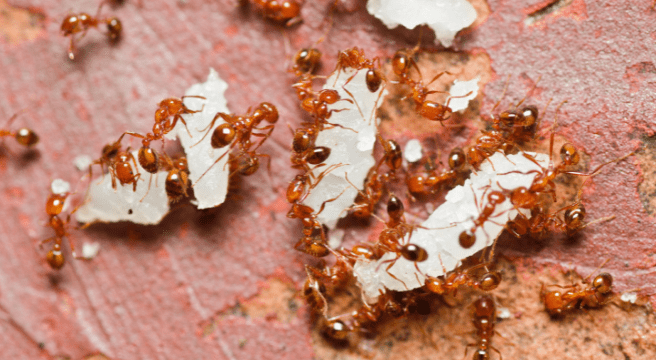
These bright or dark red ants love the warm climates of the South. They’re one of the smallest ants around but can be found in very large groups. Since they love the warmth so much, you’ll see fire ants building large underground nests in the sunniest parts of your yard.
They typically don’t become household pests, but because of their sting and the large groups they are found in, they deter families from enjoying time outside. They are known to attack in groups and their sting can become very uncomfortable.
Get Rid of Fire Ants:
- Douse the fire ant mound with boiling water. This old-school approach works about 60% of the time, but it won’t hurt to try.
- Bait worker ants in order to kill the fire ant queen. Ideally, the worker ants will pick up bait that is placed around the mound and bring it to the queen.
- Hire professional help. If you have tried everything and it didn’t work, be sure to reach out to a local pest control company to provide the best fire ant control and prevention method.
Pavement Ants
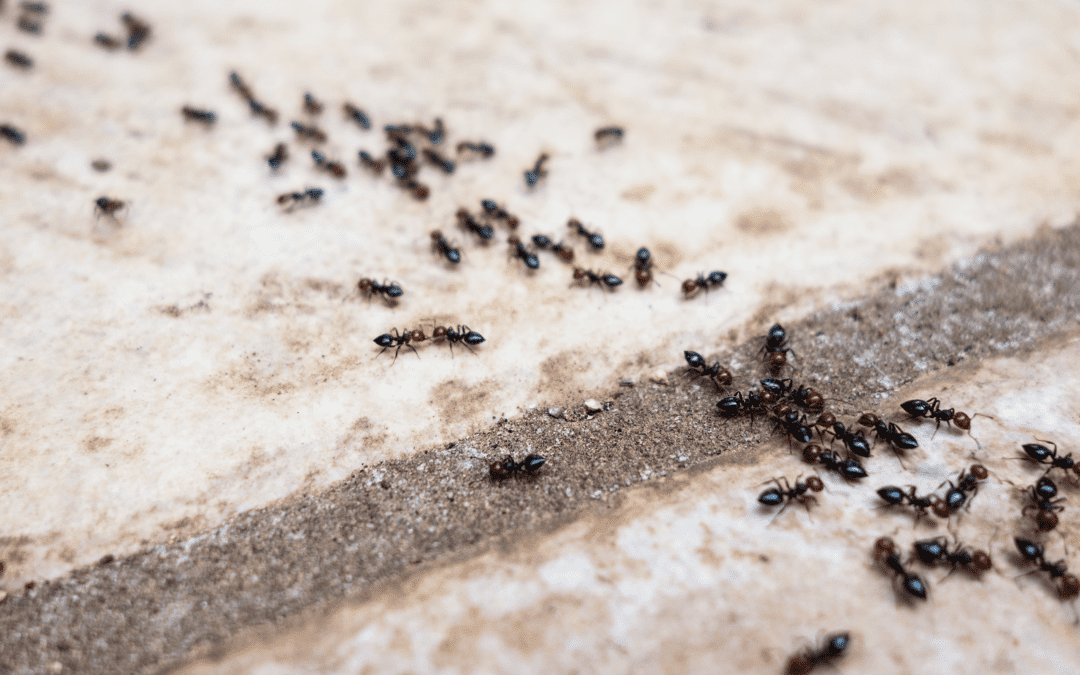
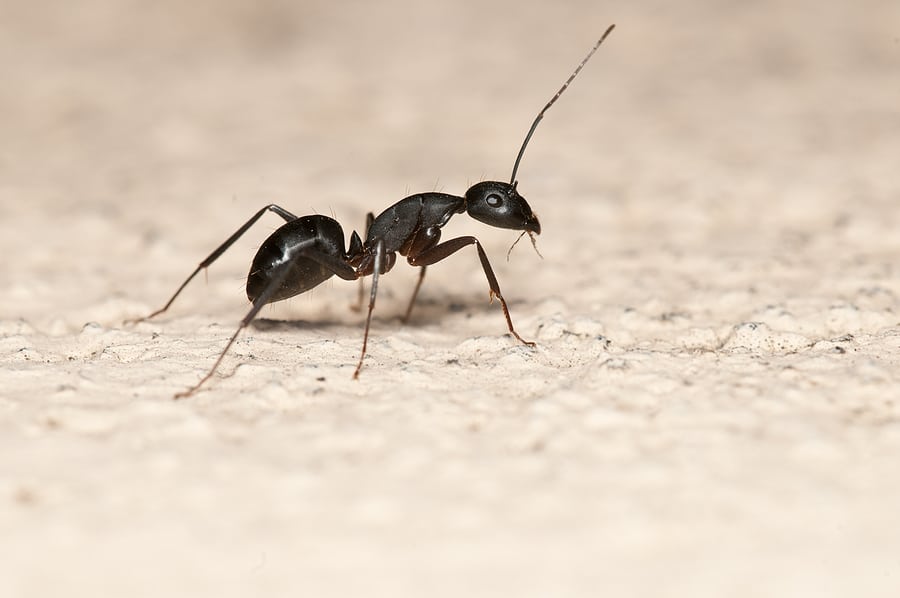
These types of ants can be red or black and can often be mistaken for carpenter ants, although they are much smaller. They only have two parts to their body instead of the usual three. Often found in driveways, along sidewalks, or in other concrete structures, pavement ants can eventually become house pests.
They become house pests due to their continuous search for food and shelter. If they end up inside your home, that usually means there is a nest nearby. They aren’t as aggressive as the fire ant, but they can bite.
Get Rid of Pavement Ants:
- Keep tree branches and shrubs cut away from the home. This allows them to access your home.
- A store-bought pesticide should be enough. Spray the perimeter of your yard and home to get rid of these types of ants.
If the problem of ants has become more than you can handle, be sure to reach out to your local pest control company and they’ll be able to come up with the best plan of action to rid your yard of ants.
Mar 9, 2022 | Fire Ant
Red Imported Fire Ants (RIFA) have been around for decades, originally coming from South America and first arriving in the U.S. somewhere between 1933 and 1945. They are commonly found in the southern states ranging from Texas to Florida. These pests can be aggravating and quite painful if they bite. It helps to know when they are most active and how to deal with them.
What Do They Look Like?
Red imported fire ants are similar in appearance to regular black ants but give off a dark reddish-brown color. They measure 1.6mm to 5mm in length.
When Are They Most Active?
Fire ants are known to search for food in warmer temperatures, especially in the range between 72°F and 96°F. They are mostly active during the summer and fall months but can emerge as early as March. Their mounds can be found in yards, stumps, rotting logs, and even around playgrounds. Fire ant mounds can house up to 200,000 individuals and can be up to two feet high and three feet across.
Are They a Threat?
Due to their habitat, they can be a threat to people who enjoy being outside. Although commonly referred to as a bite, they actually sting. Red ants are known to sting humans who disturb a mound. The sting of a red imported fire ant is painful, and the results of the sting are raised welts that can become a white pustule. Often a person will find that they have been stung multiple times by different ants. The biggest threat is if the person has an allergy to insect stings.
If you end up finding these nests or RIFAs roaming in your home, contact a professional local pest control company who can help set up a treatment and control plan for your home. Since RIFAs are known to have a very painful bite, it’s important to remove them as soon as possible.
Nov 2, 2021 | Pest Control
Ant season peaks in the spring and summertime, with these pests oftentimes finding their way inside your home. But did you know that carpenter ants remain active throughout the year? In return, they can cause damage to your home and infest.
Carpenter ants will nest in damaged wood, usually softwood damaged from water. Carpenter ant damage includes excavating wood to expand their nests, often making holes throughout exposed wood. If these ants are found inside, it is also an indication that there is a water issue, such as a leak.
While these ants are most active in the spring and summer, they are also known to infest homes during the winter months, as well. They will forage for food and water, looking for proteins, fats, and sugars. Once inside, these ants will look for a moist environment to help them survive. They can often be found in bathrooms, kitchens, pipes, and roof vents.
While carpenter ants do not die off in the winter months, they will instead become dormant when the temperatures drop. This usually depends on where they have built their nests and how much the temperature has dropped. If they have already found themselves inside, they will remain active or revive from their dormant state once the heat from the house has risen.
To prevent ants from entering your home this fall and winter, consider placing these preventative measures throughout your house,
- Eliminate moisture using a dehumidifier in crawl spaces, basements, and attics to help with dampness.
- Trim your tree branches and shrubs away from your home to eliminate access points.
- Check around your property and seal any gaps or holes with caulk.
- Reach out to your local pest control company to provide you with the best prevention and treatment options.
Jul 28, 2021 | Pest Control
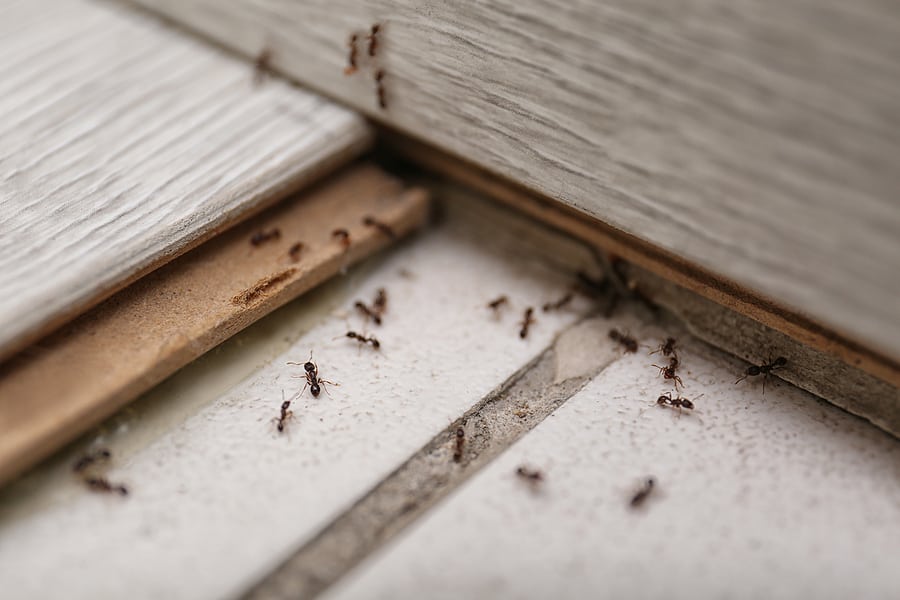
Little black ants are a common household pest usually seen in larger swarms during the warmer months of the year. These ants can be a huge nuisance, commonly infesting areas such as the bathroom and kitchen, searching for food and a place to nest. Once ants become a problem, it can be difficult to control them; but with some easy preventative measures, you’re less likely to encounter these pests!
Ants are always in search of food. Eliminating any food source that they have easy access to will be a major part of preventing them. After every meal, wipe down countertops and tables of any food crumbs or spills left behind. Don’t forget about your appliances either; ensure that your stove, microwave, and sink are also cleaned frequently. To prevent these pests from infesting your pantry, use sealed containers for any dry goods. Consider placing a bay leaf in canisters of dry food like flour to repel ants.
To survive, ants need water. Eliminating moisture throughout your home is key to ant prevention. Take some time to look around the interior and exterior of your home. If you notice any leaks, make sure you repair them immediately. Check your gutters often to make sure there are no clogs. Consider installing gutter guards to help prevent clogs. Additionally, make sure that the downspout is directing away from your foundation.
Being as little as they are, ants only need a small gap or hole to make their way inside. It’s essential to identify entry points and seal them properly to avoid infestation. Look around the interior and exterior of the home to look for these gaps. Popular places include areas where pipes and wires enter your home. Check your windows and door screens for any open holes and replace weatherstripping frequently.
Preventing ants can be difficult and feel impossible. If you’ve noticed an increase in ant activity around your home, consider contacting your local pest control provider. These professionals will complete a thorough and comprehensive treatment and control plan.
May 5, 2021 | Pest Control
Ants are considered one of the most pesky nuisance pests homeowners must deal with. Ants will often enter homes during the winter, seeking water and food for survival. Now, with the weather warming, is the perfect time to start putting preventative measures in the most common places ants are found – the kitchen and the bathroom!
The kitchen is an ideal place for ants to infest. These pests are constantly searching for a water source, and the kitchen is the perfect place to find it. If the kitchen isn’t cleaned frequently and thoroughly, ants will invade quickly. Use these ant prevention tips to keep ants out of your kitchen:
- Store sweet food items, like maple syrup and honey, in plastic containers that seal tightly. Wipe them down after use to remove any sticky residue.
- Clean up all grease spills from your countertops, floors, and stove.
- Throw out any ripe fruit, as it is a major attraction to ants.
- If you have pets, pick up any leftover food and wash their bowls frequently.
The bathroom is highly vulnerable to an ant infestation as all the excess moisture will attract them. Carpenter ants will build their nests in damp areas, such as behind bathroom tiles or under sinks. To prevent ants from infesting your bathroom, take these preventative measures:
- Always inspect your sink, toilets, and tubs for any leaks and drips to avoid excess moisture.
- Give your bathroom a good, thorough cleaning by scrubbing the floors with disinfectant cleanser and wiping down the insides of your drawers.
- Frequently check that your shampoo, lotion, and soap bottles are tightly sealed and no contents have spilled out.
If you’ve noticed an influx of ants inside your home, consider calling your local pest control company. Trained service professionals will set you up with a prevention and treatment plan to help prevent these pests during peak ant season.