READY TO GET STARTED?
REQUEST A FREE ESTIMATE
Fill out the form below or call (888) 466-7849 for a free, no-obligation estimate.


As school winds down, your summer camp prep is ramping up. As you go through lists and double check that you have everything your kiddos will need to have the best summer, take precautions to make sure they don’t bring home any stowaways. Read below for ideas on how to prevent the two most common camp nuisances: lice and bed bugs.
Lice spread by direct contact with hair of an infested person. Be sure to remind children away at camp to not share personal items such as hats, brushes, and combs.
Cabins and other camper belongings are the perfect hiding and breeding sites for bed bugs. They travel in the belongings of other campers and make their way to your home in the luggage of your camper.
We hope these tips benefit you and your camper this summer! If you suspect that you have a lice or bed bug infestation, call a pest control company to schedule an inspection as soon as possible.
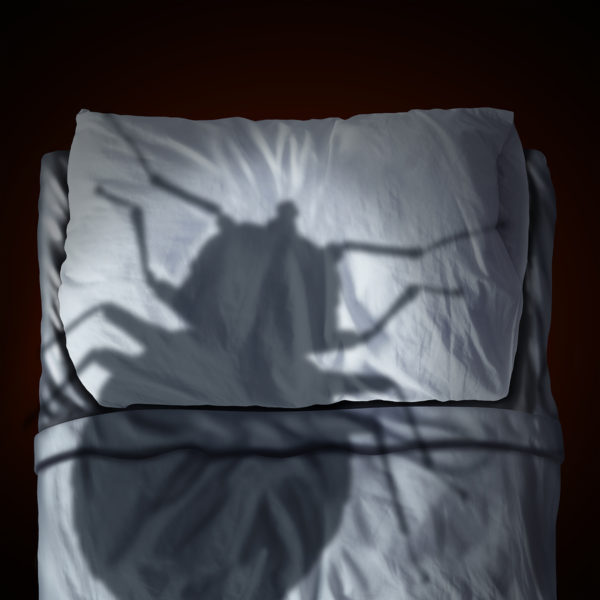
For many of us, the holiday season is a time of joy. It is also a time for travel as we look forward to spending time with family and friends. One thing that can damper our holiday season is dealing with unwanted visitors – no, not that cranky Scrooge of a relative – but bed bugs! Bed bugs are notorious hitchhikers, tagging along with unsuspecting travelers on their clothes and luggage. As we enter the biggest travel season of the year, check out these tips for preventing bed bugs and preserving your holiday cheer.
When you have guests staying with you, make sure you are prepared for the possibility of bed bugs being brought in with them. Don’t put your guests’ coats and bags on the bed. Instead, clean out a closet and use it to store their belongings. If you have to put their items on the bed, lay a sheet down first. It can be cleaned later. Place a plastic mat by the door for them to place their shoes on. If possible, provide luggage racks for them to use to store their belongings on. Use a bed bug mattress cover on any beds your guests will be using. If your guests will be sleeping on the couch, lay a sheet down over it first.
Once your guests leave, make sure to go behind anywhere they kept coats or luggage and clean. Vacuum closets where luggage and coats were kept. Vacuum the beds and couches where they slept. Seal the vacuum bags immediately and dispose of them outside. If you used sheets under luggage or on your couches, wash them in hot water and dry them on high heat. Wash the plastic mat you used for their shoes with hot, soapy water.
Whether you have guests who just left or you are the guest yourself, check your surroundings for signs of bed bugs. Inspect the mattress, box springs, and headboard, especially around edges and seams. Make sure to check couch cushions and chairs, as well. The most common sign of bed bugs is small, rust colored spots. Avoid using dresser drawers if possible. When you arrive at your destination, especially if you have been in a heavily populated area (subway, bus, airport, etc) check your shoes, jackets, hats, and luggage immediately. Be sure to check around zippers and seams. If you spot bed bugs, remove the clothing immediately and wash in hot water and dry on high heat. Vacuum luggage and seal and dispose of the vacuum bag immediately. If you are going to be a guest at a hotel or other lodging accommodation, you can also check the Bed Bug Registry, which is a free user-submitted database of bed bug reports across the US and Canada.
Once you arrive home from your travels, unpack your luggage and change your clothes immediately. Wash everything in hot water and dry on high heat. The heat of the water and air from the dryer will kill any bed bugs that may be lingering around. Once unpacked, vacuum or steam your luggage and seal it in plastic bags or containers. Store your luggage outside the home (in a garage, shed, etc) until you need to use them again.
Bed bugs are resilient and can be extremely difficult to get rid of. If you suspect you have a bed bug problem, call a pest control professional who can come in and provide you with a thorough evaluation and comprehensive treatment plan.

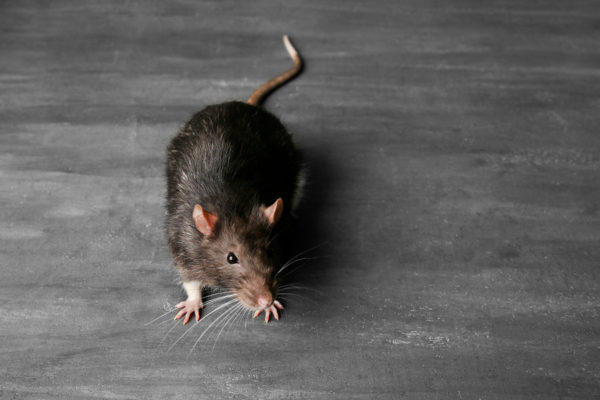
Mice and rats will seek shelter and warmth during the cold winter months. They can fit through very small openings so eliminating entry points is an effective way at preventing them from coming into your home. Eliminating food and water sources is also effective. Replace damaged roof tiles and fill any cracks in the roofing cement. Keep your attics and garages tidy and clutter free. Store your items in plastic containers versus cardboard. Install chimney caps to keep them from nesting inside your chimney. Cover your air vents with wire mesh. Store food in airtight containers and don’t leave any dirty dishes in the sink. Empty your trash regularly and make sure trash can lids are secure. Don’t leave trash bags out in the open. Clean countertops, stoves, and behind the fridge regularly and sweep and vacuum often. Seal holes around pipes using caulk or expanding foam. Keep branches and shrubbery trimmed away from the house and store firewood at least 20 feet from the home. Don’t leave pet food out overnight and seal unused pet food in airtight containers. Replace weatherstripping on windows and doors.
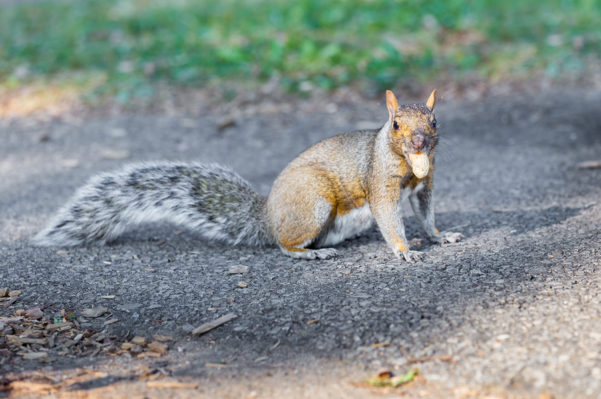
Squirrels like to frequent attics and chimneys to make their nests. Cover chimneys with chimney caps. Keep shrubbery trimmed away from the house and cut down overhanging limbs. Replace rotting wood and seal any entry points including where pipes and utilities come into the home and overhanging eaves.
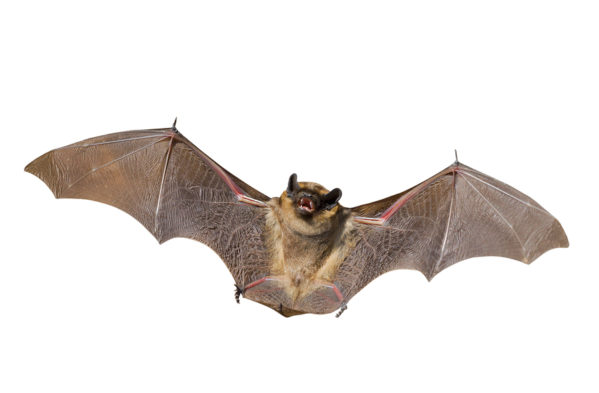
Birds and bats can and will come into your home through any opening in the exterior of the house. Chimneys should be sealed with chimney caps. Inspect the outside of your home for any openings and seal them with steel wool or foam rubber. Keep doors and windows shut as much as possible. Use screens if you must have your windows open and inspect the screens regularly for damage.
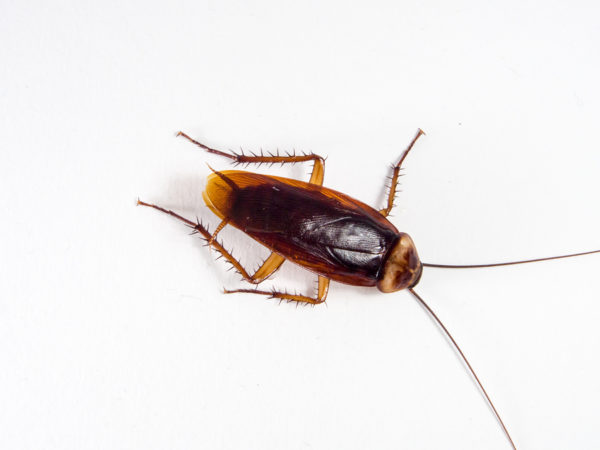
Cockroaches are attracted to moisture and excess water. They will also enter your home in search of food. Check your pipes regularly for leaks and repair quickly. Remove obstructions in pipes to prevent bursting and leaks. Seal around pipe entry points into the home. Clean your gutters. Store items in plastic containers rather than cardboard and keep them off the floor. Store food (including pet food) in airtight containers. Don’t leave dirty dishes in the sink. Wipe down countertops and sweep and vacuum regularly. Clean under sinks, in stoves, and behind appliances regularly. Empty the trash regularly.
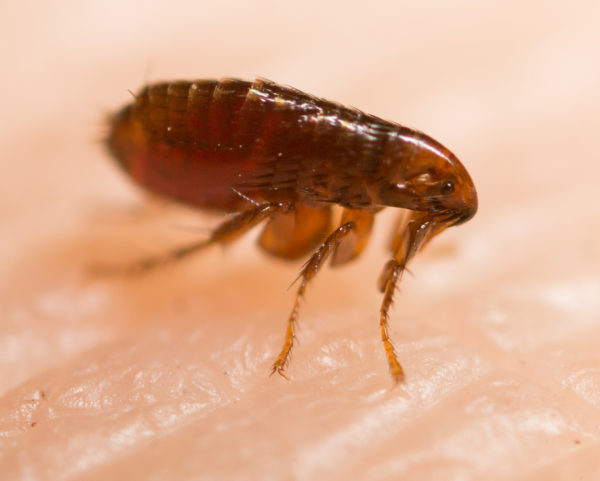
Fleas will hitch a ride into your home on your pets. The first step in preventing fleas is to treat your animals with a flea preventative, whether through medicine or shampoos or both. Check your rugs, carpets, furniture, and pet bedding for signs of fleas. Wash your pet’s bedding and other items in hot water frequently. Vacuum regularly and be sure to empty the vacuum each time you use it. Keep your grass mowed and your shrubs trimmed as this gives fleas less room to hide. Fleas can come into your yard on wild animals so don’t leave pet food out overnight to tempt them to enter your yard. Seal entry points into the house or under porches to prevent them from hiding there, as well.
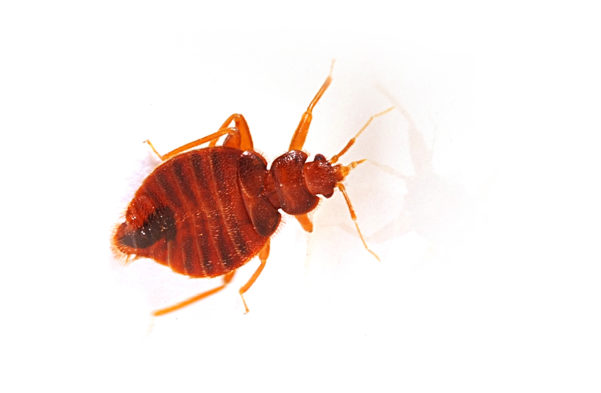
Bed bugs can come into your home in luggage (be vigilant about preventing bed bugs when traveling!) on furniture, bedding, boxes, and even clothing. Check luggage, furniture, bedding, etc. carefully before bringing it into your home. Use a mattress cover that encases the mattress and the box springs. Vacuum frequently. Wash and dry bedding on high heat regularly. Do the same with clothing after traveling.
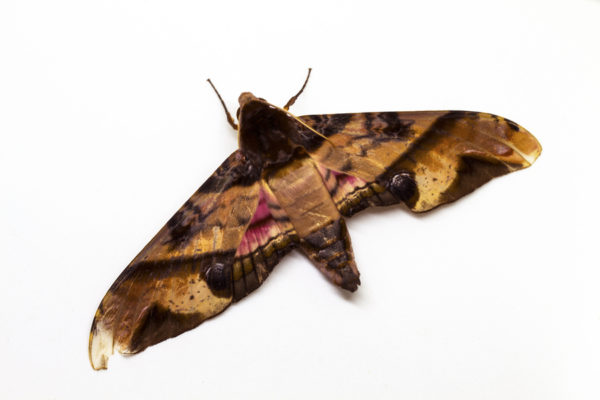
Moths are attracted to wool, fur, and upholstered furniture. Be sure to check your clothes regularly for signs of damage. Wash clothes and store them in sealed bags. Use moth balls. Vacuum and clean the insides of storage areas including wardrobes, closets, and drawers regularly.
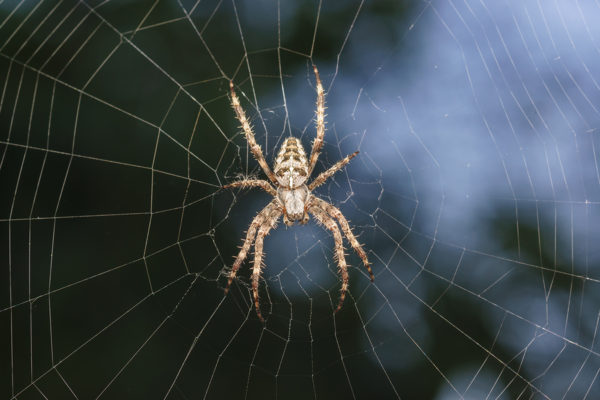
Spiders like to hide in areas of the home that are seldom used. Store seldom used items in sealed plastic containers. Seal cracks and holes in the exterior of your home to keep them from coming inside. Keep your outdoor lights off and use blinds or curtains to block the inside light. Spiders aren’t attracted to the lights but other insects are which the spiders feed on. This eliminates a food source for spiders. Keep shrubbery trimmed away from your home. Keep the grass mowed and remove debris from around your home. Sweep and vacuum regularly. Clear out as much clutter as possible. Vacuum spiders and spider webs.
Mice and rats will seek shelter and warmth during the cold winter months. They can fit through very small openings so eliminating entry points is an effective way at preventing them from coming into your home. Eliminating food and water sources is also effective. Replace damaged roof tiles and fill any cracks in the roofing cement. Keep your attics and garages tidy and clutter free. Store your items in plastic containers versus cardboard. Install chimney caps to keep them from nesting inside your chimney. Cover your air vents with wire mesh. Store food in airtight containers and don’t leave any dirty dishes in the sink. Empty your trash regularly and make sure trash can lids are secure. Don’t leave trash bags out in the open. Clean countertops, stoves, and behind the fridge regularly and sweep and vacuum often. Seal holes around pipes using caulk or expanding foam. Keep branches and shrubbery trimmed away from the house and store firewood at least 20 feet from the home. Don’t leave pet food out overnight and seal unused pet food in airtight containers. Replace weatherstripping on windows and doors.
Squirrels like to frequent attics and chimneys to make their nests. Cover chimneys with chimney caps. Keep shrubbery trimmed away from the house and cut down overhanging limbs. Replace rotting wood and seal any entry points including where pipes and utilities come into the home and overhanging eaves.
Birds and bats can and will come into your home through any opening in the exterior of the house. Chimneys should be sealed with chimney caps. Inspect the outside of your home for any openings and seal them with steel wool or foam rubber. Keep doors and windows shut as much as possible. Use screens if you must have your windows open and inspect the screens regularly for damage.
Cockroaches are attracted to moisture and excess water. They will also enter your home in search of food. Check your pipes regularly for leaks and repair quickly. Remove obstructions in pipes to prevent bursting and leaks. Seal around pipe entry points into the home. Clean your gutters. Store items in plastic containers rather than cardboard and keep them off the floor. Store food (including pet food) in airtight containers. Don’t leave dirty dishes in the sink. Wipe down countertops and sweep and vacuum regularly. Clean under sinks, in stoves, and behind appliances regularly. Empty the trash regularly.
Fleas will hitch a ride into your home on your pets. The first step in preventing fleas is to treat your animals with a flea preventative, whether through medicine or shampoos or both. Check your rugs, carpets, furniture, and pet bedding for signs of fleas. Wash your pet’s bedding and other items in hot water frequently. Vacuum regularly and be sure to empty the vacuum each time you use it. Keep your grass mowed and your shrubs trimmed as this gives fleas less room to hide. Fleas can come into your yard on wild animals so don’t leave pet food out overnight to tempt them to enter your yard. Seal entry points into the house or under porches to prevent them from hiding there, as well.
Bed bugs can come into your home in luggage (be vigilant about preventing bed bugs when traveling!) on furniture, bedding, boxes, and even clothing. Check luggage, furniture, bedding, etc. carefully before bringing it into your home. Use a mattress cover that encases the mattress and the box springs. Vacuum frequently. Wash and dry bedding on high heat regularly. Do the same with clothing after traveling.
Moths are attracted to wool, fur, and upholstered furniture. Be sure to check your clothes regularly for signs of damage. Wash clothes and store them in sealed bags. Use moth balls. Vacuum and clean the insides of storage areas including wardrobes, closets, and drawers regularly.
Spiders like to hide in areas of the home that are seldom used. Store seldom used items in sealed plastic containers. Seal cracks and holes in the exterior of your home to keep them from coming inside. Keep your outdoor lights off and use blinds or curtains to block the inside light. Spiders aren’t attracted to the lights but other insects are which the spiders feed on. This eliminates a food source for spiders. Keep shrubbery trimmed away from your home. Keep the grass mowed and remove debris from around your home. Sweep and vacuum regularly. Clear out as much clutter as possible. Vacuum spiders and spider webs.
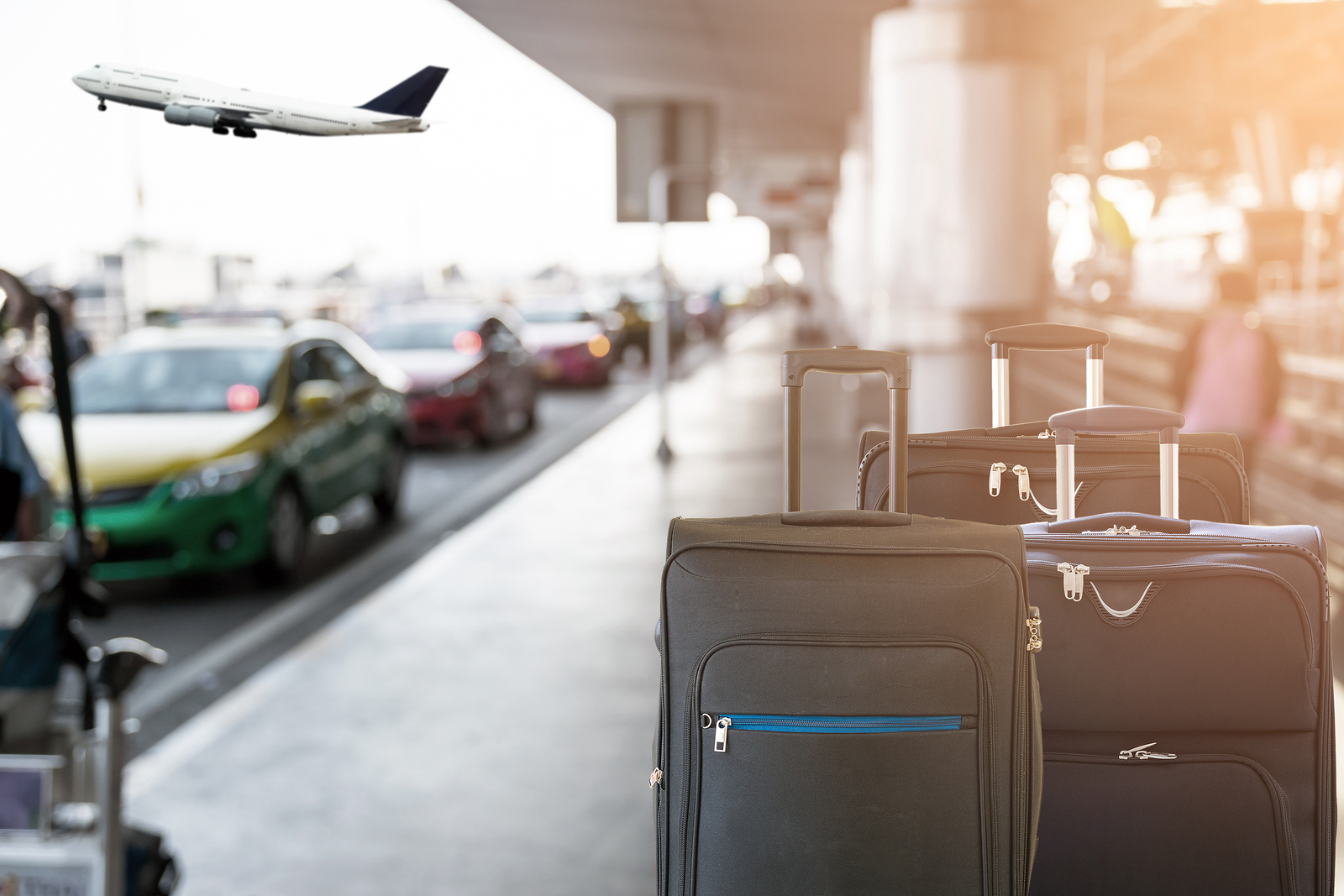
While many of us are planning vacations or trips to visit family for the upcoming holiday season, bed bugs are planning their vacation too, as unwanted guests that hitchhike their way into your home from hotel rooms, rented houses & condos, families’ houses, and college dorms. So what can you do to minimize your risk? Follow these bed bug prevention tips:
Inspect your accommodations. Check your hotel room or rental for signs of bed bugs before bringing your luggage in. From high end hotels to small B&Bs or rental homes, any property has the potential to be bed bug infested – so it’s important to check every type of accommodation. Bed bugs can be found in furniture (usually cracks & crevices), including beds, end tables, sofas & chairs, dressers, etc. Be especially sure to check around mattress corners, looking for evidence of bed bugs – usually distinguished by very small, dark-colored stains. Another indication of bed bugs is skin shells that have been shed during their growth phases.
If you suspect that your room has bed bugs, ask to be moved or consider another hotel or rental.
Even if you find no traces of bed bugs, be careful when unpacking your clothing. Use provided luggage racks rather than placing suitcases on the beds or furniture or thoroughly inspect dressers before placing clothing in drawers.
Don’t unpack when you return home. Resist the urge to bring your luggage inside your home when returning from a trip. Instead, unpack outside of your home, wash all clothing right away and be sure to run everything through a high-heat dryer cycle (bed bugs cannot withstand high temperatures). Then store suitcases outside if possible, like in your garage or a storage closet. Another option, if you don’t have anywhere to keep luggage outside your home, is to seal suitcases in large, plastic storage bags before bringing inside.
If you’re experiencing bed bug bites or seeing evidence of bed bugs, contact a professional bed bug control company to access the situation. DIY bed bug control is not recommended; an exterminator can determine the best treatment plan and give you recommendations to prevent future infestations.