Oct 6, 2017 | DIY, DIY Pest Control, Pest Control
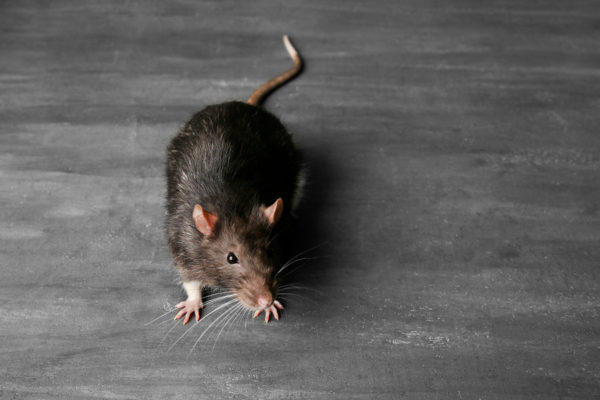
1. Mice and Rats

Mice and rats will seek shelter and warmth during the cold winter months. They can fit through very small openings so eliminating entry points is an effective way at preventing them from coming into your home. Eliminating food and water sources is also effective. Replace damaged roof tiles and fill any cracks in the roofing cement. Keep your attics and garages tidy and clutter free. Store your items in plastic containers versus cardboard. Install chimney caps to keep them from nesting inside your chimney. Cover your air vents with wire mesh. Store food in airtight containers and don’t leave any dirty dishes in the sink. Empty your trash regularly and make sure trash can lids are secure. Don’t leave trash bags out in the open. Clean countertops, stoves, and behind the fridge regularly and sweep and vacuum often. Seal holes around pipes using caulk or expanding foam. Keep branches and shrubbery trimmed away from the house and store firewood at least 20 feet from the home. Don’t leave pet food out overnight and seal unused pet food in airtight containers. Replace weatherstripping on windows and doors.
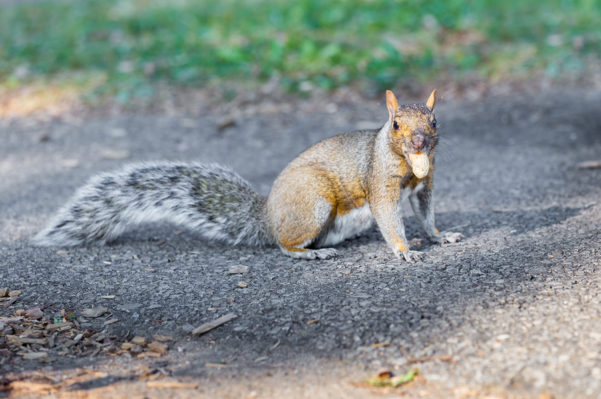
2. Squirrels
Squirrels like to frequent attics and chimneys to make their nests. Cover chimneys with chimney caps. Keep shrubbery trimmed away from the house and cut down overhanging limbs. Replace rotting wood and seal any entry points including where pipes and utilities come into the home and overhanging eaves.
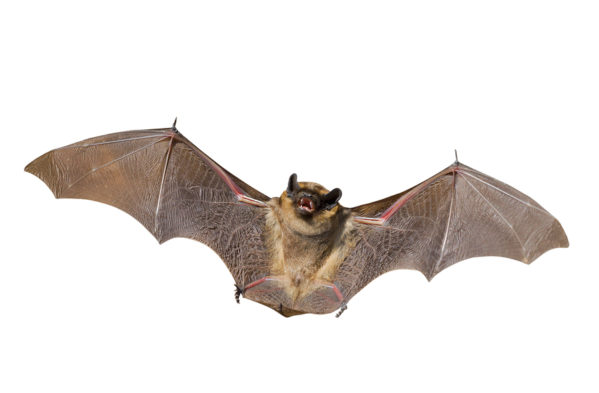
3. Birds and Bats
Birds and bats can and will come into your home through any opening in the exterior of the house. Chimneys should be sealed with chimney caps. Inspect the outside of your home for any openings and seal them with steel wool or foam rubber. Keep doors and windows shut as much as possible. Use screens if you must have your windows open and inspect the screens regularly for damage.
4. Cockroaches
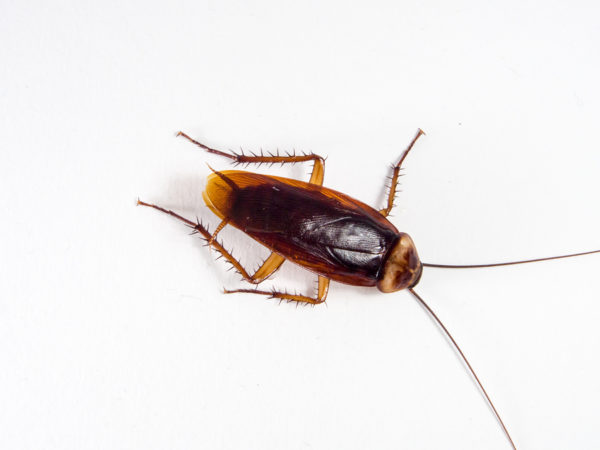
Cockroaches are attracted to moisture and excess water. They will also enter your home in search of food. Check your pipes regularly for leaks and repair quickly. Remove obstructions in pipes to prevent bursting and leaks. Seal around pipe entry points into the home. Clean your gutters. Store items in plastic containers rather than cardboard and keep them off the floor. Store food (including pet food) in airtight containers. Don’t leave dirty dishes in the sink. Wipe down countertops and sweep and vacuum regularly. Clean under sinks, in stoves, and behind appliances regularly. Empty the trash regularly.
5. Fleas
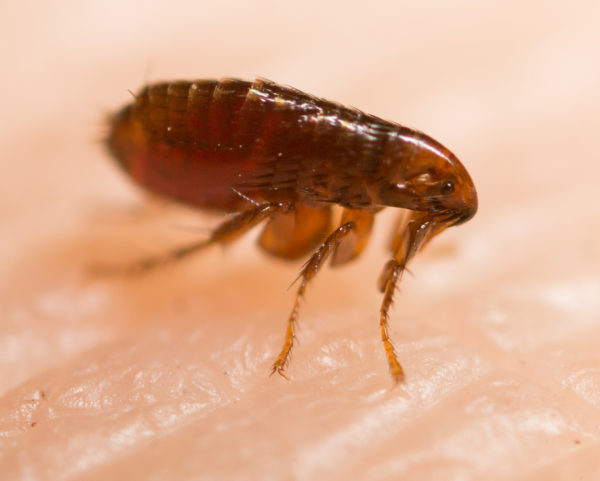
Fleas will hitch a ride into your home on your pets. The first step in preventing fleas is to treat your animals with a flea preventative, whether through medicine or shampoos or both. Check your rugs, carpets, furniture, and pet bedding for signs of fleas. Wash your pet’s bedding and other items in hot water frequently. Vacuum regularly and be sure to empty the vacuum each time you use it. Keep your grass mowed and your shrubs trimmed as this gives fleas less room to hide. Fleas can come into your yard on wild animals so don’t leave pet food out overnight to tempt them to enter your yard. Seal entry points into the house or under porches to prevent them from hiding there, as well.
6. Bed Bugs
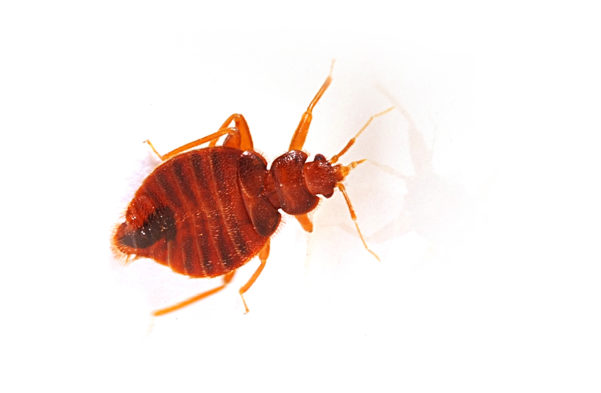
Bed bugs can come into your home in luggage (be vigilant about preventing bed bugs when traveling!) on furniture, bedding, boxes, and even clothing. Check luggage, furniture, bedding, etc. carefully before bringing it into your home. Use a mattress cover that encases the mattress and the box springs. Vacuum frequently. Wash and dry bedding on high heat regularly. Do the same with clothing after traveling.
7. Moths
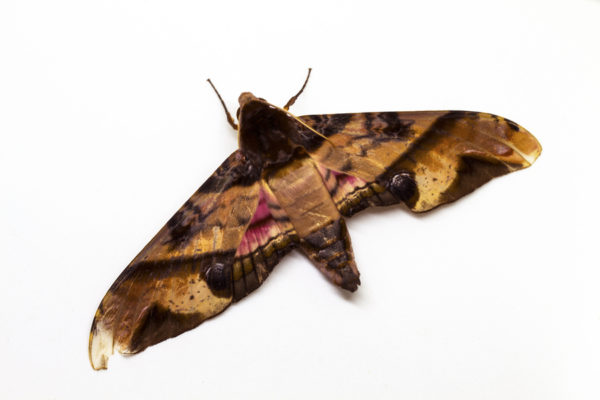
Moths are attracted to wool, fur, and upholstered furniture. Be sure to check your clothes regularly for signs of damage. Wash clothes and store them in sealed bags. Use moth balls. Vacuum and clean the insides of storage areas including wardrobes, closets, and drawers regularly.
8. Spiders
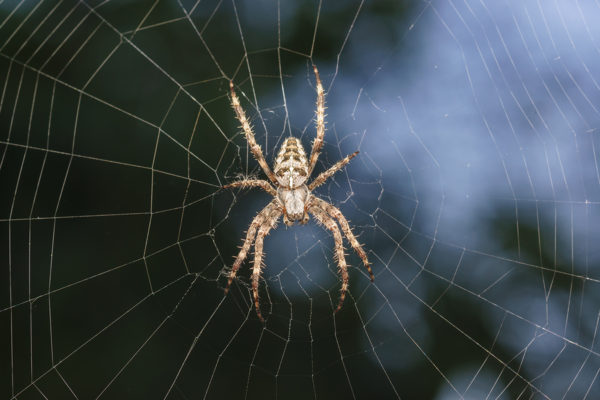
Spiders like to hide in areas of the home that are seldom used. Store seldom used items in sealed plastic containers. Seal cracks and holes in the exterior of your home to keep them from coming inside. Keep your outdoor lights off and use blinds or curtains to block the inside light. Spiders aren’t attracted to the lights but other insects are which the spiders feed on. This eliminates a food source for spiders. Keep shrubbery trimmed away from your home. Keep the grass mowed and remove debris from around your home. Sweep and vacuum regularly. Clear out as much clutter as possible. Vacuum spiders and spider webs.
Oct 6, 2017 | Pest Control
1. Mice and Rats
Mice and rats will seek shelter and warmth during the cold winter months. They can fit through very small openings so eliminating entry points is an effective way at preventing them from coming into your home. Eliminating food and water sources is also effective. Replace damaged roof tiles and fill any cracks in the roofing cement. Keep your attics and garages tidy and clutter free. Store your items in plastic containers versus cardboard. Install chimney caps to keep them from nesting inside your chimney. Cover your air vents with wire mesh. Store food in airtight containers and don’t leave any dirty dishes in the sink. Empty your trash regularly and make sure trash can lids are secure. Don’t leave trash bags out in the open. Clean countertops, stoves, and behind the fridge regularly and sweep and vacuum often. Seal holes around pipes using caulk or expanding foam. Keep branches and shrubbery trimmed away from the house and store firewood at least 20 feet from the home. Don’t leave pet food out overnight and seal unused pet food in airtight containers. Replace weatherstripping on windows and doors.
2. Squirrels
Squirrels like to frequent attics and chimneys to make their nests. Cover chimneys with chimney caps. Keep shrubbery trimmed away from the house and cut down overhanging limbs. Replace rotting wood and seal any entry points including where pipes and utilities come into the home and overhanging eaves.
3. Birds and Bats
Birds and bats can and will come into your home through any opening in the exterior of the house. Chimneys should be sealed with chimney caps. Inspect the outside of your home for any openings and seal them with steel wool or foam rubber. Keep doors and windows shut as much as possible. Use screens if you must have your windows open and inspect the screens regularly for damage.
4. Cockroaches
Cockroaches are attracted to moisture and excess water. They will also enter your home in search of food. Check your pipes regularly for leaks and repair quickly. Remove obstructions in pipes to prevent bursting and leaks. Seal around pipe entry points into the home. Clean your gutters. Store items in plastic containers rather than cardboard and keep them off the floor. Store food (including pet food) in airtight containers. Don’t leave dirty dishes in the sink. Wipe down countertops and sweep and vacuum regularly. Clean under sinks, in stoves, and behind appliances regularly. Empty the trash regularly.
5. Fleas
Fleas will hitch a ride into your home on your pets. The first step in preventing fleas is to treat your animals with a flea preventative, whether through medicine or shampoos or both. Check your rugs, carpets, furniture, and pet bedding for signs of fleas. Wash your pet’s bedding and other items in hot water frequently. Vacuum regularly and be sure to empty the vacuum each time you use it. Keep your grass mowed and your shrubs trimmed as this gives fleas less room to hide. Fleas can come into your yard on wild animals so don’t leave pet food out overnight to tempt them to enter your yard. Seal entry points into the house or under porches to prevent them from hiding there, as well.
6. Bed Bugs
Bed bugs can come into your home in luggage (be vigilant about preventing bed bugs when traveling!) on furniture, bedding, boxes, and even clothing. Check luggage, furniture, bedding, etc. carefully before bringing it into your home. Use a mattress cover that encases the mattress and the box springs. Vacuum frequently. Wash and dry bedding on high heat regularly. Do the same with clothing after traveling.
7. Moths
Moths are attracted to wool, fur, and upholstered furniture. Be sure to check your clothes regularly for signs of damage. Wash clothes and store them in sealed bags. Use moth balls. Vacuum and clean the insides of storage areas including wardrobes, closets, and drawers regularly.
8. Spiders
Spiders like to hide in areas of the home that are seldom used. Store seldom used items in sealed plastic containers. Seal cracks and holes in the exterior of your home to keep them from coming inside. Keep your outdoor lights off and use blinds or curtains to block the inside light. Spiders aren’t attracted to the lights but other insects are which the spiders feed on. This eliminates a food source for spiders. Keep shrubbery trimmed away from your home. Keep the grass mowed and remove debris from around your home. Sweep and vacuum regularly. Clear out as much clutter as possible. Vacuum spiders and spider webs.
Sep 25, 2013 | Uncategorized
There are many ‘issues’ that are addressed within the walls of the 213 year old White House. Last week, a familiar battle began when a cockroach was spotted in the basement of the press offices. Residents of the basement office have faced flooding, mousetraps, and mold in the past year.
But this isn’t the first unwelcomed guest to make its way into what is arguably the most noticeable building in the US. In 1977, Jimmy Carter lead a war against mice that had invaded The White House. When all was said and done, 61 mice had lost their battle against The White House.
It was just a cockroach, one of millions around the world. But this one had a White House address, making it pretty special. Well, special at least to the reporters with workspace in the often-troubled basement of the press offices. Already this year, they have been treated to flooding, soaked carpet, mousetraps and the wondrous odors of mold.
“It was the size of a small drone,” said Martha Joynt Kumar, professor of political science at Towson University, who led the effort Wednesday to capture the bug. Kumar, who has worked out of the press offices studying the president-press relationship for almost four decades, wanted to turn it into the General Services Administration, the agency responsible for the building. “I wanted to bag it so that the GSA would know what kind of issue we had,” she said. “I chased it. But it got away behind some wiring.”
Click HERE to read the full article by Yahoo News Report – Bugged: Obama’s Roach Problem
Apr 29, 2013 | Pest Control
Now that it’s pollen season, many people are suffering sneezing, coughing and discomfort due to an allergy to different pollen types. Though many people know that this triggers allergies within them, they may not know that various household pests can also contribute to allergies. Additionally, those who have asthma may suffer to pests such as cockroaches or mice being in home because these pests can spread strong asthma triggers.
PestWorld.org provides facts about pests and asthma, as well as a ‘First Responder PSA’ that highlights the risk that household pests can put us at when we are indoors. For instance, 63% of American homes contain allergens from cockroaches, but if the home is located in an urban area, it can even reach 98%! Additionally, mice can spread asthma triggers found in 82% of homes. According to the Asthma and Allergy Foundation of America, patients with cockroach allergies develop acute asthma attacks after inhaling cockroach allergens. Allergens can come from not only the actual body of the pest, but also its saliva and feces.
If you are experiencing minor symptoms such as, the AAFA recommends the use of antihistamines, decongestants and anti-inflammatory medications. An effective means to reduce the chance of exposure to pest allergens is using regular treatment through a pest control company. Northwest Exterminating offers services that eliminates and reduces the occurrence of a wide array of household pests including mice and cockroaches.
Sources:
http://www.pestworld.org/multimedia-center/first-responder-psa/
http://www.aafa.org/display.cfm?id=9&sub=22&cont=312
Jan 2, 2013 | Uncategorized
The German cockroach is the most common cockroach found in structures. They can invade your home at anytime of the year and once they do, they can increase in population very quickly. A cockroach can produce 30-48 eggs at a time and those eggs can go on to reproduce in 30-45 days.
At first, German cockroaches will find food, water, and warmth in the home which is usually found in the kitchen and bathroom. But once an infestation occurs they can be found anywhere in the structure and can be difficult to get under control.
Cockroaches can bring about many health and safety concerns. When they invade your home they leave fecal matter and other debris on food and food preparation surfaces. Roaches are also known to cause allergies in children. The National Institute of Environmental Health Sciences reports “one-in-five children in the United States have severe sensitivities to cockroach allergens, which increase the severity of asthma symptoms.”
If you have a roach infestation call a professional pest control company immediately. The quicker you can get the infestation under control, the better for the health of your home and your peace of mind. Call Northwest Exterminating to get rid of roaches in your home or business.

 The
The