By Jason Womack, Quality Assurance Inspector · Last updated: September 2026
Reviewed for accuracy by Cory Goeltzenleuchter, B.C.E., P.H.E., Director of Technical Services for Northwest Exterminating — September 2026
Quick answer: Yes, cockroaches can bite humans, but it happens rarely. Bites only occur during severe infestations where food is scarce, and they typically target fingernails, eyelashes, or calloused skin while a person sleeps. If you are seeing bite marks, it usually means the roach population in your home has grown large enough to require professional attention.
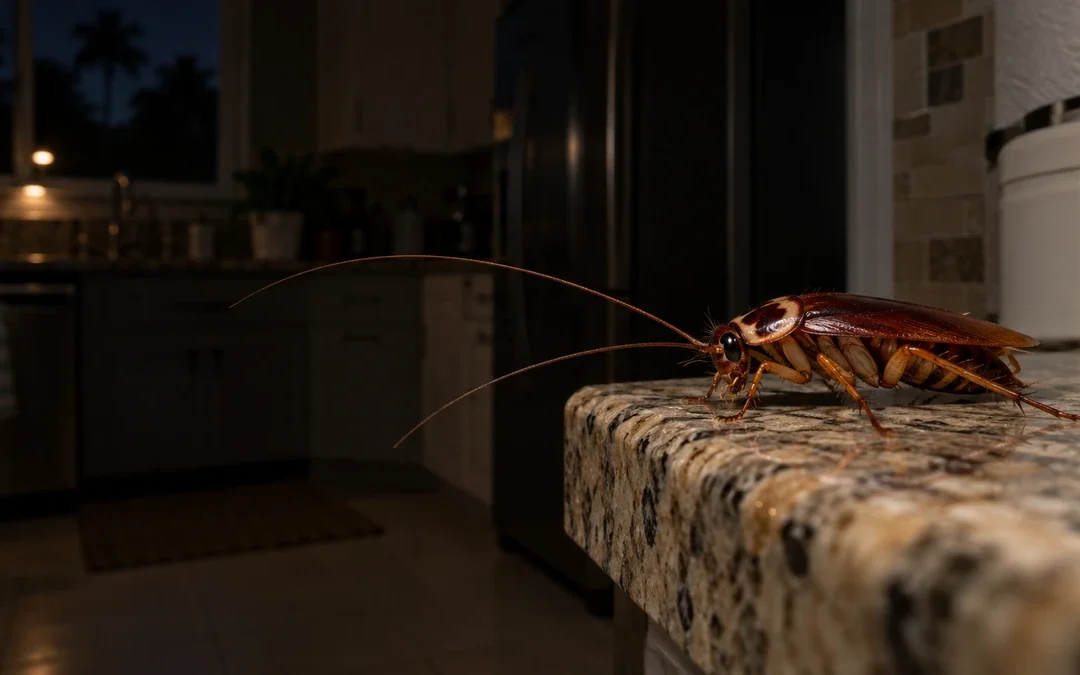
Roaches scattering when the kitchen light flips on is unsettling enough. The question that follows for a lot of South Florida homeowners is whether these insects can actually bite. It is a fair question in a region where warm, humid weather keeps cockroach populations active nearly year-round, from Naples and Fort Myers to Miami, Miami Gardens, and Pompano Beach.
This guide covers when cockroach bites happen, what they look like, how to tell them apart from bed bug, flea, mosquito, and ant bites, which South Florida species are actually capable of biting, and what to do if you find evidence that they have.
Why Cockroaches Bite (and Why It Is So Rare)
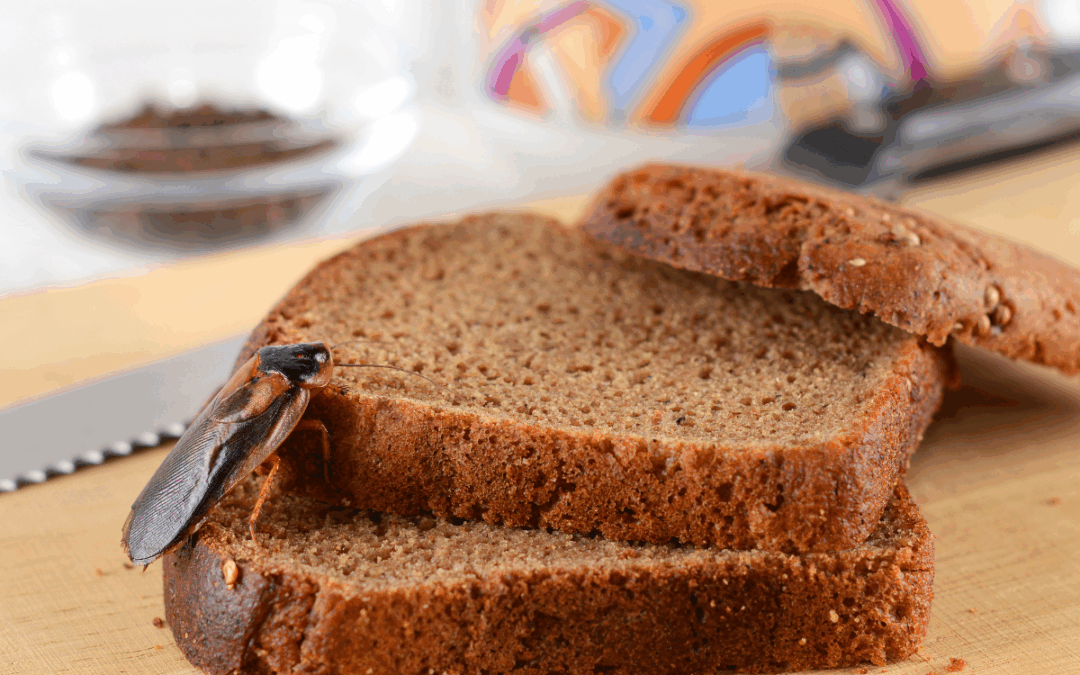
Cockroaches are scavengers, not predators. Their natural diet is food scraps, grease, cardboard, and organic debris, so they have little reason to seek out human skin under normal circumstances. Biting becomes a possibility only when an infestation reaches a scale where competition for food is intense and the usual food sources have been depleted.
In those conditions, roaches may feed on:
Dead skin cells or calloused patches, such as on the feet or hands
Fingernails
Eyelashes
Minor wounds or dried saliva around the mouth
Because these situations require both a large population and limited food, a cockroach bite is far more likely to signal a serious infestation than an isolated pest encounter.
What a Cockroach Bite Looks Like
A cockroach bite typically appears as a small, red, slightly raised bump, similar in appearance to a mosquito bite. It may itch or become mildly inflamed, and in some cases, minor swelling can develop around the site. Because the reaction is so generic, a cockroach bite is difficult to confirm by appearance alone. Without other evidence of an infestation, such as droppings, shed skins, or an unpleasant odor, most bite marks blamed on cockroaches turn out to have a different cause.
Cockroach Bite vs Bed Bug, Flea, Mosquito, and Ant Bites
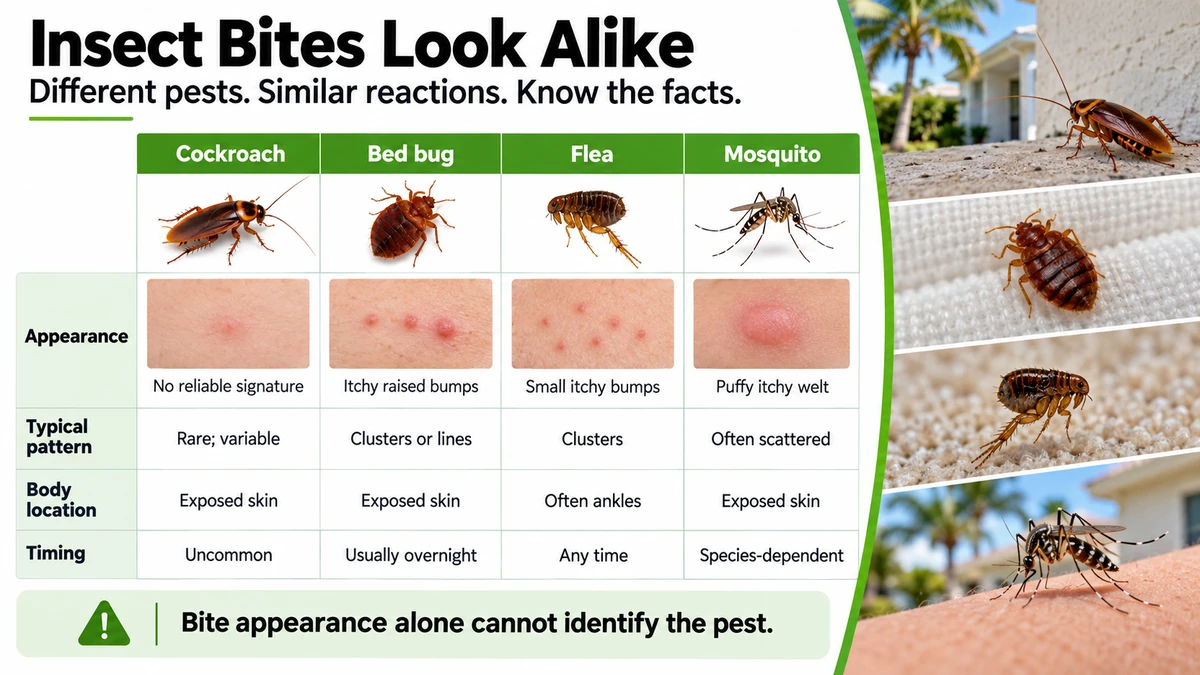
Because cockroach bites are rare and non-distinct, a different pest is far more likely. The table below shows how these bites compare.
Feature
Cockroach
Bed Bug
Flea
Mosquito
Ant
Appearance
Raised red bump, sometimes with mild swelling
Small red welt, often with a darker center
Tiny red dot with a red halo
Puffy, round, pale-to-pink welt
Red bump, may blister or form a white pustule
Pattern
Isolated or a few scattered bites
Lines or clusters, often in a row
Clusters of several bites
Random, scattered
Single or grouped where ants contacted skin
Body location
Hands, face, near the mouth
Areas exposed while sleeping, like arms and shoulders
Lower legs, ankles, feet
Any exposed skin
Feet, ankles, or wherever contact happened
Timing
Overnight, while still
Overnight, while sleeping
Daytime or night, often after floor contact
Dawn, dusk, and evening
Immediately, on contact
If your bites appear in tidy rows or clusters along your arms or neck, a South Florida bed bug issue is a far more common explanation than cockroaches. If they sit low on the ankles and feet, fleas are worth ruling out. A pest control professional can inspect the pattern and location of the bites to help identify the source.
Which Cockroaches in South Florida Actually Bite
Not every species carries the same biting risk, and infestation size matters more than species alone. Three types turn up most often in South Florida homes:
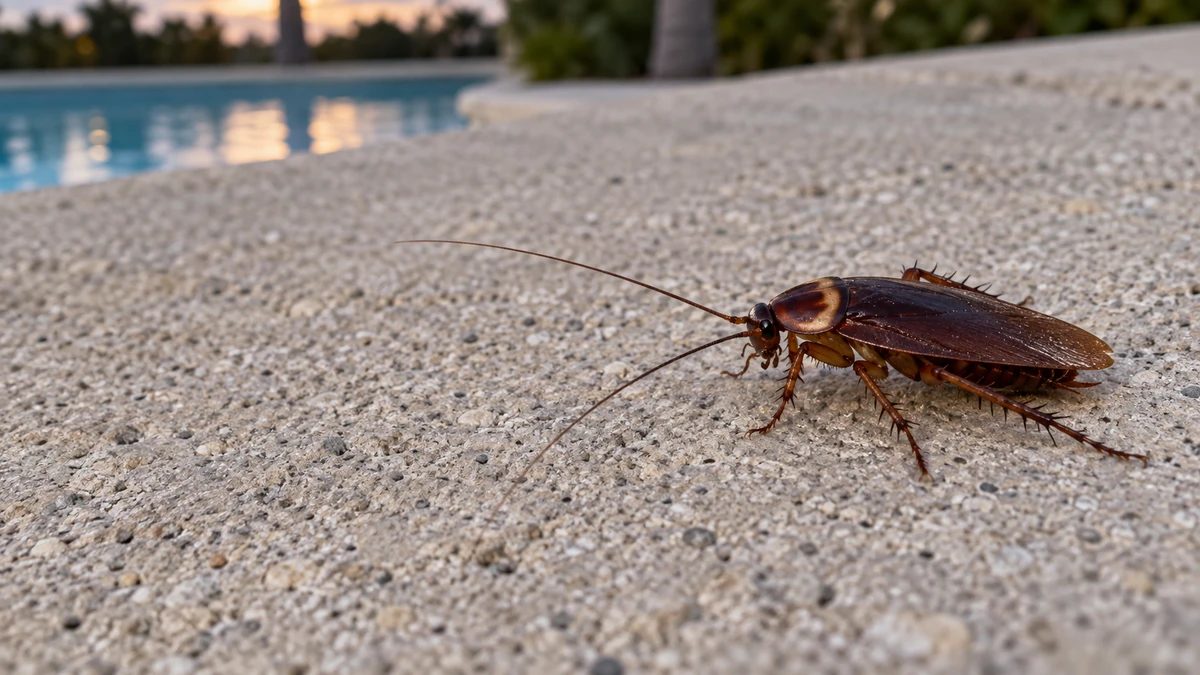
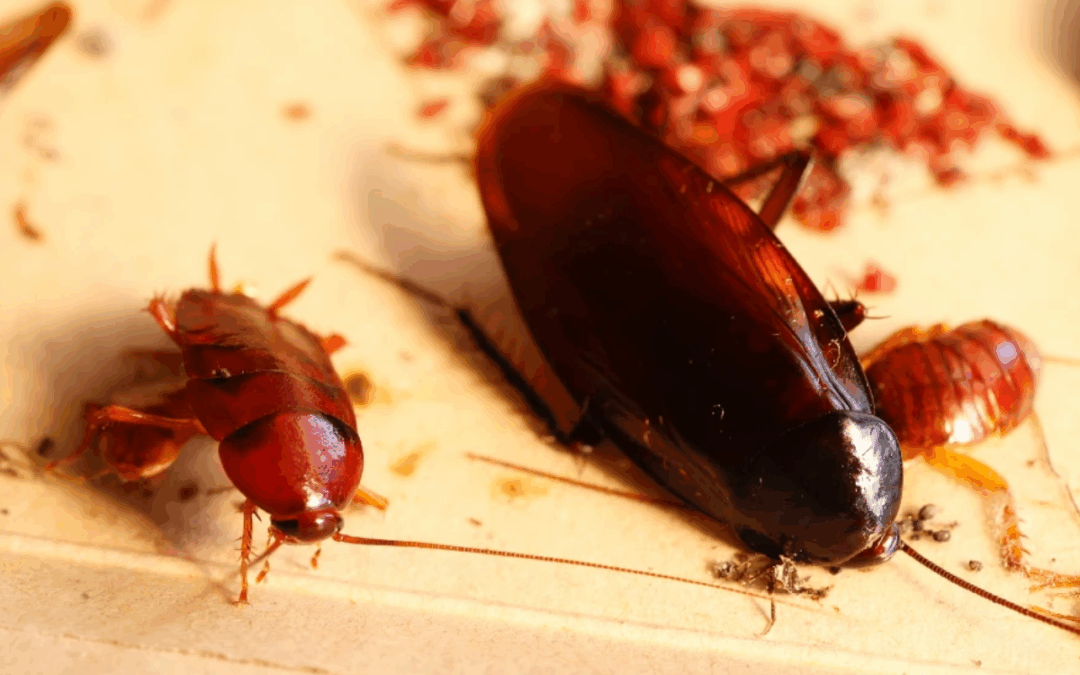
American cockroach. The largest common household species in the region, reddish-brown and often two inches long. It turns up in drains, sewers, and moist areas like garages and bathrooms, and its size and strong mouthparts put it among the species realistically capable of biting a person.
German cockroach. Smaller and faster-reproducing, this species is the most likely to reach the high population densities associated with biting incidents, since it thrives indoors near kitchens and food sources.
Australian cockroach. Similar in appearance to the American cockroach but slightly smaller, this species is common in South Florida’s warm, humid climate and tends to move between outdoor vegetation and homes.
About the palmetto bug: in Florida, “palmetto bug” is a common nickname rather than a separate species. It usually refers to the American cockroach, and sometimes the Florida woods cockroach or Australian cockroach. So when a neighbor mentions a palmetto bug, they are almost always describing a large cockroach. Yes, a palmetto bug can bite, but like other roaches, it only does so when a population has grown large and food is scarce.
Whatever the species, biting is tied to infestation severity rather than being a trait of any one type of roach.
Are Cockroach Bites Dangerous?
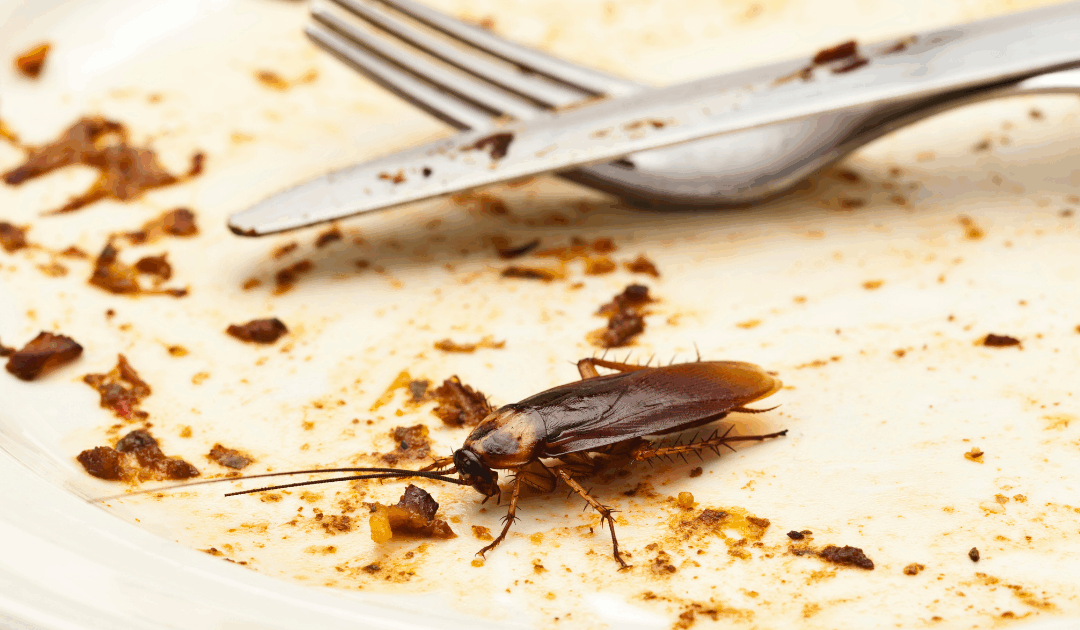
Cockroach bites are not venomous, so the main concern is not the bite itself but what the insect leaves behind and the infestation surrounding it. Because roaches travel through drains, garbage, and decaying matter, a bite can introduce bacteria to broken skin and lead to irritation or infection if it is not kept clean.
The risks actually worth watching for are:
Contamination and infection at the bite site if it is scratched or left unclean
Allergic reactions, such as redness, swelling, or itching beyond the bite
Asthma and respiratory irritation from ongoing exposure to roach droppings and shed skins
Cockroach droppings, saliva, and shed skins contain proteins that act as allergens and can trigger asthma attacks, particularly in children and older adults. According to UF IFAS Extension, cockroaches in Florida homes are both a contamination concern and a documented source of household allergens. The bite is rarely the real risk. The infestation that made it possible is.
How to Treat a Cockroach Bite
Most cockroach bites heal on their own with simple care:
Clean the area with soap and warm water to remove any bacteria left behind.
Apply an antiseptic to help prevent infection at the broken skin.
Use a cold compress for several minutes to ease swelling and discomfort.
Take an antihistamine or apply anti-itch cream if the area itches, which also helps you avoid scratching.
Monitor for infection over the next few days, watching for spreading redness, warmth, pus, or increasing pain.
Seek medical care if the bite worsens, does not improve, or if you notice signs of a stronger allergic reaction.
As a general threshold, contact a healthcare provider if the site looks infected, the reaction spreads well beyond the bite, or you feel unwell.
A Bite Means You Have a Bigger Problem
If a bite mark on your skin is genuinely from a cockroach, it is a signal that the population inside your home has grown large enough to outpace available food sources. By the time a home reaches that point, there is usually heavy activity across multiple rooms, not just the kitchen.
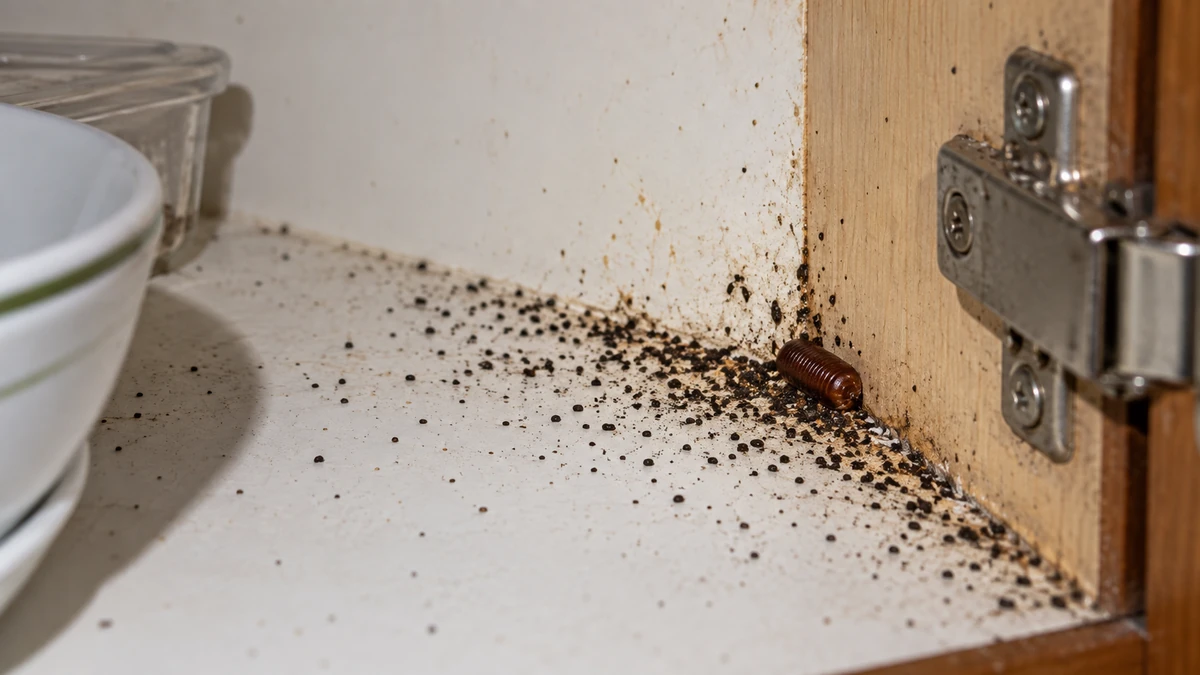
A home at that level has more going on than a single roach. You may find droppings that resemble ground coffee or black pepper, a musty odor, egg cases tucked into cracks, and roaches active during the day, which points to crowding. Those are the signs of an established colony working through walls, cabinets, and plumbing chases.
That is why a bite calls for an inspection rather than a quick spray. Treating what you can see rarely reaches the harborage points where roaches breed, and a proper assessment finds those hidden areas and addresses the source.
Distinguishing a cockroach bite from other pests also matters for treatment.
“When a customer tells me something is biting them at night, the first thing I look for is activity around the sleeping areas. Signs of an infestation usually give us a good indication of what may be biting them. Fleas, bed bugs, and mosquitoes are the most common culprits, while cockroach bites are extremely rare,”
says Mike Vilchez, Quality Assurance Technical Field Trainer for South Florida.
Cockroach Pressure Across South Florida
Cockroach activity varies by region, but South Florida’s warm, humid climate keeps populations active throughout the year in a way that colder markets do not experience.
“The difference in South Florida is that roaches never really get a break. In markets with a true winter, colder temperatures knock populations back each year. Here, they can breed year-round, so control is about staying ahead of them season after season, not just treating once,”
explains Mike Vilchez, Quality Assurance Technical Field Trainer for South Florida.
That year-round pressure shows up across the region, in Naples, Fort Myers, Miami, Miami Gardens, and Pompano Beach. Multi-family buildings and condos share walls and plumbing chases that let German cockroaches travel between units, while irrigation, mulch beds and mature landscaping keep American cockroaches harboring right outside the walls. Homeowners in Naples dealing with recurring infestations may find more detail on cockroach pressure in Naples specifically, including local prevention steps tailored to that market.
How to Get Rid of Cockroaches for Good
Sanitation and exclusion are what keep populations from reaching the levels associated with bites and health risks:
Sanitation first. Clean up crumbs and spills promptly, wipe grease from counters and stovetops, avoid leaving dishes out overnight, and store food, including pet food, in sealed containers.
Correct moisture. Repair leaking pipes and fixtures, address condensation, and reduce standing water around the home. Moisture is often the single biggest draw in South Florida.
Reduce harborage. Seal cracks around baseboards, pipes, and window frames, pull mulch beds back from the foundation, and cut back dense landscaping that touches the structure.
Reduce clutter, particularly cardboard and paper, which cockroaches use for shelter.
Method matters as much as effort. Gel baits placed in cracks and near harborage points are usually more effective indoors than surface sprays, because roaches carry the bait back to where they nest. Broad spraying can scatter a population and miss the source, which is why placement and technique separate a temporary drop in activity from real control.
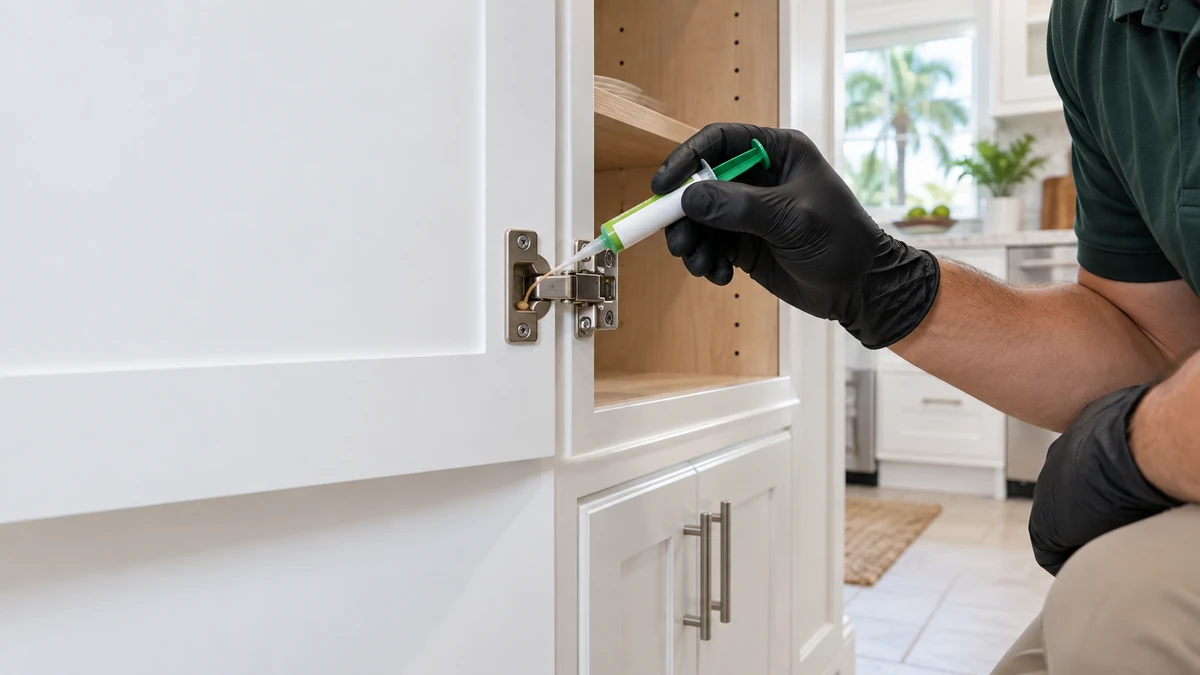
For infestations that have progressed beyond basic prevention, cockroach control in South Florida from a licensed provider is a more reliable path than store-bought treatments alone. A professional program combines a full inspection, targeted baiting, moisture and harborage guidance, and follow-up monitoring, built for a climate where roaches stay active every month of the year.
Frequently Asked Questions
Do cockroaches bite humans?
Yes, cockroaches can bite humans, but it is uncommon. A bite usually happens only when a population has grown large and run short of its usual food, prompting roaches to feed on skin cells and food residue on people. A bite signals an established infestation worth inspecting.
Do cockroaches bite you in your sleep?
They can, though it is rare. Bites tend to happen overnight because hands and faces are still and easy to reach, and because roaches are most active in the dark. If you are waking up with unexplained bites, it is worth ruling out both cockroaches and bed bugs with a professional inspection.
What does a cockroach bite look like?
A cockroach bite usually appears as a small, raised red bump, sometimes with mild swelling, and it may itch. Bites often show up on the hands or face, alone or in small scattered groups rather than in the tidy rows common with bed bugs.
Are cockroach bites dangerous?
Cockroach bites are not venomous, so the main risks are contamination at the bite site and the allergens roaches spread. Keep the area clean, watch for signs of infection, and see a doctor if it worsens or spreads.
Do palmetto bugs bite?
Yes, a palmetto bug can bite, since “palmetto bug” is simply a Florida nickname for large cockroaches like the American cockroach. Like other roaches, it only bites on rare occasions, typically when a population has grown large and food is scarce.
How do I know if it was a cockroach or a bed bug?
Pattern and location are the best clues. Cockroach bites are usually scattered near the hands and face, while bed bug bites tend to line up in rows or clusters on skin exposed during sleep. When the signs are unclear, an inspection can confirm the source.
Concerned About Cockroach Activity in Your South Florida Home?
If you have noticed signs of a growing cockroach population, or you are not sure what is behind a bite mark on your skin, a professional inspection can identify the cause and the right next step. Request a free cockroach inspection across South Florida, including Naples, Fort Myers, Miami, Miami Gardens, and Pompano Beach.
Jason Womack is a Quality Assurance Inspector for the Northwest Family of Brands. He helps uphold service quality standards through inspections, technical expertise, and a commitment to continuous improvement. Jason works closely with teams to support effective pest management solutions and extraordinary customer experiences.
Reviewed for Accuracy
Cory Goeltzenleuchter, B.C.E., P.H.E., Director of Technical Services for Northwest Exterminating, is one of the organization’s leading technical experts in pest management. As a Board-Certified Entomologist and Public Health Entomologist, he oversees technical training, service standards, and industry best practices while helping ensure customers receive extraordinary service through science-based solutions, ongoing education, and innovative approaches across the Northwest Family of Brands.
Winter in Savannah brings cooler temperatures and a break from the summer heat, but not from pest activity. Because the area’s winters are mild, many pests remain active — often moving indoors in search of warmth, food, and shelter. Rodents, cockroaches, and spiders are among the most common intruders this time of year. Understanding which common winter pests stay active and how to keep them out is the first step to protecting your home all season long.
Why Pests Seek Shelter in Winter
Even a subtle drop in temperature can signal a significant change for pests. As their natural outdoor habitats become less hospitable, your home offers an ideal alternative with stable temperatures, moisture, and a consistent supply of food. This instinctive drive for survival is what leads to an increase in indoor pest sightings during the winter months. These pests can enter through the smallest of openings, turning your home into their winter retreat.
Rodents: Mice and Rats
House mice and roof rats are two of the most common pests to invade Savannah homes in winter. They are intelligent and resourceful, capable of squeezing through tiny cracks and holes to gain entry.
Behavior: Once inside, rodents establish nests in dark, secluded areas like attics, basements, wall voids, and behind large appliances. They are nocturnal, so you may hear scratching or scurrying sounds at night before you ever see a mouse or rat.
Risks: Rodents pose a considerable risk to property and well-being. They must constantly gnaw to keep their incisors short, leading them to chew through electrical wiring, drywall, and plastic pipes, which can create fire hazards and cause leaks. They also contaminate food and surfaces with their droppings and urine.
Cockroaches
Cockroaches are a year-round problem in Georgia, but their indoor presence can become more noticeable in winter. Species like the American cockroach and the German cockroach are experts at finding their way inside.
Behavior: Cockroaches are drawn to moisture and food. They often hide in kitchens, bathrooms, laundry rooms, and basements. They thrive in cluttered areas and can reproduce quickly, allowing a small problem to become a major infestation in a short amount of time.
Risks: Cockroaches can spread germs and bacteria across your home. Their shed skins, droppings, and saliva contain proteins that are known to trigger allergies and asthma symptoms, especially in children and sensitive individuals.
Spiders
Spiders are not typically winter pests, but they often follow their food source—other insects—indoors. If you see an increase in spiders, it could be a sign of another underlying pest issue.
Behavior: Spiders prefer quiet, undisturbed areas to build their webs, such as corners, closets, basements, and attics. While most common house spiders are not aggressive, their presence and webs can be a nuisance.
Risks: The primary concern with spiders is their webs and the unsettling feeling of sharing your home with them. Their presence often indicates that other pests are available as a food source within your home.
Effective Winter Pest Prevention Strategies
A proactive approach is the best way to maintain a pest-free home. Focusing on exclusion and sanitation can make your property far less appealing to these unwanted winter guests.
Seal Entry Points
Carefully inspect your home’s exterior for any gaps or openings that pests could use to get inside.
Fill cracks in the foundation and around windows with caulk.
Use steel wool to seal holes around pipes and utility lines, as rodents cannot chew through it.
Install weather stripping on doors and windows to create a tight seal.
Eliminate Attractants
Remove the food, water, and shelter that pests are searching for.
Store all food, including pet food, in airtight containers.
Clean up crumbs and spills immediately and avoid leaving dirty dishes in the sink.
Fix leaky faucets and pipes to reduce moisture.
Keep your home, especially storage areas like basements and attics, clean and clutter-free.
When Professional Help Is Needed
While these prevention methods are effective, an established pest population can be difficult to manage on your own. If you see signs of infestation, such as droppings, gnaw marks, or the pests themselves, it is time to consult a pest control professional to ensure your Savannah home remains a comfortable, pest-free space this winter.
November in Miami brings cooler weather, but it also drives smokybrown cockroaches indoors. Unlike other roaches, these large, winged pests aren’t attracted to filth—they’re seeking shelter for the cooler months. This guide explains how to identify them, why they move inside in November, and how to keep your home roach-free.
Getting to Know the Smokybrown Cockroach
The Smokybrown cockroach (Periplaneta fuliginosa) is a large species, typically measuring over an inch long. They are a uniform, shiny mahogany or black color and have fully developed wings that extend beyond their bodies. While they are strong fliers, they are often more attracted to light than other roach species.
These roaches are outdoor dwellers by nature. They thrive in warm, humid environments and are commonly found in areas with plenty of moisture and organic matter, such as:
Mulch and leaf litter
Tree holes and stumps
Greenhouses and planters
Gutters filled with debris
Unlike German cockroaches, which infest kitchens and bathrooms in search of crumbs, Smokybrowns need a high degree of humidity to survive and will dehydrate quickly without it.
Why Are They Invading Miami Homes in December?
As the season changes, so do the living conditions for Smokybrown cockroaches. Even the subtle temperature drop and drier air of a Miami November can be enough to drive them indoors in search of a more stable environment.
A Need for Moisture
The primary driver for a Smokybrown cockroach invasion is moisture. As the air becomes less humid, these roaches will migrate toward areas that can provide the dampness they require. Your home may offer several attractive spots, including basements, crawlspaces, laundry rooms, and bathrooms.
Shelter from the Elements
Your home provides protection from cooler temperatures and predators. Smokybrowns will exploit any available opening to gain access, often hiding in attics, wall voids, or behind cabinets where they can remain undisturbed.
The Issues with a Smokybrown Infestation
While a single roach might seem like a minor issue, their presence can indicate a larger problem. You should not have to share your living space with these pests.
Contamination: Cockroaches walk across a variety of surfaces, including garbage and decaying matter, before crawling over your countertops, dishes, and food preparation areas. This can lead to the spread of germs throughout your home.
Allergens: Cockroach droppings, saliva, and shed skins contain proteins that can trigger allergic reactions and asthma attacks, particularly in sensitive individuals and children.
A Sign of a Larger Problem: Seeing Smokybrowns indoors often points to a moisture issue or an unsealed entry point that could allow other pests to enter as well.
How to Prevent an Indoor Invasion
Proactive prevention is the most effective way to keep Smokybrown cockroaches out of your home. The focus should be on exclusion and reducing moisture.
Seal Your Home’s Exterior
Conduct a thorough inspection of your property and seal any potential entry points.
Fill cracks in the foundation and gaps around pipes with caulk or sealant.
Install weather stripping on doors and windows to ensure a tight fit.
Repair or replace damaged screens.
Cover attic vents and other openings with fine mesh.
Reduce Moisture Levels
Make your home less attractive by controlling humidity.
Fix leaky faucets, pipes, and drains immediately.
Ensure crawlspaces and attics are properly ventilated.
Use dehumidifiers in damp areas like basements.
Keep gutters clean and ensure they direct water away from the foundation.
Maintain Your Yard
Since these roaches live outdoors, managing your landscape is key.
Keep mulch and pine straw at least a foot away from your home’s foundation.
Clear away leaf litter, woodpiles, and other organic debris.
Trim tree branches and shrubs so they do not touch the house.
Don’t let these sneaky invaders disrupt your holiday season. Contact a pest control professional to schedule an inspection and ensure your Miami home remains a comfortable, pest-free environment.
By Jason Womack, Quality Assurance Inspector, Northwest Family of Brands | Reviewed by Cory Goeltzenleuchter, B.C.E., P.H.E., CP-FS | Updated October 2026
Quick answer: Yes, cockroaches can bite humans, but it happens rarely. A true bite is usually tied to a severe infestation where food is scarce, and there is no appearance that can confirm a cockroach caused a mark. Most marks blamed on roaches turn out to be bed bug bites, flea bites, or skin irritation. If you are seeing roaches and unexplained marks in a Naples home, look at the whole picture, not the skin mark alone.
Finding cockroaches in your Naples home can be unsettling, and it often raises a second question: do they bite? The idea is alarming, but bites are rare. This guide explains when a cockroach bite can happen, why the mark itself is not a reliable diagnosis, what else those marks could be, and how to reduce cockroach pressure in a Southwest Florida home.
Do cockroaches actually bite humans?
Yes, cockroaches can bite, but it is extremely rare. Cockroaches have chewing mouthparts strong enough to break skin, so a bite is physically possible. In practice, it almost never happens. Roaches are scavengers, not blood feeders. They eat crumbs, grease, paper, glue, dead insects, and other organic material. People are not a food source they seek out.
Reports of bites are associated with unusual conditions, such as a severe infestation with scarce food. In those cases, a roach may nibble at exposed skin, including around the hands, feet, fingernails, eyelashes, or calloused skin, often while a person is sleeping. Bite location cannot identify the insect.
“When someone tells us roaches are biting them, we take it seriously, but in my experience it is very rarely roaches. More often we find bed bugs, fleas, or a skin reaction that has nothing to do with a bite at all. Our job is to find the real cause, not just confirm the first guess.”
Jason Womack, Quality Assurance Inspector, Northwest Family of Brands
For a broader look at when bites happen across the region, including which South Florida species are capable of biting, see our guide to cockroach bites in South Florida.
What does a cockroach bite look like?
There is no reliable visual pattern that distinguishes a cockroach bite from other insect bites or skin irritation. If a cockroach bite occurs, it may leave a localized red, irritated, or slightly swollen mark, but that appearance is not proof of the cause. A doctor can assess concerning or worsening symptoms.
A few details help put suspected cockroach bite marks in context, but none of them can confirm a cockroach caused the mark:
Number and pattern. A bite may be a single localized mark, but there is no dependable pattern that identifies a cockroach.
Location and timing. Marks can be noticed after sleep, but location and timing alone do not identify the pest.
Context. Roach sightings or other infestation signs make cockroaches a possibility, but do not prove that a skin mark is a bite.
Because the mark is not visually diagnostic, inspect the surroundings as well. A line or tight cluster of itchy marks may be a reason to inspect for bed bugs, but the pattern alone cannot confirm the cause. Check mattress seams, headboards, and box spring edges for insects, dark spots, or shed skins. Our bed bug control page outlines what that inspection involves.
What else those marks could be
When roaches and bed bugs are ruled out, a few other explanations come up often.
Flea bites and other pests. Flea bites can be small, itchy red marks, often around the ankles and lower legs, but their appearance and location vary. Homes with dogs or cats are one possible setting. Fleas can also arrive on wildlife or in second-hand furniture and rugs. Mosquitoes, spiders, mites, and chiggers can all leave marks that look like insect bites.
Cockroach allergen reactions. Cockroach droppings, saliva, and shed skins contain proteins that can trigger allergic reactions. These allergens are best known as a trigger for allergies and asthma, especially in children, but they may also contribute to itchy, irritated skin in some people. Roaches can affect someone without biting them. For more on that risk, see our guide to cockroaches as a possible allergy trigger.
“The marks people bring to us most often turn out to be bed bugs, fleas, or an allergic reaction. When someone is waking up with bites and does not know why, I tell them not to guess and not to start spraying products around the bed. Let a trained professional look at the room, the bedding, and the whole home so the treatment matches the real cause, and talk with a doctor about the marks themselves.”
Jason Womack, Quality Assurance Inspector, Northwest Family of Brands
Skin conditions that are not bites. Contact dermatitis, hives, or a reaction to a new detergent or soap can also cause red bumps that seem to appear overnight. If no pest activity turns up in the home, a doctor can help identify what is going on.
The real health risks of a cockroach infestation
A suspected cockroach bite is not usually a reason to panic, but the mark itself cannot confirm which insect caused it. As with any broken or irritated skin, watch for worsening redness, swelling, warmth, pain, or drainage. Gently clean the area with soap and water, and see a doctor if it worsens or if you have a reaction that concerns you.
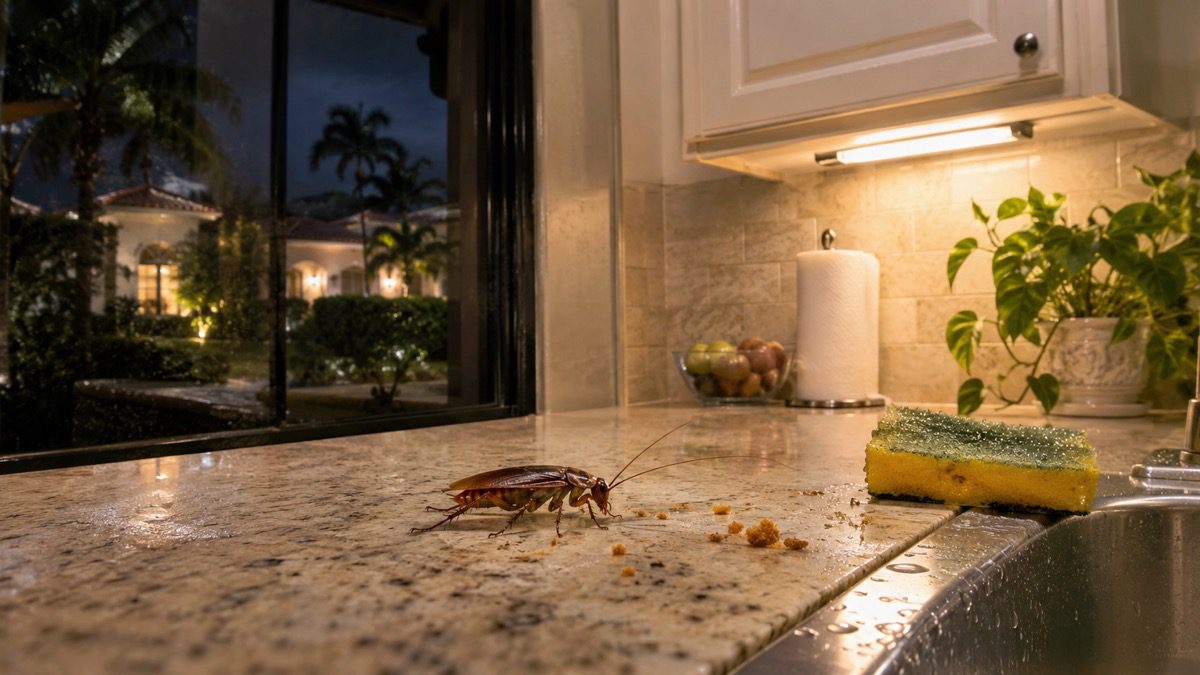
Crumbs and moisture draw cockroaches, and a growing infestation is the real health concern.
The larger household health concerns are usually the infestation itself.
Contamination and disease transmission. Cockroaches frequent unsanitary places like drains, sewers, and garbage, where they can pick up bacteria and pathogens. As they crawl across food, counters, and utensils, they can transfer germs such as Salmonella and E. coli, increasing the risk of illness.
Allergies and asthma triggers. Cockroach saliva, droppings, and shed skins contain proteins that become airborne allergens. Sensitive individuals, particularly children and older adults, may experience allergic reactions, rashes, sinus irritation, and asthma attacks. Infestations can also reduce indoor air quality.
Reports of bites are associated with unusual conditions, including severe infestations, but a skin mark alone cannot tell you how many roaches are present. Look for other evidence, such as droppings, egg cases, shed skins, or repeated sightings, including during the day. Understanding where roaches come from can help you spot conditions that allow a population to grow, such as moisture, gaps around plumbing, and items brought in from outside.
“When a bite really is from a cockroach, the infestation is usually hard to miss. We see roaches out during the day, droppings in cabinets and drawers, and activity well beyond the kitchen. At that point the bite is a symptom. The population is the problem we need to solve.”
Cory Goeltzenleuchter, B.C.E., P.H.E., CP-FS
Do cockroaches bite pets?
Cockroach bites on pets are very rare. A roach may nibble at pet food, food bowls, or residue on a pet’s fur, but it does not target animals as a food source. Itchy pets with red skin are more likely to be dealing with fleas, mites, or allergies.
A more common pet concern is dogs and cats chasing or eating roaches. Keep pet food sealed and clean bowls daily. Talk with your veterinarian if your pet shows signs of illness or skin trouble.
What to do if you are being bitten at night
Unexplained bites at night can affect your sleep and peace of mind. A calm, step-by-step approach can help you find answers.
Look at the marks. Note how many there are, where they are, and whether they form lines or clusters. These details may help an inspector, but they do not identify the pest on their own.
Inspect your bed. Check mattress seams, box spring edges, headboards, and nearby furniture for insects, dark spots, or shed skins.
Check for roach activity. Look for droppings, egg cases, or live roaches in the kitchen, bathroom, and bedroom, especially near moisture.
Consider your pets. Watch for scratching and check pet bedding for tiny dark specks.
Avoid guessing with sprays. Products used in the wrong place can scatter pests and make the real problem harder to find.
Care for your skin and reach out. Clean the area with soap and water, see a doctor if it worsens, and contact a pest professional for an inspection.
Once the pest is identified, treatment can focus on the actual source instead of the marks alone.
How to prevent cockroaches in your Naples home
Preventing cockroach bites starts with keeping a population from growing in the first place. Sanitation, moisture control, and sealing potential entry points are your first defense in Naples, where warm, humid weather can keep cockroaches active year-round.
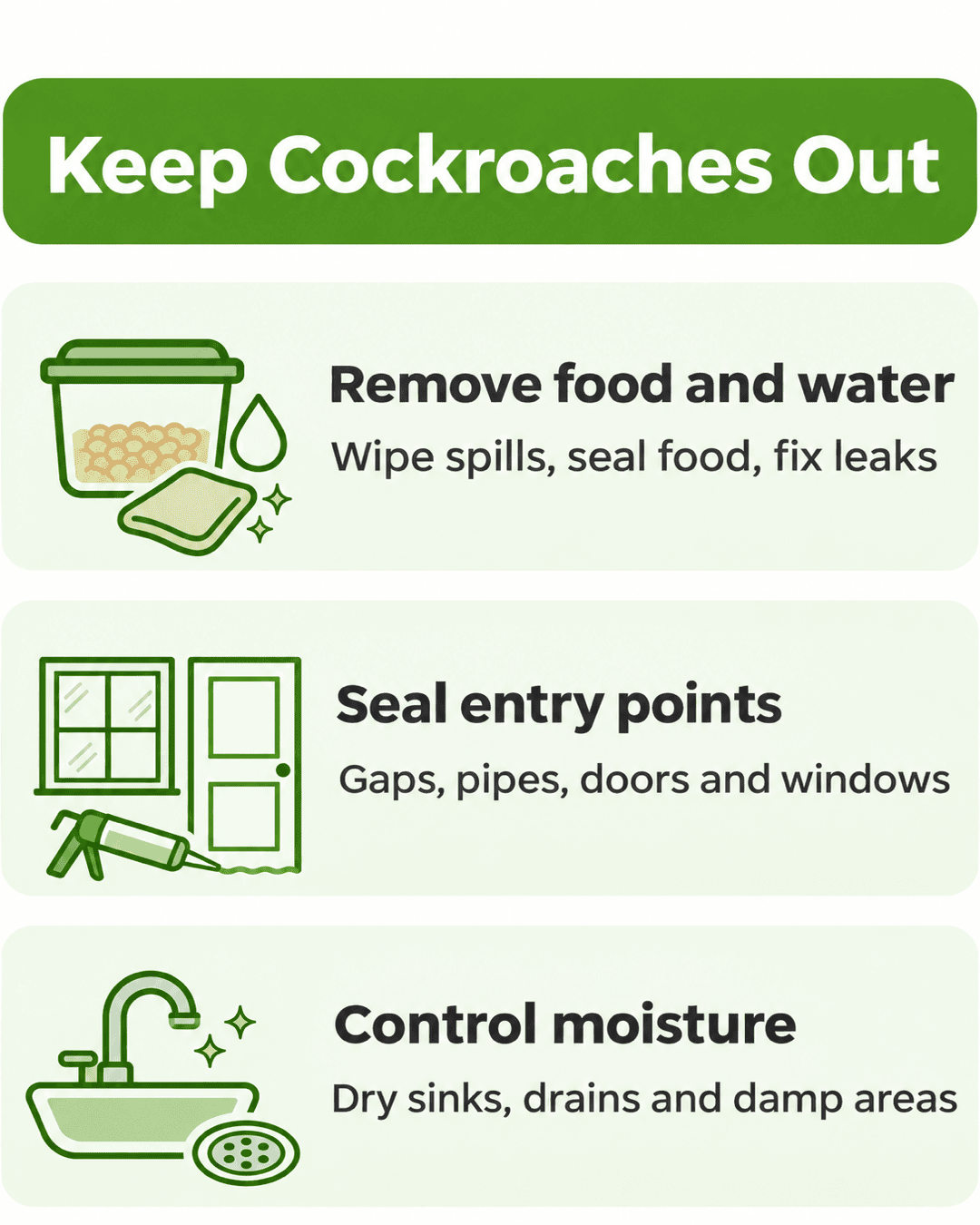
Three steps that help keep cockroaches out of a Naples home.
Eliminating food and water sources. Wipe up crumbs and spills immediately and avoid leaving dirty dishes overnight. Store all food, including pet food, in airtight containers. Use trash cans with tight lids and remove garbage regularly. Repair leaky faucets and pipes to remove moisture sources.
Sealing entry points and reducing clutter. Seal cracks in walls, around pipes, and along baseboards. Check doors and windows for intact weather stripping and screen integrity. Declutter areas like cardboard boxes and stacked newspapers to reduce hiding spots. Even a clean house can attract cockroaches when moisture or entry points remain.
If you spot cockroach activity, it signals a problem that should be addressed promptly. A certified technician can inspect your home and recommend a targeted treatment plan. Learn more about Florida pest control or reach our Naples pest control team.
Prefer to talk? Call Northwest Exterminating at (855) 789-9807.
Frequently asked questions
Do cockroaches bite humans?
Cockroaches can bite humans, but it is rare. Reports are associated with unusual circumstances and substantial roach activity, but a mark alone cannot establish the cause or infestation size. Many suspected bites have another explanation, such as bed bugs, fleas, or skin irritation.
What does a cockroach bite look like?
There is no reliable appearance that identifies a cockroach bite. A bite may cause localized redness, irritation, or mild swelling, but those signs overlap with other bites and skin conditions. The mark alone cannot confirm the cause.
How do you tell a cockroach bite from a bed bug bite?
You cannot reliably tell by the skin marks or their pattern alone. Inspect the surroundings for pest evidence: bed bugs may leave live insects, shed skins, or dark spotting near sleeping areas, while roaches may leave droppings, egg cases, or live insects near food, water, and hiding places.
Are cockroach bites dangerous?
A suspected bite is usually a minor skin concern, but the mark cannot confirm its cause. Gently clean the area with soap and water and see a doctor if it worsens or concerns you. Cockroach allergens and contamination of food or surfaces are more established household health concerns than infection from a bite.
Can roaches bite you while you sleep?
It is physically possible, but uncommon. Roaches are more active when it is dark, yet waking up with marks does not mean a cockroach caused them. Look for pest evidence and consider other possible causes.
Do cockroaches bite pets?
Cockroach bites on pets are very rare. Roaches may nibble at pet food or residue, but itchy pets are more likely to have fleas, mites, or allergies.
Most of the time, the answer to “do cockroaches bite?” is reassuring. They can, but they rarely do, and marks on your skin often have another explanation. Getting an accurate answer helps you choose the right next step for your health and home.
Author: Jason Womack, Quality Assurance Inspector, Northwest Family of Brands
Jason Womack is a Quality Assurance Inspector for the Northwest Family of Brands. He helps uphold service quality standards through inspections, technical expertise, and a commitment to continuous improvement. Jason works closely with teams to support effective pest management solutions and extraordinary customer experiences.
Cory Goeltzenleuchter is a Board Certified Entomologist, Public Health Entomologist, and one of the Southeast’s leading technical experts in pest management. He oversees technical training, service standards, and industry best practices across the Northwest Family of Brands, helping ensure customers receive science-based pest management solutions and extraordinary service experiences.
Cockroach infestations are a common issue for Newnan homeowners. These pests are more than just a nuisance; they can spread bacteria, trigger allergies, and contaminate food. With Newnan’s warm, humid climate creating the perfect conditions, it’s crucial to take proactive steps to protect your home.
Protect Your Home From Cockroach Infestations
Why Cockroaches Thrive in Newnan
The warmth and humidity in Newnan provide an inviting environment for cockroaches. They typically infest dark, damp spaces like basements, kitchens, and bathrooms, making them difficult to detect until the infestation has progressed. Common species in the area include German, American, and smoky brown cockroaches.
Cockroaches pose health risks by spreading pathogens such as Salmonella and E. coli. Their droppings and shed skin can also exacerbate allergies or asthma, making prompt and effective pest control essential.
Simple Tips to Prevent Cockroach Infestations
Preventing cockroach infestations starts with making your home less appealing to these pests. Here are some key steps:
1. Keep Your Home Spotless
Cockroaches forage for food, so cleanliness is critical.
Wipe down surfaces and sweep floors regularly.
Store food in sealed containers and avoid leaving dirty dishes in the sink.
Take out the trash daily.
2. Reduce Moisture
Cockroaches thrive in damp areas, so eliminate sources of excess moisture.
Fix leaky pipes and faucets promptly.
Use dehumidifiers to manage humidity in basements or damp areas.
Improve ventilation in bathrooms and kitchens.
3. Seal Entry Points
Block areas where cockroaches might enter your home.
Patch cracks and crevices in walls and foundations.
Repair torn window screens and install door sweeps.
Seal gaps around pipes and wiring.
4. Minimize Clutter
Cockroaches love to hide in clutter. Keep your home organized and clear of piles of paper, old newspapers, and magazines to deter them. Opt for plastic storage containers instead of cardboard boxes, which can attract pests and give them a place to nest.
Why Consider Green Pest Control?
Green pest control is an environmentally responsible approach that uses low-toxicity solutions to manage pests. It’s just as effective but avoids the use of harsh chemicals, making it safer for children, pets, and the planet. Options include:
Natural Repellents like peppermint oil and cedarwood to deter cockroaches.
Green Bait Stations, which attract and eliminate cockroaches without toxic pesticides.
Integrated Pest Management (IPM), combines prevention, habitat modification, and minimal intervention for sustainable, long-term pest control. A professional pest control company can design and implement an IPM plan tailored to your home’s specific needs.
Green pest control not only eliminates cockroaches but also helps prevent future infestations while prioritizing the health of your home and environment.
Take Charge of Your Home
Cockroaches are a persistent problem in Newnan, but they’re not unbeatable. By maintaining a clean, moisture-free, and clutter-free home while sealing entry points, you can make it difficult for these pests to move in. For more severe infestations, don’t hesitate to seek help from a professional pest control company that offers both traditional and eco-friendly pest control options.
Give us a call or click the button below to request your FREE estimate!
*Inspection fee for Bird Control or Snake Removal begins at $125. These service inspection fees will be applied to total service cost if bird control and/or snake removal services are completed.
By submitting, you agree to be contacted about your quote. See our Privacy Policy.
READY TO GET STARTED?
REQUEST A FREE ESTIMATE
Fill out the form below or call (866) 800-2197 for a free, no-obligation estimate.
READY TO GET STARTED?
REQUEST A FREE ESTIMATE
Fill out the form below or call (866) 800-2197 for a free, no-obligation estimate.
READY TO GET STARTED?
REQUEST A FREE ESTIMATE
Fill out the form below or call (855) 374-3795 for a free, no-obligation estimate.