READY TO GET STARTED?
REQUEST A FREE ESTIMATE
Fill out the form below or call (888) 466-7849 for a free, no-obligation estimate.

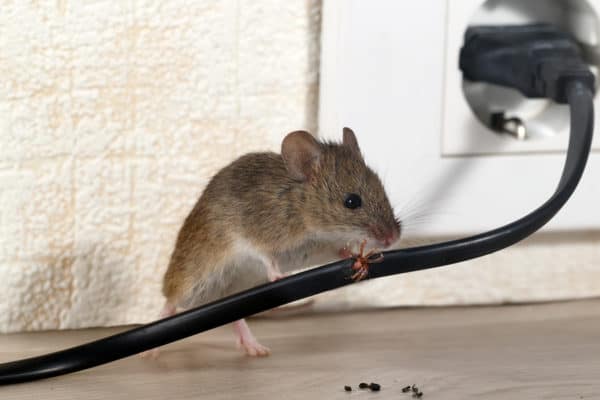
When you hear a strange scratching sound in the walls or find mysterious droppings in your pantry, it’s easy to jump to one conclusion: rodents. But identifying the specific type of rodent is the first and most critical step toward effective removal. The three most common species found in homes are the house mouse, the Norway rat, and the roof rat. Each has adapted to thrive alongside humans, but their differences are significant. While all rodents share common features like a single pair of upper incisors, short legs, and long tails, a closer look reveals distinct characteristics. Knowing whether you have a mouse vs. a rat can determine the best course of action, as their behaviors, nesting habits, and even diet vary greatly. This guide will help you spot the difference and understand why correct identification is key to protecting your home and health.
At first glance, a small rat might look like a large mouse. However, there are several physical traits you can use to distinguish between these pests.
The house mouse is the smallest of the three, typically measuring only 4 to 6 inches long, including its tail. They are often confused with young rats due to their size. Their fur is usually light grey or brown, with a lighter, often white, belly. A house mouse has a small head with a triangular snout, long whiskers, and large, floppy ears. Their tail is thin and hairy, and notably longer in proportion to their head and body.
Also known as the brown rat, the Norway rat is the largest of these rodents, growing up to 10 inches long. They have thick, heavy bodies covered in shaggy brown fur with black shading. Their underside is typically a paler color. A key identifier is their tail, which is shorter than the length of their head and body, and appears thick, hairless, and scaly. They have a blunt nose and small, hairy ears.
The roof rat, also called the black rat, has a more slender body than the Norway rat and is usually about 8 inches long. Their fur is smooth and typically gray with black shading. Like the house mouse, their dark, scaly tail is longer than their head and body. They can be distinguished from mice by their large, thin, hairless ears and pointed noses.
What these pests eat and how they eat it can leave behind important clues.
Where you find evidence of rodents can tell you a lot about the species you’re dealing with.
House mice are agile climbers and live on the ground, often nesting in burrows or hidden areas near a food source. They will build nests out of any soft material they can find, such as shredded paper, insulation, or fabric. One telltale sign of a mouse infestation is the presence of “urine pillars,” which are small mounds of grease, dirt, and urine that build up over time.
As their larger size suggests, Norway rats prefer to stay on the ground. They are known for creating extensive burrows, which can cause significant damage to sewer lines and building foundations. They often travel along the same paths, leaving behind smudges from the oil and dirt on their fur. You’ll typically find them in basements, crawlspaces, and sewer systems.
True to their name, roof rats are exceptional climbers and prefer to nest in elevated areas. You can find them in attics, under roofs, and within walls. In warmer climates, they may even build nests in trees. Unlike Norway rats, they tend to walk on their toes, leaving scattered, less distinct smudge marks along their paths.
Understanding the breeding habits of rodents highlights why a small problem can quickly become a large infestation. The newborns of all three species are born blind, hairless, and entirely dependent on their mother.
Rodents have distinct personalities and behaviors that influence how they interact with their environment.
One of the most common signs of a rodent infestation is their droppings. The size and shape are key identifiers.
Regardless of whether you have mice or rats, any rodent infestation poses serious risks. Their droppings can spread diseases like Hantavirus and salmonellosis. Furthermore, their constant gnawing can cause structural damage to your home and create fire hazards by chewing through electrical wires.
If you suspect a rodent problem, it is essential to act quickly. A licensed pest control professional can accurately identify the species, implement safe and effective removal techniques, and create a comprehensive prevention plan to keep your home rodent-free. Contact a rodent control professional today to ensure the health and safety of your home and family.
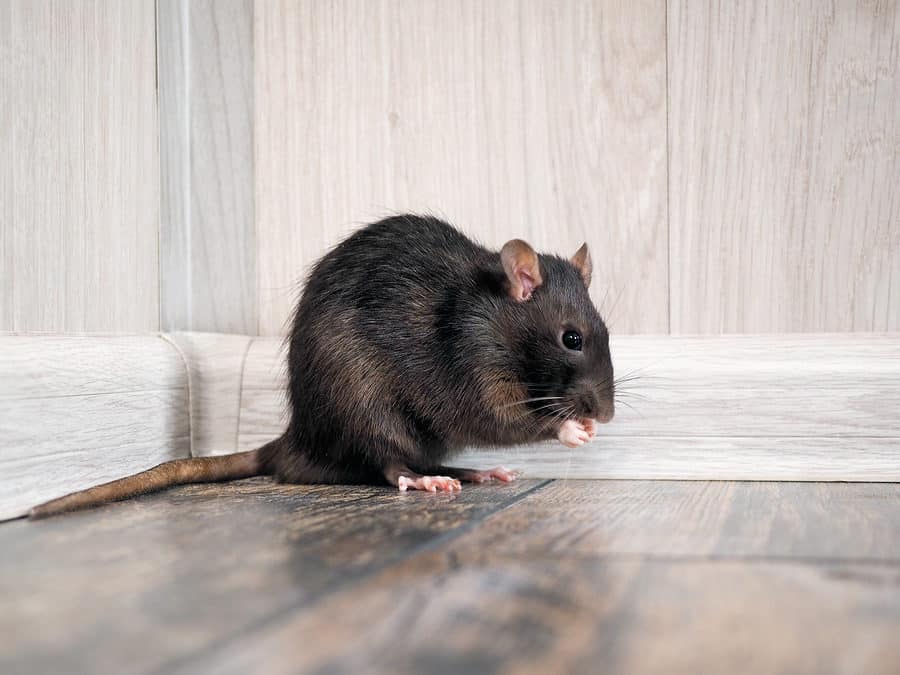
FACT. Rats are one of the most common pest issues homeowners face. Rats are known for being destructive by gnawing on structures in and around your home including utility pipes, wood structures, and wiring. In addition to the structural damage rats can cause, it is also possible for rats to pose serious health risks to humans. Diseases caused by rats can be transmitted through bites or scratches. Rat feces illness can be transmitted to humans through rat droppings and urine left around your home. Humans can also get sick through contaminated food caused by rats running across countertops where food is later prepared.
Just how sick can rats make you? Here are some common rat-borne diseases found in the United States.
Hantavirus pulmonary syndrome is a viral illness spread by deer mice, cotton rats, rice rats, and white-footed mice. HPS is spread by direct contact with rodents or their urine and feces, by breathing in dust contaminated with urine or droppings, or by bite wounds. Symptoms in the first phase of the virus include fatigue, fever, muscle aches, headache, dizziness, chills, nausea, vomiting, and abdominal pain. The symptoms then progress to coughing and shortness of breath. HPS is a severe and sometimes fatal respiratory disease with a 38% mortality rate. There is no specific treatment, cure, or vaccine for hantavirus infection.
Leptospirosis is a bacterial disease spread by rodents worldwide by either eating or drinking food and water contaminated with urine or contact through the skin or mucous membranes with water or soil that is contaminated with urine. Without treatment, leptospirosis can lead to kidney damage, meningitis (inflammation of the membrane around the brain and spinal cord), liver failure, respiratory distress, and even death. Common symptoms include fever, chills, headache, muscle aches, abdominal pain, vomiting, jaundice, diarrhea, and rash. The symptoms are often mistaken for other illnesses. If not treated, the second phase of symptoms includes kidney or liver failure or meningitis. The disease lasts between 1 and 3 weeks. Leptospirosis is treated with antibiotics.
Rat-bite fever is a bacterial illness spread by rats and possibly mice. The disease occurs worldwide and is spread through bites or scratches from an infected rodent, contact with a dead rodent, or eating or drinking food and water that is contaminated by rat feces. If not treated, RBF can be a serious or even fatal disease. RBF is not spread from one person to another. The early symptoms of RBF can be similar to the symptoms of other medical conditions. Common symptoms include fever, headache, muscle pain, headaches, vomiting, joint pain, and rash. If the illness progresses, more severe complication can arise such as abscesses, hepatitis, kidney infections, pneumonia, meningitis, or infections in the heart. RBF is treated with antibiotics.
Salmonellosis is a bacterial disease found worldwide that is spread by rats and mice. Salmonellosis is spread through eating or drinking food and water that is contaminated by rat feces. Salmonellosis is an infection caused by the Salmonella bacteria. Although commonly spread when a person eats contaminated food, the bacteria also can be passed between people and animals. Common symptoms include diarrhea, vomiting, fever, and abdominal cramps. Salmonella infections in people usually resolve within 5-7 days, and most do not require treatment other than drinking plenty of fluids. People with severe diarrhea may need to spend time in a hospital getting rehydrated with intravenous fluids.
Rat-borne diseases can cause serious and sometimes fatal illnesses in humans. The best way to avoid these diseases is to prevent rats from infesting your home in the first place. Here are some common home rat prevention tips:
Request a Free Wildlife Control Estimate
The Dos and Donts of Bird Nest Removal
When Should You Be Concerned About A Spider Bite?