Aug 6, 2025 | Florida Green Pest Control
Pests are a common concern for homeowners and businesses across Florida, from ants and cockroaches to termites and mosquitoes. Many wonder whether natural or less chemical-intensive pest control methods can really compete with traditional approaches. Misunderstandings about these methods often prevent people from considering alternatives. This blog breaks down common myths about chemical-free pest control, highlights how effective these methods can be, and addresses Florida’s unique pest challenges.
Common Myths About Non-Chemical Pest Control
Several misconceptions surround non-chemical pest control. Here are the most common myths debunked:
Myth 1: These Methods Aren’t as Effective as Traditional Treatments
Reality: When applied correctly, non-chemical techniques are highly effective. They often use natural repellents, traps, and targeted treatments designed to eliminate pests without harming beneficial insects or causing environmental damage. Long-term strategies focus on habitat modification and exclusion to address the root causes rather than quick fixes.
Myth 2: Only Suitable for Minor Infestations
Reality: These approaches can handle large infestations too. Thorough inspections, targeted treatment, and prevention measures can manage serious pest problems, from termite damage to mosquito control, without sacrificing results.
Myth 3: More Expensive Than Traditional Options
Reality: While upfront costs may sometimes be higher, these methods often save money over time by reducing repeat treatments and preventing recurring infestations. They also reduce potential health risks associated with exposure to harsh chemicals.
Benefits of Non-Chemical Pest Control in Florida
Florida’s warm, humid climate makes pest management a year-round concern. Here are some benefits of using non-chemical methods:
Better for Health
Many natural pest control products use low-risk materials that minimize exposure risks for children, pets, and plants. Unlike some pesticides that leave residues, these treatments focus on managing pests without harmful side effects.
Long-Term Results
Rather than temporary relief, non-chemical pest control emphasizes prevention by sealing entry points, improving sanitation, and making properties less inviting to pests.
How to Get Started with Non-Chemical Pest Control in Florida
If you want to explore these methods, follow these tips:
- Choose Experienced Providers
Work with local pest control professionals familiar with Florida’s climate and pest challenges who offer treatment plans emphasizing inspection and prevention.
- Prioritize Prevention
Simple steps like sealing cracks, maintaining landscaping, and decluttering deter pests before they become a problem.
- Stay Consistent
Routine inspections and maintenance help keep pests away and maintain the effectiveness of any treatments.
So Green Pest Control?
Choosing less chemical-intensive pest control doesn’t mean sacrificing results. When applied properly, these methods can be just as effective as traditional treatments. By addressing the root causes of infestations and focusing on prevention, they offer lasting benefits for your home and family.
If you’re dealing with pests, consider contacting local pest control professionals who can assess your situation and recommend the best treatment options tailored to your needs and Florida’s unique environment.
Jul 14, 2025 | Going Green, Pest Control
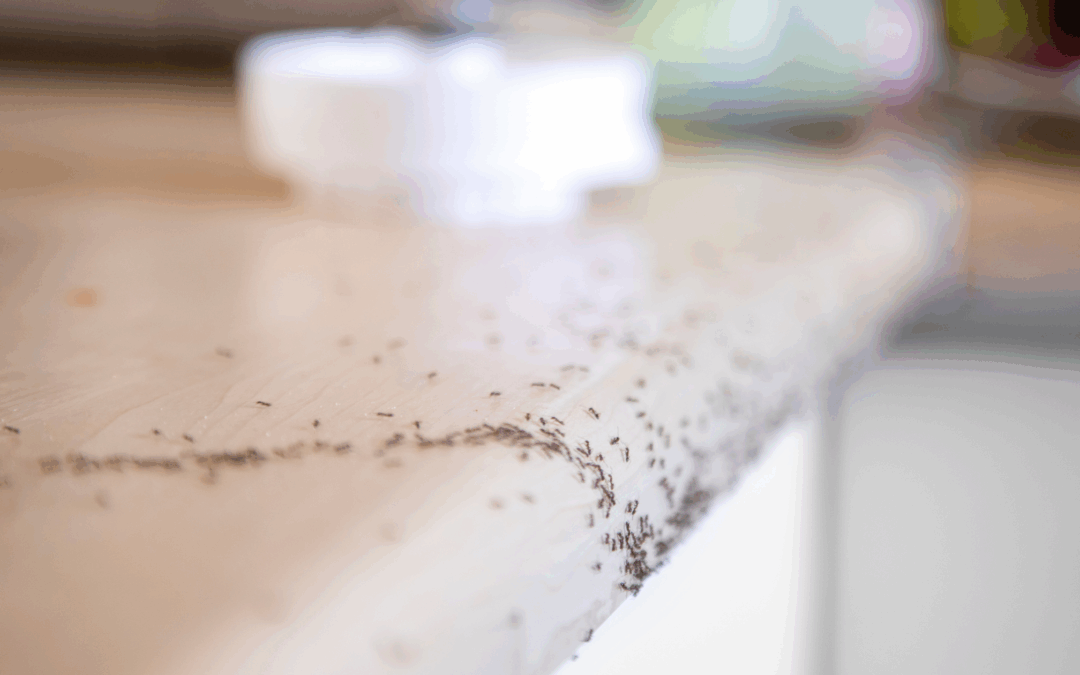
Finding ants in your bathroom can be a frustrating surprise, whether it’s a lone scout or an entire trail marching across your sink. These persistent pests are often drawn to damp spaces and sugary or soapy residues, making your bathroom a prime target. Luckily, you don’t need harsh chemicals to get rid of ants. With eco-friendly methods, you can tackle the problem swiftly and effectively while causing no harm. Here’s how to eliminate ants in your Anniston bathroom the green way, while keeping your family and the environment in mind.
Get Rid of Ants with Green Pest Control
Why Are Ants in Your Bathroom?
Understanding why ants are in your bathroom is the first step to getting rid of them. Ants are often searching for two things in this space:
- Moisture: Leaky faucets, damp towels, or even condensation on windows can attract ants needing water.
- Food Residue: Soap, toothpaste, or sugary residues left on counters or floors can be a food source.
Once they’ve found what they’re looking for, ants leave behind a chemical trail for others to follow, expanding the infestation. Addressing these attractants is key to stopping their march.
Step 1: Block Their Entry Points
Ants are tiny and highly flexible, which means they can enter through the smallest cracks or openings. Seal these gaps to prevent their access.
- Inspect for Cracks: Look along baseboards, window frames, and drains for potential entry routes.
- Seal with Caulk: Use non-toxic caulk to close gaps in walls and around fixtures.
- Install Drain Covers: This prevents ants from coming up through drains, a common entry point in bathrooms.
Blocking their pathways sends a clear message that your bathroom is off-limits.
Step 2: Use Natural Repellents
Skip the chemical sprays and opt for natural solutions that are effective yet healthier or your family and pets.
DIY Natural Repellent Ideas
- White Vinegar: Ants hate the smell of vinegar. Mix equal parts of white vinegar and water in a spray bottle, and spray along ant trails and entry points. Wipe down counters and floors with this mixture for a lasting effect.
- Peppermint Oil: Add a few drops of peppermint essential oil to water and spray it in areas where ants are active. Peppermint deters ants while leaving your bathroom smelling fresh.
- Cinnamon: Sprinkle ground cinnamon along window sills or baseboards where ants are entering. The strong scent disrupts their trails.
Other natural deterrents like citrus peels, bay leaves, or coffee grounds can also be placed near entry points to keep ants away.
Step 3: Keep Things Clean
Cleanliness is crucial in making your bathroom less inviting to ants.
- Wipe Down Surfaces Daily: Clean counters, sinks, and floors to remove soap residue, spilled toothpaste, and other attractants. Use natural cleaners like a mixture of baking soda and water for tough spots.
- Fix Leaky Faucets: Standing water from a drip can attract ants searching for moisture. Fix leaks quickly and keep sinks dry.
- Keep Trash Covered: Use a trash can with a tight-fitting lid to prevent ants from accessing any food scraps or tissues.
By removing their food and water sources, you’ll make it harder for ants to stick around.
Step 4: Take Preventative Measures
Preventing ants from returning is just as important as getting rid of the current infestation. Here’s how you can maintain an ant-free bathroom:
- Regular Inspections: Check caulking around sinks and tubs for new cracks.
- Dry Your Bathroom: Use a dehumidifier or open windows after showers to reduce moisture.
- Store Products Properly: Seal lotions, soaps, and other bathroom items that could tempt ants.
Taking these steps makes your bathroom less appealing to ants and other pests over the long term.
Getting rid of ants in your Anniston bathroom doesn’t have to mean using harmful pesticides. With a few simple changes, like sealing entry points, using natural repellents, and keeping things dry and clean, you can tackle the problem in an environmentally friendly way. Plus, with preventative measures in place, you’ll keep them out for good.
Eco-friendly pest control provided by a pest control company near you will keep your home and the planet, ensuring a healthier, greener future for all!
Jul 9, 2025 | Florida Green Pest Control
Pests are a common concern for Broward County homeowners, thanks to the area’s warm climate and lush surroundings. While traditional pest control often involves harsh chemicals, natural pest control methods offer a healthier, eco-friendly alternative. This guide covers effective strategies and natural solutions to help protect your home—without compromising your health or the environment.
A Guide to Natural Pest Control
Eco-Friendly Pest Prevention Starts at Home
The first step in natural pest control is prevention. By making your home less appealing to pests, you can reduce the likelihood of an infestation before it starts.
1. Seal Entry Points
Pests don’t need an invitation to come inside. Small cracks, gaps, and holes in your home’s exterior are all they need to make their way in.
- Inspect for Gaps: Check windows, doors, vents, and utility lines for any openings pests could use.
- Seal with Caulk or Weatherstripping: Close gaps with caulk for small cracks and weatherstripping for door and window frames.
- Screen Protection: Install fine-mesh screens on vents, chimneys, and attic openings to block access while maintaining proper airflow.
2. Keep Things Clean
Pests are drawn to food crumbs, unsealed trash, and water sources. Maintaining a clean home is one of the simplest ways to keep them away.
- Kitchen Care: Wipe countertops regularly, vacuum crumbs, and store food in airtight containers.
- Trash Management: Keep trash bins tightly sealed and take the garbage out frequently.
- Fix Leaks: Repair dripping faucets and pipes to eliminate standing water that attracts pests like ants and roaches.
3. Reduce Outdoor Attractions
Your yard plays a big role in pest prevention. By maintaining your outdoor spaces, you can limit the chances of pests venturing indoors.
- Trim Overgrown Plants: Keep shrubs and trees trimmed and positioned away from the foundation of your home.
- Remove Yard Debris: Clear out piles of leaves, wood, and other debris that can serve as hiding spots.
- Proper Drainage: Eliminate standing water by ensuring gutters, downspouts, and yard grading direct water away from your home.
Natural Pest Repellents to Try
Once your home is pest-resistant, you can add an extra layer of protection with natural repellents. These eco-friendly solutions deter pests without posing risks to your family or the environment.
Essential Oils
Certain essential oils have strong smells that pests dislike.
- Peppermint Oil: Effective against ants, spiders, and mice. Apply diluted peppermint oil around windowsills, doorways, and cracks where pests might enter.
- Lemon Eucalyptus Oil: A great natural alternative to chemical mosquito repellents. Spray it on your skin or use it around your yard.
- Cedarwood Oil: Great for repelling moths and some insects. Use it in closets or storage areas.
DIY Remedies
- Vinegar Spray: Mix equal parts of vinegar and water to create a spray that deters ants and flies. Apply it to entry points and areas where pests gather.
- Citrus Peels: Place lemon or orange peels near doorways or windowsills to repel pests like spiders and cockroaches.
- Diatomaceous Earth: A natural powder that acts as a desiccant for insects such as ants, roaches, and bedbugs. Sprinkle it near problem areas, like cracks and crawlspaces.
Plants That Deter Pests
Certain plants naturally repel pests when planted strategically in your yard or garden.
- Marigolds: Keep mosquitoes and aphids at bay.
- Lavender: Known for deterring moths, flies, and mosquitoes.
- Basil: Helps repel flies and mosquitos while doubling as a great culinary herb.
The Benefits of Natural Pest Control Services
While DIY methods can help with light pest control, professional green pest control programs offer deeper and more reliable solutions. By working with an expert, you gain access to tailored treatments that target specific pest problems efficiently.
Advantages of Professional Green Pest Control
- Customized Plans: Experts tailor treatments to your home’s unique environment and pest concerns.
- Low-Toxicity Treatments: Eco-friendly methods strike a balance between effective pest control and environmental health.
- Preventative Solutions: Green pest control focuses on prevention, reducing the need for repeated applications.
- Peace of Mind: Professionals ensure your family and pets are healthy and protected, while eliminating pests effectively.
Many pest control companies in Broward proudly offer green pest management solutions, so look for one with a strong commitment to eco-friendly practices.
Broward homeowners have plenty of options when it comes to protecting their homes from pests in a healthy, sustainable way. By focusing on eco-friendly prevention methods, using natural repellents, and partnering with green pest control professionals, you can enjoy a pest-free home while protecting both your family’s health and the planet.
Jun 17, 2025 | Going Green
Alabama’s warm, humid climate makes it a hotspot for pests like fire ants, mosquitoes, termites, rodents, and cockroaches. These uninvited guests can disrupt your home’s comfort and even cause damage—but eco-friendly pest control strategies can help keep them at bay. Check out our guide to green pest control strategies you can use in your Alabama home.
Eco-Friendly Pest Control Methods
Common Alabama Pests
- Fire Ants: Aggressive and quick to bite.
- Termites: Silent destroyers of wood structures.
- Mosquitoes: Thrive near standing water and carry disease.
- Rodents: Damage wiring and contaminate food.
- Cockroaches: Love warmth and moisture and can spread allergens.
Knowing what you’re up against makes prevention easier.
Eco-Friendly Pest Prevention Tips
1. Clean & Seal Your Home
- Wipe down surfaces and store food in airtight containers.
- Seal gaps around doors, windows, and pipes to block entry.
2. Reduce Moisture
- Fix leaks and use fans in humid areas.
- Remove standing water outside to deter mosquitoes.
3. Maintain Your Yard
- Keep plants trimmed and away from your home.
- Store firewood and mulch at least 12″ from your foundation.
- Regularly empty items that collect rainwater.
4. Try Natural Repellents
- Use peppermint, citronella, or eucalyptus oil to repel pests.
- Diatomaceous earth works well on ants and roaches.
- Garlic spray can help keep mosquitoes away outdoors.
5. Go with Green Pest Control
- Partner with pest control pros who use natural treatments or Integrated Pest Management (IPM) methods.
Why Eco-Friendly Pest Control Matters
Using natural solutions protects your family and the environment while still keeping your home pest-free. Proactive habits like sealing cracks, reducing moisture, and using plant-based repellents offer long-term protection without harsh chemicals.
With a few smart steps, you can enjoy peace of mind and a pest-free home all year long—the eco-friendly way. Reach out to your local pest control experts to help you along the way.
Jun 5, 2025 | Florida Green Pest Control
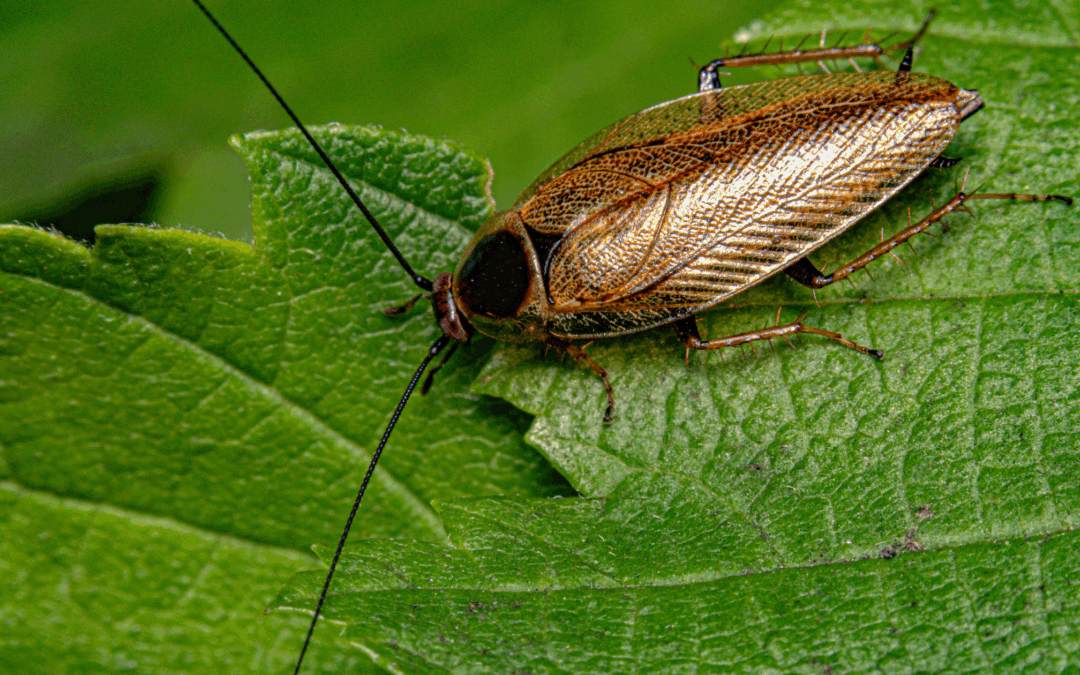
Florida’s warm, humid climate is perfect for cockroaches, making homes vulnerable to infestations. These pests thrive in moisture, spread bacteria and allergens, and can trigger asthma. Fortunately, eco-friendly cockroach control strategies can help keep your home clean and pest-free.
Eco-Friendly Cockroach Control For Florida Homes
Why Florida’s Climate Fuels Cockroach Problems
- Year-round warmth: Cockroaches breed and spread easily in Florida’s consistent heat.
- High humidity: Moisture-rich air supports their rapid reproduction and longevity.
- Plenty of hiding spots: From outdoor plants to cracks in buildings, Florida offers ideal shelters.
Because of these factors, controlling cockroaches in Florida requires ongoing, proactive efforts.
Natural Cockroach Repellents That Actually Work
You don’t need harsh chemicals to repel cockroaches—natural cockroach control methods are effective, healthier for your family, and eco-friendly.
1. Cockroach-Repelling Plants
- Catnip: Contains nepetalactone, which repels roaches. Place near entry points.
- Bay Leaves: Their strong scent deters roaches; tuck them in cabinets and pantries.
- Mint: Grow indoors or around your home’s perimeter for a refreshing, pest-repelling scent.
2. Essential Oils
- Peppermint Oil: Spray diluted drops along baseboards and sinks.
- Tea Tree Oil: Mix with water and vinegar for a roach-repelling cleaner.
- Eucalyptus Oil: Use in diffusers or sprays to drive roaches away.
3. Homemade Sprays
- Soap and Water: Dish soap solution clogs roaches’ breathing pores.
- Baking Soda and Sugar: Sugar lures roaches; baking soda harms them when ingested.
Natural repellents offer a gentle, effective alternative to chemical sprays.
Eco-Friendly Home Maintenance to Prevent Cockroach Infestations
Prevention is key to keeping cockroaches away. A clean, well-maintained home makes it hard for them to settle.
- Seal Entry Points
Cockroaches squeeze through tiny cracks. Check walls, windows, and doors, then seal gaps with caulk or weather stripping. Add mesh screens over vents and drains.
- Fix Leaks and Moisture
Roaches need water to survive. Repair leaks, use dehumidifiers in damp areas, and empty standing water from pet bowls or plant trays daily.
- Reduce Clutter
Clutter hides roaches. Clear paper stacks and boxes, store items in sealed bins, and keep cupboards organized for easy cleaning.
Green Cleaning Habits to Deter Cockroaches
- Use natural cleaners like vinegar and baking soda to avoid chemicals.
- Clean crumbs and spills immediately; store food in airtight containers.
- Take out trash nightly and use sealed bins.
- Deep clean under appliances, inside cabinets, and along baseboards regularly.
Take the Green Route to Cockroach Control
Florida’s humid climate favors cockroaches, but eco-friendly steps like sealing entry points, fixing leaks, decluttering, and using natural repellents can keep them away. For persistent infestations, seek a pest control professional specializing in green solutions.