Dec 29, 2025 | Florida Pest Control
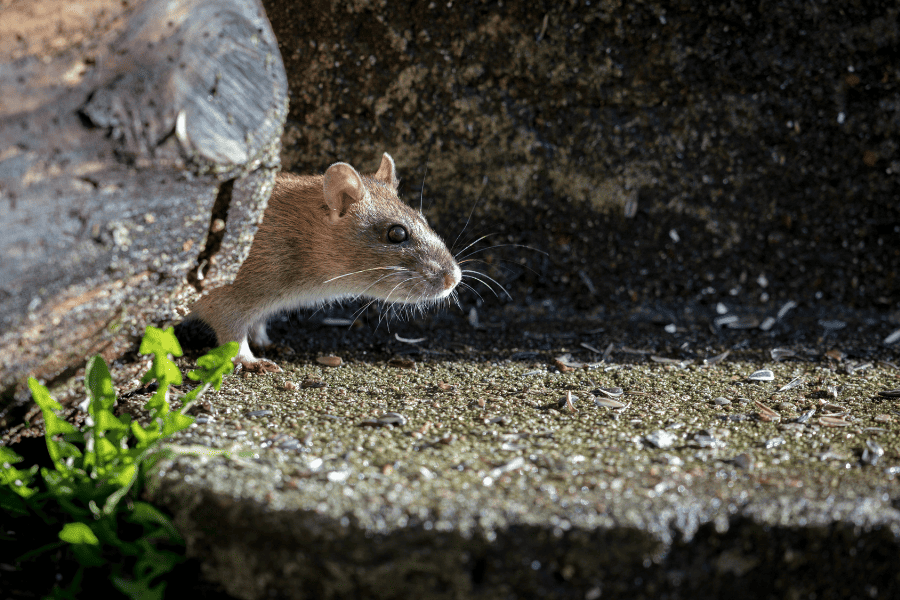
December in Broward County brings milder temperatures and a welcome break from the year-round heat. As residents enjoy the pleasant weather, house mice are also on the move, seeking refuge from the subtle chill. While Florida’s winters are not severe, this seasonal shift is enough to drive these small rodents indoors, making December a peak month for infestations in local homes.
Understanding why these pests become more active during this time is the first step toward effective prevention. For homeowners, being proactive is key to maintaining a comfortable and pest-free property. This guide outlines why house mice invade Broward homes in December, the issues they can cause, and proven strategies to keep them out.
Why December is a Prime Time for Mouse Invasions
Even in South Florida, the slight drop in temperature is a significant environmental cue for house mice. Their behavior changes as they instinctively search for stable, warm environments with reliable access to food and water—and your home provides everything they need.
The Search for Warmth
As outdoor temperatures fluctuate, mice seek consistent warmth to nest and breed. A house mouse can squeeze through an opening as small as a dime, easily gaining access to wall voids, attics, crawlspaces, and the spaces behind appliances. These secluded areas offer the perfect shelter to ride out the cooler parts of the year.
A Consistent Food Source
During winter, natural food sources like seeds and plants become less abundant outdoors. Your kitchen and pantry become an irresistible target. Unsealed food containers, crumbs on the floor, and accessible pet food bowls are an open invitation for mice to settle in. Once a food source is established, they have no incentive to leave.
The Risks Associated with House Mice
A mouse infestation is more than just a minor inconvenience. These rodents can introduce considerable problems into your home, affecting both your property and your living conditions.
Damage to Property
House mice have incisors that grow continuously, which means they must gnaw constantly to keep them filed down. This behavior can lead to significant damage.
- Electrical Wires: Mice frequently chew on electrical wiring, stripping the insulation and creating a serious fire hazard.
- Structural Elements: They can gnaw through drywall, wood, and plastic pipes, compromising your home’s structure and potentially causing leaks.
- Insulation: Mice will tear up insulation in attics and walls to create nesting material, reducing your home’s energy efficiency.
Unsanitary Living Conditions
Mice are not clean animals. They leave a trail of droppings and urine as they travel, contaminating countertops, pantry shelves, and other surfaces. They are capable of carrying and transmitting germs, which can compromise the cleanliness of your home environment. They can also bring in other pests, such as fleas and ticks.
Effective Prevention Strategies for Your Home
The most reliable way to handle a mouse problem is to prevent it from starting. Making your home less accessible and attractive to rodents is your best defense.
Seal Potential Entry Points
A thorough inspection of your home’s exterior can reveal vulnerable spots.
- Fill all cracks and holes in the foundation, walls, and roofline. Use steel wool and caulk for a rodent-proof seal.
- Install weather stripping on doors and place sweeps on garage doors to close gaps.
- Cover vents and utility openings with sturdy wire mesh.
Remove Indoor Attractants
Do not provide the resources mice need to survive and thrive.
- Store all food—including pet food and birdseed—in airtight glass or metal containers.
- Maintain a clean kitchen by wiping up spills and crumbs immediately.
- Use trash receptacles with tight-fitting lids and empty them regularly.
- Fix leaky pipes and faucets to eliminate water sources.
You should not have to share your home with pests. A professional pest control expert can perform a detailed inspection to identify entry points and the extent of the infestation. They will implement a comprehensive management plan to resolve the issue and help you secure your home against future invasions. Contact a rodent control specialist today for an inspection and enjoy peace of mind in your Broward home this December.

Jul 25, 2023 | Florida Pest Control
Common to the Florida area, rodents can cause significant damage to our homes by chewing on wires, destroying insulation, and contaminating our living areas. There are several types of rodents in Florida that homeowners should be aware of to properly prevent them from invading. Check out our list of common rodents and how to prevent them from invading your home.
Types of Rodents in Florida:
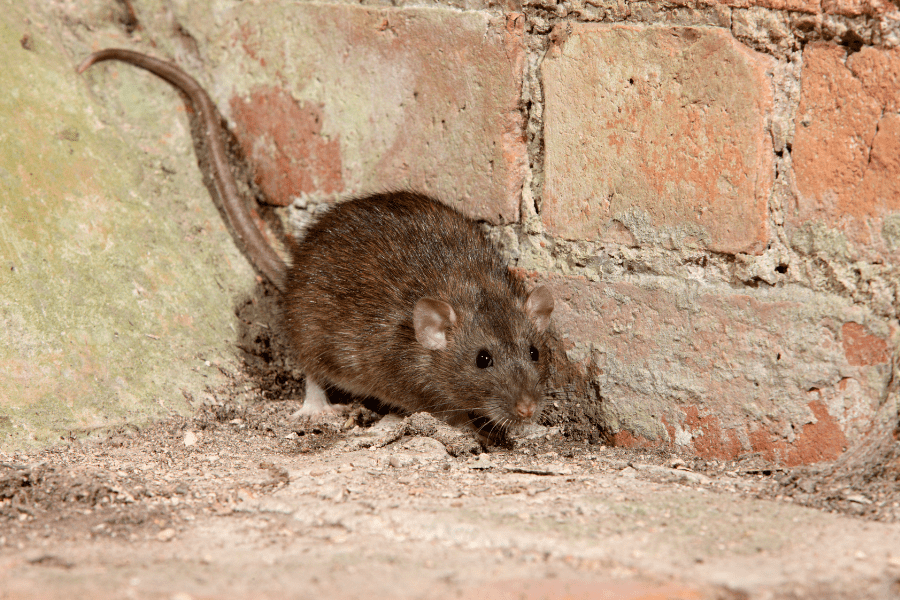
- Norway Rats: Norway rats have brown fur and can grow up to 10 inches long! They typically live in burrows and will enter homes through gaps in the foundation or holes in walls.
- Roof Rats: Roof rats are smaller than Norway rats and can be typically found in the upper parts of buildings, such as attics, roofs, and trees. You can tell them apart from other rats as they have longer tails and are gray or black.
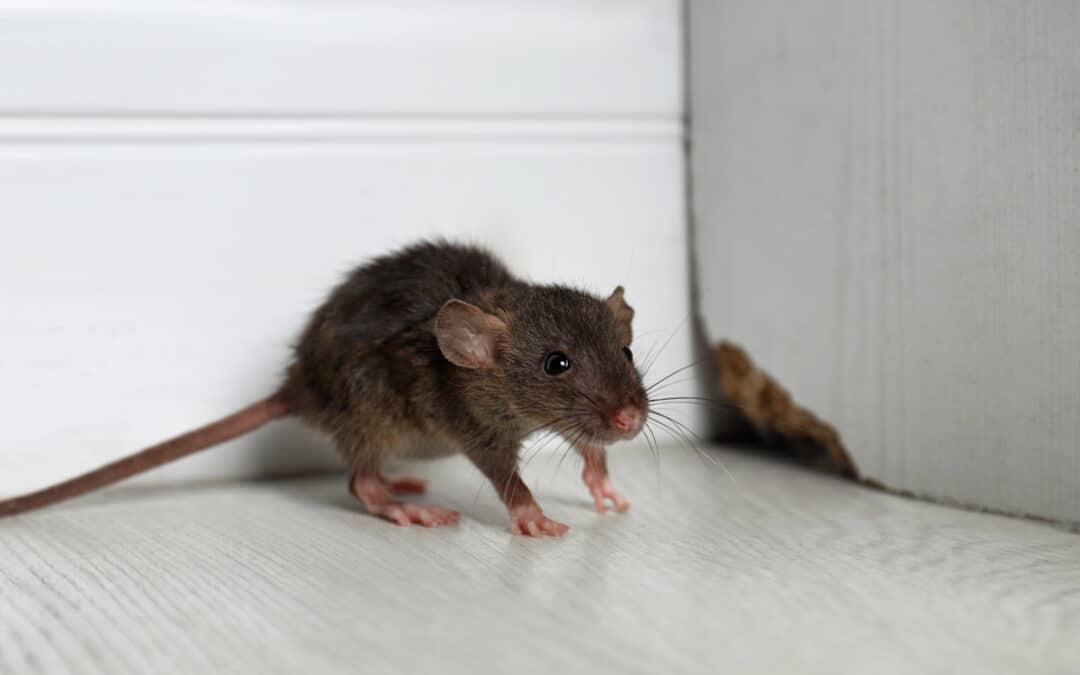
- House Mice: House mice are small and can fit through very small openings. You’ll typically find these mice in kitchens and they are often identified by their droppings, which are small and black.
- Squirrels: Cute but not so cuddly, squirrels are known to invade our yards and attics! Once inside, these wildlife creatures can cause significant damage to homes by chewing on wires and insulation.
Preventing Rodents from Invading Homes:
- Seal Entry Points: Check for any gaps or holes in your home’s foundation, walls, and roof, and seal them to prevent rodents from entering.
- Keep Your Home Clean: Keep your home clean and free of food debris. This will make it less attractive to rodents. After each meal, make sure to wipe up any leftover crumbs or spills as soon as possible.
- Store Food Properly: Look to store your food in sealed containers with a tight lid. This will make it more difficult for rodents to access.
- Trim Trees and Shrubs: Trim any trees or shrubs that are close to your home and roofline, as they can provide a pathway for rodents to enter.
- Reduce Moisture: Check for sources of moisture throughout your home, as rodents are attracted to water. Consider utilizing a dehumidifier in your basement and enclosing your crawlspace.
If you suspect that any of these common rodents have invaded your home, it’s best to reach out to your local pest control company for help. These expert professionals will be able to remove, exclude, and prevent them in the future!
Jan 26, 2023 | Florida Pest Control, Pest Control
Common South Florida Rodents: How to Prevent
We don’t often see temperatures below freezing in Cape Coral, but we do experience colder months. While it’s a nice break from the humid weather, unfortunately, it can bring unwanted pests into our homes. Rodents are looking for a warm place to inhabit and search for a food source. If these pests get inside, they can cause significant damage, such as chewed wires, damaged insulation, and risk of disease. Check out our list of common rodents in your area and how you can prevent them from entering your home.
House Mouse
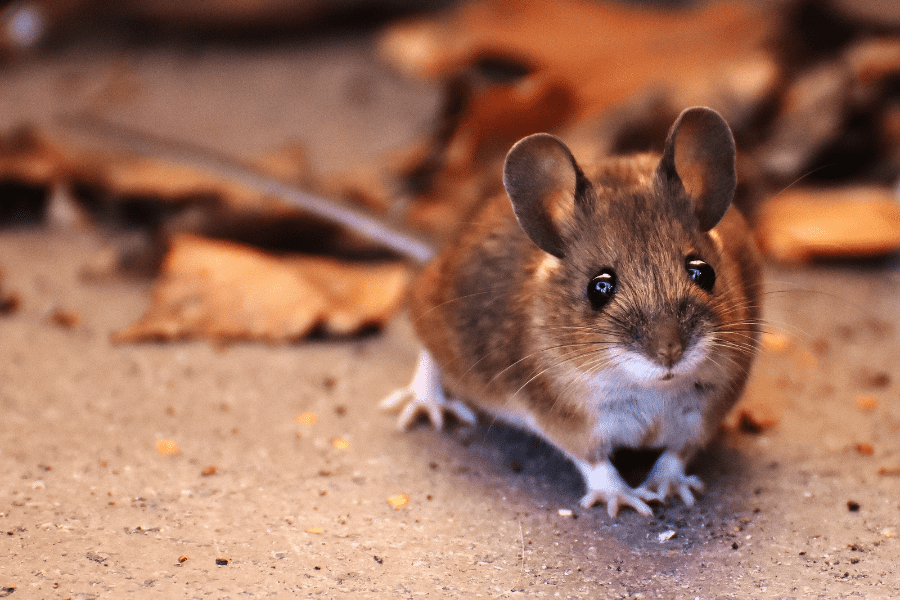
The house mouse prefers dark, secluded areas in your home, such as the crawl space, basement, or attic. These creatures can adapt very quickly to human environments, often hiding in household clutter and inside the walls of homes. Since they are skilled climbers and are able to jump a foot high, they will often reach isolated areas inside your home.
Norway Rats
One of the largest rodent species, Norway rats are nocturnal creatures, searching for food sources in garbage cans at night. You can often spot these creatures burrowing in areas that go undisturbed for a long time, such as crawlspaces and basements. Once inside, these creatures are known to gnaw on furniture, walls, plastic, lead pipes, and wires.
Roof Rats
Due to their padded feet, roof rats can easily climb up our homes, infesting our attics, eaves, and roof lines. Living in colonies, they will typically stay together in a familiar area instead of exploring new ones. If an area is providing both food and shelter, these rats will stay close or inhabit the area.
Preventing Rodents in Cape Coral
Rodents can adapt to almost any situation, making it more difficult to get rid of them. Fortunately, there are a few easy ways to help deter these creatures away from your home.
To keep rodents out this winter, utilize these rodent prevention tips:
- Empty your garbage regularly, utilizing a tight lid or lock
- Utilize screens on vents, chimneys, windows, and doors
- Keep your home decluttered and clean, wiping up any spills or crumbs immediately
- Avoid leaving your pet food outside overnight
- Keep piles of wood elevated off the ground and placed at least 20 feet away from your home
- Check for sources of moisture throughout your home and eliminate them as soon as possible
- Reach out to your local professional South Florida pest control company to help remove and prevent them in the future
Jan 11, 2023 | Pest Control
Whether they’re in your basement, attic, crawl space, or even your living space, discovering rodents is never ideal. They carry diseases that can be harmful to you and your family and also cause damage to your home. It’s important to be aware of the signs and types of rodents that can be found in or near your home.
Types of Rodents
- Norway Rat: One of the largest species of rats, they can measure from 13 to 18 inches in body length. They rely heavily on human impact and will search for any food source possible. Norway rats are known to chew through plastic materials or even lead pipes, causing considerable damage to your home.
- House Mouse: These mice are on the tinier side, measuring up to 7 inches and varying in color. These critters will eat anything to survive and get most of their water intake from the food they eat. Being incredible climbers, they can become a threat once inside your home by gnawing on electrical wires.
- Roof Rat: These rats are slightly smaller than a Norway rat but can still measure up to 13 inches in length, including the tail. Roof rats are excellent climbers and prefer to nest in high places, including attics.
Rodents are never an exciting creature to discover in your home, but how do you know if you have rodents? Here are some signs that rodents could be in your home already:
- Discovering droppings in areas such as basements, attics, or crawlspaces.
- Finding nests in your home means it has become a haven for these critters.
- If you hear scratching, tapping, or squeaking coming from the walls or the attic.
- If you begin to notice property damage, including gnaw marks or chewed wires.
If you suspect any of these rodents inside your home, consider contacting your local pest control company for a rodent control plan that will help remove, exclude, and prevent them in the future!
Oct 6, 2022 | Pest Control, Wildlife
We never expect our homes to fall victim to rodent invaders, but it can happen to anyone! Getting rid of these critters can be difficult, but with the help of a wildlife control company, it can be made possible. Before reaching out to someone for assistance, be sure you’re identifying these rodents correctly. Here are some of the most common rodents found in the South.
Deer Mouse
Often referred to as field mice, these rodents are typically found in the woodlands and desert areas. They rarely invade residential properties but will sometimes seek shelter in our homes for winter since they don’t hibernate. When indoors, deer mice are typically found in basements or attics. The biggest threat about them is that they can transmit the dangerous hantavirus, so it’s vital to get them taken care of as soon as possible.
House Mouse
Just like the deer mouse, these mice also carry diseases and shouldn’t be kept in your home for long once discovered. The house mouse prefers to move along baseboards and countertops and can be seen eating anything they can find. They will contaminate your food and can transmit diseases like salmonella and even the bubonic plague. They are also known to cause structural damage such as creating tunnels in walls and chewing exposed wires.
Norway Rats
These stocky, heavy-bodied rats are larger and more aggressive than the roof rat. They rely heavily on human activity for survival and will eat anything like cereal grains, meats, fish, nuts, and some fruits. Norway rats are more active at night and can cause considerable damage to homes, gardens, and structures. The main concern is the diseases they are known to spread, which include jaundice, rat bite fever, and salmonella.
Roof Rats
Known as a serious pest problem, they are also dependent on humans for survival and will usually infest homes. They have padded feet that make it easier for them to climb, so they are usually found in attics, eaves, and roof lines. Roof rats are known for spreading multiple diseases, including salmonella, leptospirosis, and rat bite fever. They contaminate food when they are foraging, impacting not just humans, but also pets and livestock.
If you think you have a rodent problem, it’s important to get it taken care of as soon as possible. Reach out to your local wildlife control company so they can create a customized plan to rid your home of rodents.