Nov 30, 2012 | Uncategorized
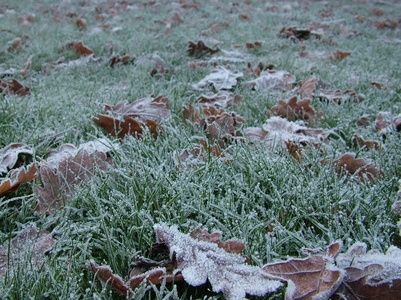 Just because it’s winter doesn’t mean no yard work. In fact, fall and winter lawn maintenance is vital to a healthy green lawn in the warmer months. Here are some things to consider when caring for your lawn in the winter:
- Keep it clean. It’s important to keep your lawn clean of debris that could smother grass and promote the growth of weeds. Rake leaves, remove debris, and keep pine straw in the beds. This is also important in keeping unwanted bugs and other pests from finding a home in your lawn or even worse, your home.
- Mow, if necessary. – If your grass is long it can smother itself, cause damage from freezing conditions, or develop diseases. Beware not to cut the grass too short, you could scalp it and cause further damage.
- Fertilize. Choose a fertilizer that is high in phosphate and focuses on root development rather than lush lead development.
Your lawn is supposed to be enjoyed. So whether it’s having cook outs in the summer, raking leaves in the fall, or building snowmen in the winter…take care of your lawn. And for those of you who like to spend your time and effort elsewhere, call a professional lawn care service to take on the task for you. If you’re looking for lawn care in Atlanta call Northwest .
Nov 19, 2012 | Uncategorized
 Calls have been coming into our office with homeowner’s wanting to know why they have mushrooms in their lawn. Mushrooms come from a mixture of moisture (we’ve had a good amount of rain lately), cloudy weather, and organic material such as old mulch, animal waste, or rotting tree stumps.
Mushrooms are the reproductive part of fungi that lives in the soil. Not only are mushrooms an eyesore to your healthy lawn but you don’t want children or pets to have access to them.
You can get rid of the mushrooms by manually removing them from your yard but that still does not take care of the problem. Chances are the mushrooms will return. Mushrooms will often go away when the sun comes out and the soil dries up.
There are preventative measures that you can take to prevent mushrooms from showing up in your lawn:
- Decrease shade – Mushrooms like shade so trim back any branches in problem areas. The more sunshine, the less likely you will see mushrooms.
- Decrease moisture – Moisture in lawns enable mushrooms to thrive. If you have standing water your soil may be compacted and you may need to aerate your lawn.
- Dethatch your lawn – Excess thatch in the lawn absorbs moisture and enables mushrooms to grow.
- Tree Stumps – A place where a tree used to be, even if the stump is removed, can be a breeding place for mushrooms. The dead roots underground can be a cause for mushroom growth. Keep the area aerated and clear (raking helps).
- Pet waste – Remove any pet waste on the lawn on a regular basis.
If you have mushrooms in your yard it is best to call a professional lawn care company to diagnose the problem. Mushrooms can sometimes be a sign of a more serious problem with your lawn.
Northwest professionals will do a Free Analysis and develop a customized plan to help get your lawn back on track to the healthy lawn that we all desire.
Sep 7, 2012 | Pest Control
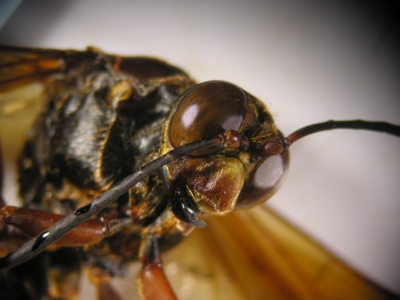
You are probably seeing cicada killer wasps working overtime these last few weeks of summer. They are preparing to overwinter by digging their underground burrows and stuffing them with paralyzed cicadas that they will use as food for their larvae.
Cicada tunnels can range from 30-70 inches long and run 12-15 inches below the surface. Each tunnel has an average of 15 side chambers. Each tunnel contains 1-3 paralyzed cicadas and a cicada egg that is due to hatch in 2-3 days. The larvae will feed for about 10 days before leaving the tunnel. Cicadas only produce one generation each year.
Where are cicadas found?
Cicadas do not have a pack mentality; they are typically a solitary species. They prefer dry, light textured soils in full sunlight that are near trees that harbor other cicadas. Common places to find cicada killers are along sidewalks, patios, in flowers beds, gardens, sand boxes and in lawns.
Do cicadas sting?
Female cicadas have stingers that are used to inject venom into other cicadas that causes them to be paralyzed. Female cicada stings are very painful. Luckily, females are not territorial like honey bees or hornets. Male cicadas do not have stingers but are very territorial.
Can cicada killers cause damage?
Female cicada killers burrow and dig tunnels which cause the soil to be misplaced and smother grass. Cicadas dig loose soil in garden and flower beds that can ruin garden plants and/or vegetables. A burrow at the base of a plant can disrupt the root system.
How to get rid of cicadas?
Cicadas do not like wet soil so keeping soil watered will deter them from making their borrows and cause current cicadas to abandon the site. Watering the soil can also help to settle the soil back into the ground if it has been disrupted by a burrowing cicada. Another tip is to regularly stir soil or sand to discourage wasps from creating tunnels.
When treating for cicadas, the application should be made directly into the burrow or at entrance. If you have cicadas messing up your lawn, call Northwest!
Jul 4, 2012 | Community/Events, Pest Control
Happy 4th of July!! We’d like to take a second to say how proud we are to be Americans!! We’re proud to live in the country of the land of the free and the home of the brave!! And like always, we’d like to thank all of the brave men and women and their families that have given so much for this great country!!
But before you go enjoy those fireworks…here are some tips to stay bug free this 4th of July:
- Avoid standing water in areas like flower pots, bird baths, buckets, barrels, etc. Areas like these are breeding spots for mosquitoes that can carry diseases like West Nile and encephalitis.
- Wear an insect repellant, such as DEET, to protect against mosquitoes and other bugs.
- Keep food covered when possible to avoid attracting mosquitoes, flies, and ants.
- Tightly seal garbage and put it in a sealed garbage container on the outside of your home. Make sure that the lid to the trash can is on securely to avoid rodents from getting in and going through the trash.
- Keep your lawn mowed and clear of debris.
- Protect your pets from fleas and ticks by using a preventative. These can be purchased over the counter or by your veterinarian.
- Have your exterminator treat your yard and home for insects and other rodents that could BUG you this summer! (Get it, BUG you!)
What other tips do have for staying bug free this 4th of July?
May 11, 2012 | Pest Control
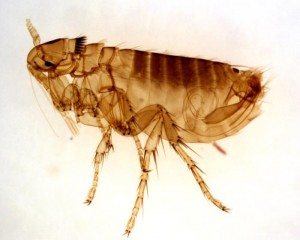
How can something as small as a flea be such a huge pain? Pet owners are all too familiar with the annoyance of fleas because they make us AND our pets miserable. Fleas attach themselves to warm-blooded animals (pets and humans) and feed on their blood. A flea bite can cause discomfort, painful, itchy red bumps and can lead to an allergic reaction. In some cases, they can even transmit diseases like the bubonic plague, murine typhus and transfer tapeworms in pets.
To prevent fleas from becoming a pest in your home, clean and vacuum frequently. A clean home is a healthy home and will aid in the prevention of other pests as well. Cleaning will help to remove any fleas and their eggs. Maintaining a clean yard is just as important, especially if you have pets that go outside often. A well kept lawn with no debris or pet droppings will reduce the flea population around your home. Bathe pets regularly and apply a flea and tick treatment. Most importantly, call a professional exterminator if you have fleas in your home. A flea infestation can be very difficult to get rid of and is best left to the professionals so the problem does not continue to grow.
Interesting Flea Facts:
- The largest recorded flea measured almost ½ inch!
- Fleas consume 15 times their weight in blood each day. That is like a 140 lb. woman eating 8,400 burgers in one day!
- Fleas are the number one cause of allergies in cats and dogs.
- Fleas can live for about 100 days.
- Fleas don’t fly, they jump.
- A pair of fleas can produce 400-500 offspring in their lifetime.
- A flea can jump up to 8 inches high or 150 times its own height.
Got a flea problem? Call Northwest Exterminating for professional, effective flea control.