May 11, 2012 | Pest Control
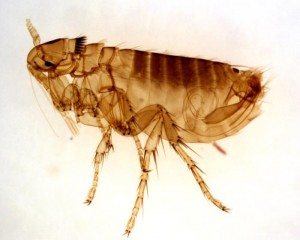
How can something as small as a flea be such a huge pain? Pet owners are all too familiar with the annoyance of fleas because they make us AND our pets miserable. Fleas attach themselves to warm-blooded animals (pets and humans) and feed on their blood. A flea bite can cause discomfort, painful, itchy red bumps and can lead to an allergic reaction. In some cases, they can even transmit diseases like the bubonic plague, murine typhus and transfer tapeworms in pets.

To prevent fleas from becoming a pest in your home, clean and vacuum frequently. A clean home is a healthy home and will aid in the prevention of other pests as well. Cleaning will help to remove any fleas and their eggs. Maintaining a clean yard is just as important, especially if you have pets that go outside often. A well kept lawn with no debris or pet droppings will reduce the flea population around your home. Bathe pets regularly and apply a flea and tick treatment. Most importantly, call a professional exterminator if you have fleas in your home. A flea infestation can be very difficult to get rid of and is best left to the professionals so the problem does not continue to grow.
Interesting Flea Facts:
- The largest recorded flea measured almost ½ inch!
- Fleas consume 15 times their weight in blood each day. That is like a 140 lb. woman eating 8,400 burgers in one day!
- Fleas are the number one cause of allergies in cats and dogs.
- Fleas can live for about 100 days.
- Fleas don’t fly, they jump.
- A pair of fleas can produce 400-500 offspring in their lifetime.
- A flea can jump up to 8 inches high or 150 times its own height.
Got a flea problem? Call Northwest Exterminating for professional, effective flea control.
May 7, 2012 | Pest Control
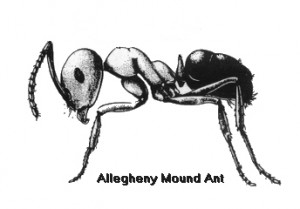
The allegheny mound ant is a common ant found outdoors. They feed on small insects or arthropods that are found outside so they rarely have a need to make their way into a structure…but that doesn’t mean you will never find them inside.
Identification:
- 1/4″ long
- red bodies and black abdomen
- most often identified by the large mound that they build
The Mound:
The allegheny mound ant is known for the large mounds that they build. This is the easiest way to identify the species. Their mounds are made up of built up soil that can go up to 4 feet above soil and extend 3 feet deep into the ground. A 5 month old mound can be about 2 feet wide and 8 inches tall. A two year old mound can be up to 3 feet tall. These large mounds are mostly found in unkept grassy areas, pastures, nurseries, and turf.
Allegheny mound ants produce formic acid that can damage bushes, plants, and gardens. Formic acid can kill small trees and shrubs within 40-50 feet of a mound and the grass of your lawn that is located around a mound. Most new mounds are made in late May and early June. This can cause issues if you spend time in your lawn because the mound ants will bite if they feel like their colony is being disturbed.
Protect yourself and your lawn by hiring a professional exterminator that can eliminate ants around your home and prevent damage and harmful bites. Call Northwest Exterminating to get rid of your ant problems.
May 7, 2012 | Pest Control
The allegheny mound ant is a common ant found outdoors. They feed on small insects or arthropods that are found outside so they rarely have a need to make their way into a structure…but that doesn’t mean you will never find them inside.
Identification:
- 1/4″ long
- red bodies and black abdomen
- most often identified by the large mound that they build
The Mound:
The allegheny mound ant is known for the large mounds that they build. This is the easiest way to identify the species. Their mounds are made up of built up soil that can go up to 4 feet above soil and extend 3 feet deep into the ground. A 5 month old mound can be about 2 feet wide and 8 inches tall. A two year old mound can be up to 3 feet tall. These large mounds are mostly found in unkept grassy areas, pastures, nurseries, and turf.
Allegheny mound ants produce formic acid that can damage bushes, plants, and gardens. Formic acid can kill small trees and shrubs within 40-50 feet of a mound and the grass of your lawn that is located around a mound. Most new mounds are made in late May and early June. This can cause issues if you spend time in your lawn because the mound ants will bite if they feel like their colony is being disturbed.
Protect yourself and your lawn by hiring a professional exterminator that can eliminate ants around your home and prevent damage and harmful bites. Call Northwest Exterminating to get rid of your ant problems.