Mar 8, 2024 | Pest Control
Mar 1, 2024 | Wildlife
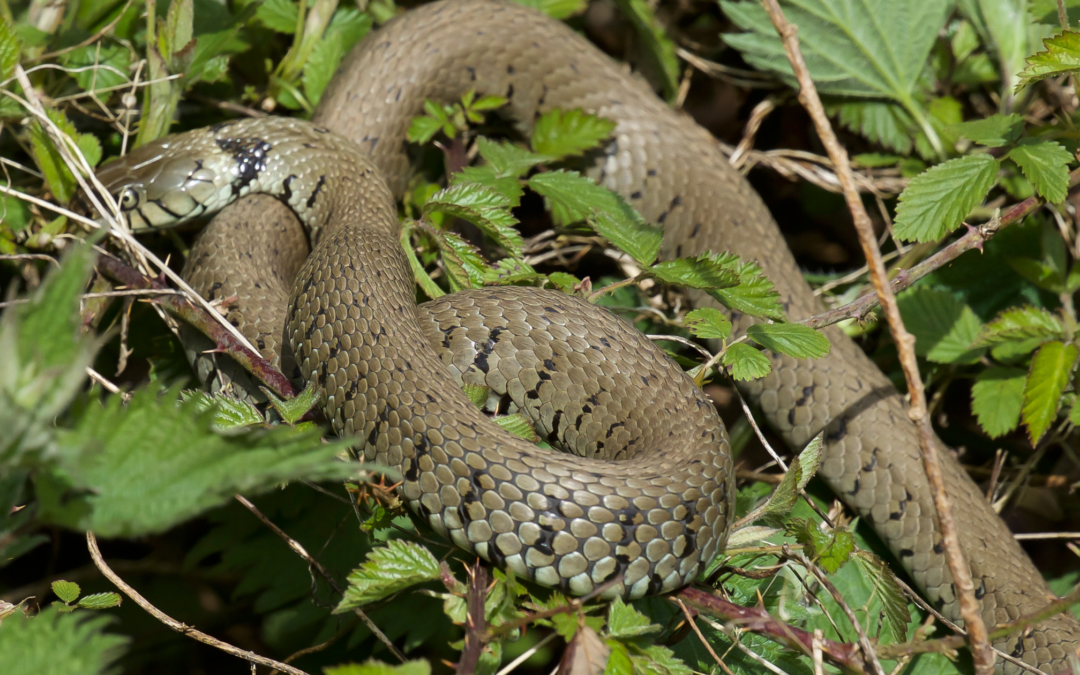
As the weather warms up in Georgia, so does the activity of one of the area’s most misunderstood creatures: snakes. With snake season approaching, it’s essential to take proactive steps to ensure your yard is prepared for these slithery visitors. Whether you’re concerned about encountering venomous species or simply want to minimize their presence around your home, proper preparation and understanding are key. Here’s everything you need to know to get your yard ready for snake season:
When is Snake Season in North Georgia?
Snake season in Georgia typically begins in the spring, around March or April, and extends through the summer months until around September or October. During this time, snakes become more active as they emerge from hibernation and seek food, mates, and suitable habitats.
Common Snakes Found in North Georgia
Georgia is home to a variety of snake species, both venomous and non-venomous. Some of the most common snakes you may encounter include:
- Eastern Diamondback Rattlesnake
- Timber Rattlesnake
- Copperhead
- Eastern Coral Snake
- Eastern Rat Snake
- Black Racer
- Eastern Garter Snake
While most snakes in the region are harmless and play a vital role in controlling rodent populations, it’s essential to be able to identify venomous species and exercise caution when encountering any snake.
Snake Safety Tips for Outdoor Activities
Whether you’re gardening, hiking, or simply enjoying time outdoors, it’s crucial to practice snake safety to minimize the risk of encounters. Here are some tips to keep in mind:
- Wear sturdy shoes and long pants when walking in areas where snakes may be present.
- Stay on designated trails and avoid tall grass, brush piles, and rocky outcroppings where snakes may hide.
- Be cautious when reaching into dark, secluded areas such as woodpiles, rock crevices, or garden beds.
- Keep pets on a leash and supervise them while outdoors to prevent snake encounters.
- If you encounter a snake, maintain a safe distance and allow it to move away on its own. Avoid startling or antagonizing the snake.
Tips to Deter Snakes from Your Yard
While it’s impossible to completely eliminate snakes from your property, there are steps you can take to make your yard less attractive to them:
- Keep grass and vegetation trimmed short to reduce hiding places for snakes and their prey.
- Remove debris, such as logs, brush piles, and rock piles, where snakes may seek shelter.
- Seal any gaps or cracks in buildings, foundations, and fencing to prevent snakes from entering your yard.
- Install snake-proof fencing around gardens, play areas, and other high-traffic areas to keep snakes out.
- Consider natural deterrents such as certain plants (e.g., marigolds, wormwood) or commercial repellents.
If you’re concerned about snakes or other wildlife on your property, don’t hesitate to reach out to a professional pest control company near you for assistance. Our team of experts specializes in humane snake relocation, snake control, and wildlife management services tailored to your specific needs. Request a free wildlife control quote today and enjoy peace of mind knowing your yard is in good hands.
As snake season approaches, taking proactive steps to prepare your yard can help minimize encounters and ensure a safe and enjoyable outdoor experience for you and your family. By understanding common snake species, practicing snake safety, and implementing effective deterrents, you can create a snake-friendly environment that strikes a balance between coexistence and control.
Feb 29, 2024 | Florida Mosquito Control
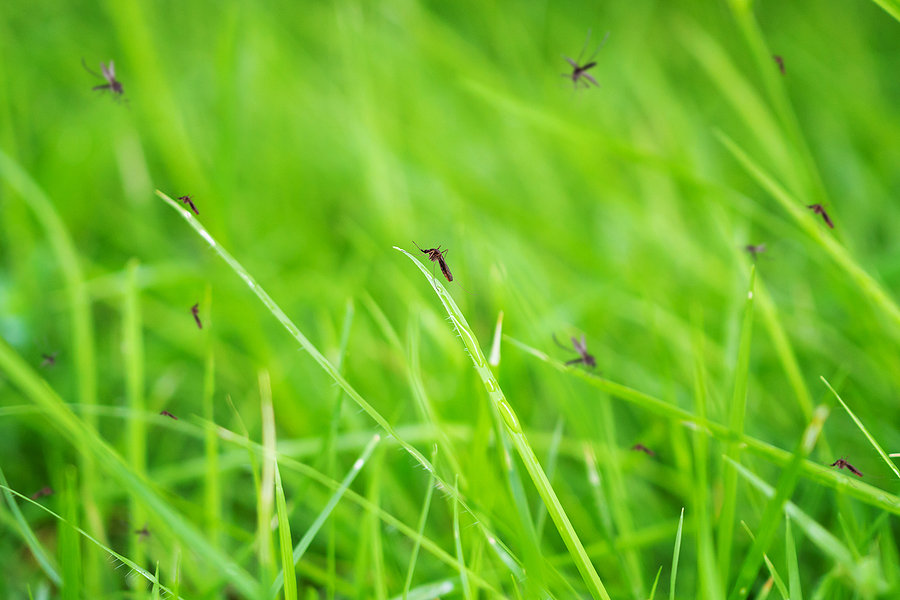
It’s safe to say that all Florida homeowners dread the arrival of mosquito season! It’s inevitable to run into these insects but that doesn’t mean they have to take over your yard. We breakdown common DIY mosquito control tips you can utilize in your yard!
DIY Mosquito Prevention Tips for Florida Homeowners
Eliminate Standing Water
To survive and breed, mosquitoes only need a small amount of water and will look to your yard for it. One of the best ways to repel mosquitoes from your property is to reduce standing water throughout it. Remove any items that could hold water for more than a week and become a mosquito breeding ground, including empty flowerpots, buckets, tires, toys, and pet bowls. For items that tend to stay outside, like birdbaths and gutters, make sure you are regularly cleaning them, clearing out old water and debris.
Consider a Fan or Two
Your back porch or patio can quickly be taken over by mosquitoes and ruin your outdoor fun. Mosquitoes are weak fliers and are easily manipulated by wind. Consider utilizing fans to help deter them from getting close to you in certain outdoor areas. Fans can also work to disperse carbon dioxide and other mosquito attractant odors our warm-blooded bodies let off.
Plant Natural Repellents
Certain plants and oils can deter mosquitoes naturally from your Florida home. You can mix essential oils such as lemon eucalyptus, peppermint, or tea tree with water and vinegar to repel mosquitoes. Likewise, there are several plants you can plant in your yard to deter mosquitoes, including citronella, lavender, marigold, rosemary, thyme, and basil.
Keep a Tidy Yard
Adult mosquitoes tend to rest in shaded, cool areas so it’s important to create an environment without these factors to keep them away. Continue maintaining your yard by keeping your grass mowed frequently and keeping shrubbery trimmed. If your yard has wood or lawn debris, it’s best to clean up as soon as possible or relocate it at least 20 feet away from the property.
Call Your Florida Pest Provider
While the above DIY tips can provide mosquito-relief sometimes it’s best to call a professional for an ongoing solution to mosquito activity. A pest control provider near you will provide you with a thorough inspection and recommend the best mosquito control options for your home based on your mosquito situation. These mosquito professionals will also provide you with further tips and tricks on avoiding mosquito infestations in the future.
Feb 28, 2024 | Insulation
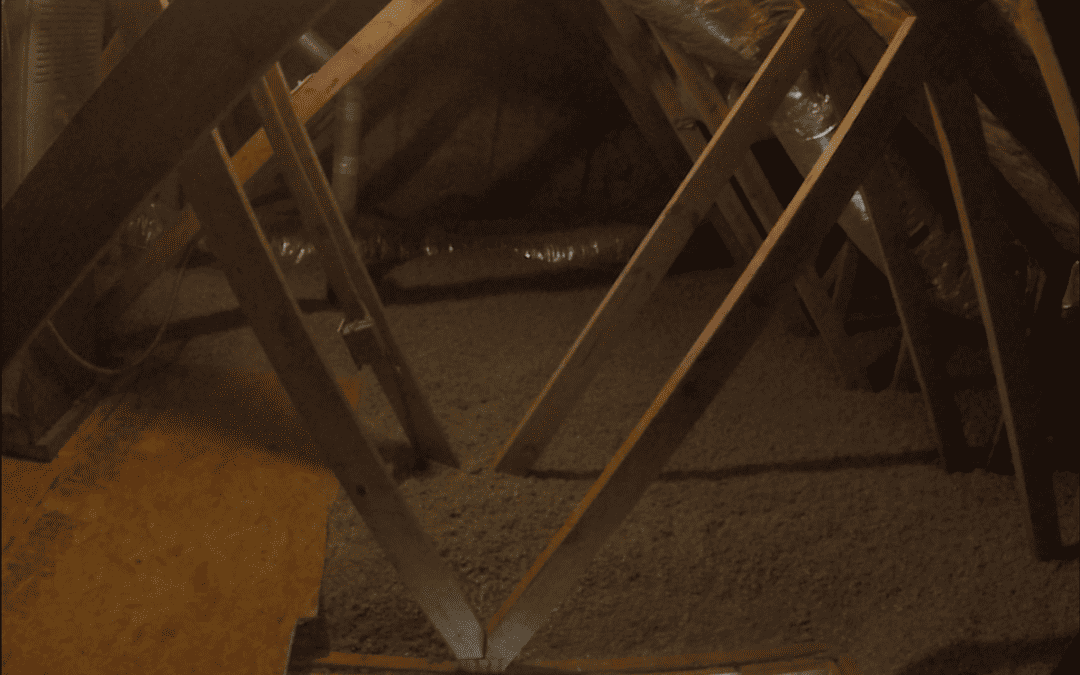
We can often view our Tennessee attic as just a place to store our extra belongings, but if it’s not managed or taken care of properly, our home can be negatively impacted. With fluctuating climates in Tennessee, your attic insulation should be working to keep your home either cool or warm depending on the outside temperature. If you notice that you tend to change your thermostat more often than usual, this could be a sign that your attic is poorly insulated. Let’s review the benefits of insulating your attic!
Attic Insulation Benefits
Room Temperatures Are Consistent
An insulated attic can ensure you and your family’s overall comfort inside! If your attic isn’t properly insulated, you might notice that your rooms fluctuate in temperature, causing you to change the thermostat and, in return, overwork your system and cause HVAC inefficiencies.
Save on Energy Bills & HVAC Repairs
Your well-insulated attic will cool and heat your home, reducing your energy bills annually! Since your attic is insulated, your HVAC doesn’t have to work as hard to regulate your home’s temperatures, easily heating it during the winter and cooling it off during the summer. An insulated attic will also help extend the life of your HVAC system and avoid costly repairs, improving the performance and operation overall.
Deter Pests
Insulation can act as a barrier, seal your attic, and keep unwelcome guests like roaches, ants, and other pests from entering your home. Some insulation is also coated in boric acid and can affect pests by causing a disruption to their stomachs and affect their nervous system and in return keep them from infesting. Old insulation can also harbor nests and droppings in them, which can contain disease and cause health risks to your family, making it important to update or replace your insulation.
If you’re ready to replace your attic’s insulation, consider reaching out to a pest control company near you for a free quote!
Feb 23, 2024 | Termite Control
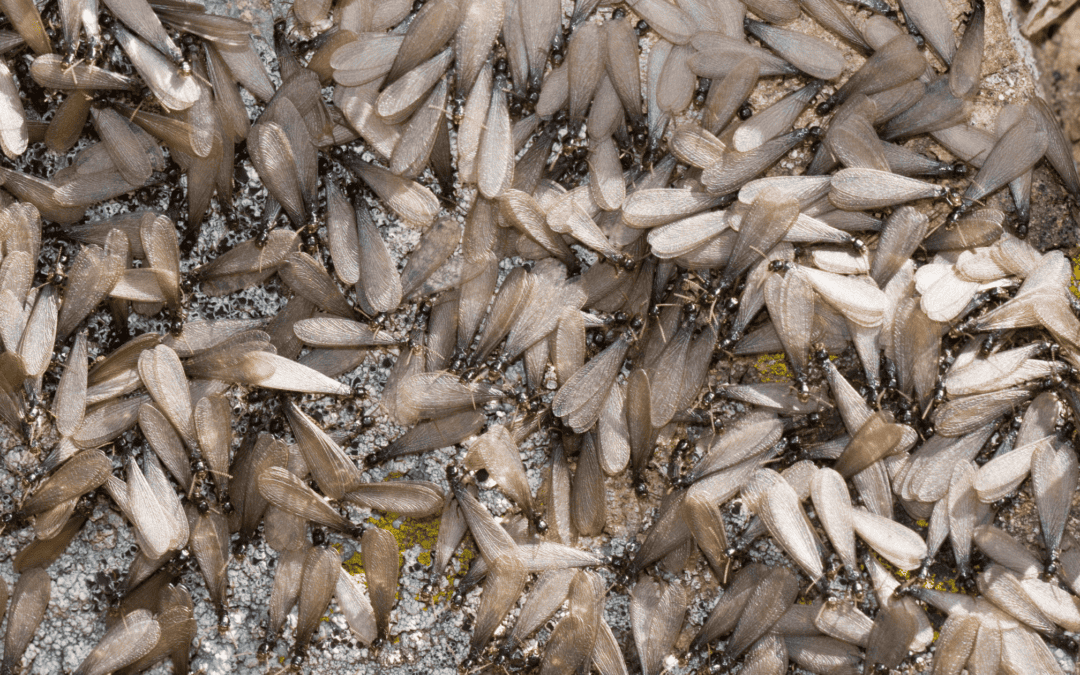
As spring approaches in Georgia, so does the dreaded termite swarming season. For homeowners, this annual event can be a cause for concern, as it signals the potential presence of destructive pests in and around their homes. In this guide, we’ll delve into what swarming termites are, when swarming season occurs, what termite swarms indicate, and crucial tips for termite prevention.
What are Swarming Termites?
Swarming termites are reproductive members of a termite colony. These winged insects emerge from their nests in large numbers during specific times of the year to mate and establish new colonies. Their primary goal is to find a mate and locate a suitable location to start a new colony, often in or around homes.
When is Termite Swarming Season?
In Georgia, termite swarming season typically occurs in the spring, between March and May. However, it can vary depending on factors such as temperature and humidity. Warm, humid conditions following rainfall trigger swarming behavior in termites, making spring the peak season for infestations.
What Do Termite Swarms Indicate?
The presence of termite swarms near or inside your home is a strong indicator of an existing termite infestation or the potential for one. Swarming termites may be found indoors near windows, doors, or light sources, as they are attracted to light. Additionally, discarded wings near windowsills or on the floor may indicate that a termite swarm has occurred.
Tips for Termite Prevention:
- Schedule Regular Inspections: Annual termite inspections conducted by a professional pest control company are essential for early detection of termite activity and prevention of infestations.
- Eliminate Moisture Sources: Termites are attracted to moisture, so it’s crucial to address any water leaks or standing water around your home. Ensure proper drainage and repair leaky pipes to reduce moisture levels.
- Keep Wood Away from the Foundation: Avoid stacking firewood or storing wood debris near your home’s foundation, as it can attract termites and provide easy access to your property.
- Seal Entry Points: Seal cracks, gaps, and openings around doors, windows, and utility pipes to prevent termites from entering your home.
- Invest in Termite Control: Consider proactive termite control measures, such as bait stations or liquid treatments, to protect your home from termite infestations.
Don’t wait until it’s too late to safeguard your home from termites. Contact a pest control company near you today for a free termite control quote and protect your investment against these destructive pests.
Being aware of termite swarming season and taking proactive measures for termite prevention are vital steps for Georgia homeowners to protect their properties. By understanding the behavior of swarming termites and implementing preventive strategies, you can ensure a termite-free home for years to come.