Jul 12, 2024 | DIY Wildlife Prevention, Wildlife
If you live in Georgia, encountering wildlife around your home is common. While Georgia’s rich biodiversity is something to celebrate, it can also bring some challenges, particularly when it comes to raccoons. These nocturnal creatures are intelligent and resourceful, often creating problems for homeowners. In this comprehensive guide, we will explore how to identify raccoons, recognize signs of their presence, understand the types of raccoon traps available, and learn the best bait to use. We’ll also share tips to prevent raccoons from returning to your property.
Identifying Raccoons
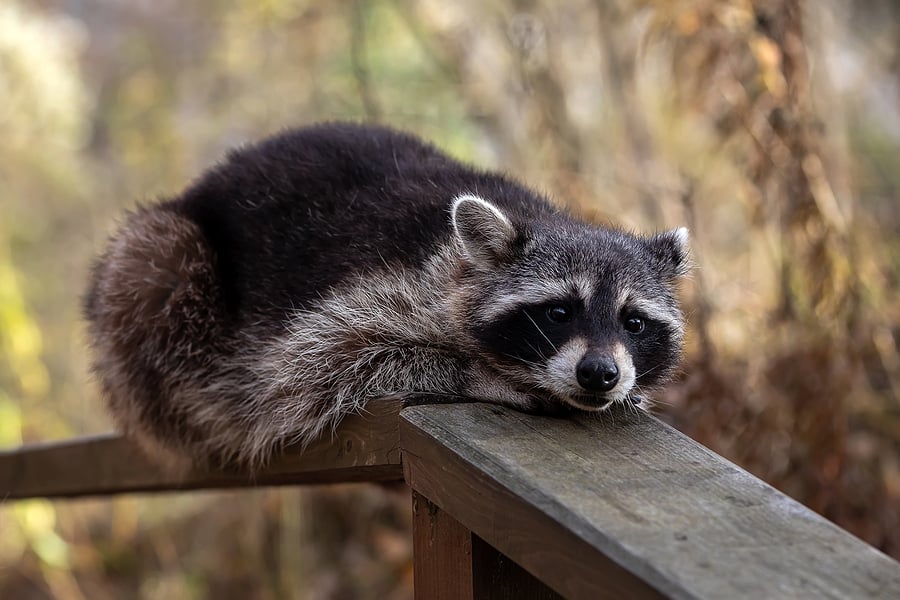
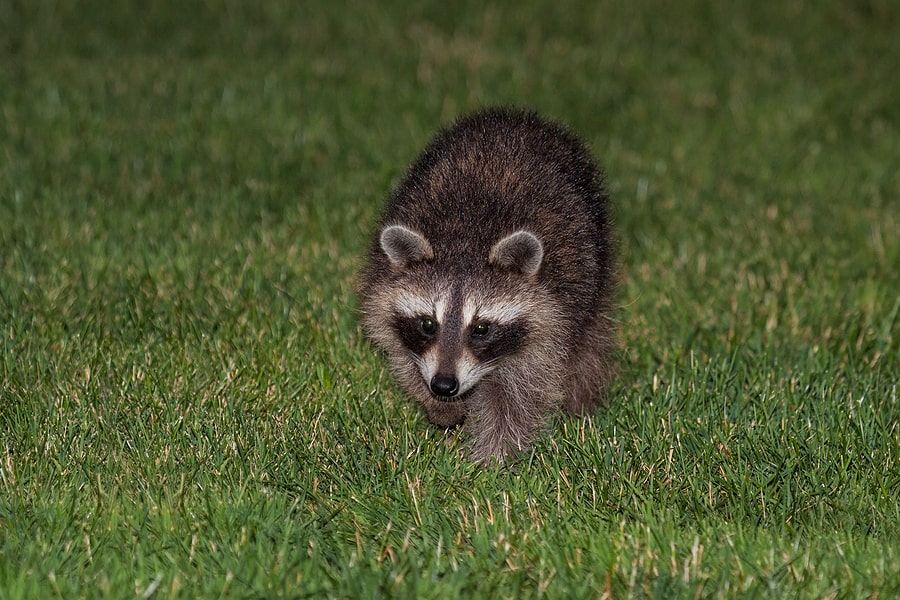
Raccoons are medium-sized mammals known for their distinctive black “mask” across their eyes and their ringed tails. Here are some key characteristics to help you identify them:
- Size and Weight: Adult raccoons typically weigh between 10-20 pounds, though some can be larger, especially in urban areas with abundant food sources. They stand about 1.5-2 feet tall when on all fours.
- Fur and Coloration: Raccoons have dense, greyish-brown fur, with a darker area around their eyes that resembles a mask. Their tails have several black rings.
- Behavior: Raccoons are primarily nocturnal, meaning they are most active at night. They are excellent climbers and swimmers, often found near water sources.
Video Transcript
If you live in Georgia, spotting wildlife around your home is pretty normal. But raccoons can cross the line from curious to destructive fast. These smart nocturnal animals are excellent climbers and problem solvers, which means addicts, trash cans, and crawl spaces often become their favorite hangouts. Common warning signs include nighttime scratching or thumping, tipped over trash cans, scattered pet food, or tracks that look like tiny handprints. While some homeowners try trapping, raccoons can carry health risks, and local laws often regulate removal, making DIY solutions stressful and risky. The best long-term protection starts with prevention. Securing trash bins, removing outdoor food sources, sealing entry points, and addressing attractants before damage spreads. If raccoons keep coming back or have made their way inside your home, that’s your sign to bring in experienced help. When you’re ready to call a professional for a peaceful home, feel free to reach out to our team at Northwest Exterminating.
Signs of Raccoons Around Your Home
Identifying the presence of raccoons early can help you mitigate any potential damage. Here are some common signs:
- Tracks: Raccoon tracks are distinct with five toes on both their front and hind feet. Their tracks resemble tiny human handprints.
- Droppings: Raccoon droppings are similar in appearance to those of a small dog, often containing undigested seeds or other food remnants.
- Noise: Raccoons can be noisy, especially when they have made a den in your attic or chimney. You might hear thumping or scratching noises at night.
- Damage: Raccoons are known to raid trash cans, tear up insulation, and chew on wires. They can also damage gardens by digging up plants and eating crops.
- Scattered Food: If you find pet food, birdseed, or garbage scattered around, it could be a sign of raccoons foraging for food.
Types of Traps Used to Catch Raccoons
There are several types of traps used for raccoon control, but live traps are the most common and humane method. Here’s a look at the different types:
- Live Traps: These are designed to capture raccoons without harming them. They are typically made of metal wire and have a door that closes when the raccoon enters the trap.
- Foot-Hold Traps: While effective, these traps are more controversial due to concerns about animal welfare. They catch the raccoon by the foot and should only be used by professionals.
- Body-Grip Traps: Also known as conibear traps, these are lethal traps that quickly kill the raccoon. They should be used with caution and are often regulated by local laws.
Best Bait to Use in Raccoon Traps
Choosing the right bait is crucial for successfully trapping raccoons. Here are some effective bait options:
- Marshmallows: The sweet smell of marshmallows is highly attractive to raccoons. Place a few inside the trap to lure them in.
- Canned Fish or Sardines: The strong odor of canned fish or sardines is irresistible to raccoons. Ensure the bait is securely placed so the raccoon has to fully enter the trap to retrieve it.
- Cat Food: Wet cat food is another great option due to its strong smell and appealing taste.
- Fruit: Raccoons are omnivores and enjoy a variety of fruits. Apples, grapes, and berries can work well as bait.
- Peanut Butter: Spread peanut butter on bread or crackers. The smell and taste are very enticing to raccoons.
How to Set a Raccoon Trap
Setting a raccoon trap requires some preparation and knowledge. Follow these steps for the best results:
- Choose the Right Location: Place the trap near areas where you’ve noticed raccoon activity, such as near trash cans, gardens, or entry points to your attic.
- Secure the Trap: Ensure the trap is stable and won’t tip over when the raccoon enters. You can anchor it with stakes if necessary.
- Bait the Trap: Place the bait at the back of the trap to ensure the raccoon fully enters before triggering the door.
- Check the Trap Regularly: It’s important to check the trap frequently, at least twice a day, to ensure the raccoon doesn’t suffer from exposure or stress.
- Handle with Care: Once a raccoon is trapped, approach with caution. Wear gloves and use a blanket to cover the trap and calm the animal. Relocate the raccoon according to local wildlife regulations.
Preventing Raccoons from Returning
After successfully trapping and removing raccoons, take steps to prevent them from coming back:
- Secure Trash Bins: Use raccoon-proof trash cans with tight-fitting lids. Consider using bungee cords to keep them securely closed.
- Remove Food Sources: Don’t leave pet food outside overnight, and clean up any fallen fruit from trees. Secure bird feeders to prevent raccoons from accessing them.
- Seal Entry Points: Inspect your home for potential entry points, such as holes in the roof, attic vents, and chimneys. Use metal mesh or hardware cloth to seal these areas.
- Install Motion-Activated Lights: Raccoons prefer dark areas. Installing motion-activated lights can deter them from approaching your home.
- Use Repellents: Commercial raccoon repellents or homemade solutions, such as a mixture of water and hot sauce, can be sprayed around your property to deter raccoons.
When to Call a Wildlife Control Company
While trapping and preventing raccoons can often be managed on your own, there are situations where it’s best to call a professional wildlife control company:
- Persistent Problems: If raccoons keep returning despite your best efforts, a professional can provide more advanced solutions.
- Health Concerns: Raccoons can carry diseases such as rabies and roundworm. If you’re concerned about health risks, it’s safer to involve a professional.
- Complex Situations: If raccoons have made a den in a difficult-to-reach area, such as your attic or chimney, a professional wildlife removal expert can safely handle the situation.
Raccoons can be a challenging nuisance for homeowners in Georgia, but with the right knowledge and tools, you can effectively manage and prevent these wildlife intrusions. Identifying the presence of raccoons early, using the right traps and bait, and taking preventive measures are key steps in successful raccoon control. Remember, if the situation becomes too complex or risky, don’t hesitate to contact a professional wildlife control company. Their expertise and experience can help ensure your home remains raccoon-free and your family stays safe.
By following this comprehensive guide, you’ll be well-equipped to handle raccoon issues and maintain a peaceful, wildlife-free home environment. Happy trapping!

Jul 13, 2023 | Wildlife
Raccoons are common wildlife found around homes or anywhere they can find an available food source. Although they look cute and cuddly, they are very aggressive when cornered and can cause significant damage to your home and yard.
Raccoons mate in February and March and litters are born 60-70 days after. They have anywhere from 2 to 5 kits per litter. Young raccoons are fully weaned and independent from their mothers in the summer, which is why we often see more of them this time of year. Mother raccoons are finding food and new nesting sites for their newly independent babies.
Raccoons will nest high in trees and are often found in our attics and crawlspaces. They are omnivores and will feed on anything, often raiding our trashcans for a meal. In late summer, they increase their food intake to build up their fat layers for the upcoming winter months.
Raccoons cause damage by upending trashcans and spreading trash across our yards, leaving droppings behind that contaminate our homes, urinating in attics which contaminates insulation and can cause mold, chewing through wires causing fire hazards, and shredding insulation for nests which can lead to costly damages and increased heating and air bills.
You can prevent raccoons by:
- Getting rid of food sources. These pests won’t hang around if there’s nothing to eat. Secure trashcan lids with either locking lids, bungee cords, or heavy items like cinder blocks placed on top. Bring pet food and bird feeders inside overnight. Clean up fruit that may have fallen from trees on the ground.
- Sealing entrances. Raccoons prefer to nest in dark, cozy spaces. They will often nest in attics, crawlspaces, and under porches. Block off entrances to these areas by closing gaps in attics, roofs, and siding and installing trellises around the bottom of porches.
- Calling professional wildlife control. They can be very aggressive when cornered or trapped. Contact your local pest control company who can safely remove and relocate raccoons from your property.
Jun 27, 2023 | Wildlife
Summer is a time when wildlife is often more active and visible around your home. While it can be exciting to see these animals, it’s important to take precautions to keep them out of your home and prevent any potential damage. Here is the most common summer wildlife you’ll begin seeing soon and some tips on how you can keep these critters away!
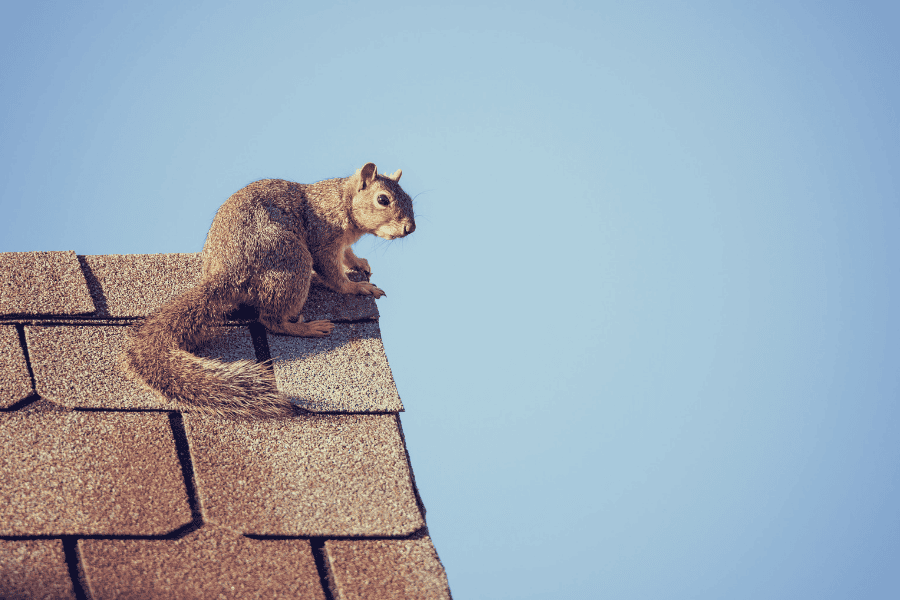
Squirrels
Squirrels are a common sight in many neighborhoods during the summer. While they can be fun to watch, they can also cause damage to your home and property.
To prevent squirrels in your attic or crawlspace:
- Make sure to seal any gaps in your home’s exterior
- Fix any holes in your roof or siding
- Trim back any tree branches that may be close to your home
Raccoons
Raccoons are another common summer wildlife that you may find around your home. They can be attracted to garbage cans and compost bins.
To prevent raccoons from being attracted to your property:
- Make sure to also seal any gaps or holes in your roof or siding
- Use trash cans with sealed lids
Snakes
Snakes are more active during the summer months and may be found around your home or yard. It’s not often that you’ll see venomous snakes near your property, but there are some that live in Georgia. Just be on the lookout while outside hiking or walking through wooded areas.
To prevent snakes from entering your home:
- Make sure to seal any gaps or holes in your foundation or walls
- Keep your yard tidy and free of debris
We hope these tips will help lessen the chances of wildlife finding their way indoors this summer. If you begin to suspect your home might have some uninvited guests, give your local wildlife control company a call today!
Mar 22, 2023 | Wildlife
South Florida Wildlife Control: How To Prevent
While Florida sees warmer temperatures year-round compared to other states, there’s bound to be a cold front hit during the winter season. Wildlife creatures look to our Harlem Heights homes for food, shelter, and warmth. Before they enter, it’s important for every homeowner to brush up on their knowledge of the types of winter wildlife and how to prevent them!
Rats & Mice
Rats and mice are notorious for entering our homes for shelter and food. These creatures are known to inhabit our crawl spaces, basements, kitchens, and attics. Once inside they can cause serious damage, such as chewing wire, destroying insulation, and leaving behind their feces.
Rats and mice are known to carry and spread diseases such as salmonella, lice, fleas, and ticks. Their droppings can also contain pathogens, dangerous to humans. Major signs of these creatures inside your home are hearing noises coming from the walls or ceilings, such as tapping or scratching.
Raccoons
Nocturnal animals, raccoons are dexterous, often opening doorknobs, cabinet doors, and trashcan lids to search for any available food source. These creatures are known to inhabit suburbs, and you will often find them invading hollow trees, attics, or garages.
Raccoons can cause significant damage to the outside of your home such as ripping of shingles, fascia boards, and even chimney vents! If they infest inside, they will destroy insulation, chew electrical wires, and contaminate the home with their urine and feces.
Bats
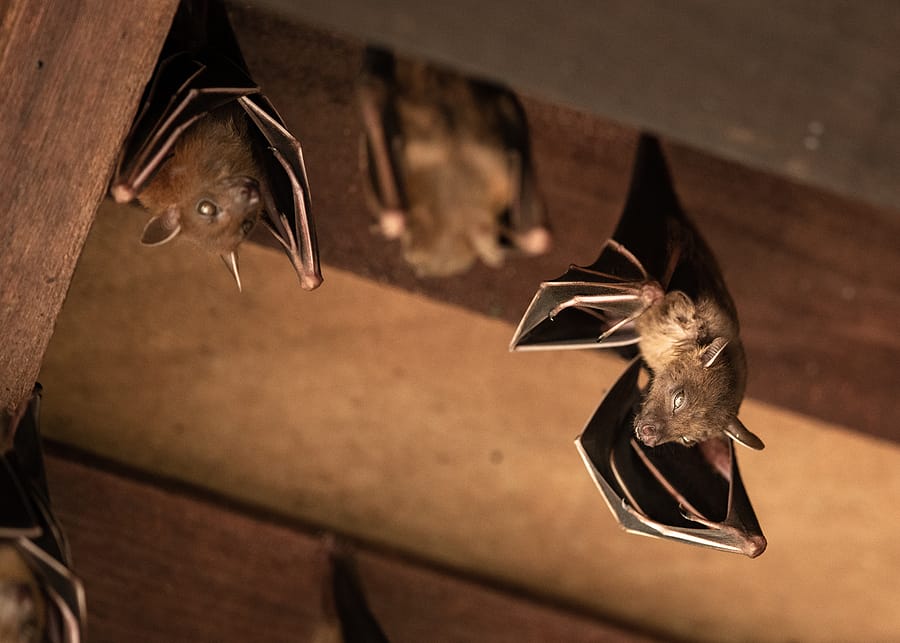
Bats are looking for a protected place that stays above freezing to inhabit. These creatures will often look to our attics for shelter, so they can huddle in a group together. If you suspect you have bats inside, don’t be surprised if there’s a group of them instead of just one. Bats will usually stay in attics during the day, leaving at night to search for a food source.
These creatures are known to carry diseases, such as rabies, which can spread to humans. In several states, removing bats is a delicate matter and will need to be done by a professional.
Preventing wildlife can seem daunting but there are a few easy ways you can keep them from invading your home. Check out our top wildlife prevention tips below:
- Seal your garbage cans and compost bins
- Trim or cut tree limbs away from your house’s roof line
- Place a grated screen on top of your chimney
- Consider enclosing your crawlspace to eliminate entry points
- Inspect the exterior of your home for holes and gaps, sealing them immediately
- Reach out to your local South Florida wildlife control company to set you up with a prevention and treatment plan to avoid a wildlife infestation
Feb 20, 2023 | Wildlife
Raccoons are highly adaptive pests that are capable of causing significant damage to your home. The two main reasons raccoons come around are a search for food and a search for a place to live. These wildlife creatures are easily recognizable with their ringed tails and mask-like markings on their faces. Their paws are dexterous, allowing them to access areas other pests can’t. Raccoons can bite when threatened and also carry diseases such as rabies, distemper, and parasites. They can cause damage to crawlspaces and attics by chewing through walls, sheetrock, etc.
Raccoons are nocturnal creatures and oftentimes can hang out around your house without you even realizing they are there. Here are 5 signs you may have a raccoon problem around your home.
- Raccoon Tracks: Raccoon tracks are one of the most common signs that they are in or near your home. Raccoon tracks are easy to identify; in fact, they are very similar to human footprints. They usually measure 4″ or less in size. They can commonly be found in areas with soft soil, near fences, near buildings, at the bases of trees, and near trash cans.
- Feces: Raccoon feces, also known as scat, can be hard to tell apart from the feces of other animals. Raccoons will usually leave their scat near tree bases, woodpiles, and trash cans.
- Scratching: Raccoons are known to scratch the bark of trees, especially near the base. You may also find scratch marks on sheds, porches, and other outdoor structures.
- Sounds: Raccoons are capable of producing over 50 unique sounds including growls, squeals, and purrs. If you are hearing odd sounds that you can’t attribute to other common animals, you may have a raccoon lurking.
- Trash: Raccoons are attracted to the smell of garbage in your trash cans. With their dexterous paws, they are capable of opening trashcan lids and will do anything within their means to get inside. When raccoons are present you will often wake up to trashcan lids open, cans turned over, and ripped trash bags with their contents strewn around your yard.
Raccoons can become an issue when they take up residence in or near your home. Keep raccoons out of your home with these tips:
- Don’t approach a live raccoon. They will bite or scratch if they feel threatened.
- Don’t feed raccoons. They will continue to return in search of more food.
- Secure your trashcans with rope, chain, clamps, or even cinder blocks.
- Feed your pets indoors; if they must be fed outdoors, don’t leave their food out overnight.
- Bring in bird feeders at night, as well.
- Lock pet doors at night.
- Secure compost containers, as well.
- Cover any entry points to your home with metal mesh or metal flashing.
- Double bag any meat products before throwing them away.
- Rake up any fallen fruit from trees.
- Utilize motion activated lights, sound machines, etc. to scare them away.
- Trim back branches and limbs from the exterior of your home to limit their access to your roof.
If you have a problem with raccoons or other wildlife, contact your local wildlife control company for a thorough inspection and wildlife control plan.