Miami’s December Roach Roundup: Meet the Sneaky Smokybrowns and Their Indoor Invasion
November in Miami brings cooler weather, but it also drives smokybrown cockroaches indoors. Unlike other roaches, these large, winged pests aren’t attracted to filth—they’re seeking shelter for the cooler months. This guide explains how to identify them, why they move inside in November, and how to keep your home roach-free.
Getting to Know the Smokybrown Cockroach
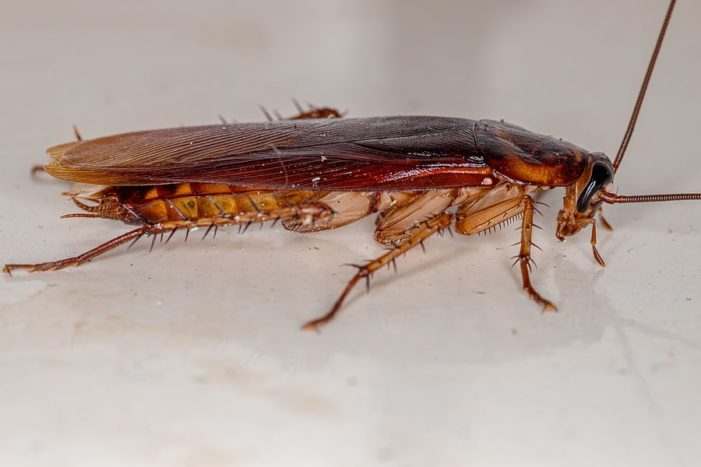
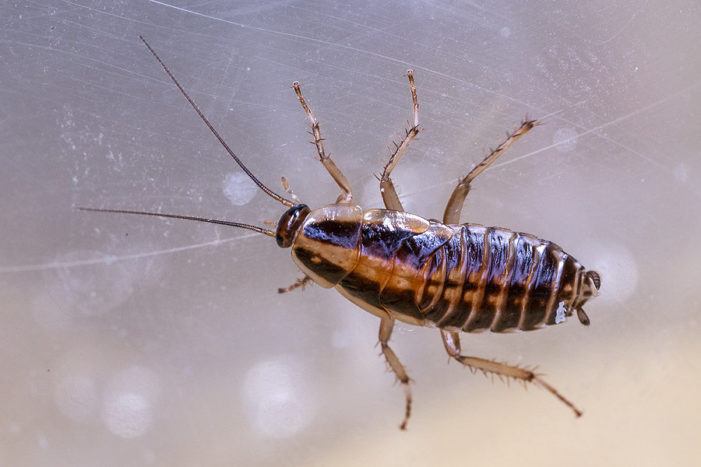
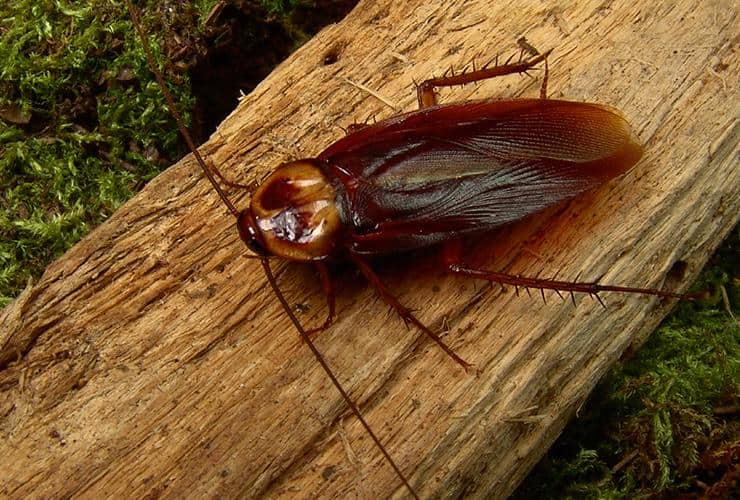
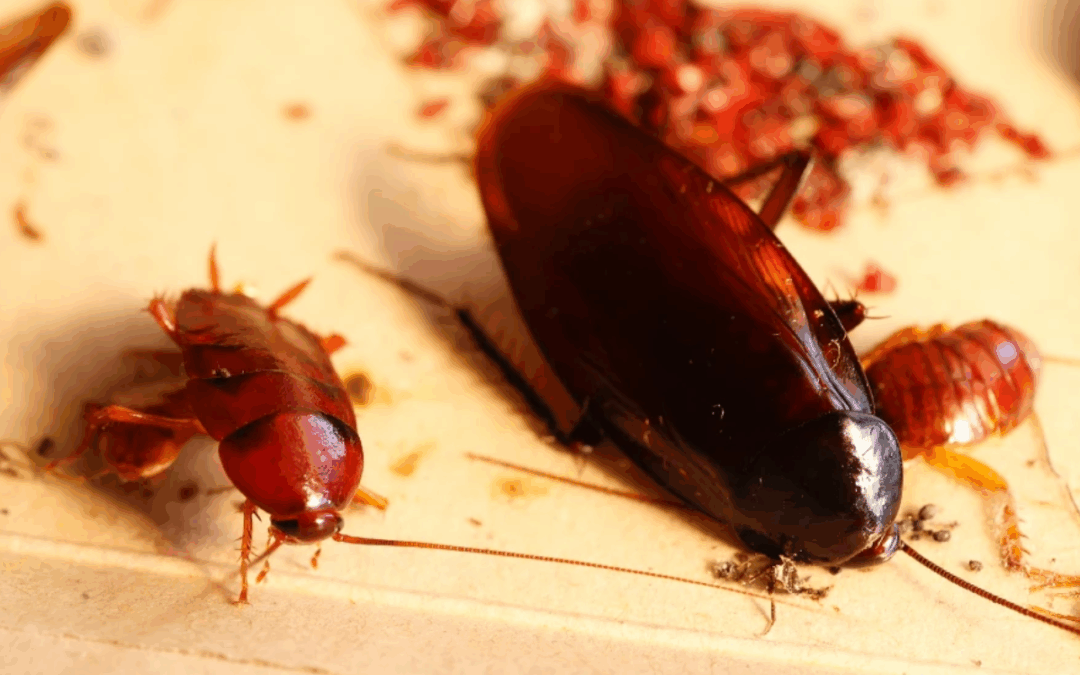
The Smokybrown cockroach (Periplaneta fuliginosa) is a large species, typically measuring over an inch long. They are a uniform, shiny mahogany or black color and have fully developed wings that extend beyond their bodies. While they are strong fliers, they are often more attracted to light than other roach species.
These roaches are outdoor dwellers by nature. They thrive in warm, humid environments and are commonly found in areas with plenty of moisture and organic matter, such as:
- Mulch and leaf litter
- Tree holes and stumps
- Greenhouses and planters
- Gutters filled with debris
Unlike German cockroaches, which infest kitchens and bathrooms in search of crumbs, Smokybrowns need a high degree of humidity to survive and will dehydrate quickly without it.
Why Are They Invading Miami Homes in December?
As the season changes, so do the living conditions for Smokybrown cockroaches. Even the subtle temperature drop and drier air of a Miami November can be enough to drive them indoors in search of a more stable environment.
A Need for Moisture
The primary driver for a Smokybrown cockroach invasion is moisture. As the air becomes less humid, these roaches will migrate toward areas that can provide the dampness they require. Your home may offer several attractive spots, including basements, crawlspaces, laundry rooms, and bathrooms.
Shelter from the Elements
Your home provides protection from cooler temperatures and predators. Smokybrowns will exploit any available opening to gain access, often hiding in attics, wall voids, or behind cabinets where they can remain undisturbed.
The Issues with a Smokybrown Infestation
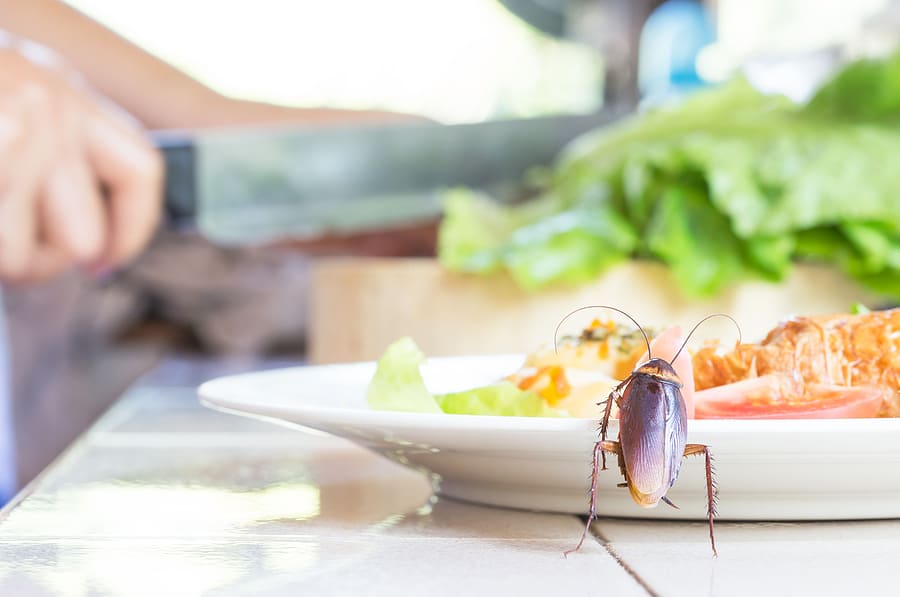
While a single roach might seem like a minor issue, their presence can indicate a larger problem. You should not have to share your living space with these pests.
- Contamination: Cockroaches walk across a variety of surfaces, including garbage and decaying matter, before crawling over your countertops, dishes, and food preparation areas. This can lead to the spread of germs throughout your home.
- Allergens: Cockroach droppings, saliva, and shed skins contain proteins that can trigger allergic reactions and asthma attacks, particularly in sensitive individuals and children.
- A Sign of a Larger Problem: Seeing Smokybrowns indoors often points to a moisture issue or an unsealed entry point that could allow other pests to enter as well.
How to Prevent an Indoor Invasion
Proactive prevention is the most effective way to keep Smokybrown cockroaches out of your home. The focus should be on exclusion and reducing moisture.
Seal Your Home’s Exterior
Conduct a thorough inspection of your property and seal any potential entry points.
- Fill cracks in the foundation and gaps around pipes with caulk or sealant.
- Install weather stripping on doors and windows to ensure a tight fit.
- Repair or replace damaged screens.
- Cover attic vents and other openings with fine mesh.
Reduce Moisture Levels
Make your home less attractive by controlling humidity.
- Fix leaky faucets, pipes, and drains immediately.
- Ensure crawlspaces and attics are properly ventilated.
- Use dehumidifiers in damp areas like basements.
- Keep gutters clean and ensure they direct water away from the foundation.
Maintain Your Yard
Since these roaches live outdoors, managing your landscape is key.
- Keep mulch and pine straw at least a foot away from your home’s foundation.
- Clear away leaf litter, woodpiles, and other organic debris.
- Trim tree branches and shrubs so they do not touch the house.
Don’t let these sneaky invaders disrupt your holiday season. Contact a pest control professional to schedule an inspection and ensure your Miami home remains a comfortable, pest-free environment.