Which Treatment is Best for Subterranean Termites?

Which Treatment is Best for Subterranean Termites?

Subterranean termites are a significant concern for homeowners in Georgia, causing extensive damage to wooden structures if left untreated. Understanding how to identify these pests, recognizing the signs of an infestation, and knowing the various treatment options available are crucial steps in protecting your home. In this blog, we will explore what subterranean termites look like, the signs of their presence, the best treatments for eliminating them, and essential prevention tips to keep your home termite-free.

What Do Subterranean Termites Look Like?

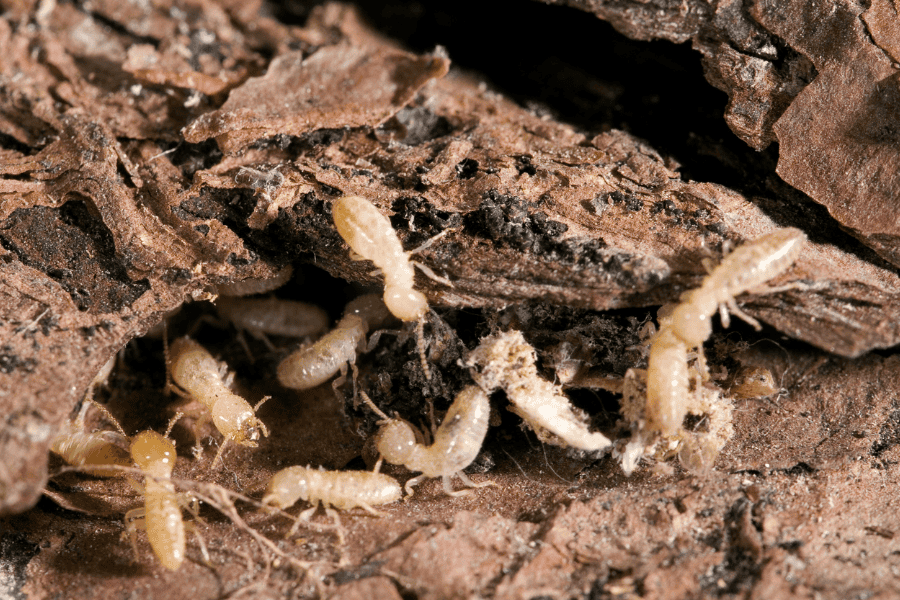
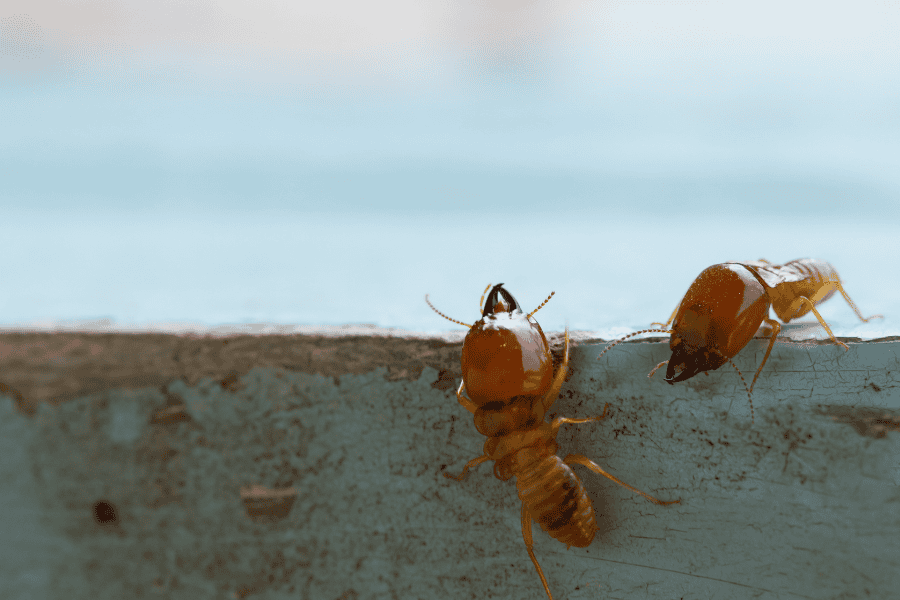
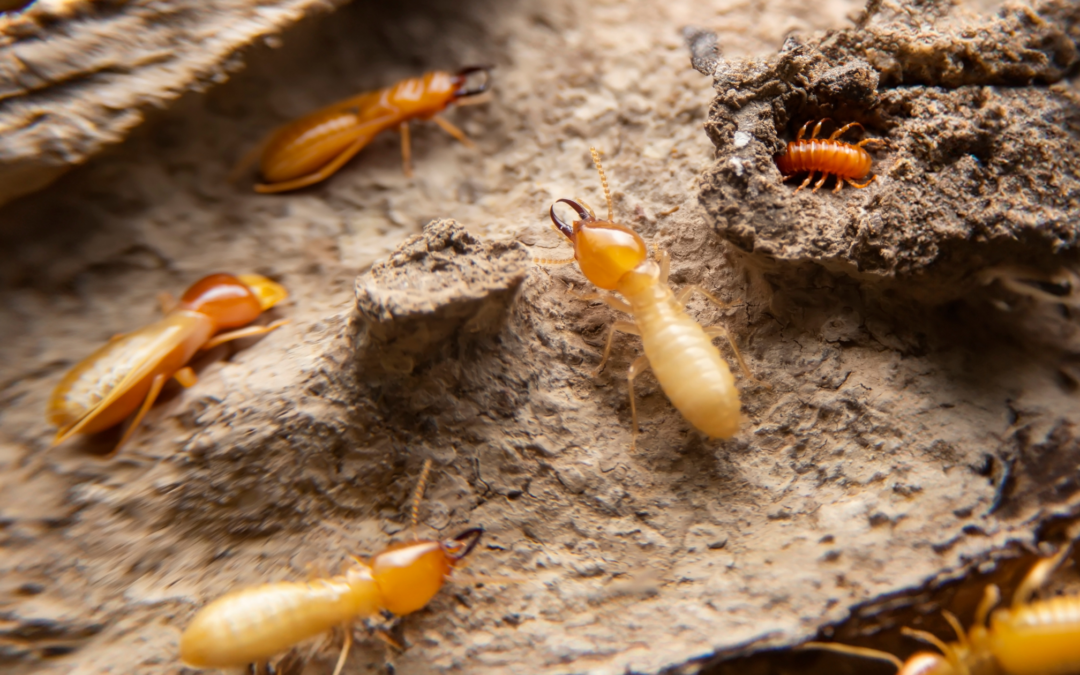
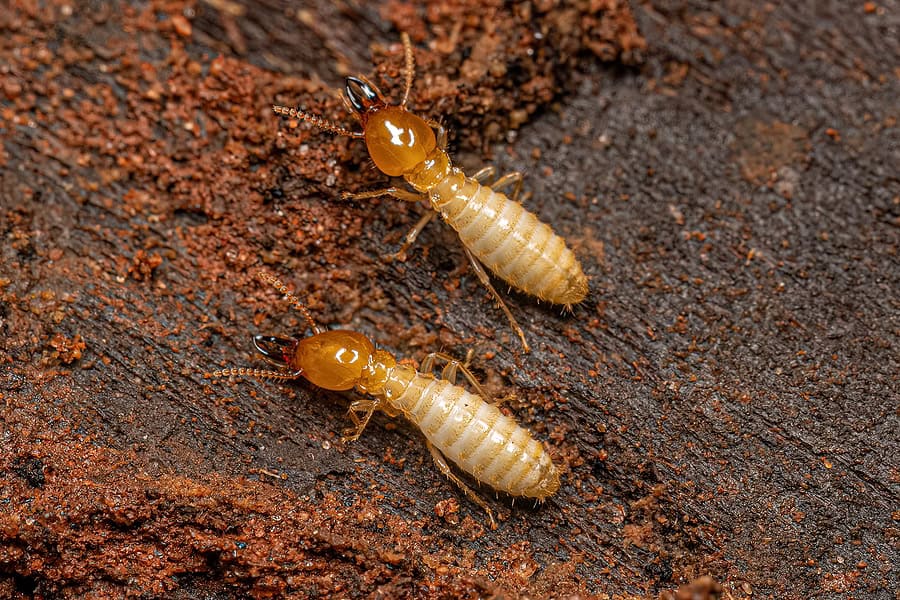
Subterranean termites are small, creamy-white to dark brown insects, typically about 1/8 to 3/8 inch long. They have soft bodies and are often mistaken for ants, though they can be distinguished by their straight antennae, uniform waists, and wings of equal length when swarming. Identifying these termites correctly is the first step in implementing effective termite control.

Signs of a Subterranean Termite Infestation

Recognizing the signs of a subterranean termite infestation early can save homeowners from extensive and costly repairs. Key indicators include:

  1. Mud Tubes: Subterranean termites build mud tubes to protect themselves from predators and to maintain a moist environment while traveling between their colony and food sources. These tubes, typically found along foundations, walls, and crawl spaces, are a clear sign of an active infestation.
  2. Damaged Wood: Termite damage often appears as hollowed-out wood, usually along the grain. Tapping on the wood may produce a hollow sound. You might also notice blistering or darkening of the wood surface.
  3. Swarmers: Winged termites, or swarmers, are reproductive termites that leave the colony to start new ones. Finding discarded wings around windowsills, doors, or other entry points is a sign that termites are nearby.
  4. Frass: Termite droppings, known as frass, are tiny, pellet-like substances that termites push out of their tunnels. Finding frass near wooden structures can indicate an infestation.

Best Treatments for Subterranean Termites

There are several effective treatments for subterranean termites, each with its benefits and considerations. Here are the most commonly used methods:

  1. Liquid Termiticides: Liquid termiticides are applied to the soil around a building’s foundation, creating a barrier that termites cannot cross. This method is highly effective for immediate control and long-term prevention.
  2. Baiting Systems: Termite baiting systems involve placing bait stations around the perimeter of a home. These stations contain wood or cellulose material treated with a slow-acting insecticide. Termites feed on the bait and carry it back to the colony, eventually leading to the colony’s elimination.
  3. Foam Treatments: Foam termiticides are injected into wall voids, crawl spaces, and other hard-to-reach areas where termites may be hiding. The foam expands to fill the space, ensuring thorough coverage and effective control.
  4. Borate Treatments: Borate-based treatments are applied directly to wooden structures. They penetrate the wood and kill termites upon ingestion. This method is often used during the construction phase or for treating exposed wood in existing structures.

Termite Prevention Tips

Preventing subterranean termites from invading your home is crucial. Here are some practical tips to keep these pests at bay:

  1. Reduce Moisture: Termites thrive in moist environments. Ensure proper drainage around your home, fix leaky pipes and faucets, and use dehumidifiers in basements and crawl spaces.
  2. Remove Wood-to-Ground Contact: Avoid direct contact between wooden structures and soil. Use concrete or metal barriers between wood and soil to deter termites.
  3. Seal Cracks and Gaps: Seal any cracks or gaps in your home’s foundation, walls, and roof to prevent termites from gaining entry.
  4. Store Firewood Properly: Keep firewood, lumber, and other wooden materials at least 20 feet away from your home and elevate them off the ground.
  5. Regular Inspections: Schedule regular termite inspections with a professional termite control company to catch any signs of infestation early.

Subterranean termites are a serious threat to homes in Georgia, but with the right knowledge and proactive measures, you can protect your property from these destructive pests. Identifying what subterranean termites look like, recognizing the signs of an infestation, and choosing the best treatment method are essential steps in effective termite control. Additionally, implementing preventive measures can help keep your home termite-free. If you suspect a termite infestation, contact a reputable termite control company to conduct a thorough inspection and recommend the best course of action.

By staying vigilant and informed, you can safeguard your home against the costly damage caused by termites.
Drywood vs Subterranean Termites in Your Florida Home

Drywood vs Subterranean Termites in Your Florida Home

There are two common termite species Florida homeowners should know: the subterranean and drywood termite. Both termite species can cause structural damage to homes and cause thousands of dollars in repairs. One of the best ways you can avoid their damage is understanding their characteristics and the preventative measures to place around your home to deter them away. Let’s explore the differences between drywood vs subterranean termites and how you keep them from infesting your home.

Drywood vs Subterranean Termites

Drywood termites thrive in dry wood, often infesting furniture, frames, and other wooden structures without them needing contact with soil. Once they have infested, they will cause damage by hollowing out wood from the inside out. A good indication that these termites infested your home is finding small piles of wood pellets or frass, tiny holes in wood surfaces, and discarded wings near windowsills or light fixtures.

Subterranean termites live underground and build mud tubes to reach food sources above the ground, often destroying foundations and support beams in the process. These termites need soil and moisture to survive and build their colonies. Signs of a subterranean termite infestation include finding discarded wings and mud tubes on exterior walls, foundations, or crawlspaces.

Termite Prevention Tips

There are several preventative measures you can utilize to deter termites away from your Florida property. Let’s review do-it-yourself termite prevention tips:

  • Eliminate moisture by fixing leaks, maintaining proper draining, and using dehumidifiers in damp areas.
  • Keep firewood, lumber, and other stored wood away from your home’s foundation; consider storing it at least 20 feet from your home and elevated off the ground.
  • Inspect your home’s exterior and seal any gaps in windows, doors, and foundations.
  • Remove dead trees, stumps, and debris from your yard.
  • Direct your drainage system away from your foundation.
  • Consider enclosing your crawlspace to help reduce excess moisture and prevent household pests.

While these tips will support efforts to deter termites away, it is always best to schedule an annual termite inspection with a professional termite control company near you. These professionals can detect termite signs early and quickly provide your home with the appropriate termite control and prevention plan.
Effective Termite Control for Your Business

Effective Termite Control for Your Business

Termites are one of the most destructive pests, capable of causing significant damage to commercial properties. Their ability to silently infiltrate and compromise the structural integrity of buildings makes them a serious threat. Effective termite control is essential to protect your investment and ensure the safety of your property. Explore the importance of termite control for your business, the types of termite infestations, and the best strategies for effective termite management.

The Importance of Termite Control

Termites can cause extensive damage before their presence is even detected. They feed on wood and other cellulose materials, weakening the structure of buildings and potentially leading to costly repairs. For commercial properties, this not only affects physical integrity but also can disrupt business operations and impact your reputation.

Regular termite inspections and proactive control measures are crucial in preventing infestations and mitigating damage. By understanding the signs of termite activity and implementing effective control strategies, you can protect your property and avoid the significant costs associated with termite damage.

Types of Termite Infestations

There are several species of termites, but the most common ones that affect commercial properties are:

  • Subterranean Termites: These termites live in the soil and build mud tubes to access above-ground food sources. They are the most destructive and responsible for most termite damage in commercial properties.
  • Drywood Termites: Unlike subterranean termites, drywood termites do not require contact with soil and can infest dry wood structures. They are often found in areas such as attics, walls, and furniture.

Signs of Termite Activity

Detecting termite activity early is critical for effective control. Here are some common signs to watch for:

  • Mud Tubes: Subterranean termites build mud tubes to travel between their nest and food sources. These tubes are often found on foundation walls, support beams, and other structural elements.
  • Wood Damage: Termite-damaged wood often sounds hollow when tapped and may have a honeycomb interior.
  • Discarded Wings: Swarming termites shed their wings after mating. Finding discarded wings near windows, doors, or other entry points can indicate an infestation.
  • Frass (Termite Droppings): Drywood termites leave behind small, pellet-like droppings known as frass, often found near infested wood.

Effective Termite Control Strategies

  • Regular Inspections: Schedule annual termite inspections with a professional pest control company. Regular inspections can detect early signs of infestation and prevent extensive damage.
  • Soil Treatments: Subterranean termites often enter buildings through the soil. Soil treatments, such as liquid termiticides, create a chemical barrier that prevents termites from reaching the structure.
  • Bait Systems: Termite bait systems are an effective and eco-friendly method for controlling termite populations. Baits are placed around the property, attracting termites and then eliminating the colony.
  • Wood Treatments: Treat exposed wood with borate-based products to protect against termite infestation. These treatments penetrate the wood and create a barrier that is toxic to termites.
  • Moisture Control: Since termites thrive in moist environments, it’s essential to address any moisture issues around your property. Repair leaks, ensure proper drainage, and use dehumidifiers in areas prone to moisture buildup.
  • Preventive Maintenance: Regularly inspect and maintain your property to eliminate potential termite entry points. Seal cracks and crevices, repair damaged wood, and remove any debris or wood piles near the building.

Professional Termite Control Services

While DIY methods can offer temporary relief, professional pest control services provide comprehensive and long-term solutions. A qualified commercial pest control company can:

  • Conduct thorough inspections: Identify signs of termite activity and potential risk areas.
  • Develop customized treatment plans: Tailored to the specific needs and conditions of your property.
  • Implement advanced treatments: Use the latest tools and techniques to ensure effective termite control for your business.
  • Offer ongoing monitoring and maintenance: Regular follow-ups to ensure your property remains termite-free.

Effective termite control is essential for safeguarding your commercial property from the destructive impact of these pests. By understanding the types of termite infestations, recognizing signs of activity, and implementing comprehensive control strategies, you can protect your investment and maintain a safe, functional property. Be sure to call a pest management team near you for a free, personalized, no-obligation quote!
How to Control Termites at Home

How to Control Termites at Home

As the weather warms up and nature springs back to life, so do the pests that can devastate on your home. Among these pesky intruders, termites stand out as one of the most destructive forces to your property’s integrity. In Georgia, where the warm and humid climate provides the perfect breeding ground for termites, it’s crucial to be proactive in defending your home against these silent destroyers. In this guide, we’ll delve into everything you need to know about termite control, from identifying signs of infestation to effective prevention strategies.

Understanding Termites

Before we dive into control measures, it’s essential to understand the enemy we’re up against. Termites are small, social insects that live in colonies, feeding primarily on wood and cellulose materials. In Georgia, the most common types of termites include subterranean termites, drywood termites, and Formosan termites. Each type has its unique characteristics and behaviors, but they all share one common trait: the ability to cause extensive damage to your home.

Signs of Termite Infestation

Detecting a termite infestation early can save you from costly repairs down the line. Here are some telltale signs that you may have termites in your home:

  1. Mud Tubes: Subterranean termites build mud tubes along walls, foundations, or other surfaces to provide moisture and protection as they travel between their colony and food source.
  2. Swarmers: During the spring, reproductive termites, known as swarmers, may emerge from existing colonies to mate and establish new colonies. If you spot winged termites swarming around your property or inside your home, it’s a strong indicator of a termite presence.
  3. Damaged Wood: Termites feed on wood from the inside out, leaving behind hollowed-out or damaged wood structures. Tap on suspected areas of infestation to listen for a hollow sound, indicating termite activity.
  4. Frass: Drywood termites push out fecal pellets, known as frass, from their galleries. Accumulations of tiny, pellet-like droppings near wooden structures can indicate a drywood termite infestation.

The Damage Termites Can Cause

Termites are not just nuisance pests; they can cause significant structural damage to your home if left unchecked. From weakening load-bearing beams to compromising the integrity of wooden foundations, termite damage can lead to costly repairs and compromise the safety of your home. Ignoring a termite problem can also decrease your property’s value and make it harder to sell in the future.

What to Do If You Have a Termite Infestation

If you suspect that your home is infested with termites, it’s crucial to take swift action to mitigate the damage. Here’s what you should do:

  1. Contact a Professional: The first step is to reach out to a reputable termite control company in your area. Professional exterminators have the expertise, tools, and treatments necessary to eradicate termite infestations effectively.
  2. Schedule a Termite Inspection: A thorough termite inspection is essential to assess the extent of the infestation and identify vulnerable areas of your home. Based on the inspection findings, your pest control technician will recommend an appropriate treatment plan.
  3. Implement Treatment Measures: Depending on the severity of the infestation, treatment options may include liquid termiticides, bait stations, or fumigation. Your exterminator will work with you to determine the most effective course of action for eliminating the termites.
  4. Monitor and Prevent Recurrence: After treatment, it’s essential to monitor your home for any signs of termite activity and implement preventative measures to reduce the risk of future infestations.

Preventing Termites From Getting Into Your Home

While professional termite control is essential for dealing with active infestations, there are several steps you can take to make your home less inviting to termites:

  1. Eliminate Moisture: Termites thrive in moist environments, so it’s essential to address any moisture issues in and around your home. Fix leaky pipes, ensure proper drainage away from your foundation, and use dehumidifiers in damp areas like basements and crawl spaces.
  2. Inspect and Seal Entry Points: Regularly inspect the exterior of your home for cracks, gaps, or openings that termites could use to gain access. Seal any potential entry points with caulk or other appropriate sealants to prevent infestations.
  3. Remove Wood-to-Soil Contact: Termites can easily access your home through direct contact between wood and soil. Keep firewood, lumber, and other wooden materials stored away from your home’s foundation, and use pressure-treated wood for outdoor structures.
  4. Install Termite Barriers: Physical barriers, such as metal mesh screens or termite-resistant materials, can help deter termites from reaching your home’s structure. Additionally, installing termite bait stations around the perimeter of your property can intercept termites before they reach your home.

Termites pose a significant threat to homeowners in Georgia, but with the right knowledge and preventative measures, you can protect your home from these destructive pests. By familiarizing yourself with the signs of termite infestation, acting quickly to address any issues, and implementing effective prevention strategies, you can safeguard your home and preserve its value for years to come. If you suspect that you have a termite problem, don’t hesitate to contact a professional termite control company near you to schedule an inspection and termite control plan. Your home’s defense against termites starts with proactive action today.

5 Things to Know About Subterranean Termites in Florida

5 Things to Know About Subterranean Termites in Florida

Subterranean termites will go undetected and cause severe damage to Florida homes. While there are several species of termites, subterranean termites are one of the most popular species found in areas of Florida. We breakdown what you should know about these termites and how you can prevent them from infesting your home.

What You Should Know About Subterranean Termites

They Need Water & Soil to Survive

Subterranean termites need a water source and soil to survive and form their colonies. These termites create mud tubes to travel back and forth between your home and their nest. These tubes protect them from damage and predators, and allow them to accumulate moisture for survival.

They Are Active Year-Round

Subterranean termites are active year-round, with swarmers being the earliest sign of their activity. Termite swarming season in Florida can start as early as February and run all the way until June. Spotting swarmers around your home is the first indication that a termite colony is present nearby, and another one could be starting up soon.

Their Colonies Are Hidden

Subterranean termites will stay hidden within wood and underground within their colony. Their mud tubes will protect them and allow them to stay hidden when traveling back from their nest to your home. These mud tubes are typically about the size of a pencil and can be on ceilings, walls, exterior surfaces, and on the sides of slabs.

Their Damage Can Be Extensive

Since these colonies stay hidden, it can be very difficult to detect them, allowing them to cause extensive damage to homes. Many termite infestations can go unnoticed until it’s too late for early treatment before their damage is done. In the United States, termites are known to cause over $5 billion in damage to homes annually.

Subterranean Termite Infestations Are Preventable

There are several preventative options that Florida homeowners should consider to prevent termite infestations. Several pest control companies provide varying techniques of termite management, including liquid barrier treatments and termite bait treatments, such as the Sentricon®️ Always Active Bait Station. These preventative measures also include annual inspections along with their treatments to provide you with the peace of mind that your home is always being protected from termites.

If you’re interested in termite control, reach out to a pest control company near you. These professionals will provide you with a thorough inspection and a customized treatment and prevention plan for your home.

Pin It on Pinterest

Call Now Button