Dec 23, 2025 | Termite Control
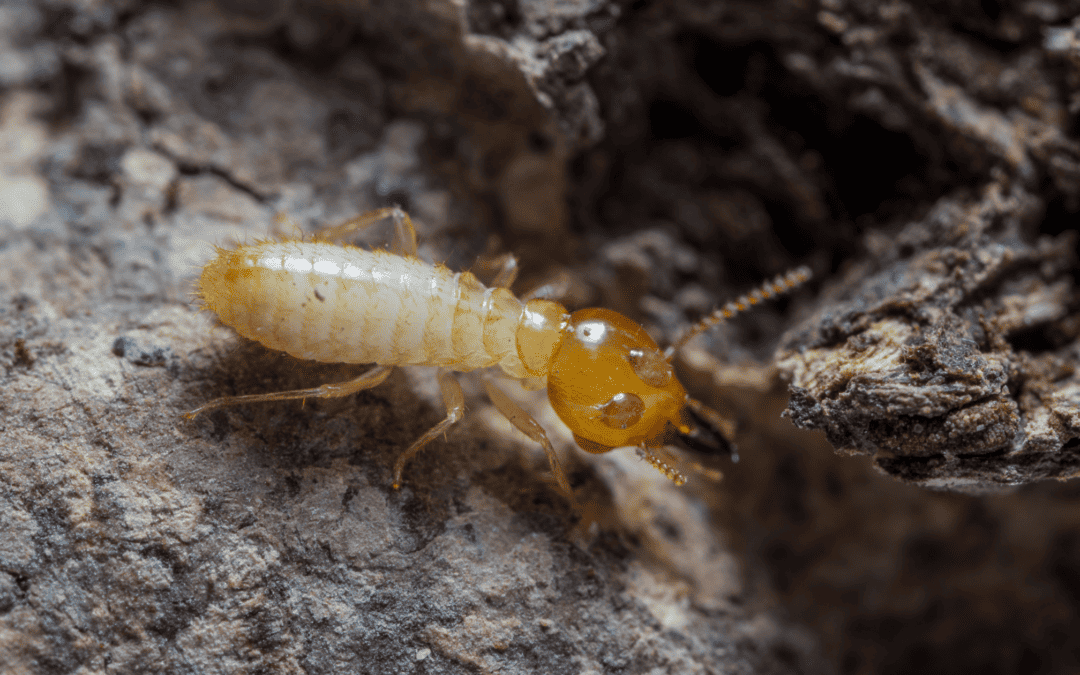
As winter arrives in Homewood, Alabama, many homeowners believe that pest activity comes to a halt. While colder temperatures do slow down many insects, termites are a relentless exception. The assumption that termites go dormant during the winter can lead to a false sense of security, leaving your property vulnerable to continuous, hidden damage. Understanding that termite season never truly ends in Alabama is crucial for protecting your most significant investment. Even in December, these wood-destroying insects remain active, foraging for food and expanding their colonies. This guide explains why termites persist through the cooler months and what preventative measures for termite control you can take to defend your Homewood home.
Termite Activity in Cooler Weather
Unlike other regions with harsh winters, Homewood’s climate is mild enough to support year-round termite activity. Subterranean termites, the most prevalent species in Alabama, are particularly well-adapted to survive cooler temperatures.
Underground Colonies Provide Insulation
Subterranean termites build their colonies deep in the soil, which acts as natural insulation against surface temperature fluctuations. While the air may be chilly, the ground remains warm enough for the colony to continue its daily functions without interruption. The queen continues to lay eggs, and worker termites venture out in search of food.
Your Home Offers the Perfect Shelter
Termites are in constant search of cellulose, which is found in wood. Your home’s structure provides an ideal, climate-controlled environment with an abundant food supply. Once termites establish a path into your house, they are shielded from the outdoor elements and can continue their destructive feeding habits 24/7, regardless of the season.
The Unseen Risks of a Winter Infestation
Because termite damage occurs out of sight, infestation can progress for months or even years before being discovered. This silent destruction is what makes termites such a significant threat to homeowners.
Compromised Structural Integrity
Termites consume wood from the inside out, hollowing support beams, floor joists, and wall studs. Over time, this can weaken your home’s structure, leading to serious issues like sagging floors, warped ceilings, and compromised foundations. These repairs can be extensive and are typically not covered by standard homeowners’ insurance policies.
The Myth of Winter Inactivity
Believing that termites are inactive in December can cause homeowners to dismiss potential warning signs, such as mud tubes on the foundation or wood that sound hollow when tapped. This delay allows the colony to grow and cause more significant damage, turning a manageable issue into a major structural problem.
Effective Winter Termite Control Strategies
Proactive prevention is the most effective approach to termite management. By making your property less attractive to these pests, you can create a powerful defense for your home.
Reduce Moisture Around Your Property
Termites depend on moisture to survive. Eliminating excess water is a critical step in any termite control plan.
- Repair any leaky faucets, AC units, and pipes promptly.
- Ensure your gutters and downspouts are clear of debris and direct water away from the foundation.
- Check that the soil grade around your house slopes downward to prevent water from pooling.
Eliminate Wood-to-Ground Contact
Direct contact between wood and the ground creates an easy pathway for termites to enter your home.
- Keep firewood, lumber, and other cellulose-based debris stacked on a raised platform at least 20 feet from your house.
- Maintain a gap of several inches between mulch or landscaping and your home’s foundation.
- Trim back tree limbs and shrubs so they do not touch the siding or roof.
Professional Termite Protection for Your Homewood Home
While these preventative tips are beneficial, the most reliable method for identifying and managing a termite threat is through a professional inspection. The winter months are an excellent time to schedule this service, as it allows you to address any vulnerabilities before the peak swarm season in spring.
A certified termite control specialist can perform a detailed inspection of your property, identify signs of termite activity you might miss, and recommend a customized treatment and prevention plan. For professional termite control services in Homewood, AL, contact an expert to ensure your home is protected throughout the year.

Nov 30, 2023 | Termite Control
Winter in Georgia may bring chilly temperatures, but for homeowners, it’s no time to let their guard down, especially when it comes to termite control. Contrary to popular belief, termites can remain active during the colder months, making it crucial to stay vigilant year-round. In this blog post, we’ll explore the types of termites found in Georgia, the concept of a termite season, signs of a termite infestation, and essential tips for prevention.
Types of Termites in Georgia
Georgia is home to several termite species, with the most common being Eastern Subterranean Termites, Formosan Subterranean Termites, and Drywood Termites. Each type poses its own set of challenges for homeowners, making termite control a necessity.
Is There a Termite Season in Georgia?
While many associate termite activity with warmer months, Georgia’s mild climate means that termites can remain active throughout the year. There might be a slight slowdown in winter, but it’s a mistake to assume that termites take a complete hiatus. In fact, their activity might even go unnoticed, making it crucial for homeowners to be proactive in their termite control efforts.
Signs of Termites in Your Home
Detecting termite activity early is key to preventing extensive damage. Keep an eye out for the following signs:
- Mud Tubes: Subterranean termites build mud tubes to travel between their nest and food source. Check for these on your foundation or in crawl spaces.
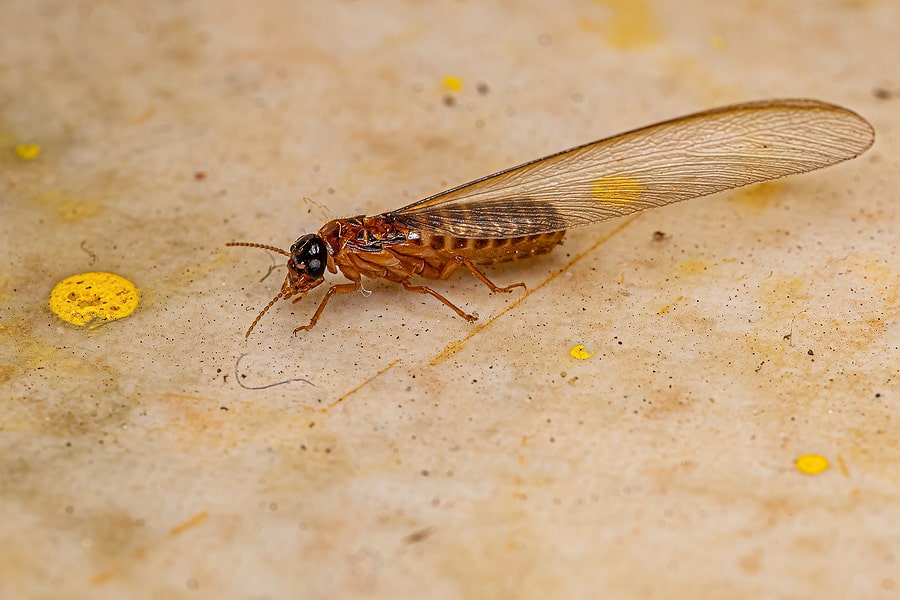
- Swarmers: Reproductive termites, or swarmers, may emerge in large numbers during the spring. However, some species, like the Formosan termites, can swarm in the winter.
- Wood Damage: Look for hollow-sounding or damaged wood, as termites consume wood from the inside out.
- Discarded Wings: After swarming, termites shed their wings. Piles of discarded wings near windows or light sources can indicate an infestation.
Termite Prevention Tips
Prevention is the best defense against termites. Here are some tips to protect your home:
- Moisture Control: Termites are attracted to moisture. Ensure proper ventilation and address any leaks promptly.
- Regular Inspections: Schedule regular termite inspections to catch any infestation in its early stages.
- Wood-to-Ground Contact: Avoid direct wood-to-soil contact in and around your home.
- Remove Wooden Debris: Clear away dead trees, stumps, and other wooden debris from your property.
- Professional Treatment: Enlist the help of a professional pest control company for regular termite control treatments.
Don’t wait until it’s too late. Safeguard your home from termite damage by requesting a free termite control quote from our experienced team. Our experts are ready to assess your property, identify potential risks, and implement effective termite control measures tailored to your needs.
In conclusion, termites in Georgia don’t take a winter vacation. Stay informed, remain vigilant, and take proactive steps to protect your home from these silent invaders. Contact a professional pest control company today for a comprehensive termite control solution and ensure your home stays termite-free year-round.
May 9, 2023 | Termite Control
Summer is a wonderful time of year to enjoy outdoor activities, but it’s also the season when termites are most active. Termites are known for causing extensive damage to homes and properties, and they can quickly become a costly problem if left unchecked. To properly prepare for a termite-free summer, follow these termite control tips.
Conduct a Home Inspection
The first step in preparing for a termite-free summer is to conduct a thorough home inspection. Look for signs of termite activity, such as mud tubes, wings, and damaged wood. If you find any evidence of termites, contact a pest control professional immediately.
Eliminate Moisture Sources
Termites are attracted to moisture, so it’s important to eliminate any moisture sources in and around your home. Fix any leaks in your plumbing or air conditioning system, and make sure your gutters are clean and functioning properly.
Keep Wood Away from Your Home
Termites are attracted to wood, making it crucial to keep any wood or wood-based materials away from your home’s foundation. This includes firewood, lumber, and any wooden structures such as decks or fences.
Use Termite-Resistant Materials
When building or renovating your home, consider using termite-resistant materials such as concrete, metal, or pressure-treated lumber. These materials are less attractive to termites and can help prevent infestations.
Schedule Regular Pest Control Services
Regular termite control services are an essential part of preventing termite infestations. A termite control professional can help identify and eliminate any termite activity in and around your home, as well as provide preventative treatments to keep termites at bay.
Get ready for termite season by giving your local termite control company a call today!
Apr 21, 2023 | Termite Control
Termites can wreak havoc on your home, causing substantial and costly damage. These household pests are stealthy, often going undetected for long periods of time. Preventing termite damage is critical, and now is the time to get started.
Termites begin swarming in the South in early spring. So, if you don’t already have a termite control plan, now is the time to consider acquiring one. While swarming termites may not cause structural damage, they are an indication that a termite colony is active nearby. This might result in catastrophic structural damage to your property, resulting in repair expenses in the hundreds of thousands of dollars. Although spring and summer are peak swarming season, termites can be active year-round, especially in warmer climates like ours.
Termite Control
There are various techniques of termite management, and determining which one is best for your property can be difficult. After all, we’re talking about safeguarding one of your most valuable investments! Because termite damage isn’t usually covered by homeowners insurance, it’s imperative to not only get your property treated, but also to have a solid termite guarantee.
Treatment Options for Termites
If you understand how termites work, you could try your hand at DIY termite control. There are a variety of options available for this, ranging from simple liquid barrier treatments to termite baiting systems. If you have any slabs linked to your home or a basement, this can be a difficult task. To keep termites out, a liquid barrier must be comprehensive with no gaps.
Liquid Barrier Treatment
If you have active termites or damage, several pest control firms will offer a liquid treatment. This offers both immediate and long-term termite protection. Make sure your termite treatment comes with a decent warranty, especially one that covers termite re-treatments and any damage caused after treatment.
Borate Wood Treatment
This method of termite treatment is great if your home is still under construction. The wood structure is coated with borates, which are soil elements that provide long-term termite protection while also repelling common domestic pests.
Termite Bait Treament
Baiting systems have been shown to be efficient at eliminating entire termite colonies underground around your home, are less invasive than liquid treatments, are suitable for both new and existing structures, and typically come with a lifetime warranty. It is also the most environmentally friendly solution to defend your home from termites, as it eliminates the need for hundreds of gallons of chemicals. Monitoring devices are placed strategically around your property’s perimeter. The stations have a bait tube that termites are drawn to.
Termite Prevention:
- Keep mulch away from the perimeter of your home. Termites consume this as food.
- Keep any wood items away from your home. Termites can feed on firewood, crossties, and the building project you’ve been working on.
- Maintain your gutters. Termites thrive in damp environments, so keeping the ground surrounding your home dry is critical.
If you have a problem with termites or any other household pests, contact your local pest control company for an evaluation.
You May Also Be Interested In:
Common Rats and Mice You Might See this Spring
Do Water Moccasins Swim on Top of Water?
What Kind of Fly is That?
Are Spiders Worse In The Summer?
Don’t Let Fire Ants Ruin Your Summer
Sep 20, 2022 | Termite Control
It’s no surprise that termites are still active in the fall. The only factor that changes termite activity in the fall season is their tendency to burrow deeper into the ground. However, if these pests burrow their way into your home, they won’t need to dig deeper to find warmth and instead will infest.
Continuing termite control into the colder months will help to protect your home up until spring begins again. Be sure to keep up with termite control to lessen the chance of termites swarming in the spring and summer months.
Regardless of the season, there are common signs of termite infestations to look for in your home, including:
- Swarms: One of the earliest signs of termites is termite swarms. Termites emerge in early spring or summer to reproduce and establish new colonies. Seeing swarmers indicates a colony is nearby, so take precautions.
- Noises: Beyond visual cues of termites being nearby, you can sometimes hear them! If a colony is larger and established, you may begin hearing a faint clicking or knocking sound behind your walls or in other void areas of your home.
- Mud Tubes: If you begin seeing mud tubes around your home, it can be a big indication of a termite colony. These tubes are built to help protect termites from damage and predators and allow them to accumulate moisture, which termites need to survive.
- Wood Damage: Window, floor, and door damage may also indicate a termite infestation. Sagging floors can indicate a well-established colony. When doors and windows warp or don’t open and close smoothly, it can indicate the presence of termites, as well.
There are a few steps for termite protection you can take in and around your home. Make sure all water and gas lines are sealed adequately. Fix any leaky faucets or appliances and get rid of any standing water. Try to eliminate any cellulose material, as this is a termite’s primary food source.
If you suspect you have a termite problem or want to stay proactive against them, reach out to your local pest control company to receive a free termite inspection and discover the best plan of action perfect for you and your home!