
How to Get Rid of Mosquito Bites — Fast Relief and Lasting Prevention
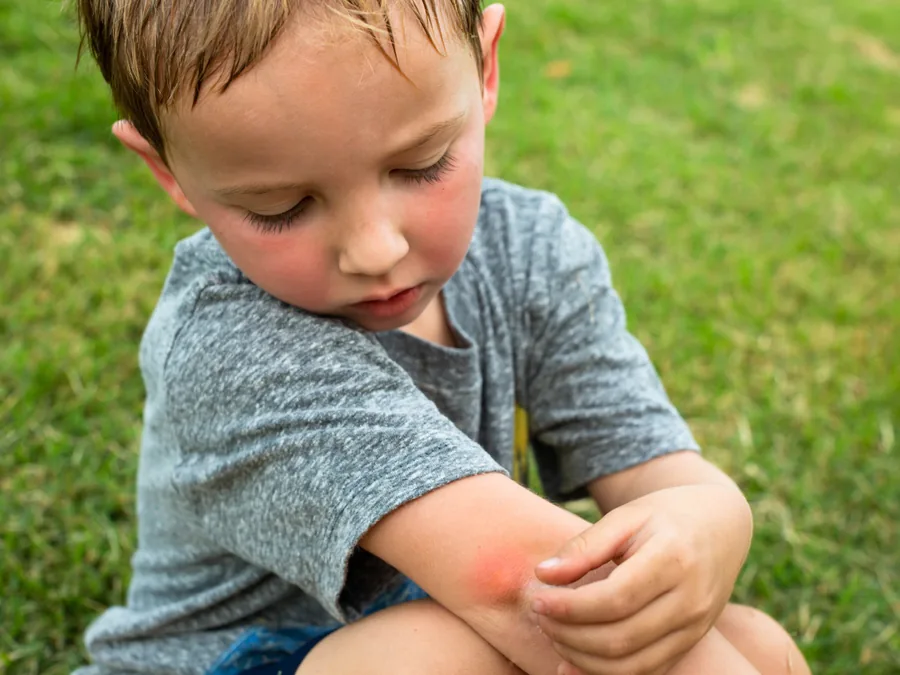
Quick answer: To get rid of a mosquito bite, wash the area with soap and water, apply a cold compress for 10 minutes, then use an over-the-counter anti-itch cream containing hydrocortisone or an oral antihistamine. Most bites resolve within 3 to 7 days. Scratching slows healing and raises your infection risk.
A mosquito bite seems like a minor problem until it isn’t. The relentless itch, the swelling that won’t quit, the bite you can’t stop scratching at 2 a.m. For residents across Georgia, Tennessee, Alabama, and the Carolinas, this plays out from March through November every single year. Some summers, it feels like the mosquitoes win.
This guide covers what actually works to stop the itch, which home remedies have real evidence behind them (and which don’t), how long you should expect a bite to last, and the warning signs that mean it’s time to call a doctor. It also covers the bigger picture: how to reduce the number of mosquitoes around your home so you’re not treating bites every other day.
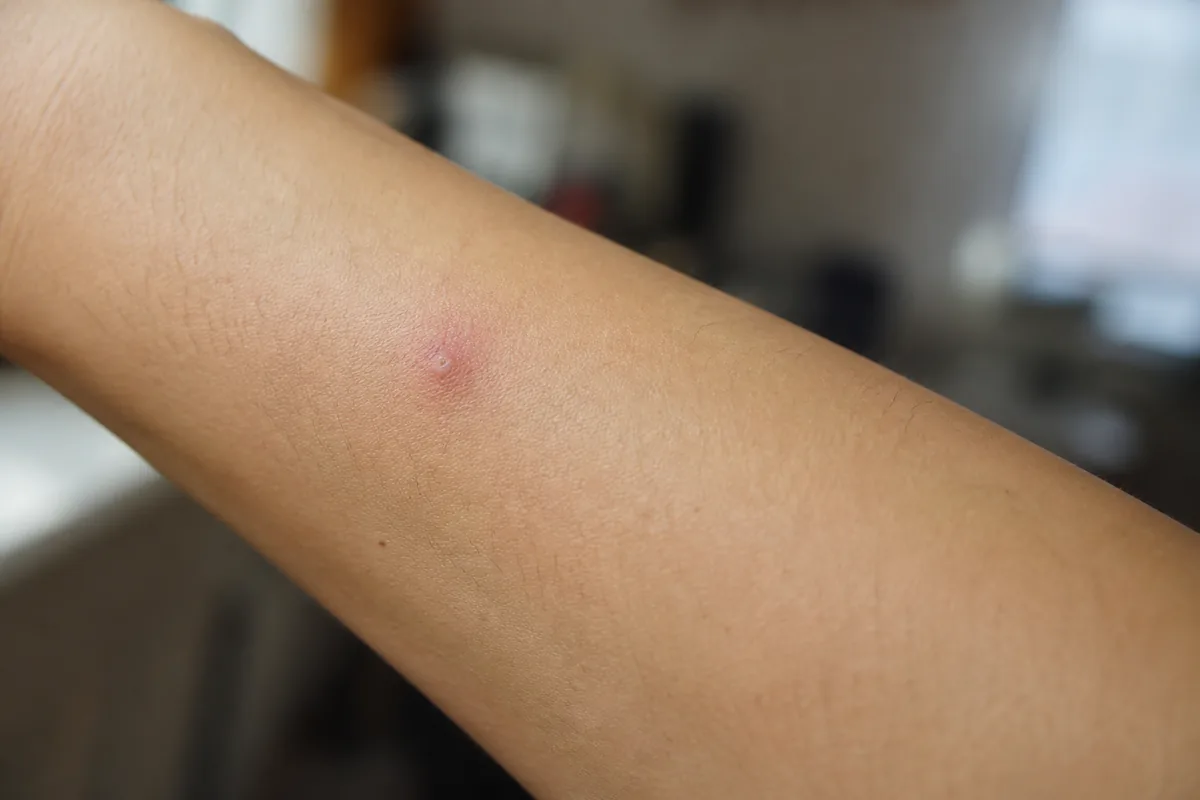
How to Stop a Mosquito Bite From Itching: The Short Answer
If a bite just happened, these three steps give you the fastest relief:
- Wash the bite with soap and water to remove bacteria from the skin surface.
- Apply a cold compress, a cloth-wrapped ice pack or a bag of frozen peas, for 10 minutes at a time. Cold constricts blood vessels, reduces swelling, and briefly numbs the itch.
- Use an over-the-counter anti-itch treatment. A 1% hydrocortisone cream is the most effective option for most people.
That combination handles the immediate reaction. The sections below explain why bites itch, what else actually works, and what to skip.
Why Mosquito Bites Itch, and Why Yours May Be Worse Than Others
What triggers the itch
When a mosquito bites, it injects saliva into your skin. That saliva contains proteins your immune system doesn’t recognize. Your body responds by releasing histamine, a chemical that increases blood flow to the area and signals surrounding nerves to fire. The result is the familiar combination of redness, swelling, and itch.
The itch is not the bite itself. It’s your immune response to it.
Why reactions vary so much from person to person
Two people can sit outside in the same backyard and walk away with completely different reactions. One has barely visible bumps. The other has quarter-sized welts. Several factors drive that difference:
- Immune sensitivity: People who have had frequent mosquito exposure over many years sometimes develop partial tolerance. Children and adults with highly reactive immune systems often respond more dramatically.
- Histamine levels: Individual baseline histamine sensitivity varies widely.
- Bite location: Bites on thin-skinned areas, the ankle, the wrist, the face, tend to swell more than bites on thicker skin.
- Scratching: Scratching triggers additional histamine release, which makes the itch worse and the bump larger.
How to Get Rid of Mosquito Bites: Remedies That Work (and Some That Don’t)
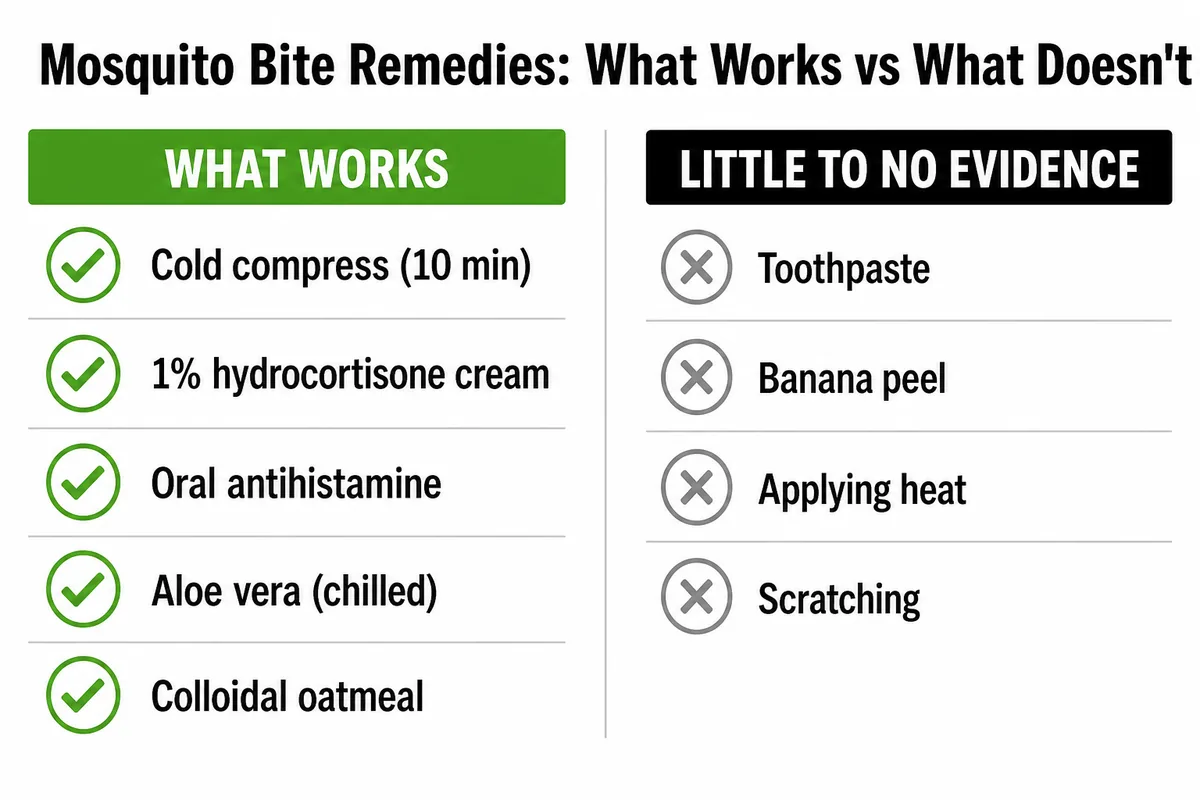
Over-the-counter treatments with solid evidence
These options are supported by clinical use and are the most reliable for symptom relief:
| Treatment | What it does | Best for |
|---|---|---|
| 1% hydrocortisone cream | Reduces inflammation and itch | Most people; most bite reactions |
| Oral antihistamines (e.g., diphenhydramine, cetirizine) | Block histamine system-wide | Multiple bites; strong reactions; nighttime itch |
| Calamine lotion | Mild anti-itch and drying effect | Mild reactions; children |
| Cold compress | Numbs nerve endings; reduces swelling | Immediate relief; any bite |
Hydrocortisone cream is the first-line recommendation for a single, uncomplicated bite. If you have several bites or your reaction is significant, an oral antihistamine treats the whole-body histamine response rather than addressing each bite individually.
Home remedies, separated by evidence level
Not all popular home remedies are created equal. Here’s a clear breakdown.
Evidence-supported or plausible:
- Cold compress: Reliably reduces swelling and numbs itch. Apply for 10-minute intervals. This works.
- Aloe vera: Contains compounds with anti-inflammatory properties. Chilled aloe gel may help with both itch and swelling. There’s reasonable evidence behind this one.
- Colloidal oatmeal: Used in dermatology for decades. Oatmeal-based products (like Aveeno) have demonstrated skin-soothing effects. An oatmeal bath is a sensible option for widespread reactions.
- Baking soda paste: A small amount mixed with water and applied to the bite may provide modest itch relief. The mechanism is plausible (mild pH buffering), but clinical evidence is limited.
Folk remedies with little to no evidence:
- Toothpaste: Commonly suggested online. The menthol may create a brief cooling sensation, but there’s no meaningful anti-itch effect.
- Banana peel: No evidence.
- Heat (spoon, hot shower): Applying heat to a bite can temporarily interrupt the itch signal, but it also increases circulation to the area and can worsen swelling. Skip this.
What NOT to do
- Scratching is the most common mistake. Scratching breaks the skin barrier, introduces bacteria, and causes additional histamine release, making the bite bigger and itchier.
- Popping or squeezing the bite does nothing to help and raises your infection risk significantly.
- Applying products not intended for skin, such as essential oils at full concentration, household cleaners, or anything caustic, can cause chemical burns on top of an already irritated bite.
How Long Do Mosquito Bites Last?
The typical timeline
For most people, a mosquito bite follows a predictable arc:
- Minutes 1 to 20: A raised, white wheal forms at the bite site. This is the immediate immune response.
- Hours 1 to 24: The wheal flattens. A red, itchy bump develops. This is the delayed reaction.
- Days 2 to 4: Swelling and redness peak, then begin to fade.
- Days 3 to 7: The bite resolves completely in most adults.
Children and people with sensitive immune systems may experience reactions that last 7 to 10 days.
When swelling is normal vs. a red flag
Some swelling around a bite is completely expected. Bites on ankles and feet tend to swell more than bites elsewhere, partly due to gravity and partly due to thinner skin. A bump the size of a dime or nickel is within normal range. See a doctor if you notice any of the following:
- Swelling that continues to grow after 24 to 48 hours
- A bite that looks infected: increasing warmth, red streaks extending outward, pus, or significant tenderness
- Swelling that spreads well beyond the bite site
Mosquito Bite Allergies, and When to See a Doctor
Skeeter syndrome: large local reactions
Most people think of allergic reactions as hives or anaphylaxis. Mosquito bite allergies usually look different. Skeeter syndrome is a hypersensitivity to mosquito saliva proteins that causes an exaggerated local reaction: significant swelling, redness, warmth, and sometimes low-grade fever at or near the bite site.
Skeeter syndrome is not life-threatening, but the reaction can be uncomfortable and alarming. It is more common in young children, elderly individuals, and people with immune system conditions. An oral antihistamine taken promptly after a bite can reduce the severity of the reaction.
Signs of a bite that has become infected
Bites get infected when scratching introduces bacteria, most commonly Staphylococcus or Streptococcus, through broken skin. Watch for:
- Increasing redness that spreads beyond the bump
- Red streaking under the skin radiating outward from the bite
- Warmth and swelling that worsens after 48 hours
- Yellow or green discharge
- Fever
A bite that shows these signs needs medical attention. A course of antibiotics is usually sufficient, but skin infections that go untreated can become serious.
“Most bite reactions, even the ones that look bad, are just your immune system doing its job,” says Mike Vilchez, Quality Assurance Technical Field Trainer at Northwest Exterminating. “What we tell homeowners to watch for is anything that keeps getting worse after 48 hours: spreading redness, streaking, or a fever. That is when you stop treating it at home and call a doctor.”
When a mosquito bite may signal something more serious
In the Southeast, mosquitoes are vectors for several diseases, including West Nile virus and Eastern equine encephalitis. According to the CDC, most people infected with West Nile virus have no symptoms, but about 1 in 5 develop a fever, headache, body aches, or rash within 2 to 14 days of a bite. Contact a healthcare provider if a mosquito bite is followed by:
- Fever, chills, or sweating
- Severe headache
- Stiff neck
- Muscle weakness or confusion
- Rash that appears across the body
These symptoms are rare, but they are worth taking seriously, especially after significant mosquito exposure.
The Real Fix: Fewer Mosquitoes Around Your Home
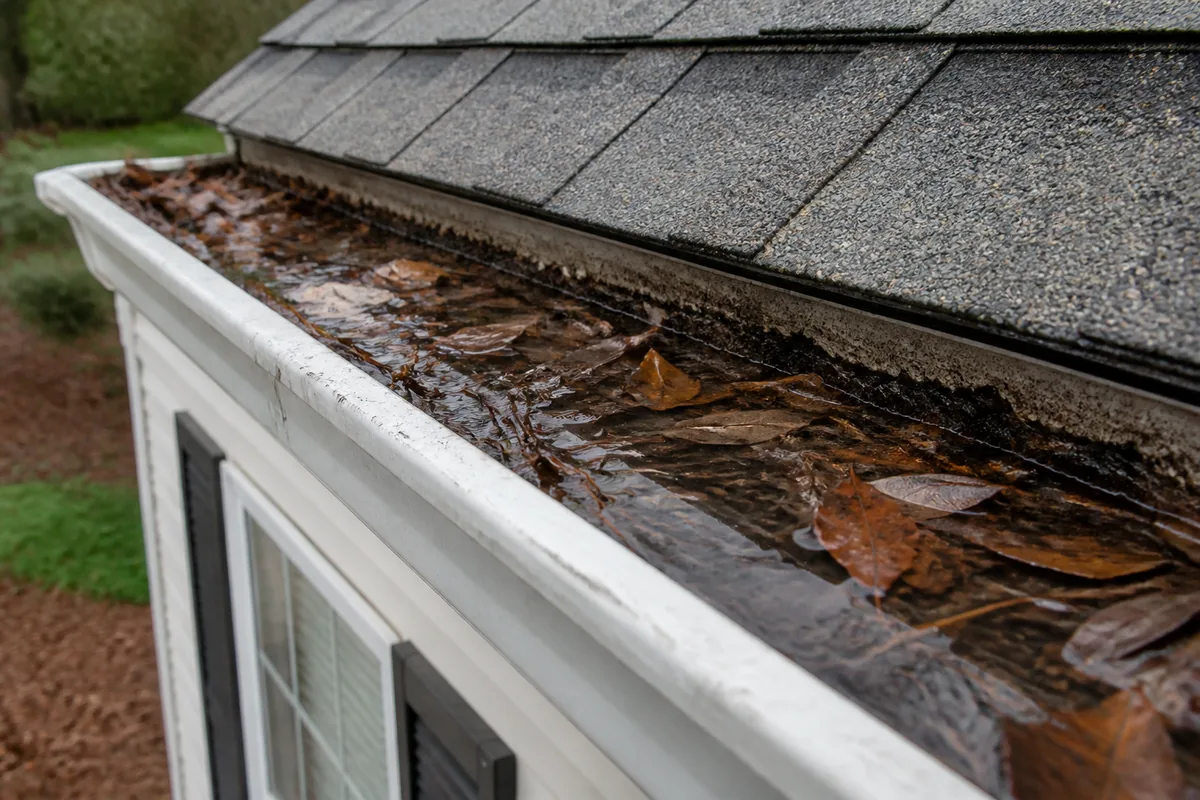
Treating bites helps after the fact. Reducing the mosquito population around your yard addresses the root cause.
Personal protection measures that work
- EPA-registered repellents containing DEET, picaridin, or oil of lemon eucalyptus (OLE) are the most effective options for personal protection. According to the CDC, DEET-based repellents remain the standard for preventing mosquito bites when used as directed.
- Wear long sleeves and long pants during peak biting hours, dawn and dusk.
- Avoid outdoor activity at dusk and dawn when mosquito activity is highest, particularly for species like Culex mosquitoes that transmit West Nile virus.
Eliminate standing water in your yard
Mosquitoes breed in standing water. Every container, low spot, or neglected corner that holds water after rain is a potential breeding site. Common sources include:
- Clogged gutters
- Birdbaths (change water weekly)
- Unused pots, buckets, or tarps
- Low-lying lawn areas that hold water after rain
- Children’s toys left outside
Eliminating breeding sources reduces the next generation of mosquitoes before they hatch. For a deeper look at yard-level control strategies, see our backyard mosquito control guide.
When to call a professional mosquito control company
Personal protection and source reduction help, but they have real limits, particularly in the Southeast, where the warm season runs long and standing water is abundant after summer storms.
“The Southeast doesn’t give you much of a break,” says Mike Vilchez, Quality Assurance Technical Field Trainer at Northwest Exterminating. “Georgia, the Carolinas, Alabama, those states have a mosquito season that stretches from spring into late fall. By the time homeowners feel like they’re getting ahead of it, the next rain event has reset everything.”
Professional mosquito control programs treat the areas where adult mosquitoes rest, dense vegetation, shaded shrubs, the undersides of leaves, and apply larvicide to water features that can’t be removed. Regular treatments maintain a barrier around your yard throughout the season rather than reacting to each population spike after rain.
Mosquito Bites in the Southeast: Why This Region Gets It Worse
A longer, harder season
Georgia, Tennessee, Alabama, North Carolina, and South Carolina all share one thing: a mosquito season that starts in March or April and doesn’t meaningfully taper until October or November. Summer heat and regular afternoon thunderstorms create ideal breeding conditions from June through September, with population peaks that follow every significant rain event.
For comparison, homeowners in the Midwest may deal with six to eight weeks of significant mosquito pressure. Southeast residents deal with six to eight months.
Species and peak biting patterns
The Southeast is home to several mosquito species that behave differently from each other:
- Aedes albopictus (Asian tiger mosquito): Aggressive daytime biter, breeds in very small amounts of water (bottle caps, leaf axils), common in urban and suburban yards across the Southeast.
- Culex quinquefasciatus (Southern house mosquito): Most active at dawn and dusk, associated with West Nile virus transmission, breeds in stagnant water including storm drains and neglected birdbaths.
- Aedes aegypti (Yellow fever mosquito): Present in coastal Georgia and the Carolinas, also a daytime biter.
The presence of aggressive daytime-biting species like Aedes albopictus is one reason Southeast residents get bitten even when they take precautions. These mosquitoes don’t wait for sunset.
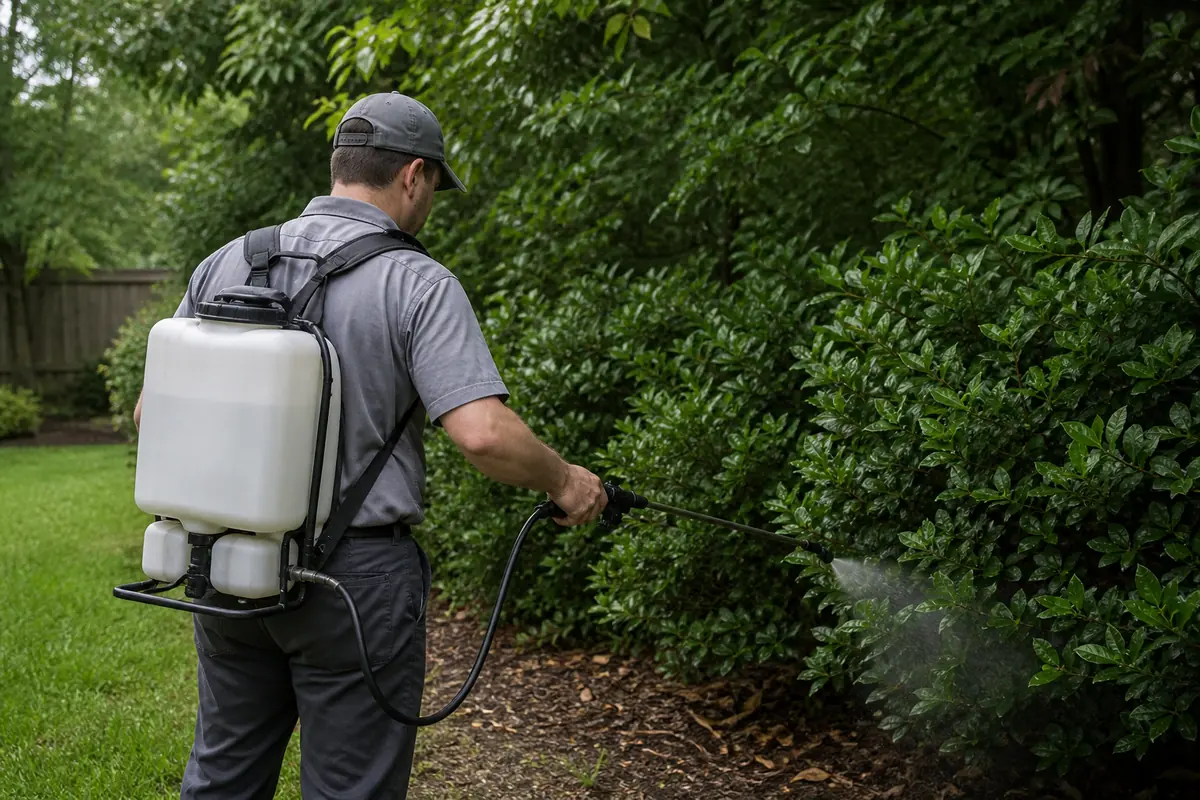
Tired of Getting Eaten Alive in Your Own Yard?
Knowing how to treat a bite helps in the moment. The better long-term answer is reducing the number of mosquitoes around your home so bites happen less often.
Northwest Exterminating’s mosquito control programs are built for the Southeast’s extended season, not designed around a three-month Midwest schedule. Regular yard treatments target mosquitoes where they live and breed, reducing populations throughout the season.
- See how our mosquito control programs work
- Get a free mosquito control quote
- Call (888) 466-7849 to speak with your local Northwest branch today.
Frequently Asked Questions About Mosquito Bites
Why do mosquito bites itch?
Mosquito bites itch because of your immune system’s response to mosquito saliva. When a mosquito feeds, it injects saliva containing foreign proteins into your skin. Your body releases histamine in response, which increases blood flow to the area and activates nearby nerve fibers, producing the characteristic swelling and itch.
How do you stop a mosquito bite from itching fast?
The fastest relief comes from three steps: wash the bite with soap and water, apply a cold compress for 10 minutes, and use 1% hydrocortisone cream. For multiple bites or a strong reaction, an oral antihistamine like cetirizine (Zyrtec) or diphenhydramine (Benadryl) addresses the histamine response more broadly.
How long do mosquito bites last?
Most mosquito bites resolve within 3 to 7 days in adults. The itching and swelling typically peak in the first 24 to 48 hours and then gradually fade. Children and people with sensitive immune systems may experience reactions lasting up to 10 days.
Can you be allergic to mosquito bites?
Yes. Skeeter syndrome is a hypersensitivity to mosquito saliva proteins that produces an exaggerated local reaction: significant swelling, warmth, and redness well beyond the bite site, sometimes accompanied by low-grade fever. It is more common in young children and elderly individuals. Prompt use of antihistamines can reduce the severity of the reaction.
What’s the fastest way to get rid of a mosquito bite overnight?
Apply 1% hydrocortisone cream to reduce inflammation, take an oral antihistamine to address itching system-wide, and avoid scratching. Keeping the bite covered with a bandage can help prevent scratching during sleep. By morning, most bites will be noticeably less swollen and irritated if left alone.
When should I see a doctor for a mosquito bite?
See a doctor if a bite shows signs of infection: spreading redness, red streaking, warmth, pus, or worsening swelling after 48 hours. Also seek medical attention if fever, severe headache, stiff neck, or muscle weakness develop within two weeks of significant mosquito exposure, as these may indicate a mosquito-borne illness.