
The Best Plants That Repel Mosquitoes in Florida (That Survive)
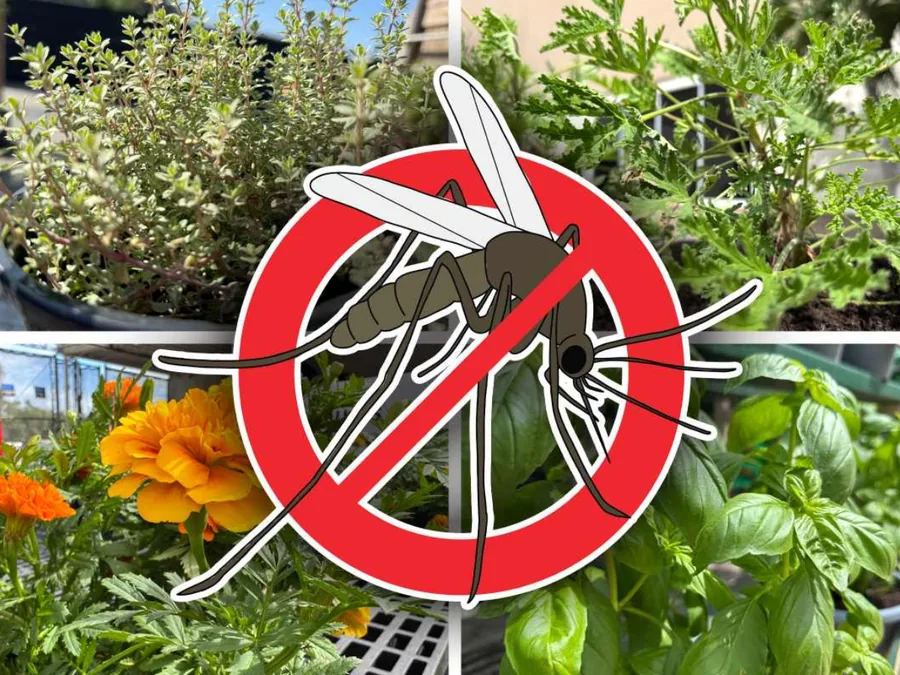
Quick answer: Several plants, including citronella grass, lemongrass, basil, and marigolds, produce compounds and oils that mosquitoes find offensive. Planted near patios, entryways, and seating areas, these species can reduce mosquito activity. They work best as one layer of a broader strategy, not as a standalone solution, particularly in South Florida’s heat and humidity.
If you spend any time outdoors in Naples, Fort Myers, or Miami, you already know what’s waiting for you the moment you step outside. Mosquito season in Florida runs nearly year-round, and the combination of heat, humidity, and standing water makes South Florida one of the most active mosquito environments in the country.
It’s no surprise that many homeowners are looking for natural solutions. Mosquito-repelling plants have gained real traction, not just as landscaping choices, but as a first line of defense. And several of them genuinely do help. The key is knowing which varieties actually hold up in South Florida’s conditions, how to use them effectively, and where their limits are.
This guide covers the plants worth planting, how to get the most out of them, and how to combine natural landscaping with professional mosquito control for results you can actually rely on.
Do Mosquito-Repelling Plants Actually Work?
The short answer: yes, but with important caveats.
Many plants produce natural oils and compounds that mosquitoes find irritating or disorienting. Citronella, lemongrass, and basil are among the most studied. Research from the University of Florida Institute of Food and Agricultural Sciences (UF/IFAS) confirms that certain plant-derived compounds do have repellent properties, but the key variable is exposure. A plant sitting in a pot releases very little of its active compounds into the surrounding air. You typically need to crush or bruise the leaves to activate the scent at a level that actually deters mosquitoes.
That distinction matters for setting realistic expectations. Repellent plants are a genuine tool. They are not a force field.
“Plants like citronella and lemongrass do have real repellent properties, but they need the right conditions to thrive here,” says Mike Vilchez, Quality Assurance Technical Field Trainer for the Northwest Family of Brands in South Florida. “South Florida’s heat and humidity are intense. Some of the plants that do well up north struggle here. Choosing the right varieties and placing them strategically makes a big difference in how effective they actually are.”
Best Mosquito-Repelling Plants for Florida Yards
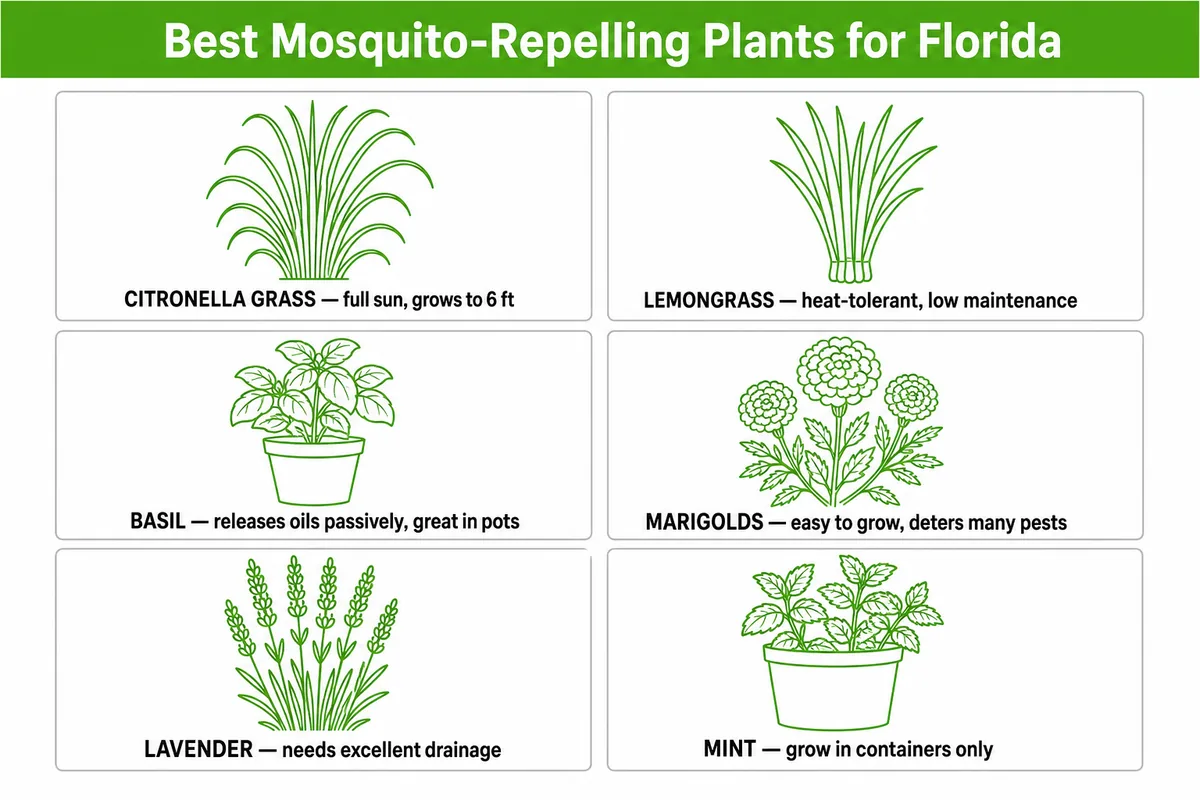
Not every plant marketed as a “mosquito repeller” is worth growing in South Florida. The ones below hold up in the heat, are relatively easy to maintain, and have documented repellent properties.
Citronella Grass (Cymbopogon nardus)
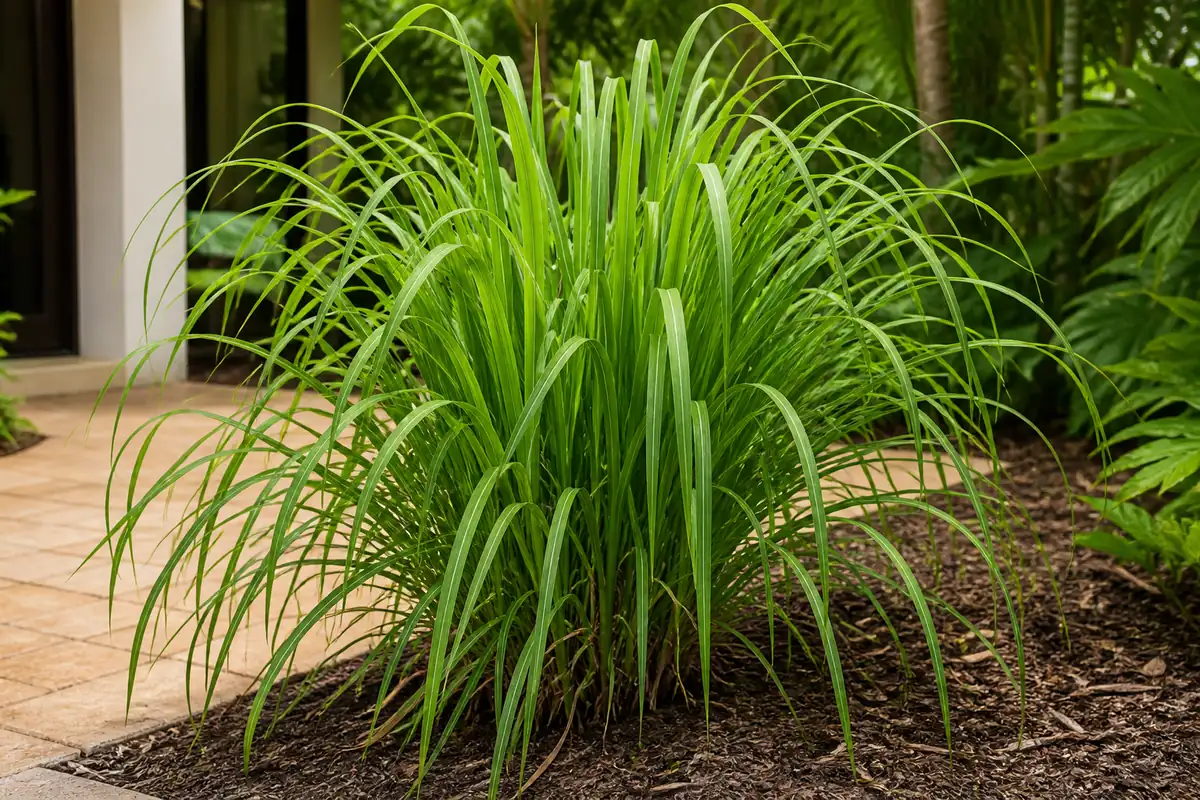
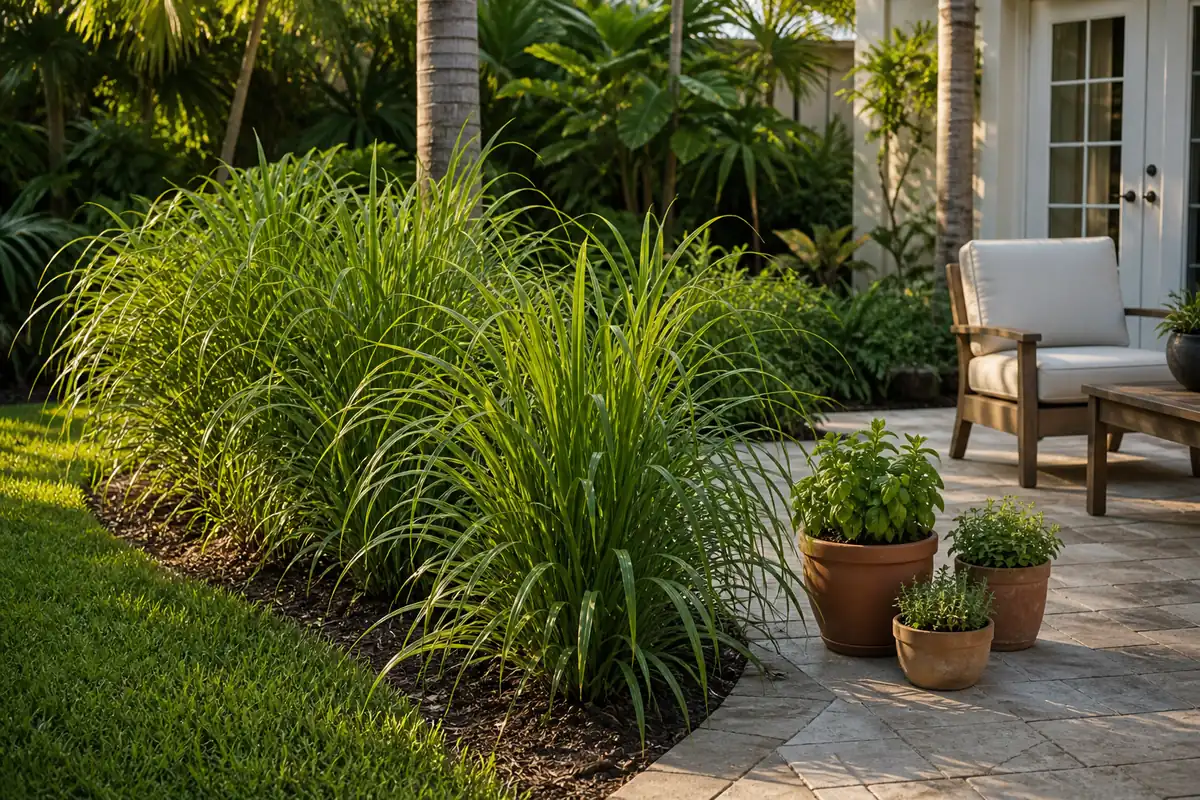
Citronella grass is the most widely recognized plant that repels mosquitoes, and for good reason. The natural citronella oil found in its leaves is a common active ingredient in commercial repellents. Planted in full sun with well-drained soil, citronella grass can grow up to six feet tall, making it useful as a natural border along patios or walkways.
In South Florida, citronella grass performs well as a perennial. It tolerates heat and tolerates humidity better than many of its alternatives. Crushing a few leaves before sitting outside releases a stronger concentration of the oil.
Lemongrass (Cymbopogon citratus)
Lemongrass is a close relative of citronella and shares many of the same repellent characteristics. It thrives in Florida’s full sun, tolerates sandy soil, and grows in dense, tall clumps that add structure to a landscape. As a bonus, it doubles as a culinary herb used widely in Southeast Asian cooking.
For South Florida homeowners, lemongrass is one of the most reliable choices. It establishes quickly, handles heat well, and requires minimal maintenance once it’s settled.
Basil (Ocimum basilicum)
Unlike most plants on this list, basil doesn’t require any crushing or bruising to release its repellent compounds. It emits its oils passively, which makes it one of the more practical options for container planting near seating areas, outdoor dining tables, and entryways.
Lemon basil and cinnamon basil tend to have a stronger scent profile and may offer more noticeable deterrence. Basil prefers moist, well-drained soil and regular watering, manageable in Florida with consistent irrigation.
Marigolds (Tagetes spp.)
Marigolds contain pyrethrum, a natural compound used in many commercial insect repellents. They’re also among the easiest plants to grow in Florida: tolerant of heat, widely available, and effective in borders and container gardens near outdoor living spaces.
Beyond mosquitoes, marigolds deter a range of other garden pests, which makes them a practical addition to any Florida yard. They prefer full sun and do best with well-drained soil.
Lavender (Lavandula spp.)
Lavender’s aromatic oils, particularly linalool, are well-documented as mosquito deterrents. The challenge in South Florida is that lavender prefers drier conditions and cooler nights. It can struggle with the region’s humidity and prolonged wet season.
If you’re in a well-drained area with good air circulation, lavender is worth trying. French lavender (Lavandula dentata) tends to handle humidity better than English varieties and is more likely to thrive in South Florida conditions.
Mint (Mentha spp.)
Mint’s strong volatile oils make it a reliable aromatic deterrent. The challenge is containment: mint spreads aggressively and can overtake garden beds quickly. Container planting is almost always the better approach.
Placed near doors, windows, and patio edges, potted mint releases a meaningful amount of its active scent, especially when brushed against. Peppermint and spearmint are both effective choices.
How to Use Repellent Plants the Right Way
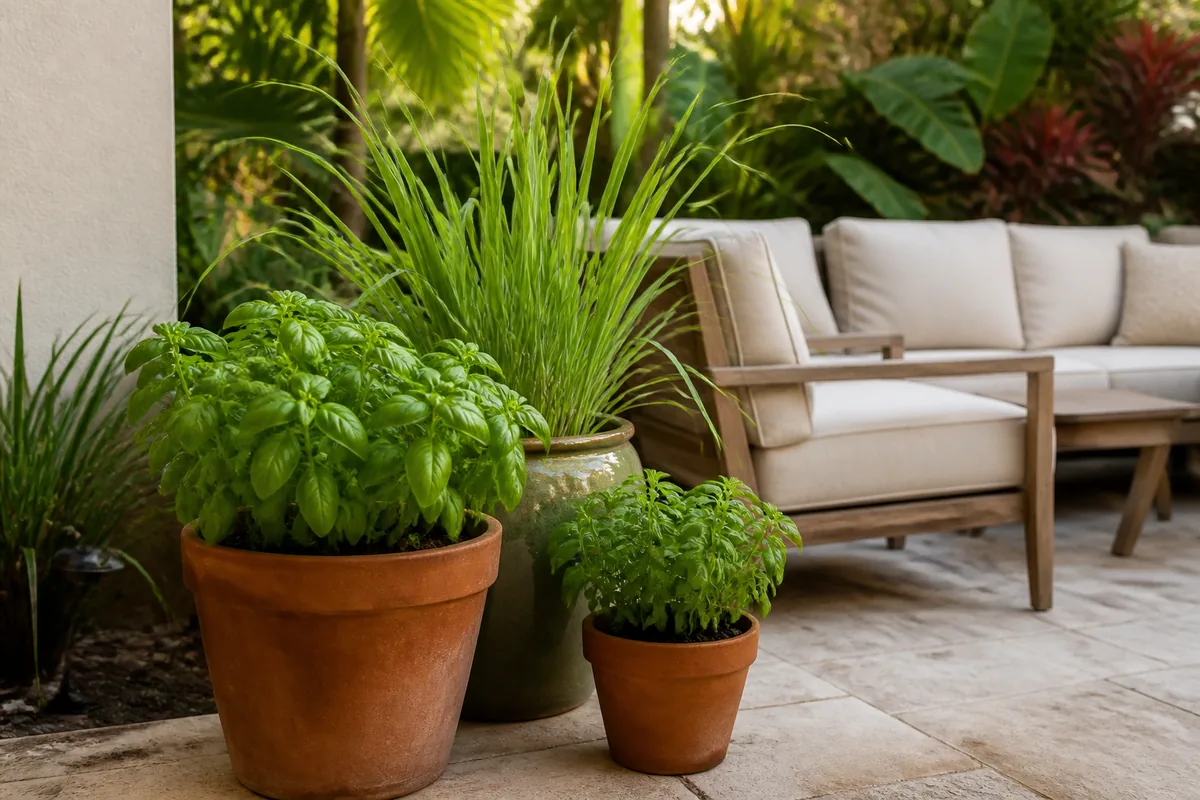
Planting mosquito-repelling varieties is only half the equation. Placement and maintenance determine how much difference they actually make.
- Position plants near where people gather. The closer repellent plants are to patios, entryways, and outdoor seating, the more exposure the scent creates. Plants at the far edge of a yard provide minimal benefit to people sitting on a porch.
- Activate the scent before heading outside. Rubbing or lightly crushing the leaves of citronella, lemongrass, basil, or mint releases far more of the repellent oils than an undisturbed plant. Make it a habit before you sit down outdoors.
- Mix varieties for layered coverage. Different plants release different compounds. Combining citronella or lemongrass as larger border plants with basil or mint in containers at ground level creates a more complete aromatic barrier.
- Keep plants healthy. Stressed, struggling plants produce fewer oils. Regular watering, appropriate fertilization, and pruning keep repellent plants operating at their best. In Florida’s summer heat, container plants may need daily watering.
- Eliminate standing water nearby. No plant eliminates the breeding conditions that cause mosquito populations to grow. Empty saucers under pots, address low-lying areas, and refresh birdbaths frequently.
What Plants Can’t Do
This is the part most gardening guides skip. Mosquito-repelling plants reduce exposure at close range. They do not eliminate mosquitoes from a yard, stop breeding in standing water, or protect against species that are highly aggressive or disease-carrying.
According to the CDC, mosquitoes are among the most dangerous disease-transmitting insects in the world, capable of spreading West Nile virus, dengue fever, and other pathogens. That risk context matters when evaluating how much protection a planted border actually provides.
Plants also can’t treat the larval stage. Mosquito populations grow from standing water, not from open air. Even a yard full of citronella grass will continue to produce mosquitoes if water-holding areas aren’t addressed.
“Plants are a valuable part of a natural yard strategy, but they work best alongside treatment, not instead of it,” says Mike Vilchez, Quality Assurance Technical Field Trainer for the Northwest Family of Brands in South Florida. “When customers tell me they want to keep things as natural as possible, I support that. We talk about how to use plants and landscaping together with targeted control so they get real results without compromising their goals for their yard.”
How to Combine Plants With Real Mosquito Control
For homeowners in South Florida who want a natural-leaning yard without sacrificing effectiveness, the best approach combines smart landscaping with targeted professional treatment.
- Layer natural and professional tools strategically. Use repellent plants near high-traffic outdoor areas where they make the most immediate impact. Use professional mosquito control to address the broader yard, including resting areas and breeding sites that plants can’t reach.
- Consider no-spray options. Northwest’s In2Care mosquito stations use a biological approach that appeals to homeowners looking to minimize chemical applications. Stations attract egg-laying mosquitoes and use a larvicide-laced medium that mosquitoes carry back to additional breeding sites, working continuously between service visits.
- Address source reduction. A technician can identify standing water and breeding areas that aren’t obvious to the untrained eye. Larval control at the source prevents the next generation of mosquitoes before they emerge.
- Commit to a seasonal schedule. Professional mosquito control in Florida is most effective as a recurring program, not a one-time treatment. Barrier sprays remain effective for 21 to 30 days. A seasonal plan covering peak mosquito activity gives consistent protection that a single application cannot provide.
Growing Mosquito-Repelling Plants in South Florida
South Florida’s climate, defined by intense heat, high humidity, a long wet season, and mild winters, creates specific challenges for some of the most popular repellent plants.
Lemongrass and citronella grass are the most reliable performers in Naples, Fort Myers, and Miami. Both are heat-tolerant, established as perennials in South Florida, and widely available at local nurseries. Marigolds and basil also perform consistently well and are easy to replace if a seasonal planting doesn’t survive a particularly wet stretch.
Lavender is the most challenging. It prefers dry conditions and struggles in prolonged humidity. If you want to try it, choose French lavender, plant it in a raised bed or container with excellent drainage, and position it where it gets strong airflow.
Mint is straightforward but requires container management. Without containment, it becomes invasive quickly in Florida’s growing conditions.
For guidance specific to your region, UF/IFAS extension resources offer plant-by-plant detail on Florida suitability, including soil types and seasonal timing for South Florida zones.
Take Back Your Yard This Season
Mosquito-repelling plants are worth planting. Citronella grass, lemongrass, basil, and marigolds all belong in a South Florida yard: they contribute real deterrence, they’re low-maintenance once established, and they make outdoor spaces more pleasant. Used strategically near patios and entryways, they add a genuine layer of protection.
But if mosquitoes are keeping you indoors, plants alone won’t solve the problem. Northwest serves homeowners across Naples, Fort Myers, Miami, and the broader South Florida service area with professional mosquito control programs designed around how mosquitoes actually behave in this climate.
Ready to get serious about mosquito control? Request a free estimate and find out what a seasonal plan looks like for your property.
- See how our mosquito control programs work
- Get a free mosquito control quote
- Call (855) 789-9807 to speak with your local Northwest branch today.
Frequently Asked Questions About Mosquito-Repelling Plants
Do mosquito-repelling plants actually work?
Yes, with limitations. Many plants produce natural oils, such as citronella, linalool, and pyrethrum, that mosquitoes find deterring. Research from UF/IFAS confirms these compounds have real repellent properties. However, most plants release these oils in small amounts when undisturbed. Crushing or brushing leaves increases effectiveness significantly. Plants reduce nearby mosquito activity; they do not eliminate populations or protect a full yard.
What plants repel mosquitoes in Florida?
The most effective and climate-appropriate options for Florida yards include citronella grass, lemongrass, basil, marigolds, mint, and lavender (with caveats for South Florida humidity). Citronella grass and lemongrass are the strongest performers in the heat and humidity of Naples, Fort Myers, and Miami. Basil and marigolds are easy to grow and maintain throughout the season.
What is the best plant to keep mosquitoes away?
Citronella grass and lemongrass are consistently cited as the most effective options, both in research and in real-world application. Both contain high concentrations of natural repellent oils, grow well as perennials in South Florida, and can be positioned as border plants near patios and seating areas. For smaller-scale use in containers, basil is a strong choice because it releases repellent oils passively without requiring leaf-crushing.
Do citronella plants repel mosquitoes?
Yes. Citronella grass (Cymbopogon nardus) contains natural citronella oil, the same compound used in commercial candles and spray repellents. The plant itself does emit some repellent scent when undisturbed, but the effect is more pronounced when leaves are bruised or crushed. Planted as a border near outdoor living areas in full sun with well-drained soil, citronella grass is one of the most practical repellent plants for Florida yards.