
Fall Pest Control for Florida Gardens: Keep Your Plants Healthy and Bug-Free
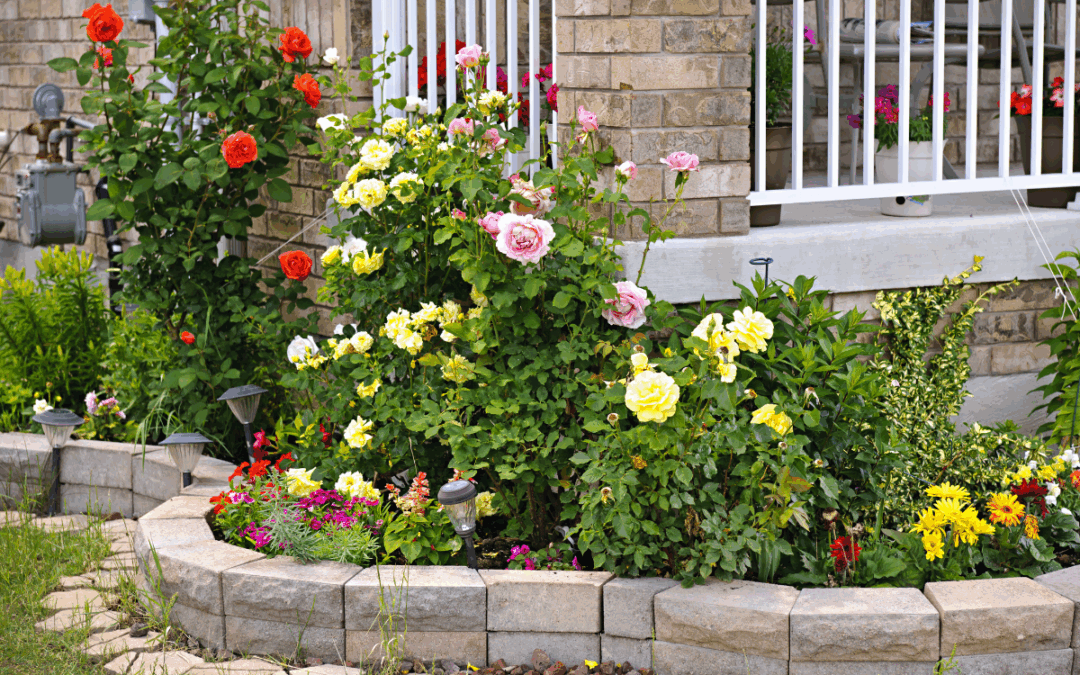
Florida’s fall gardening season is a rewarding time, offering a break from the summer heat. Mild temperatures also create ideal conditions for pests. Protecting your vegetable patches, flower beds, and ornamental plants is key to maintaining a healthy, productive garden. This guide highlights common fall garden pests and provides responsible strategies to keep them in check, ensuring your garden remains a vibrant oasis.
Common Fall Garden Pests in Florida
Caterpillars and Worms
Species like armyworms, loopers, and hornworms are active in the fall. They can defoliate plants, skeletonize leaves, and bore into fruits like tomatoes. Their camouflage makes early detection challenging, so frequent inspections are important.
Aphids and Whiteflies
These sap-sucking insects congregate on new growth or the undersides of leaves. They drain nutrients, causing yellowing leaves and stunted growth, and excrete honeydew, which can lead to sooty mold.
Stink Bugs and Leaf-Footed Bugs
Using piercing-sucking mouthparts, they feed on fruits, vegetables, and seeds. Feeding damage can cause discolored, sunken spots and reduce crop quality. Large populations can significantly impact yields.
Responsible Pest Management Strategies
Promote a Healthy Garden Environment
Strong, healthy plants resist pests better.
- Improve Soil Health: Add compost and organic matter for essential nutrients.
- Proper Watering: Water deeply at the base to avoid wet foliage.
- Select Resistant Varieties: Choose plant varieties resistant to local pests.
Implement Physical and Mechanical Controls
Hands-on methods are often the most effective first step.
- Regular Inspections: Check your garden daily for signs of pests.
- Handpicking: Remove larger pests like caterpillars and stink bugs.
- Use Barriers: Floating row covers protect seedlings from pests like whiteflies.
Encourage Beneficial Insects
“Good bugs” like ladybugs, lacewings, and parasitic wasps prey on garden pests. Plant herbs like dill, fennel, and cilantro to attract these natural allies.
Keeping Your Fall Garden Healthy
Vigilance, prevention, and creating a balanced ecosystem are the best ways to protect your garden this fall. Focus on soil health, physical barriers, and beneficial insects to reduce pest pressure naturally.
If fall garden pests become persistent despite your efforts, a professional can assess your garden, identify the problem, and provide a tailored management plan. Keep your plants thriving and bug-free by contacting a certified pest control expert today.