Jul 30, 2025 | Florida Snake Control
Living in Bonita Springs means enjoying warm weather, lush greenery, and vibrant wildlife. However, one aspect of Florida’s natural environment can cause concern for homeowners, snakes. While most snakes are non-venomous and play a critical role in controlling pests, it’s natural to want to keep them out of your living spaces. Fortunately, with some simple snake prevention steps, you can significantly reduce the chances of encountering a snake in or around your home.
Snake Prevention Tips For Bonita Springs
Seal Up Entry Points
Snakes are incredibly flexible and can squeeze through surprisingly small gaps. Even openings as small as a quarter of an inch can provide access to your home. Preventing their entry is one of the most effective defenses against unwanted visitors.
Tips for Sealing Your Home
- Inspect Your Home’s Exterior: Walk around your property and look for cracks, gaps, and holes in the foundation, walls, and along door frames.
- Seal Cracks and Holes: Use caulk, weatherproof sealant, or steel mesh to close gaps around windows, doors, and utility pipes.
- Install Door Sweeps: Add door sweeps to close gaps under exterior doors. This simple step can block off one of the easiest access points for snakes.
- Check Vents and Screens: Ensure crawlspace vents, attic openings, and other potential entry points are covered with fine-mesh screens.
By keeping your home sealed tight, you prevent snakes and other small critters from sneaking inside.
Clear Yard Clutter
Your yard can be a haven for snakes if it offers plenty of hiding spots and shade. Woodpiles, tall grass, and overgrown shrubs create the perfect environment for snakes to shelter or hunt for food.
Yard Maintenance Tips
- Trim Vegetation: Regularly cut your grass and trim bushes to eliminate potential hiding spots. Snakes prefer areas where they can move undetected.
- Remove Debris: Clear away piles of leaves, wood, or rocks. If you need to keep firewood, store it at least 12 inches off the ground and away from your home.
- Space Out Plants: Avoid dense planting near your house. Leave some space between shrubs and your home’s foundation to reduce hiding areas.
By making your yard less snake-friendly, you can encourage them to move on to less manicured locations.
Remove Food Sources
Snakes are often drawn to properties because they follow their food. Rodents, insects, and other small animals all attract snakes. Reducing these prey animals around your home will make it less enticing for snakes.
Steps to Eliminate Food Sources
- Rodent Control: Check for signs of rodents, such as droppings or chew marks, and call a rodent control professional if necessary.
- Secure Trash: Keep garbage bins tightly sealed to avoid attracting rodents and insects.
- Eliminate Standing Water: Standing water can attract amphibians and insects, which in turn attract snakes. Regularly empty items like buckets, birdbaths, or unused containers that collect water.
- Pet Food and Birdseed: Avoid leaving pet food or birdseed outside, as these can also attract small animals that snakes prey on.
Taking the time to eliminate food sources reduces the chances of snakes hunting near your home.
Secure Crawlspaces and Garages
Cool, shaded areas like crawlspaces and garages are prime locations where snakes might choose to hide. Without proper precautions, these areas can become long-term residences for snakes.
How to Snake-Proof These Areas
- Close Off Vents: Cover crawlspace and attic vents with wire mesh screens to prevent entry while maintaining airflow.
- Install Garage Door Seals: Check the bottom of your garage door for gaps and replace or install rubber seals if needed.
- Declutter: Remove stored items like boxes or unused equipment scattered on the floor. Keep storage areas organized to eliminate potential hiding spots.
- Monitor Doors and Windows: Always keep garage doors and windows closed when not in use, even if only for a short time.
Regularly inspecting and securing these spaces keeps them off-limits to snakes and other pests.
Snakes may be part of life in Bonita Springs, but they don’t have to be part of your home. Practicing good snake prevention methods like sealing entry points, clearing yard clutter, removing food sources, and securing shaded areas can go a long way. If snakes are still showing up, call a pest control company near you for expert snake removal help and peace of mind.

Jul 29, 2025 | Good Deed Team
More than 70 passionate teammates from Northwest Exterminating and Rollins Inc. came together to pack 500 backpacks for students at Apalachee High School. What’s even more remarkable is they accomplished this task within 30 minutes.
On Tuesday, July 22, Rollins Inc. transformed into a bustling hub for giving. Music played, teammates sang, and laughter filled the space as determined teammates filled hundreds of backpacks with school supplies.
Northwest Exterminating’s commitment to community service was on full display as teammates partnered with Rollins Gives, the philanthropic arm of Rollins Inc., to host the event. Northwest’s Good Deed Team Co-Director, Kristen Milligan, assisted in organizing the effort alongside Rollins Corporate Philanthropy Coordinator Chandler Taylor. Together, they created an assembly line workflow that maximized speed and efficiency, allowing volunteers to make a meaningful impact.
Nearly a dozen Northwest teammates arrived early to unpack supplies and organize workstations, while a steady stream of Rollins teammates joined in throughout the afternoon.
Once the backpacks were filled, teammates jumped into phase two: preparing the donations for delivery. Everyone pitched in to help assemble boxes and transport them to the loading dock. That’s when the downpour of rain began, but that didn’t dampen the team’s determination. Teammates successfully loaded the vehicle bound for Barrow County.
Northwest teammates delivered the backpacks on Friday July 25, just in time for the Barrow County School District’s Back to Bold event, a community initiative that provides students with school supplies, clothing, and even haircuts, thanks to support from local churches, civic groups and businesses.
For Apalachee High School, this support holds extra meaning. In 2024, the school community experienced an unthinkable tragedy when a school shooting claimed the lives of two teachers and two students. This year’s donations are more than just supplies—they are a reminder to students and staff that they are supported, seen, and never alone.
Rollins Gives continues to foster a culture of service and compassion, hosting at least one volunteer opportunity each quarter with a focus on Science & Education and Health & Wellness. The partnership between Northwest Exterminating’s Good Deed Team and Rollins Gives is a powerful testament to their shared commitment to uplifting the communities they serve together.
Jul 28, 2025 | Commercial
Running a business means managing countless priorities—but pest control shouldn’t be overlooked. Pests can damage your reputation, disrupt operations, and hurt your bottom line. Routine commercial pest control is essential to protect your business, ensure compliance, and avoid costly issues down the line. Here are the top reasons your business would benefit from commercial exterminators.
The Benefits of Commercial Exterminators
Protect Your Business’s Reputation
Your reputation is one of your greatest assets, and pests can seriously damage it. Imagine how quickly word would spread if a customer spotted rodents, cockroaches, or other pests in your establishment. Negative reviews and social media posts can travel far, tarnishing your brand’s image and driving away new and returning customers.
First Impressions Matter:
Customers and clients judge your business from the moment they step in. A clean, pest-free environment signals professionalism and attention to detail, while any sign of pests can create doubts about the overall quality of your services or products.
Beyond Customers
It’s not just customers who notice pests. Employees and business partners might also question your working environment, leading to potential morale or partnership issues. Regular pest control ensures everyone who interacts with your business sees it as a clean and credible operation.
Ensure Health and Well-being
Pests often carry diseases that can pose severe health risks to employees and customers alike. Rodents, for instance, can spread hantavirus and salmonella, while cockroaches can trigger allergies and asthma. Without routine pest control, businesses risk creating an environment where these health hazards flourish.
Food and Beverage Industry Concerns
For restaurants, cafes, or any business dealing with consumables, pest control is paramount. A single pest-related incident could lead to contaminated products, health code violations, or worse, someone getting sick.
Employee Well-Being
Even offices and non-food-related businesses need to prioritize pest control. A rodent or insect infestation can lead to health concerns, unsanitary working conditions, and frustrated employees, ultimately affecting productivity.
Routine inspections and extermination services by commercial pest control professionals eliminate these risks and ensure your business remains a protected space for everyone.
Prevent Costly Infestations With Commercial Exterminators
By the time you notice pests, the damage may already be extensive. A small issue like one or two mice in your storage area can quickly escalate into an infestation if left unchecked. That’s where regular pest control visits come in.
Tackling Problems Early
Pest control experts are trained to spot signs of pest activity long before you would notice them. With regular visits, they can catch and address potential problems early, preventing minor issues from turning into expensive infestations.
Protect Your Assets
Pests don’t just impact health; they can also cause physical damage. Termites can compromise the structure of your building, rodents can chew through electrical wiring (leading to potential fire hazards), and stored goods can be destroyed by insects. Routine pest control maintenance protects your assets, saving you significant repair or replacement costs.
Maintain Compliance with Regulations
Depending on your industry, pest control may not just be a best practice; it could be a legal requirement. Businesses in the food, hospitality, and healthcare sectors are held to high standards of hygiene and cleanliness with regular inspections from local health departments.
Avoid Penalties and Fines
Failure to meet pest control regulations can result in costly fines, temporary closures, or even license revocation. Even outside of required industries, a single pest sighting during an unrelated municipal or fire inspection could lead to warnings or citations.
Stay One Step Ahead
Partnering with a commercial exterminator ensures your business is always prepared to pass inspections. Experienced pest control teams know the standards for your industry and tailor their services to ensure full compliance.
Develop a Proactive Pest Control Strategy
One-time extermination services might fix an immediate issue, but they won’t address the root causes of pest problems. Regular visits from commercial exterminators help build a proactive pest management strategy that minimizes risk and targets specific vulnerabilities unique to your business.
Customized Solutions
Every business is different. Pest control professionals assess your property and design preventative measures tailored just for you. This might include seasonal treatments, advice on sanitation practices, or structural modifications to eliminate entry points or breeding grounds.
Long-Term Cost Savings
Prevention is always more cost-effective than repeatedly reacting to infestations. Regular pest control from a commercial pest control company near you is an investment that saves you from the high costs associated with emergency exterminations, repairs, or lost business.
Pests in a business aren’t just a nuisance—they threaten your reputation, well-being, and bottom line. Routine visits from commercial exterminators help maintain a clean, compliant space that customers and employees can trust.
Jul 23, 2025 | Florida Termite Control
Fort Myers’ warm, coastal environment makes it a perfect breeding ground for termites, and drywood termites are among the most destructive species in the area. These silent invaders don’t need soil to survive, allowing them to infest wooden structures like walls, furniture, and flooring. Their hidden colonies can cause thousands of dollars in damage before you even spot the problem.
Drywood Termites and Their Hidden Damage
Why Fort Myers Homes Are at Risk
With its consistent warmth and humidity, Fort Myers offers ideal conditions for drywood termites to thrive year-round. Homes with exposed wooden features like decks, siding, or furniture are especially vulnerable to infestations.
Perfect Conditions for Infestations
- Year-Round Warmth allows termites to remain active and spread quickly, unlike in areas with colder winters.
- Swarming Season: Termites swarm to establish new colonies, often choosing nearby structures. Swarmers are attracted to light, so spotting discarded wings around windows or doorframes is an early clue.
- No Ground Contact Needed: Unlike subterranean termites, drywood termites live entirely inside the wood they consume, bypassing the ground and silent tunneling systems that typically reveal termite activity.
For homeowners in the region, staying proactive is key to avoiding long-term structural damage.
Hard-to-Spot but Devastating
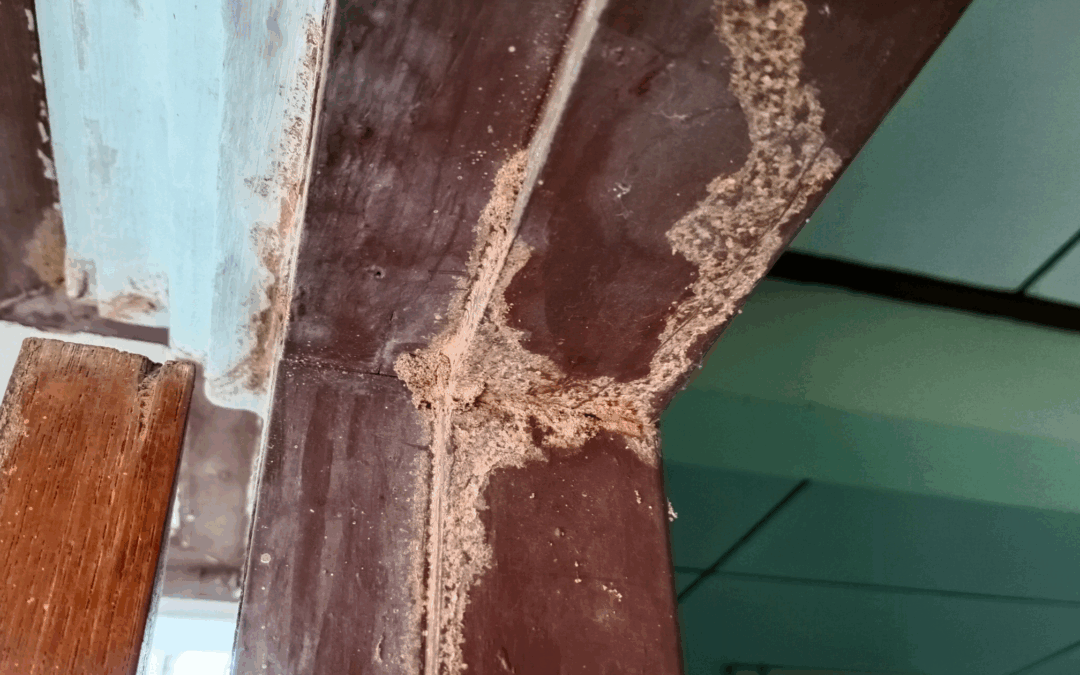
Drywood termites are particularly dangerous because they live and feed within the wood itself, leaving no visible tunnels like their subterranean counterparts. Their infrequent visibility often means the damage is severe by the time it’s found.
Signs of an Infestation
Look for subtle clues that termites may be present in your home, such as:
- Frass (Termite Droppings): Small, pellet-like droppings with a distinctive six-sided shape, often found near infested wood. Discarded Wings: Found around windows, doors, or light fixtures.
- Hollow-Sounding Wood: Tap on wooden areas; if they sound hollow or weak, it could indicate internal damage.
- Warped Doors or Windows: Damaged wood can swell, making doors or windows difficult to open.
Because their colonies remain hidden within the wood, professional inspections are often the best way to confirm termite activity early.
Protecting Your Home from Drywood Termites
Prevention is always easier and more affordable than repairs. Taking proactive steps to safeguard your home can go a long way in avoiding termite issues altogether.
Prevention Tips
- Seal Gaps and Cracks: Inspect for openings in walls, roofing, and around utility lines, then close them with caulk or other sealants.
- Treat Wood Surfaces: Paint, seal, or varnish exposed outdoor wood, such as decks or siding, to make it less attractive to termites.
- Inspect Furniture: Check used furniture closely for termite signs before bringing items into your house.
- Clean Regularly: Remove leftover wood scraps, cardboard boxes, or other clutter from around your home that may provide food or shelter for termites.
- Schedule Regular Inspections: Professional assessments from termite control experts help detect any termite presence early and prevent damage from spreading.
Take Action to Protect Your Fort Myers Home
Drywood termites may be hidden, but their impact can devastate your home’s integrity and your wallet. The key to combating these invaders is understanding the risks, knowing the signs, and acting quickly when issues arise.
By staying proactive with sealing, inspections, and professional pest control, you can keep your Fort Myers home safe from these silent destructors. Invest in termite prevention today with a pest control company near you and enjoy peace of mind for years to come!
Jul 21, 2025 | Snake Control
Tennessee’s picturesque landscapes are a joy to live in, filled with rolling hills, lush greenery, and thriving wildlife. But with all this natural beauty comes one thing every homeowner dreads encountering too close to home: snakes. While most snakes you’ll find here are harmless and even beneficial as natural pest controllers, you probably don’t want them turning your home into their habitat. Fortunately, there are simple, effective ways to keep snakes out of your living spaces. Follow these practical tips to snake-proof your Tennessee home and enjoy peace of mind.
How To Snake-Proof Your Tennessee Home
Seal the Gaps
Snakes are experts at finding their way inside through even the smallest openings. Cracks as narrow as a quarter inch can become their point of entry, so it’s crucial to inspect your home and seal gaps thoroughly.
How to Snake-Proof Your Home’s Exterior
- Inspect Exterior Walls and Foundations: Conduct a detailed walk-around, looking closely at cracks in the foundation, walls, and even utility line entry points.
- Use Caulk or Weatherproof Sealants: For small gaps and cracks, seal them up with caulk or silicone-based products to create a pest-proof seal.
- Install Door Sweeps: If light shines through beneath your doors, that’s likely a big enough space for a snake. Install rubber door sweeps under exterior doors to block their path.
- Cover Vents with Screens: Many homes have attic vents and crawlspace openings. Use fine-mesh wire screens to cover these areas while keeping ventilation intact.
Securing these entry points doesn’t just deter snakes; it also prevents insects and rodents from getting inside.
Tidy Up the Yard
Your yard can unintentionally invite snakes if it offers prime hiding spots. Snakes are drawn to areas where they can safely rest and hunt prey. Keeping your outdoor space tidy goes a long way toward making your property unappealing to these slithering creatures.
Yard Maintenance Tips
- Keep Grass Trimmed: Tall grass gives snakes plenty of cover to move around unseen. Mow your lawn frequently, especially near your home’s foundation and fences.
- Clear Woodpiles and Debris: Firewood and leaf piles are warm, sheltered spots snakes love to hide in. Store firewood at least 12 inches off the ground and keep it far from the house. Remove leaves, rocks, and other debris regularly.
- Trim Plants and Bushes: Dense shrubbery close to your home can create a perfect hiding place. Maintain a well-trimmed yard and ensure there’s a clear gap between plants and your home’s walls.
- Avoid Ground-Level Clutter: Tarps, discarded materials, or even outdoor toys lying around make for inviting snake shelters. Stow items neatly in sheds or off the ground.
A clutter-free and well-maintained yard sends a clear message to snakes that they won’t find a cozy home here.
Steps to Deter Prey
- Rodent Control: Snakes love to feast on mice and rats. Look for signs of rodent activity (gnaw marks, droppings) and eliminate infestations promptly using traps or professional rodent control services.
- Secure Trash Bins: Rats and other pests scavenging through open garbage can attract snakes. Use tightly sealed lids on trash bins.
- Avoid Leaving Pet Food Outdoors: Pet kibble left outside overnight can attract both rodents and snakes. Feed pets indoors or pick up food bowls promptly.
- Eliminate Standing Water: Stagnant water in gutters, flowerpots, or birdbaths attracts both insects and amphibians, which snakes prey on. Regularly empty or fix areas where water collects.
Reducing the food supply makes your property far less appealing for hungry snakes.
Secure Sheds, Garages, and Crawlspaces
Cool, dark spaces like garages, sheds, and crawlspaces are highly attractive to snakes. Without proper precautions, these areas can become their go-to hideaways.
Tips to Snake-Proof Storage Areas
- Close Gaps Around Doors: Like your home’s main doors, garage and shed doors can have gaps underneath. Install new weather-sealing strips to block them.
- Screen Openings: Cover crawlspace vents, attic openings, and other access points with durable wire mesh screens to keep larger pests out while retaining airflow.
- Declutter Storage Areas: Avoid clutter in sheds and garages. If items are stored on the floor, consider using shelves to keep them elevated and reduce hiding places.
- Keep Doors Shut: Make it a habit to close garage or shed doors when not in use. Leaving them open, even briefly, can invite snakes to slip inside unnoticed.
Regular inspections of these areas can help catch any issues before they escalate.
Keep Snakes Out—and Peace of Mind In
Snake-proofing your Tennessee home doesn’t have to be overwhelming. Simple steps like sealing entry points, clearing yard clutter, removing food sources, and securing storage areas can make a big difference. And if snakes keep showing up, calling a wildlife services or pest control company near you can give you the expert support—and peace of mind—you need.