Dec 5, 2024 | Florida Pest Control
Living in beautiful Broward County comes with its perks—sunshine, beaches, and vibrant neighborhoods. However, it also means dealing with a variety of pests that can invade your home. Understanding the common pest problems in the area can help you take proactive measures to keep your home pest-free. Here’s what every homeowner should know about common pests in Broward!
A Guide to Common Pests in Broward
1. Ants: The Persistent Invaders
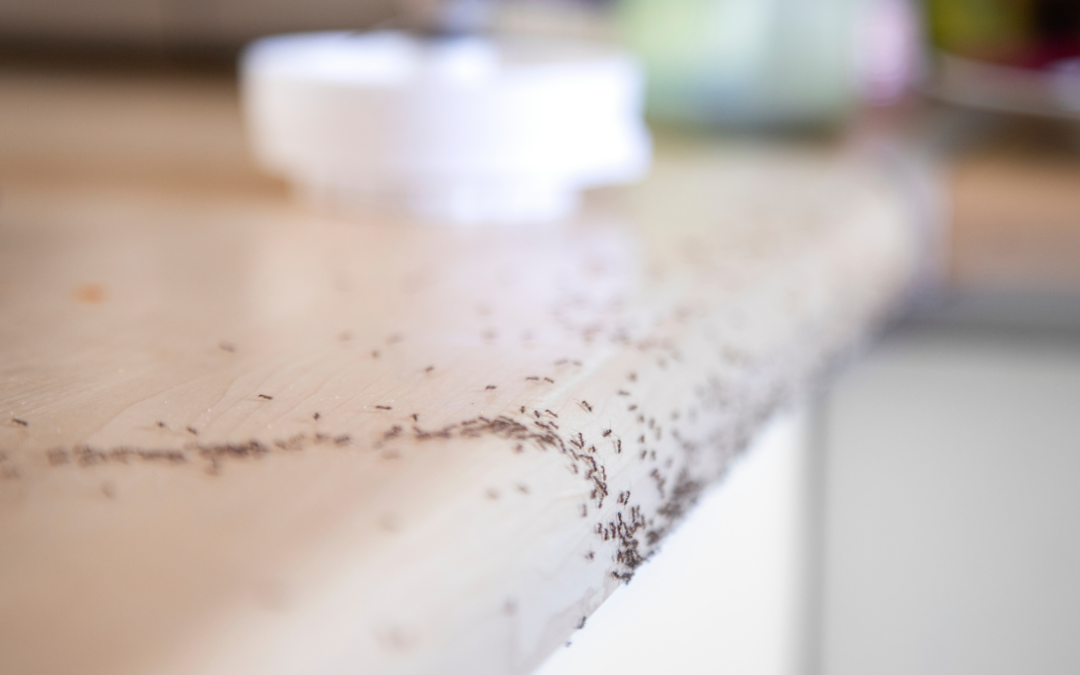
Ants are among the most common pests in Broward. Whether it’s fire ants, sugar ants, or carpenter ants, these little critters can be quite a nuisance. They often enter homes in search of food or shelter. To keep them at bay, make sure to seal up any food in airtight containers, clean up spills promptly, and seal cracks around your home.
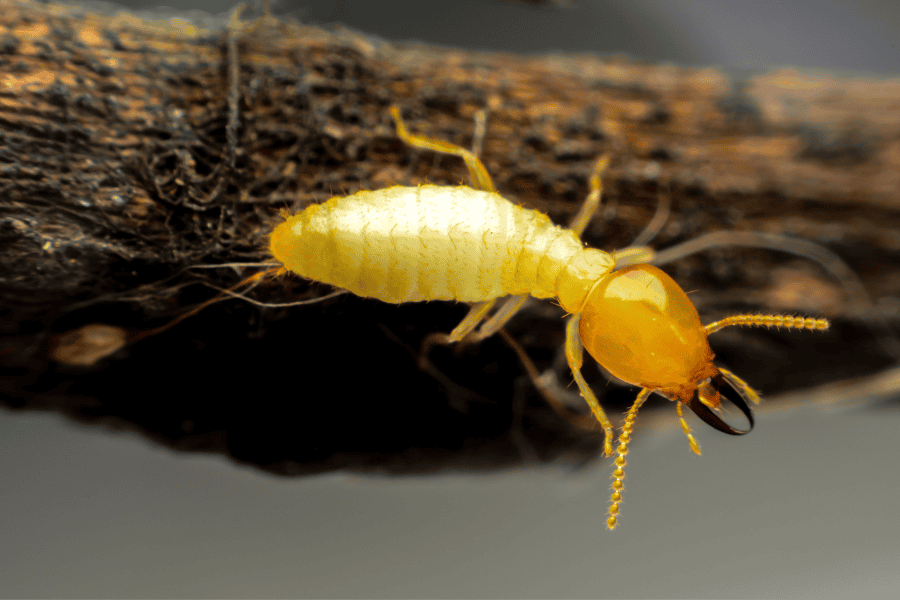
2. Termites: The Silent Destroyers
Termites can cause significant damage to your home if not caught early. In Broward, the warm climate makes it an ideal environment for these wood-eating insects. Regular inspections by a pest control professional can help you catch any termite activity before it turns into a major problem. Look for signs like mud tubes or discarded wings around your home.
3. Rodents: Unwanted Houseguests
Rodents, including rats and mice, are another common issue. They can enter through small gaps and reproduce quickly, leading to larger infestations. Keeping your home clean and clutter-free is key. Make sure to store food in sealed containers and repair any holes in walls or foundations to deter these furry intruders.
4. Cockroaches: The Resilient Survivors
Cockroaches thrive in warm, humid environments, making Broward an ideal habitat. These pests are not only creepy but can also pose health risks. To prevent an infestation, keep your kitchen and dining areas clean, fix leaky pipes, and ensure all food is stored properly.
5. Mosquitoes: The Outdoor Nuisance
While mosquitoes are more of an outdoor issue, they can become a significant problem during certain times of the year. Standing water is a breeding ground for these pests, so it’s important to eliminate any stagnant water around your yard. Consider using repellents or citronella candles when enjoying your outdoor space.
6. Fleas and Ticks: Pet Owners Beware
For pet owners, fleas and ticks can be a major concern. These pests can hitch a ride on your furry friends and quickly infest your home. Regular grooming and using preventative treatments for your pets can help deter these pests. Additionally, vacuuming frequently and washing pet bedding can minimize the risk of an infestation.
Being aware of these common pests in Broward is the first step toward prevention. Regular maintenance can go a long way towards keeping your home pest-free. If you find yourself facing a pest issue, don’t hesitate to reach out to a local pest control professional. They can provide tailored solutions to keep your home pest-free and comfortable.

Nov 29, 2024 | Pest Control
If you’ve been noticing small signs of unwelcome guests in your home, you may be wondering, “Do I need pest control services?” While some pest issues can seem minor, any pest problem left unchecked can lead to serious consequences. From property damage to health risks, pests can cause problems that are often hard to manage on your own. In this blog, we’ll walk you through the common signs that you might need residential pest control services and explain how hiring a pest control company can help protect your home and family.
Signs You Need Pest Control Services in Your Home
A pest problem isn’t always easy to identify right away, as many pests can go unnoticed for months. Here are some clear signs that indicate you may need pest control services:
1. Visible Pests Inside Your Home
One of the most obvious indicators is actually seeing pests around your home. Common intruders like cockroaches, ants, mice, and even larger pests like raccoons or opossums may start appearing indoors. If you’re noticing pests frequently, especially during the day, it’s a sign of a larger infestation. Different types of pests often multiply quickly, so seeing even one can be a reason to contact a pest control company for inspection.
2. Unusual Sounds, Especially at Night
Some pests are more easily detected by sound than sight. If you hear scurrying, scratching, or even soft rustling sounds, especially in the attic, walls, or basement, it may indicate a rodent problem. Animals like rats, mice, and squirrels are typically active at night and are skilled at hiding. A pest management expert can identify and address these problems before they escalate.
3. Unpleasant Odors or Strange Smells
Different types of pests can produce unpleasant odors. For example, a musty smell may indicate a cockroach infestation, while a urine-like odor could point to rodents. If you’re noticing unusual or bad smells, especially in enclosed areas like cabinets or pantries, pest control services can help assess the situation and provide appropriate pest control treatments.
4. Property Damage
Many pests can cause serious damage to your property. Termites, for example, are notorious for chewing through wood, which can weaken the structural integrity of your home. Rodents can gnaw on electrical wires, leading to potential fire hazards. If you see chewed wires, torn-up insulation, holes in walls, or damaged wood, it’s time to look up “pest control services near me” and consult a professional pest control company to assess and repair the damage.
5. Droppings or Urine Stains
Pest droppings are a clear sign of an infestation. The type of droppings can indicate what kind of pest you’re dealing with—small droppings may be from rodents, while dark, small pellets could be from cockroaches. If you find droppings in your kitchen, pantry, or anywhere else in your home, it’s essential to call a residential pest control company for a thorough inspection.
6. Shed Wings or Body Parts
Termites and certain types of ants shed their wings as part of their lifecycle. Finding wings near windowsills, doorways, or other entry points can indicate that termites or ants are establishing a colony in or near your home. Pest management specialists can confirm the presence of these pests and recommend treatments to prevent further infestations.
7. Allergic Reactions or Respiratory Issues
Pests like cockroaches and dust mites can exacerbate allergies and asthma symptoms. Their droppings, body parts, and saliva are known allergens. If you or your family members are experiencing unexplained allergy symptoms or respiratory issues, there may be an unseen pest problem in your home that requires professional pest control treatments.
Benefits of Professional Pest Control Services
Once you recognize the signs of a pest problem, professional pest control services offer a range of benefits for long-term prevention and peace of mind.
1. Customized Pest Control Treatments
Every home is unique, and so is every pest problem. A professional pest control company will assess the type and extent of the infestation and create a tailored treatment plan to address it. Instead of relying on general sprays or DIY traps, you’ll receive pest control treatments that target specific issues.
2. Safer and More Effective Solutions
Store-bought pesticides and traps can be dangerous if misused and may not effectively target the pest problem. Pest control professionals are trained to use treatments safely and efficiently, ensuring your family’s and pets’ safety. They also know which treatments work best for each type of pest, making them far more effective than DIY methods.
3. Long-Term Pest Management and Prevention
One of the biggest advantages of hiring pest control services is prevention. Pest management experts not only eliminate existing infestations but also help you identify vulnerabilities in your home. From sealing entry points to recommending routine treatments, they can help prevent pests from returning.
4. Professional Guidance and Monitoring
Pest control services include follow-up visits and inspections, which allow professionals to monitor the situation and ensure the problem is fully resolved. They provide guidance on maintaining a pest-free home, such as storing food securely and clearing clutter that can attract pests.
Why Search “Pest Control Services Near Me”?
When it comes to pest issues, a local pest control company can offer significant advantages. They understand the types of pests common in your area and the seasonal patterns of infestations. Local pest control services are also more responsive, making it easy to schedule inspections and treatments quickly.
Choosing the Right Pest Control Company
When choosing a pest control company, look for one with experience, a good reputation, and licensed technicians. Ask about their treatment plans, preventive measures, and safety protocols. Reading reviews and checking for certifications can also help you find trustworthy residential pest control services.
Conclusion: Do You Need Pest Control Services?
If you’re noticing any of the signs listed above, it’s wise to consult with a pest control company sooner rather than later. Professional pest control services can save you time, reduce risks to your health, and prevent costly repairs from pest damage. By addressing a pest problem early and thoroughly, you can ensure a safe, comfortable, and pest-free environment for your family.
So, the next time you wonder, “Do I need pest control services?” consider the warning signs and contact a trusted pest control provider. It’s a step toward safeguarding your home and peace of mind.
Nov 27, 2024 | Florida Pest Control
Cockroaches are resilient pests that thrive in Miami’s warm and humid climate. Understanding the types of roaches in Miami and what attracts them can help residents manage these unwelcome guests effectively.
A Guide to Roaches in Miami
Miami’s Roach Problem
Roaches are a common nuisance in Miami, thriving in both urban and natural environments. The city’s mix of heat and moisture creates perfect breeding conditions, making awareness and proactive management essential.
Understanding their habits is crucial for homeowners. Roaches are nocturnal, which means they’re more active at night, making them harder to spot during the day. Regular inspections of your home can help catch an infestation early. Look for droppings, egg cases, and the musty odor they often leave behind.
By staying vigilant and implementing preventive measures, such as sealing entry points and maintaining cleanliness, you can significantly reduce the likelihood of a roach invasion.
Why Miami is a Cockroach Haven
The tropical climate and abundant food sources contribute to Miami’s roach problem. With plenty of hiding spots and easy access to water, cockroaches find ideal living conditions in kitchens, bathrooms, and cluttered areas.
Additionally, the warmth and humidity of the region create a year-round haven for these pests, making it crucial for homeowners to stay proactive. By maintaining a clean and organized environment, you can significantly reduce the chances of attracting these unwelcome pets into your home.
Common Roaches in Miami
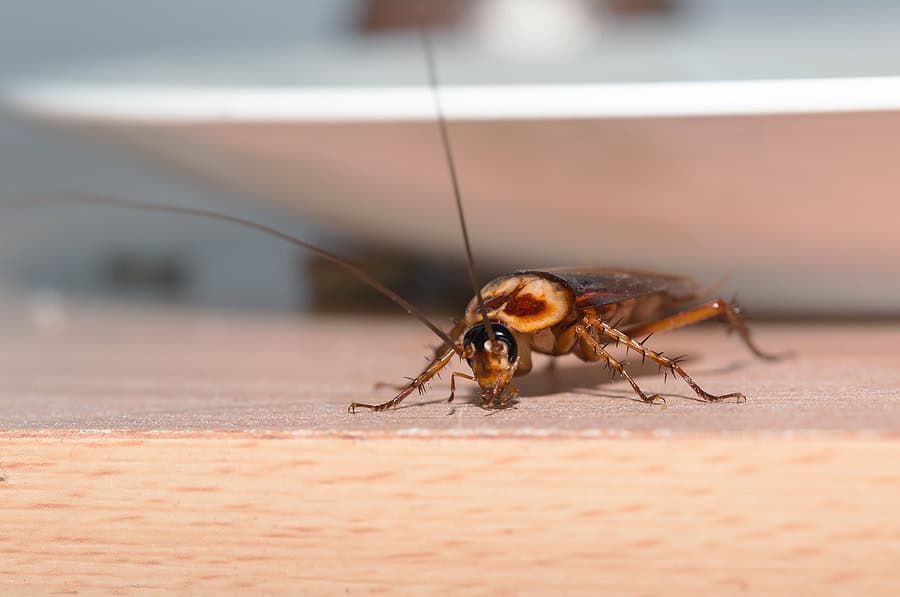
American Cockroach
- Size: 1.5 to 2 inches
- Color: Reddish-brown with a yellowish figure-eight pattern
- Habitat: Often found in sewers and dark areas. Known for speed and flight capabilities.
German Cockroach
- Size: 0.5 to 0.7 inches
- Color: Light brown with two dark stripes
- Habitat: Prefers warm areas like kitchens and bathrooms. Rapid reproducers that can quickly infest spaces.
Smokybrown Cockroach
- Size: 1.5 to 2 inches
- Color: Dark brown to black
- Habitat: Commonly found outdoors in tree holes and mulch but can enter homes through small openings.
Health Risks
Roaches carry bacteria such as Salmonella and E. coli, which can contaminate food and surfaces. They also produce allergens that can trigger asthma and allergies, particularly in sensitive individuals. The presence of these pests not only poses health risks but can also lead to increased anxiety for homeowners, as the thought of sharing space with roaches is unsettling.
Additionally, roaches can reproduce rapidly, turning a small problem into a significant infestation in a short time. Their ability to squeeze through tiny cracks and crevices means that they can easily invade homes, making early detection and prevention even more crucial. By maintaining a clean environment and addressing any signs of an infestation promptly, you can help protect your family’s health and ensure a more comfortable living space.
Roach Prevention Tips
Sanitation: Keeping kitchens and bathrooms clean is crucial in deterring roaches. Wipe down surfaces regularly, ensuring that crumbs and spills are promptly cleaned. Store food in airtight containers to prevent access, and don’t forget to seal pet food as well. Regularly empty trash bins, ideally daily, and ensure that garbage is stored in sealed containers. This minimizes the attractive scents that can draw roaches into your home.
Seal Entry Points: Roaches are experts at squeezing through the tiniest of openings. Use caulk to close gaps and cracks around windows, doors, and the foundation of your home. Pay special attention to areas where plumbing and electrical lines enter the building, as these can often be overlooked but serve as highways for pests. Installing door sweeps can also help roaches and other household pests
Reduce Clutter: A tidy environment is less inviting to roaches. Declutter your living spaces, especially basements, attics, and storage areas where boxes and unused items can create cozy hiding spots. Keep items off the floor and use clear bins for storage, allowing you to quickly spot any signs of an infestation. Regularly checking and organizing these areas not only keeps your home looking great but also helps you stay one step ahead of any potential roach issues.
Effective Management Strategies
Using traps, baits, and insecticidal sprays can help manage infestations, but hiring professional pest control is often the most effective solution. Pest experts in Miami understand the unique challenges posed by the local climate and can address infestations comprehensively and quickly.
Roaches are a persistent challenge for homeowners, especially given the city’s warm, humid environment that fosters their growth. However, with proactive measures and professional help, they can be managed effectively. Stay vigilant and maintain cleanliness to keep your home roach-free. If you encounter a roach problem, don’t hesitate to reach out to local pest control experts for tailored solutions for your roach problem. With the right approach, you can reclaim your space from these unwelcome intruders.
Nov 22, 2024 | Insulation
Nov 20, 2024 | Florida Pest Control
Florida, known for its sunny beaches and bustling theme parks, is also home to a vibrant array of wildlife. Among these creatures are the snakes that thrive in the state’s warm climate. Understanding and navigating the snake season in Florida is crucial for homeowners and business owners. In this guide, we will explore the ins and outs of snake season, highlight common species, and offer practical advice on how to safely coexist with these fascinating reptiles.
A Guide to Snake Season in Florida
What is Snake Season in Florida?
Snake season in Florida refers to the period when snakes are most active. This typically aligns with the warmer months, from April through October. During these times, snakes come out of hibernation to hunt, mate, and bask in the sun. The peak of this activity often occurs in the summer when temperatures are at their highest. Understanding this timeframe is essential for anyone living or working in Florida, as it helps anticipate and prepare for potential snake encounters.
Knowing when snake season starts and peaks can significantly impact how residents and businesses prepare. The increase in snake activity means that more encounters are likely, especially in areas close to natural habitats. Being informed can help homeowners secure their properties and businesses implement safety measures to protect their premises.
Common Snake Species in Florida
Eastern Diamondback Rattlesnake
The Eastern Diamondback Rattlesnake, one of the most iconic snakes in Florida, is easily recognizable by its distinctive diamond pattern. This venomous species prefers dry, sandy, and mixed forest habitats. Awareness of its presence and behavior is vital, as its bite can be dangerous.
Eastern diamondbacks are generally shy and prefer to avoid human contact. However, they are known to defend themselves vigorously if threatened. Recognizing their distinctive rattle and understanding their preferred environments can help minimize the risk of encounters.
Water Moccasin
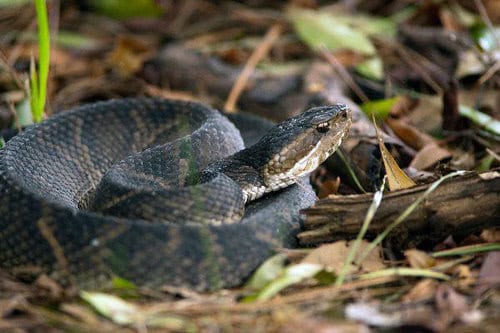
Also known as the cottonmouth, the water moccasin is another venomous snake commonly found in Florida. This species thrives in wetland areas, such as swamps and lakes. Known for its aggressive defensive behavior, the Water Moccasin can be identified by its thick body and a distinctive white mouth.
Water moccasins often bask near water and can be found swimming across ponds and streams. They are known for their potent venom but are generally non-aggressive unless provoked. Understanding their habits and habitats can help reduce the chance of an unpleasant encounter.
Non-Venomous Snakes
Florida is also home to a variety of non-venomous snakes, including the black racer and the corn snake. These species play a crucial role in controlling pest populations and maintaining ecological balance. While non-venomous, they can still startle unsuspecting individuals.
Non-venomous snakes often adapt well to urban environments and can be found in gardens, parks, and even residential areas. Recognizing the beneficial role they play can encourage coexistence and reduce unnecessary fear.
Influences on Snake Behavior
Weather Patterns
Weather significantly influences snake behavior. Warmer temperatures increase their activity levels as they seek out food and mates. Conversely, during cooler months, many snake species become less active, often entering a state of brumation, similar to hibernation.
Understanding these patterns can help predict when snakes are more likely to be encountered. For example, after a rainstorm, snakes may be more active as they hunt and explore.
Environmental Factors
The environment plays a crucial role in snake behavior. Factors such as habitat availability, food sources, and human encroachment affect where and when snakes are active. Urban development can sometimes force snakes closer to human dwellings as they search for food and shelter.
Being aware of these factors allows for better preparation and management of snake encounters. Simple measures like keeping yards tidy and securing food waste can significantly reduce the attraction for snakes.
Mitigating Snake Encounters
Practical Advice for Homeowners
Homeowners can take several steps to minimize snake encounters. Regularly mowing the lawn, trimming bushes, and removing debris can eliminate places for snakes to hide. It’s also wise to seal any gaps in buildings to prevent snakes from entering homes.
Educating family members about common snake species and what to do if one is spotted can further ensure safety. The use of snake repellents and maintaining clear paths around the property can also deter snakes from venturing too close.
Tips for Local Businesses
Businesses, especially those with outdoor areas, should implement measures to prevent snake encounters. Regular inspections and maintenance of outdoor spaces can help identify potential snake habitats. Providing staff training on snake awareness and response can also enhance safety.
For businesses dealing with food, ensuring proper waste management practices prevent attracting rodents—a primary food source for many snakes. Installing fencing and signage can help keep both customers and wildlife safe.
The Role of Pest Control Professionals
Assistance During Snake Season
Pest control professionals play a critical role during snake season. Armed with the knowledge and skills to handle various snake species, they provide essential services such as inspections, snake-proofing, removal of unwanted snakes, and repellant services.
These professionals can offer tailored solutions based on specific needs, ensuring that homes and businesses remain safe and snake-free. Their expertise is invaluable in creating long-term strategies for managing snake activity.
Services Offered
Pest control services often include preventive measures, identifying potential snake habitats, and advising on property modifications. They can also engage in direct snake removal, ensuring humane handling of these creatures.
Providing educational resources and support, pest control professionals act as a vital bridge between humans and nature, promoting coexistence and protection.
Understanding snake season in Florida and how to coexist with these fascinating creatures is vital for residents, businesses, and pest control professionals. By recognizing common snake species, their behavior, and taking proactive measures, we can safely share our beautiful state with them.
For further guidance, consider consulting with local pest control experts who can provide tailored advice and support.