Oct 4, 2023 | Good Deed Team
Our Newnan Service Center team has always believed in putting our Customers First and carrying a Servant’s Heart in everything they do. To them, it’s not just about providing extraordinary service, it’s also about giving back to the local community in meaningful ways. Recently, the team took on the endeavor to collect school supplies for 10 students at Ruth Hill Elementary in Newnan, GA.
Our extraordinary teammates collected notebooks, coloring pencils, and folders to create a gift bag of school supplies for the students who needed them the most. Northwest teammates understand the importance of education and the impact this will have on these students and their future. Even the smallest of efforts make a big difference!
The Newnan team is proud to be part of a community that values a servant’s heart. We’re excited to see the team serving their community and can’t wait to see what they can achieve next!

Oct 3, 2023 | Pest Control
As the fall season approaches in Georgia, homeowners may find themselves facing a variety of household pests, including the unsettling presence of house centipedes. These long-legged creatures can be quite a nuisance, but fear not – in this blog post, we’ll delve into what you need to know about house centipedes in Georgia, from identification and their common hiding spots to whether they pose a threat to humans. We’ll also provide practical tips on how to prevent or get rid of them with the help of professional pest control services.
Identifying House Centipedes
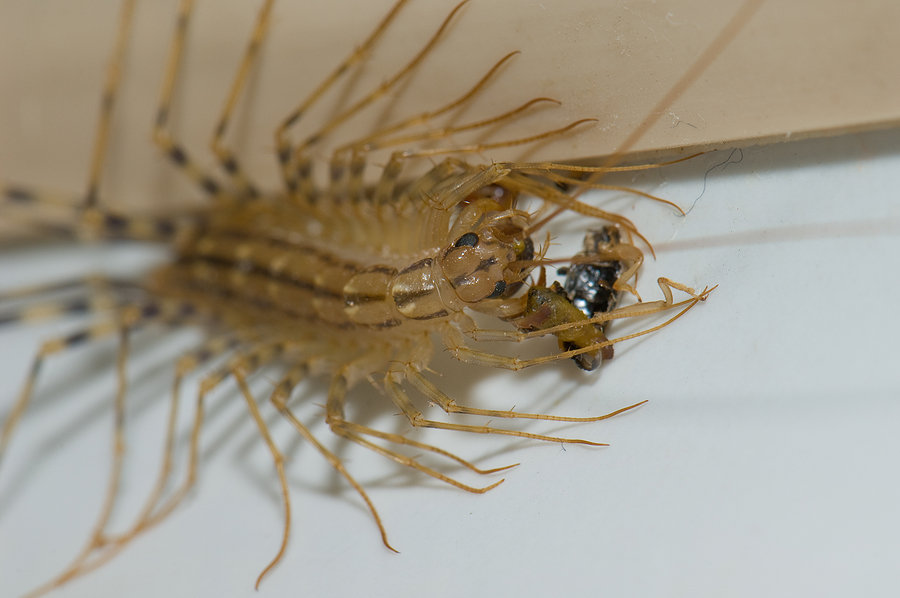
House centipedes are easily recognizable by their unique appearance. They have long, slender bodies that can range from 1 to 1.5 inches in length and are covered in numerous pairs of legs. Despite their name, they typically have 15 pairs of legs, giving them a creepy-crawly appearance.
Common Hiding Spots
House centipedes thrive in damp, dark environments, making your home an attractive habitat. You may encounter them in areas such as basements, crawlspaces, bathrooms, and even kitchens. They are agile hunters, preying on other insects like cockroaches, spiders, and silverfish, which is why they are often found in proximity to their prey.
Are House Centipedes Harmful to Humans?
The good news is that these centipedes are generally not harmful to humans. They are not known to transmit diseases or bite humans unless they feel threatened. However, their presence can be unsettling, and their appearance can cause anxiety for some homeowners. If you’d rather not share your space with these creatures, there are ways to keep them at bay.
Prevention and Pest Control
- Seal Entry Points: Inspect your home for any cracks or gaps in doors, windows, and foundation walls. Seal these openings to prevent centipedes from entering.
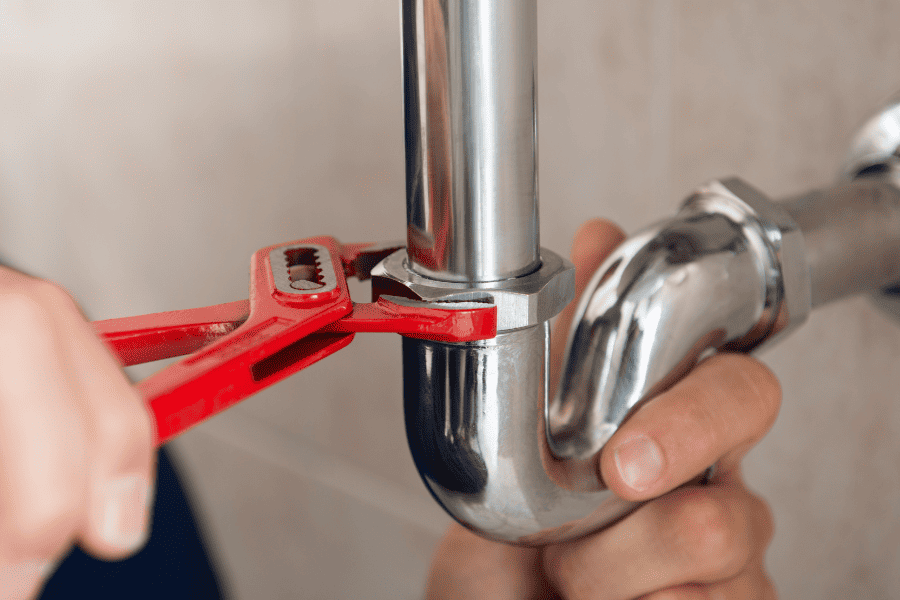
- Reduce Moisture: House centipedes thrive in damp environments. Use dehumidifiers in basements and crawlspaces to reduce moisture levels. Fix any plumbing leaks promptly.
- Declutter: Remove piles of newspapers, cardboard boxes, and other clutter that can provide hiding spots for centipedes and their prey.
- Professional Pest Control: The most effective way to deal with house centipedes and other fall pests is to seek the help of a professional pest control company. They can assess the situation, implement effective treatments, and provide ongoing pest management.
While house centipedes in Georgia may seem unsettling, they are generally harmless to humans. However, their presence can be a sign of underlying pest issues in your home. To ensure a pest-free environment and peace of mind, it’s wise to consult a pest control expert.
Oct 3, 2023 | Florida Mosquito Control, Florida Pest Control
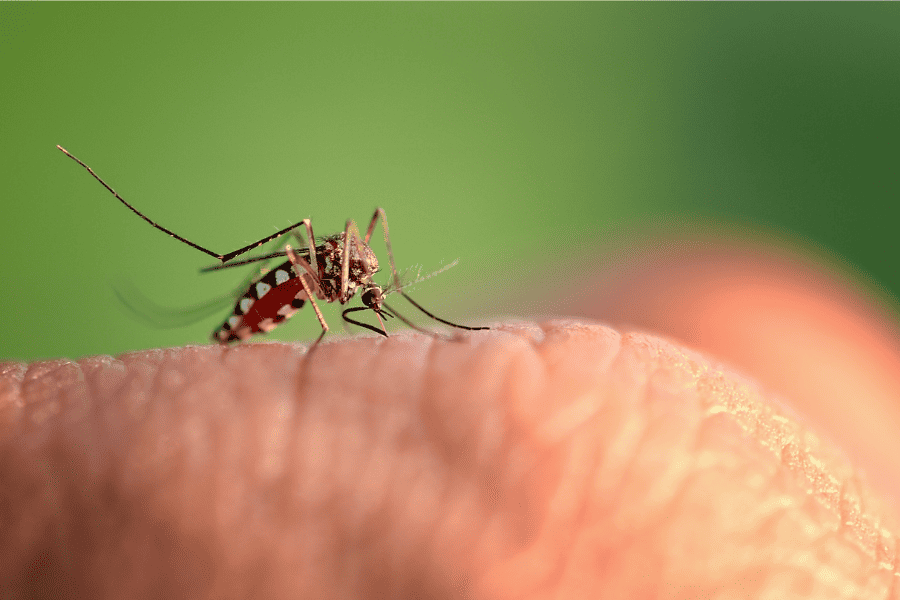
Mosquito season is still in full swing in Homestead, Florida, which means there’s still time to implement some mosquito prevention strategies to lessen the population of mosquitoes around your property. Let’s go over the best tips to get started right away.
Florida Mosquito Prevention
Prevention Tip 1: Remove All Standing Water
Mosquitoes love standing water and even utilize these areas as breeding grounds. The easiest way to identify the worst of these areas is noticing clouds of mosquitoes flying above still bodies of water such as ponds and lakes. If you have any stagnant water in your garden or yard, whether it’s a bird bath, bucket, pool cover, gutters, or even some landscaping, it’s best to remove it or change out the water. Additionally, remove any mosquito eggs that have been deposited along the edges of these items by scrubbing the surfaces.
Prevention Tip 2: Maintain Your Landscaping
Did you know that mosquitoes, just like humans, prefer to be out of the sunshine every once in a while? They prefer to hang out in tall grass, shrubbery, bushes, and foliage. Here are some quick tips to help maintain your lawn to lessen mosquitoes:
- Trim bushes, tree limbs, etc.
- Mow lawn regularly
- Use plants that act as natural mosquito deterrents – Citronella, Lavender, Marigold, Basil, and Catnip!
Prevention Tip 3: Recurring Mosquito Service
Mosquitoes can seem like an endless battle, but you should never have to handle it alone. There are several mosquito control options you can invest in for your Homestead property. A local Florida pest control company can provide you with a mosquito reduction plan that is perfect for your needs and schedule. Request a FREE mosquito estimate today!
Oct 3, 2023 | Pest Control
As the fall season settles in, many homeowners in Georgia are gearing up for the seasonal battle against fall pests. Among the various critters that make their way into our homes and gardens, orb weaver spiders are a common sight. While these eight-legged arachnids may appear intimidating, understanding their characteristics and behaviors is essential to maintaining a pest-free environment.
Identifying Orb Weaver Spiders
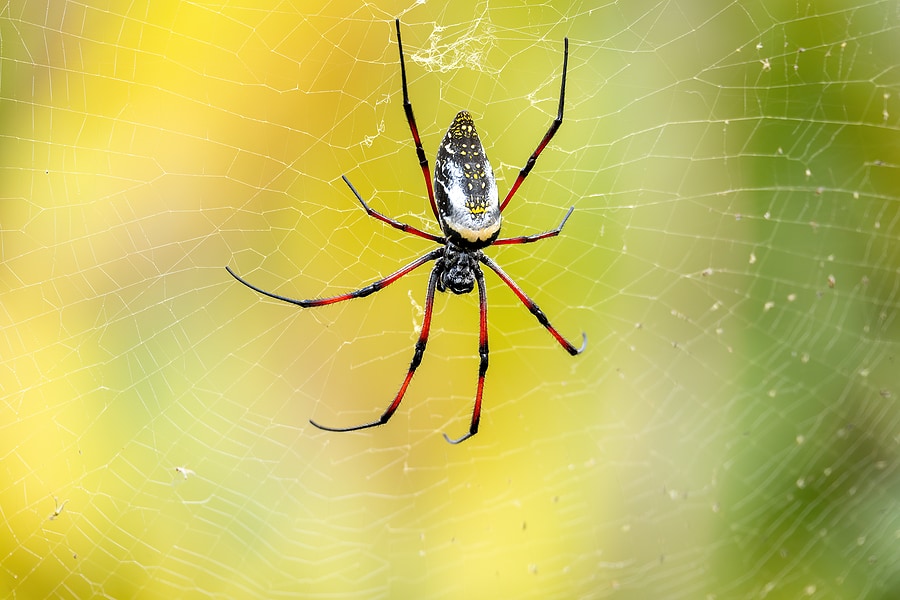
Orb weavers belong to the Araneidae family and are known for their distinctive circular webs, which they expertly spin to trap flying insects. These spiders come in various colors, shapes, and sizes, but they all share some common features:
- Web Patterns: Orb weaver spiders create large, intricate, and symmetrical orb-shaped webs. These webs are usually positioned horizontally in gardens, between trees, or near outdoor lights.
- Body Characteristics: Orb weavers typically have round or elongated abdomens and long, slender legs. Their coloration varies but often includes shades of brown, black, yellow, or green.
- Size: These spiders can range in size from as small as 1/8 inch to over 1 inch in body length, depending on the species.
- Distinctive Markings: Some orb weaver species have unique markings on their abdomens, such as zigzag patterns, colorful spots, or distinctive shapes.
Common Places to Find Orb Weaver Spiders
Orb weaver spiders are outdoor creatures, and you’ll most commonly encounter them in the following places:
- Gardens: They often build their webs among plants and shrubs to catch flying insects.
- Wooded Areas: Orb weavers thrive in wooded environments where they can find trees and bushes to create their webs.
- Outdoor Structures: These spiders may spin their webs near porches, decks, or outdoor lights to take advantage of the insects attracted to these areas.
The Benefits and Disadvantages of Orb Weavers
Before rushing to eliminate orb weaver spiders from your property, it’s essential to consider both the advantages and disadvantages they bring.
Benefits:
- Natural Pest Control: Orb weavers are efficient hunters and play a crucial role in keeping insect populations in check. They can help reduce annoying and potentially harmful pests around your home.
- Low Maintenance: Once their web is built, orb weavers require minimal attention and maintenance. They can be considered natural pest control allies.
Disadvantages:
- Aesthetic Concerns: Some homeowners find their large webs unsightly, especially when they are positioned in high-traffic areas.
- Fear Factor: Orb weaver spiders can be intimidating due to their size and appearance, leading to arachnophobia in some individuals.
Fall Pest Control: Preventing and Managing Orb Weaver Spiders
If you wish to minimize orb weaver spider presence around your home, here are some practical tips:
- Regular Cleaning: Regularly clean outdoor lights and remove debris from bushes and shrubs to discourage spiders from setting up shop.
- Seal Entry Points: Ensure that your home’s windows and doors are tightly sealed to prevent spiders from entering your living spaces.
- Professional Pest Control: Consider hiring a pest control expert for thorough fall pest control services. They can assess your property’s unique needs and develop a customized pest management plan.
- Reduce Outdoor Lighting: Reduce outdoor lighting during the night, as it can attract insects that serve as orb weavers’ prey.
Don’t let orb weaver spiders and other fall pests disrupt your peace of mind this season. Take proactive steps to manage and prevent their presence by reaching out to our expert pest control team. Request a free pest control quote today and ensure a pest-free environment for you and your family.
In conclusion, while orb weaver spiders can be beneficial for natural pest control, they may also pose challenges for homeowners. Balancing their advantages and disadvantages and taking preventative measures can help you enjoy a pest-free home during the fall season.
Sep 28, 2023 | Florida Pest Control
It’s inevitable to come across certain pests, especially during the warmer months of the year. Though, with Florida’s tropical weather year-round, it can seem like dealing with pests is nonstop. Roaches, mice, mosquitoes, and ants are just a few pests that can take over a household, become an annoyance, spreading disease, and causing damage to your home. One of the best ways to avoid a pest infestation is preventing them in the first place by placing do-it-yourself pest proofing measures throughout your home. Check out our list of DIY pest control tips you can utilize:
Make Your Home Less Pest-Attractive
Pests are attracted to three things: food, shelter, and water. The best way to keep pests from entering your home is to get rid of what they’re attracted to. Try to keep your home as clean as possible, vacuuming and sweeping on a regular basis. Likewise, repair any leaky pipes and faucets both inside and outside of your home. Avoid leaving your pet’s food and water bowls overnight, taking them in and storing their leftover food in plastic containers with lids. Declutter your home, removing any old magazines, newspapers, and cardboard boxes you don’t need.
Seal Them Out
Mice, ants, and roaches can enter through the smallest hole or gap they find. It’s important to take the time to inspect the outside of your home for any potential entry points, sealing them up with either caulk or steel wool, depending on how large it is. Don’t forget to check foundations, food frames, windows, utility pipes, cables and wires, and the roof for any potential opening pests could enter in from. Repair any broken windows or screens and fil openings in pipes and vents.
Don’t Forget Outside
To get to your home, pests must enter your yard first, so it’s important to keep it less attractive to them as it is your home. Regularly mow your grass, keeping it short and eliminating any weeds. Remove piles of leaves, debris, and fallen branches from your yard. Look to eliminate any clutter or items you don’t need, such as old automobiles, trashcans, tires, and dumpsters. If you store wood, keep it elevated from the ground and at least 20 feet from your home.
Eliminate Moisture
Pests need water to survive, and the smallest amount of standing water will attract pests like termites and mosquitoes. Keeping your home as dry as possible is key to avoiding their infestation. Check around your home for any water leaks and look for loose fixtures or dripping faucets too. If you have a crawlspace, consider utilizing a dehumidifier to decrease excess moisture. Make sure you clear any debris and leaves from your gutters, especially after a hurricane or thunderstorm.
Consider the Pros
Sometimes, a pest infestation needs more attention than DIY pest control methods can provide. If you’re still seeing an influx of pests or would like to get ahead of pest prevention, consider reaching out to a local pest control company for some help. These professionals will identify the pest at hand, provide proper treatment, and recommend the best prevention techniques you can use at home to avoid a future pest infestation.