Sep 23, 2025 | Good Deed Team
Teammates across Northwest Exterminating’s Family of Brands donated nearly 4,000 coloring books and hundreds of boxes of crayons to CURE Childhood Cancer. This idea began after a normal conversation with a customer and Buford Service Professional, Devon Cazee.
Devon has always found behind the scenes ways to quietly serve. He has worked with Northwest Exterminating’s local Buford, Ga. Service Center for nearly 9 years and is celebrated by his customers for the type of experience he delivers and the relationships he builds. Last year, he collected knit hats to donate to cancer patients, and he is always an active participant in Northwest’s small acts of kindness initiatives. Devon is especially fond of creating ripple effects of kindness throughout one of the communities he serves in Hoschton, Ga.
Devon learned about the organization CURE Childhood Cancer and their incredible mission after speaking with one of his long-term customers, whose daughter, Kristin Conor, is the CEO.
After checking in with one of his regular customers, he learned about CURE Childhood Cancer, an organization led by the customer’s daughter, Kristin Connor. Reaching out to Kristin to learn more, Devon was quick to ask, “What can we do?” As Devon shares, we have to do something, even if it’s small. He suggested collecting coloring books, and Kristin immediately loved the idea. When asked, she explained that coloring books could give patients a simple yet powerful escape, even if only for a moment, from the weight of their illness.
With Kristin’s backing, Devon went to work! He enlisted the full support of the Northwest Family of Brands Good Deed Team, which includes every teammate from all 6 states we serve. Devon started with a goal of collecting at least 2,400 coloring books, but teammates surpassed that goal. After only one month, teammates from across the Southeast and the local Deaton Creek community collected and donated 3,968 coloring books. The donation will be divided amongst local hospitals in Augusta, Atlanta, and Savannah, Ga.
CURE Childhood Cancer is an invaluable resource for families facing cancer. Their mission is to provide vital support services like the Open Arms Meal Program, mental health resources, bereavement care, and provide funding for groundbreaking research to find a cure.
Devon’s coloring book donation drive is just one example of the way teammates are seeking opportunities to give back and support community partners, non-profits, and local initiatives. We are so thankful for teammates like Devon for keeping their eyes open to serve and for all the incredible work CURE does to support the children and families facing these unimaginable challenges. The team plans to continue to partner with CURE in the future. For more information on CURE and their mission, please visit curechildhoodcancer.org.
Sep 19, 2025 | Florida Snake Control
Florida’s warm climate and diverse ecosystems create habitats for over 46 snake species, making encounters a normal part of life. While most are harmless, six venomous species live here, making it important to know which ones pose risks and how to identify them. Education, prevention, and knowing how to respond are key. By understanding snake behavior, recognizing warning signs, and using proven prevention strategies, you can protect your family from Florida snakes while respecting these important members of Florida’s ecosystem.
A Guide To Florida Snakes
Florida’s Venomous Snake Species
Eastern Diamondback Rattlesnake
Florida’s largest venomous snake can grow up to eight feet. Recognizable by diamond-shaped patterns and a rattling tail, they inhabit pine flatwoods, scrub areas, and coastal regions. Their venom is powerful, but these snakes usually avoid people unless threatened.
Cottonmouth (Water Moccasin)
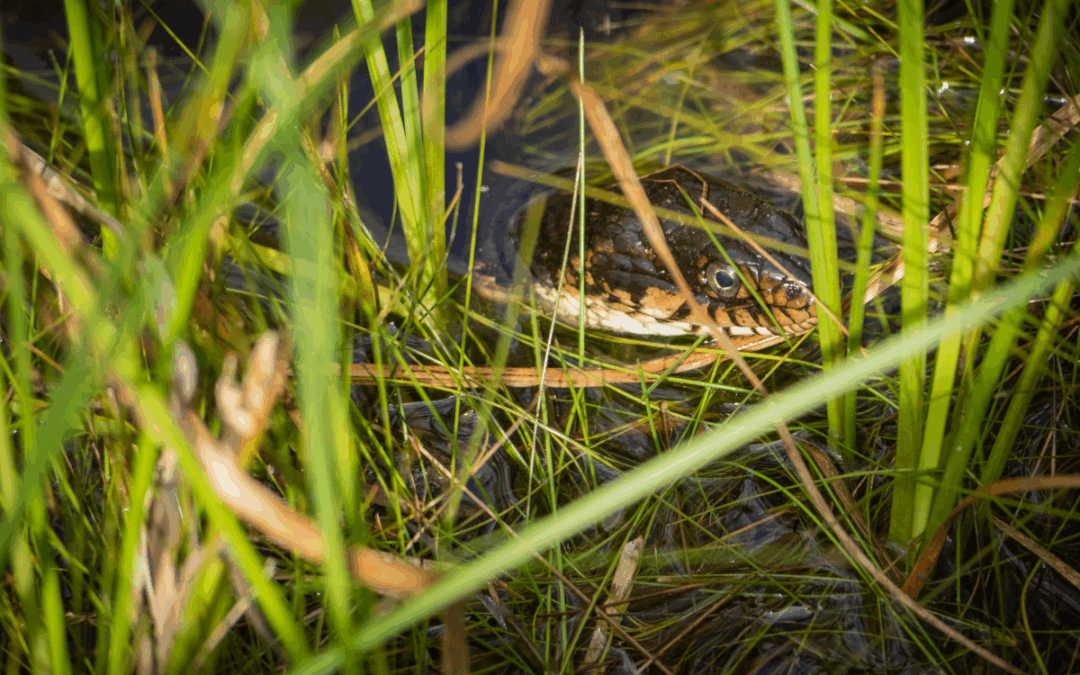
Often found in swamps, marshes, and lakeshores, cottonmouths have dark bodies and a white mouth interior. Unlike many snakes, they may hold their ground when approached. Their venom can cause significant tissue damage.
Coral Snake
Coral snakes have bright red, yellow, and black bands. Remember: red touches yellow, kills a fellow to distinguish them from non-venomous lookalikes. Secretive by nature, they prefer sandy soils and wooded areas. Their venom affects the nervous system.
Copperhead
Found in northern Florida, copperheads have copper-colored bodies with hourglass-shaped crossbands. While their venom is rarely fatal with treatment, it can cause pain and swelling.
Timber Rattlesnake & Dusky Pygmy Rattlesnake
Timber rattlesnakes live in northern forests, while pygmies are found statewide. Both have rattles, though pygmy rattles are faint. Venom can cause serious complications without treatment.
Identifying Habitats and Risk Areas
Natural Environments
Wetlands, pine flatwoods, scrub areas, and hardwood hammocks provide shelter for many species. Cottonmouths thrive near water, while coral snakes prefer sandy or wooded areas.
Residential Risk Zones
Yards with ponds, irrigation systems, or dense vegetation can attract snakes and their prey. Brush piles, woodpiles, and overgrown plants provide ideal hiding spots. Garages, sheds, and crawl spaces also offer shelter.
Warning Signs and Behavior
Visual Recognition
Venomous snakes may have triangular heads, vertical pupils, and heat-sensing pits, though these traits can be misleading. Instead, learn the distinct patterns and colors of dangerous species.
Behavioral Cues
Rattlesnakes shake their tails to warn intruders, cottonmouths show their white mouths, and most snakes retreat if given the chance. Striking is typically a last resort.
Prevention Strategies for Florida Homes
Landscape Adjustments
Keep grass trimmed, remove brush piles, and maintain a clear perimeter around the home. This reduces shelter for both snakes and the small animals they hunt.
Structural Improvements
Seal gaps under doors, cracks in foundations, and utility entry points. Use hardware cloth barriers under porches or decks. Fix leaks and eliminate standing water to discourage both snakes and their prey.
Responding to Florida Snake Encounters
If You See a Snake
Stay calm and slowly back away. Never try to catch or kill a venomous species. Give it space to escape.
In Case of a Bite
Call 911 or go to the nearest emergency room immediately. Never attempt to capture the snake, as this is unnecessary and could result in another bite. Remove jewelry and tight clothing from the affected area, and keep the person as still as possible until help arrives.
Florida’s snakes play a vital role in controlling pests and maintaining ecological balance. Learning how to identify species, modify your property, and respond appropriately will help you coexist with these reptiles. If you’re unsure whether a snake is venomous or how to handle an encounter, a trained snake removal expert can provide proper identification and humane removal. Contact us today for a free snake removal quote!
Sep 18, 2025 | Bed Bug
Waking up with mysterious bites? Finding tiny brown spots on your sheets? If you’re scratching your head (literally), wondering how bed bugs found their way into your Murfreesboro home, you’re not alone. These sneaky little hitchhikers are masters at finding new places to call home, and unfortunately, your cozy Tennessee house might’ve just made their list. Don’t panic though! Understanding how these pests arrive is your first step toward getting rid of them for good. Let’s explore the most common ways bed bugs enter Murfreesboro homes and what you can do to prevent future bed bug infestations.
The Great Bed Bug Mystery: How They Really Get In
Contrary to popular belief, bed bugs aren’t a sign of poor housekeeping. These crafty creatures can infest even the cleanest homes because they’re excellent at finding rides. Think of them as the ultimate freeloaders of the pest world.
Travel Is Their Favorite Transportation Method
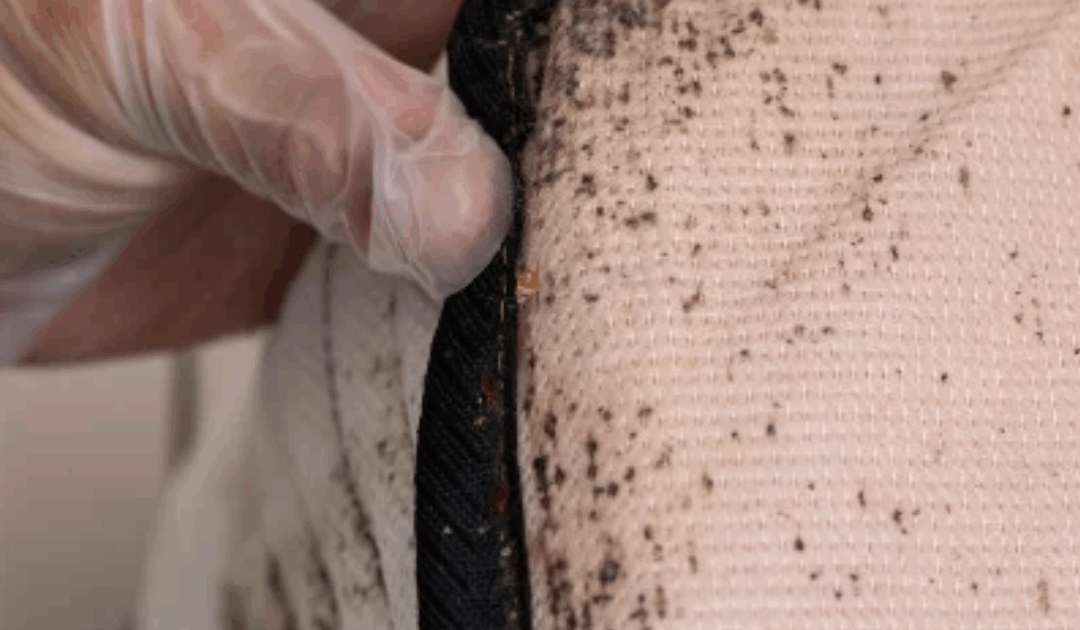
Did you take a vacation recently? Stay in a hotel or rental property? Bed bugs love to stow away in luggage, backpacks, and even the clothes you’re wearing. They’re particularly common in hotels, where they can easily move from room to room through luggage and belongings. Common hiding spots include mattresses, headboards, and in and around bedside tables.
Here’s the thing about traveling to and from Murfreesboro: whether you’re visiting Nashville for a weekend getaway or heading out on business, you might be bringing more than memories home with you.
Secondhand Finds Can Bring Unwanted Guests
Love hunting for treasures at thrift stores, garage sales, or online marketplaces? That vintage dresser or “like new” mattress might come with some unwanted extras. Bed bugs can hide in the tiniest crevices of furniture, making secondhand purchases a common source of bed bug infestations.
Your Neighbors Might Be Sharing More Than Sugar
In apartments, condos, or closely situated homes, bed bugs can actually walk from one unit to another through wall voids, electrical outlets, and shared spaces. If your neighbors are dealing with an infestation, you might be next on the guest list.
Prevention Tips That Actually Work
Ready to become a bed bug prevention pro? Here’s how to keep these unwelcome visitors from making themselves at home in your Murfreesboro house.
Travel Smart, Travel Bug-Free
Before settling into any hotel room or rental property, do a quick inspection:
- Pull back the sheets and check the mattress seams for dark spots or stains
- Look for tiny blood spots on pillowcases
- Check upholstered chairs and curtains near the bed
- Keep your luggage in the bathroom while you inspect (bed bugs hate hard surfaces)
When you get home, wash all your clothes in hot water immediately, even if you don’t wear them. Store your suitcase in the garage or basement until you can thoroughly inspect it.
Shop Secondhand Safely
That antique nightstand calling your name? Here’s how to bring it home without hitchhikers:
- Inspect every crack and crevice before purchasing
- Look for dark spots, shed skins, or sweet musty odors
- Consider quarantining items in your garage before bringing them inside
Create a Fortress Around Your Home
While you can’t control what your neighbors do, you can make your home less appealing:
- Seal cracks around baseboards and electrical outlets
- Use mattress and box spring encasements as protective barriers
- Reduce clutter, especially around sleeping areas
- Vacuum regularly, paying special attention to seams and crevices
Eco-Friendly Solutions for Murfreesboro Homeowners
If bed bugs have already moved in, don’t despair. You’ve got options that won’t harm your family or Tennessee’s beautiful environment.
Steam Cleaning Power
A quality steam cleaner can kill bed bugs and their eggs on contact. Focus on mattress seams, furniture crevices, and carpet edges where these pests like to hide.
Natural Deterrents
While not eliminating methods, essential oils like tea tree, lavender, and peppermint can help repel bed bugs. Mix with water and spray bed frames and furniture.
When to Call Murfreesboro Bed Bug Professionals
Sometimes DIY just isn’t enough, and that’s perfectly okay. Consider professional help if you’re seeing:
- Multiple bites appearing regularly
- Live bugs during daylight hours
- Dark stains or spots on mattresses
- Sweet, musty odors in bedrooms
Professional Murfreesboro bed bug control experts understand local conditions and can implement targeted treatments that work specifically for Tennessee homes.
Don’t Let Bed Bugs Win
If bed bugs continue to be a problem despite your efforts, it’s wise to consult a pest control professional who can provide targeted treatments for bed bug infestations and help restore comfort to your Murfreesboro home quickly and effectively.
Sep 12, 2025 | Florida Pest Control
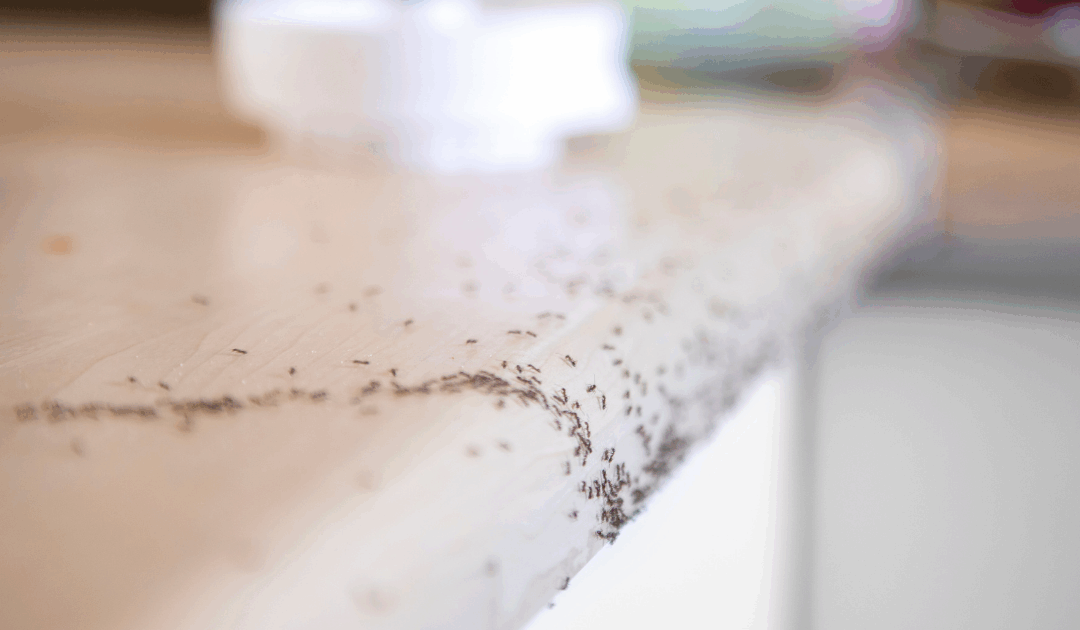
Fort Myers residents know the frustration well. You clean your kitchen, and within hours, a steady line of ants appears across the counters. Florida’s year-round warmth and humidity create ideal conditions for ant colonies to thrive, making prevention and control a regular part of maintaining a comfortable home. The good news is that lasting ant control is possible with proven strategies that protect both your family and the natural environment of Southwest Florida. Here’s how to tackle these persistent pests while keeping the area’s delicate ecosystem in mind.
Ant Control in Fort Myers
Understanding Fort Myers’ Ant Population
Southwest Florida’s subtropical climate supports several ant species that frequently invade homes. Ghost ants, with their translucent legs and bodies, often appear in kitchens and bathrooms in search of moisture and food. Fire ants build aggressive colonies in yards and deliver painful stings, while carpenter ants can damage wood structures as they tunnel to build nests.
Pharaoh ants present a unique challenge because they create multiple colonies and require specialized management. These tiny yellow ants can contaminate food and spread bacteria, making prompt action important for protecting health.
Each species behaves differently, so understanding their habits is key to choosing the right control methods.
Why Traditional Ant Control Methods Often Fall Short
Over-the-counter sprays may kill visible ants but rarely address the colony itself. Without eliminating the source, infestations often return. This cycle leads to repeated treatments that can affect beneficial insects, pollinators, and water quality in sensitive coastal areas.
Effective ant management requires a comprehensive approach that targets colonies, prevents new infestations, and protects the environment.
Natural Prevention Strategies That Work
Eliminate Entry Points
Inspect your home for cracks, gaps, and openings that ants could use to get inside. Common trouble spots include windows, doors, and utility penetrations. Seal gaps with weatherproof caulk, repair screens, and install door sweeps to block access.
Pay extra attention to moisture-prone areas. Afternoon storms in Fort Myers can create damp conditions that attract ants, so sealing these areas also supports moisture control.
Maintain Strategic Cleanliness
Reduce attractants by cleaning surfaces promptly after food preparation, especially behind appliances where crumbs and spills can go unnoticed. Store all food, including pet food, in sealed containers.
Empty trash bins regularly and ensure lids fit tightly. Wiping down surfaces with vinegar can erase the scent trails ants use to navigate, making your home less inviting.
Manage Moisture Levels
Proper ventilation and dehumidification help reduce indoor humidity. Address plumbing leaks promptly and check under sinks, around water heaters, and near outdoor faucets for moisture buildup.
Outside, improve drainage and keep gutters clear to prevent water pooling around the foundation.
Effective Natural Deterrents
Essential Oils
Peppermint oil is a well-known ant deterrent. Mix 10–15 drops with water in a spray bottle and apply to baseboards, entry points, and areas where ants are active. Tea tree and lemon oils offer additional protection and a pleasant scent.
Food-Grade Options
Diatomaceous earth damages the exoskeletons of crawling insects and works well when applied along trails and near entry points. Cinnamon powder can create a barrier ants will avoid, and ground coffee can deter several species while adding a subtle aroma.
Landscape Adjustments
Plant ant-repelling species such as mint, tansy, or pennyroyal along the perimeter of your home. Trim vegetation so it does not touch exterior walls, as plants can act as bridges for ants to enter.
Maintaining Long-Term Success
Ant control is most effective when prevention, sanitation, moisture management, and monitoring work together. Seasonal inspections help identify and address vulnerabilities early.
Keeping a record of what works on your property allows you to refine your approach over time. With consistent attention, these strategies help create an environment where ants are far less likely to take up residence, protecting both your home and Fort Myers’ coastal ecosystem. Contact local pest control professionals for a free ant control quote today!
Sep 11, 2025 | Commercial
Commercial properties face unique pest challenges that demand specialized expertise. Unlike residential settings, businesses must keep environments pest-free while protecting inventory, preventing operational disruptions, and maintaining a strong professional reputation. Professional commercial pest control goes beyond occasional treatments. It’s a comprehensive, science-based approach that addresses the root causes of infestations and prevents them from returning. Here are the proven strategies commercial exterminators use to keep businesses protected year-round.
Proven Strategies for Commercial Exterminators
Strategic Inspection and Monitoring
Regular inspections are essential to staying ahead of pest issues. Commercial exterminators create monitoring schedules based on property type, industry regulations, and seasonal pest patterns.
Inspections focus on entry points, moisture sources, food storage areas, waste systems, and structural vulnerabilities. Tools like infrared cameras, moisture meters, and borescopes help detect hidden issues before they become infestations.
Detailed documentation supports compliance, trend analysis, and long-term planning. Many exterminators now use digital monitoring systems and real-time reporting to track activity and fine-tune strategies.
Customized Treatment Protocols by Industry
Every business type has unique pest pressures, and commercial exterminators tailor protocols accordingly:
- Restaurants – Health-compliant strategies with targeted baiting, crack-and-crevice treatments, and non-food area applications.
- Healthcare facilities – Hospital-grade methods that prioritize patient safety and sterile conditions.
- Retail properties – Discreet treatments and flexible scheduling to protect both merchandise and the shopping experience.
- Warehouses – Large-scale prevention for incoming shipments, storage areas, and multiple access points.
Proactive Environmental Management
Prevention begins with making the environment less welcoming to pests. This includes:
- Moisture control – Repairing leaks, improving drainage, and maintaining HVAC systems to reduce humidity.
- Sanitation improvements – Waste management, proper food storage, and regular cleaning routines.
- Structural repairs – Sealing cracks, gaps, and utility entry points to block pest access.
Advanced Treatment Technologies
Modern pest control uses cutting-edge tools to maximize results while minimizing disruption:
- Heat treatments – Precision temperature control to eliminate pests without chemical residue.
- Smart baiting systems – Technology that tracks consumption and pest activity for targeted action.
- Exclusion solutions – Professional-grade barriers that provide long-term protection.
- Biological control agents – Natural predators and pathogens that reduce certain pest populations.
Compliance and Documentation
Many industries require detailed pest control records for audits and regulatory compliance. Commercial exterminators provide documentation that includes inspection results, treatment details, photographic evidence, and trend analysis.
They also train staff to recognize pest signs, follow sanitation best practices, and respond promptly to concerns.
Investing in Long-Term Protection
Commercial pest control is an investment in your business’s continuity and reputation. By partnering with experienced professionals, you gain strategies that prevent recurring infestations and protect your property, inventory, and customers.
DIY or one-time treatments can’t match the systematic approach and tailored expertise of professional pest management.
For consistent results and year-round protection, work with your local commercial pest control experts. They’ll create a plan that fits your industry, protects your operations, and keeps pests where they belong—outside.