Jul 26, 2024 | DIY Pest Control, Pest Control
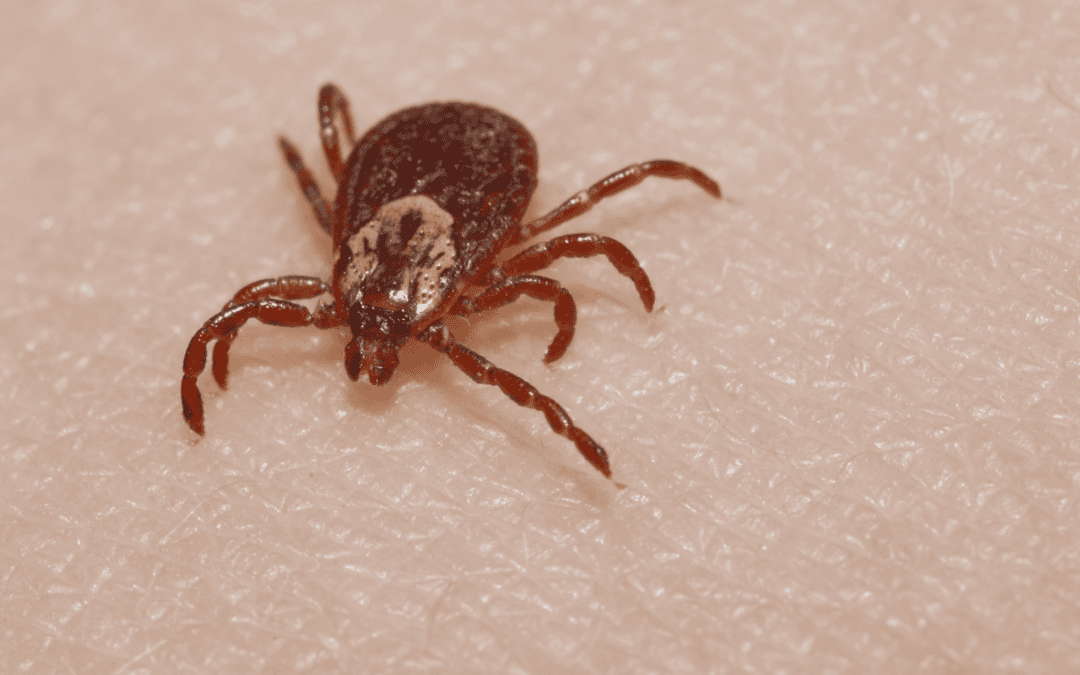
Ticks are a common nuisance in Georgia, often found in wooded areas, tall grasses, and even in backyards. These tiny arachnids can latch onto you or your pets and cause a range of health issues. Knowing what to do if you get bitten by a tick is crucial to prevent complications. In this blog, we’ll discuss common types of ticks in Georgia, the diseases they can spread, what to do if you get a tick bite, and preventive measures to keep ticks at bay.
Common Types of Ticks in Georgia
- Blacklegged Tick (Ixodes scapularis): Also known as the deer tick, this type is prevalent in Georgia and is notorious for transmitting Lyme disease.
- Lone Star Tick (Amblyomma americanum): Recognizable by the white dot on the back of adult females, this tick can spread diseases like ehrlichiosis and tularemia.
- American Dog Tick (Dermacentor variabilis): Found in grassy and brushy areas, it is a known carrier of Rocky Mountain spotted fever.
Diseases Spread by Tick Bites
- Lyme Disease: Transmitted primarily by the blacklegged tick, symptoms include fever, headache, fatigue, and a characteristic skin rash called erythema migrans.
- Rocky Mountain Spotted Fever: Spread by the American dog tick, it presents with fever, rash, and sometimes fatal complications if not treated promptly.
- Ehrlichiosis and Tularemia: These diseases can be spread by the lone star tick and cause symptoms like fever, headache, and muscle pain.
What to Do If You Get a Tick Bite
- Remove the Tick Properly:
- Use fine-tipped tweezers to grasp the tick as close to the skin’s surface as possible.
- Pull upward with steady, even pressure. Avoid twisting or jerking the tick, as this can cause the mouth parts to break off and remain in the skin.
- If mouth parts remain in the skin, remove them with tweezers if possible. If not, leave them alone and let the skin heal.
- Clean the Area:
- After removing the tick, thoroughly clean the bite area and your hands with soap and water or rubbing alcohol.
- Monitor for Symptoms:
- Watch for signs of tick-borne illnesses, such as rash, fever, fatigue, and muscle aches. These symptoms can develop days to weeks after a tick bite.
- If you develop a rash or other symptoms, contact your healthcare provider promptly.
- When to Worry About a Tick Bite:
- Seek medical attention if you cannot completely remove the tick, if you develop a rash around the bite site, if you experience flu-like symptoms, or if the bite site becomes red, swollen, and painful.
Preventing Tick Bites When Outdoors
- Wear Protective Clothing: Long sleeves, pants tucked into socks, and light-colored clothing can help you spot ticks more easily.
- Use Tick Repellents: Apply insect repellents that contain DEET, picaridin, or permethrin to clothing and exposed skin.
- Avoid Tick-Prone Areas: Stay on well-trodden paths and avoid tall grass and thick vegetation.
- Check for Ticks Regularly: Perform tick checks after spending time outdoors, especially in high-risk areas. Pay special attention to hidden areas like armpits, behind the knees, and the scalp.
Preventing Ticks on Your Pets
- Use Tick Prevention Products: Consult your veterinarian about tick prevention products for your pets, such as tick collars, topical treatments, and oral medications.
- Check Pets Regularly: Inspect your pets for ticks daily, especially after they’ve been outdoors. Focus on areas around the ears, neck, and between the toes.
- Keep Your Yard Tidy: Maintain your yard by keeping grass short, removing leaf litter, and creating a tick-free zone with wood chips or gravel between wooded areas and your lawn.
- Bathe Pets Frequently: Regular baths can help you spot and remove ticks before they attach to your pet’s skin.
Dealing with ticks can be daunting, but your local pest control company in Georgia is here to help. We offer comprehensive pest control services to protect your home, family, and pets from tick infestations. Our experienced technicians can identify tick hotspots around your property and provide effective treatments to eliminate ticks and prevent future problems.
Ticks are more than just a minor inconvenience—they can pose serious health risks to you and your pets. By understanding the types of ticks common in Georgia, recognizing the diseases they can spread, and knowing what to do if you get bitten, you can take proactive steps to protect yourself and your loved ones. Remember, prevention is key, and regular tick checks combined with pest control services can keep your environment tick-free.
Jul 5, 2024 | Going Green, Pest Control
When it comes to maintaining a healthy and comfortable home environment, pest control plays a crucial role. However, traditional pest control methods often involve the use of harsh chemicals that can be harmful to both the environment and your family’s health. This is where green pest control comes in. As a pest control company in Georgia, we are committed to offering alternative pest solutions that effectively manage pests while protecting our planet.
What is Green Pest Control?
Green pest control utilizes environmentally responsible methods and products to manage and eliminate pests. This approach prioritizes the use of natural and non-toxic treatments over conventional chemical pesticides. The goal is to minimize the impact on the environment while ensuring that your home remains pest-free.
How Does Green Pest Control Work?
Green pest control operates on the principles of Integrated Pest Management (IPM). This holistic approach involves several key steps:
- Inspection and Monitoring: The first step in IPM is to conduct a thorough inspection of your property to identify pest problems and determine their sources. Continuous monitoring helps track pest activity and assess the effectiveness of treatments.
- Prevention: Preventive measures are crucial in this approach to pest control. This includes sealing entry points, removing food and water sources, and maintaining proper sanitation to make your home less attractive to pests.
- Eco-Friendly Treatments: When treatment is necessary, eco-friendly products such as botanical insecticides, natural predators, and organic baits are used. These products are effective in controlling pests without posing a threat to humans, pets, or the environment.
- Education and Maintenance: Educating homeowners about pest prevention and maintenance is an integral part of this method. By understanding the habits and habitats of pests, you can take proactive steps to prevent infestations.
Benefits of Using Green Pest Control
Choosing green pest control for your home in Georgia offers several advantages:
- Safety: Green pest solutions are non-toxic and safe for your family and pets. Unlike conventional pesticides, they do not release harmful chemicals into your home environment.
- Environmental Protection: Green pest control reduces the use of synthetic chemicals, which can contaminate soil, water, and air. By opting for alternative methods, you contribute to the preservation of Georgia’s natural ecosystems.
- Long-Term Effectiveness: Integrated pest management focuses on long-term solutions rather than quick fixes. By addressing the root causes of pest problems, this method provides sustainable results.
- Cost-Effective: While green pest control methods may initially seem more expensive, they often prove to be more cost-effective in the long run. Preventive measures and natural treatments can reduce the need for frequent applications and lower overall pest control costs.
The Importance of Routine Pest Control for Households
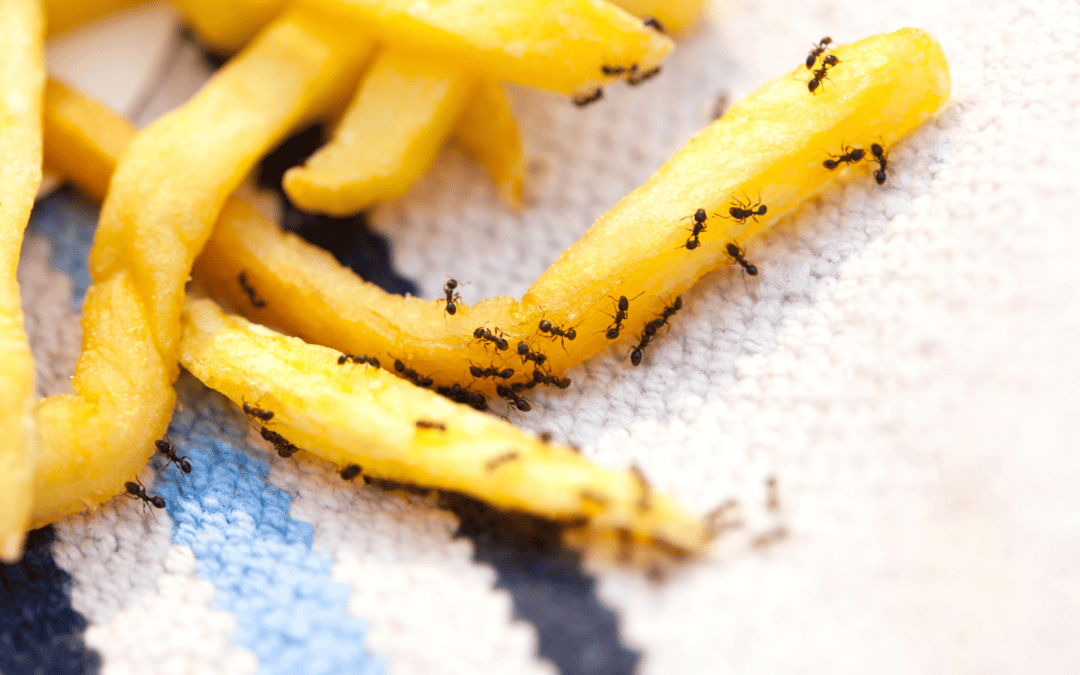
Routine pest control is essential for maintaining a healthy and comfortable living environment. Pests such as ants, roaches, rodents, termites, and mosquitoes can cause significant damage to your property and pose health risks to your family. Ants can contaminate food. Roaches contaminate surfaces and spread diseases. Termites can destroy wooden structures from the inside out. Mosquitoes can transmit severe diseases such as West Nile Virus which have recently resulted in reports of West Nile Virus deaths. Regular inspections and treatments by a professional pest control company can prevent infestations and protect your home from potential harm.
Moreover, routine pest control helps in early detection of pest problems, making it easier to manage them before they become severe. It also ensures that preventive measures are consistently applied, reducing the likelihood of future infestations.
As a responsible pest control company in Georgia, we are dedicated to providing alternative pest solutions that prioritize the health of your family and the environment. Green pest control, with its focus on safety, sustainability, and long-term effectiveness, is the ideal choice for managing pests in an eco-conscious manner. By opting for integrated pest management, you can enjoy a pest-free home while contributing to the preservation of our planet.
Routine pest control is not just about eliminating pests; it’s about maintaining a healthy and safe living environment. Contact a pest control company near you today to learn more about our green pest control services and how we can help protect your home.
Jun 7, 2024 | DIY Pest Control, Pest Control
Summer is synonymous with warmth, outdoor fun, and unfortunately, pests. In Georgia, the hot and humid climate creates the perfect breeding ground for a variety of pests that can invade your home and yard. Understanding why summer is the peak season for pests, identifying common summer pests, and learning effective prevention tips are essential for maintaining a pest-free home. Here’s a comprehensive guide to help you manage and prevent summer pests.
Common Summer Pests in Georgia
Mosquitoes
- Why They Thrive: Mosquitoes thrive in warm temperatures and are especially drawn to standing water.
- Prevention Tips: Remove standing water from your yard, use mosquito repellent, and install screens on windows and doors. Consider professional pest control services to treat your yard.
Ants
- Why They Thrive: Ants are in search of food and water, and summer provides ample opportunities.
- Prevention Tips: Keep your kitchen clean, seal food in airtight containers, and fix any leaks. Regularly inspect and seal cracks and crevices around your home.
Termites
- Why They Thrive: Warm temperatures and increased humidity create ideal conditions for termites to thrive.
- Prevention Tips: Reduce moisture around your home’s foundation, store firewood away from the house, and schedule regular inspections with a pest control company to catch infestations early.
Roaches
- Why They Thrive: Roaches are attracted to food, water, and shelter, all of which are abundant in summer.
- Prevention Tips: Keep your home clean, fix leaks, and seal entry points. Professional pest control services can provide targeted treatments to eliminate roach infestations.
Ticks and Fleas
- Why They Thrive: Pets and wildlife bring these pests into yards, where they can quickly multiply in the warm weather.
- Prevention Tips: Regularly treat pets with flea and tick preventatives, keep your yard well-maintained, and consider professional treatments to protect your outdoor spaces.
Common Summer Pest Control Tips for Homeowners
Maintain Your Yard
- Keep your lawn mowed and your landscaping neat. Overgrown grass and bushes provide perfect hiding spots for pests.
- Remove any debris, such as fallen leaves or branches, which can harbor pests.
- Ensure that any firewood is stored away from the house and elevated off the ground.
Seal Entry Points
- Inspect your home for cracks and gaps around windows, doors, and foundations. Sealing these entry points can prevent pests from getting inside.
- Use weather stripping on doors and repair any damaged window screens.
Proper Food Storage
- Store food in airtight containers and clean up crumbs and spills immediately.
- Take out the trash regularly and use trash cans with tight-fitting lids.
Manage Moisture
- Fix any leaks and address areas with poor drainage around your home.
- Use dehumidifiers in damp areas like basements and attics to reduce moisture levels.
Regular Cleaning
- Regularly vacuum carpets and clean upholstery to remove crumbs and potential pest habitats.
- Pay special attention to the kitchen and bathroom, as these areas are most attractive to pests.
Professional Pest Control Services
Despite your best efforts, some pest problems require the expertise of a professional pest control company. In Georgia, where the pest population can be particularly persistent, regular pest management can make a significant difference. Here are some benefits of professional pest control services:
- Targeted Treatments: Professionals can identify the specific pests invading your home and apply targeted treatments to eliminate them effectively.
- Preventative Measures: Regular pest control services can help prevent infestations before they become severe.
- Expert Knowledge: Pest control experts have the training and knowledge to handle various pests safely and effectively.
When searching for “pest control services near me,” look for a reputable company with positive reviews and proven results. A good pest control company will offer customized plans to suit your specific needs, ensuring your home remains pest-free throughout the summer and beyond.
Summer in Georgia brings with it an array of pests that can disrupt your home and outdoor activities. By understanding the common summer pests and taking proactive measures to prevent them, you can enjoy a pest-free summer. And remember, professional pest control services are always a reliable option to keep your home safe from unwanted invaders.
Apr 5, 2024 | DIY Pest Control, Pest Control
Georgia’s warm climate and lush landscapes make it a haven for various insects, including some that pack a painful sting. While many of these stinging insects play crucial roles in our ecosystem, encountering them in and around our homes can be alarming and potentially dangerous. In this guide, we’ll explore some of the most common stinging insects found in the region, the threats they pose, and how to deal with them effectively.
Yellow Jackets
One of the most notorious stinging insects in Georgia is the yellow jacket. These aggressive insects are easily recognizable by their black and yellow striped bodies. They typically build their nests in hollow trees, underground burrows, or within wall voids of buildings. Yellow jackets can pose a significant threat to humans and pets, especially when their nests are disturbed. Their stings are painful and can cause allergic reactions in sensitive individuals.
Identification
Yellow jackets are about half an inch to three-quarters of an inch in length, with distinctive yellow and black markings on their bodies.
Treatment
If stung by a yellow jacket, it’s essential to remove the stinger promptly to minimize venom injection. Clean the affected area with soap and water and apply a cold compress to reduce swelling. Over-the-counter antihistamines can help alleviate itching and discomfort.
Removal
Removing a yellow jacket nest can be hazardous and is best left to professionals. Attempting to remove the nest without proper equipment and expertise can provoke the colony, leading to aggressive behavior and more stings.
Prevention
To prevent yellow jackets from nesting near your home, seal any openings in walls, windows, and doors. Keep outdoor garbage cans tightly sealed and promptly clean up any food spills or crumbs.
Paper Wasps
Paper wasps are another common stinging insect found in Georgia. They construct umbrella-shaped nests from a papery material, often hanging from eaves, tree branches, or shrubbery. While they are generally less aggressive than yellow jackets, they will defend their nests if threatened.
Identification
Paper wasps are slender with long legs and wings, typically brownish in color with yellow markings.
Treatment
Treat paper wasp stings similarly to yellow jacket stings. Remove the stinger, clean the area, and apply a cold compress to reduce swelling.
Removal
If a paper wasp nest is located in a high-traffic area or poses a threat to residents, it’s advisable to contact a professional pest control company for safe removal.
Prevention
Regularly inspect your property for signs of paper wasp nests, especially in the spring and summer months. Remove any existing nests during the winter to prevent reinfestation.
Hornets
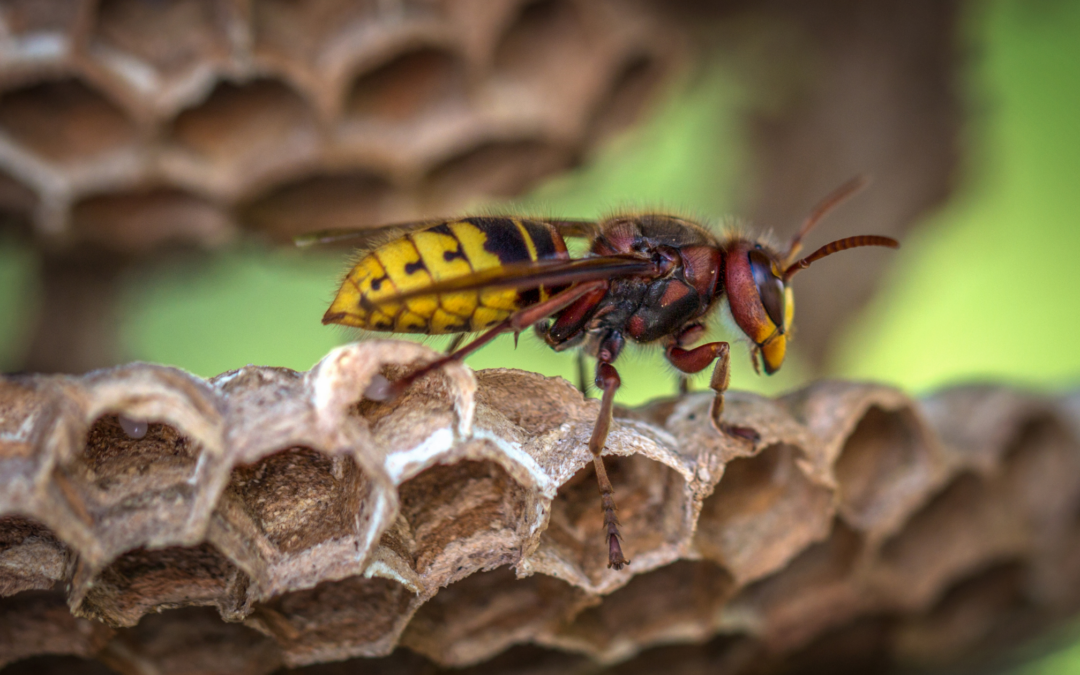
Hornets are another type of stinging insect that can cause concern for Georgia residents. These insects are larger than yellow jackets and paper wasps and often build their nests in trees, shrubs, or even on buildings.
Identification
Hornets have stout bodies with predominantly black coloring and white or yellow markings. Their nests are typically grayish and football-shaped.
Treatment
Treat hornet stings similarly to other stinging insect stings. Remove the stinger, clean the area, and apply a cold compress to reduce swelling.
Removal
Due to the size and aggression of hornets, it’s best to leave nest removal to professionals. Attempting to remove a hornet nest without proper equipment and expertise can be dangerous.
Prevention
Regularly inspect your property for signs of hornet activity, especially in secluded areas such as attics, sheds, and trees. Seal any openings or gaps in buildings to prevent hornets from entering.
In conclusion, encountering stinging insects in Georgia is not uncommon, but with proper knowledge and precautions, you can minimize the risks associated with them. If you’re dealing with a stinging insect infestation on your property, it’s best to seek assistance from a professional pest control company near you.
Mar 29, 2024 | Pest Control
Rodents, while small in stature, can wreak havoc on homes in Georgia, posing risks to both property and health. From sneaky mice to persistent rats, these unwelcome guests can contaminate food, damage structures, and spread diseases. If left unchecked, a rodent infestation can spiral out of control. Fortunately, there are effective rodent control strategies available to homeowners in Georgia. In this guide, we’ll explore the types of rodents commonly found in Georgia homes, signs of infestation, the risks they pose, and crucially, how to eradicate and prevent them from infiltrating your home.
Common Rodent Culprits
In Georgia, homeowners often encounter several types of rodents, including house mice, roof rats, and Norway rats. House mice, the most common species, are small and agile, capable of squeezing through tiny openings to access homes. Roof rats, also known as black rats, are skilled climbers and tend to nest in attics and high places. Norway rats, larger in size, typically burrow in the ground but may also inhabit basements and crawlspaces. Identifying the species invading your home is crucial for implementing effective control measures.
Recognizing Signs of Infestation
Detecting a rodent infestation early is vital in preventing further damage and health risks. Look out for telltale signs such as droppings, gnaw marks on food packaging or furniture, nests made of shredded materials, and scampering noises in walls or ceilings. Additionally, pet owners should be cautious as rodents are attracted to pet food left out in the open, making it an easy target for contamination.
Risks Posed by Rodents
Rodents pose significant risks to both property and health. They can chew through electrical wiring, causing potential fire hazards, and undermine the structural integrity of buildings by gnawing on wood and insulation. Moreover, rodents are carriers of various diseases, including salmonellosis, hantavirus, and leptospirosis, which can be transmitted to humans through contact with contaminated surfaces or inhalation of airborne particles.
Effective Rodent Control Treatments
When faced with a rodent infestation, prompt action is essential. While DIY methods may provide temporary relief, consulting a professional rodent control company ensures thorough eradication and long-term prevention. Pest control experts employ a combination of tactics tailored to the specific situation, including:
- Trapping: Mechanical traps such as snap traps and glue boards are effective in capturing rodents. These traps should be strategically placed along pathways, near entry points, and in areas where signs of activity are observed.
- Baiting: Rodenticides, in the form of pellets or blocks, are utilized to poison rodents. However, caution must be exercised to prevent accidental ingestion by children or pets. Professionals employ tamper-resistant bait stations to safely dispense rodenticides while minimizing exposure to non-target species.
- Exclusion: Sealing entry points and reinforcing vulnerable areas with materials such as steel wool, caulk, and wire mesh prevents rodents from gaining access to the home. Common entry points include gaps around pipes, vents, and utility lines, as well as cracks in foundations and siding.
- Sanitation: Removing potential food sources and eliminating harborage sites discourages rodent activity. Store food in airtight containers, promptly clean up spills, and maintain cleanliness in kitchens and storage areas. Additionally, trim vegetation and clutter around the perimeter of the home to reduce hiding places for rodents.
- Monitoring and Follow-up: Regular inspections and monitoring help gauge the effectiveness of control measures and identify any resurgence of rodent activity. Follow-up treatments may be necessary to ensure complete eradication and prevent future infestations.
Preventing Rodent Infiltration
While professional intervention is crucial in combating rodent infestations, homeowners can take proactive steps to minimize the risk of recurrence. Here are some practical tips for rodent prevention:
- Seal Entry Points: Inspect the exterior of your home for gaps and openings, paying close attention to areas where utilities enter the building. Seal any cracks or crevices using durable materials to prevent rodents from squeezing through.
- Secure Food Sources: Store pet food in sealed containers, and avoid leaving food bowls out overnight. Keep kitchen countertops clean and dispose of household waste regularly to reduce attractants for rodents.
- Maintain Cleanliness: Regularly clean and declutter indoor and outdoor spaces to eliminate potential nesting sites and hiding places for rodents. Sweep up crumbs, seal garbage bins, and trim vegetation near the home to deter rodent activity.
- Monitor for Signs of Infestation: Stay vigilant for signs of rodent activity, such as droppings, chew marks, and unusual noises. Address any issues promptly to prevent infestations from escalating.
- Professional Inspections: Schedule routine inspections by a qualified pest control company to assess the vulnerability of your home to rodent entry and implement preventive measures as needed.
In conclusion, effective rodent control is essential for maintaining a healthy and pest-free home environment in Georgia. By identifying common rodent species, recognizing signs of infestation, understanding the risks posed by rodents, and implementing comprehensive control measures, homeowners can safeguard their property and family against the perils of rodent infestations. Remember, when it comes to rodent control, swift action and professional expertise are key to achieving lasting results.
Mar 8, 2024 | Pest Control
Feb 19, 2024 | Pest Control
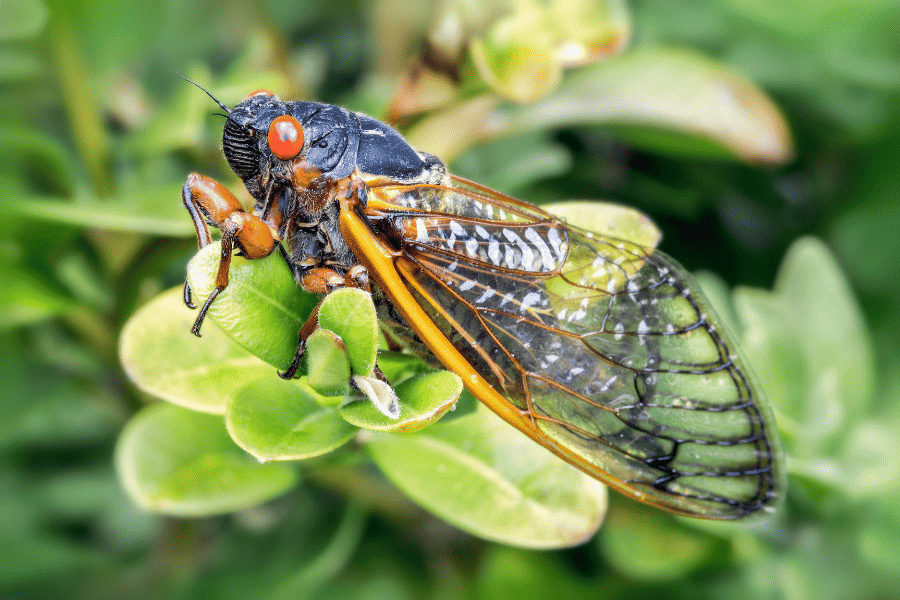
Anyone who resides in the southeastern region of the US knows that summertime means higher humidity and the buzzing sound of insects. But what’s making that sound? It’s most likely a cicada! These insects, with their distinctive buzzing calls and unique lifecycles, are a fascinating subject of study and observation. Let’s dive into what cicadas are, their habitat, and what they do.
What are Cicadas?
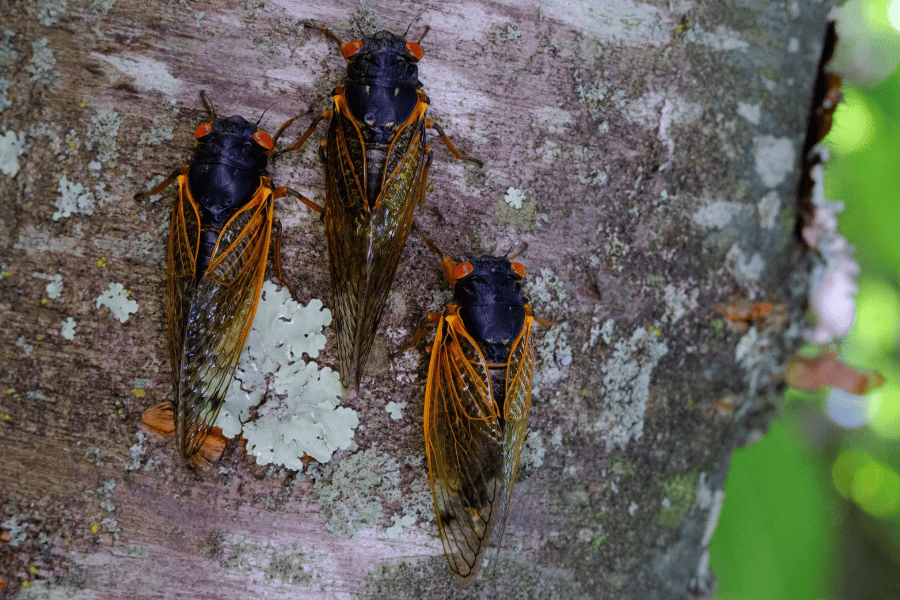
Cicadas are large insects with transparent wings, prominent eyes, and often vibrant colors. They spend most of their lives underground as nymphs, feeding on tree roots. However, they emerge as adults in periodic cycles, typically every 13 to 17 years depending on the species, to mate and lay eggs.
What is the Habitat of a Cicada?
They inhabit a wide range of environments, from forests to tropical jungles, commonly found in regions with trees and shrubs, as their nymphs rely on plant roots for substance. Cicadas are particularly prevalent in areas with well-drained soil since they remain underground for long periods of time.
The Lifecycle and Behavior of Cicadas
After spending years underground, cicadas emerge synchronously in large numbers. This mass emergence, known as a brood, is thought to be an evolutionary strategy to overwhelm predators and increase the chances of successful mating.
Once above ground, adult cicadas spend their brief adulthood reproducing. Males will produce a distinctive buzzing call to attract females, which can reach deafening levels in volume. After mating, females will lay their eggs in tree branches, where the nymphs will hatch and drop to the ground to begin their underground existence.
The Importance of Cicadas
Despite their loud buzzing call, cicadas play an important role in the ecosystem. As both nymphs and adults, they serve as a food source for birds, mammals, and even other insects. Their emergence can also enrich the soil with nutrients as the decomposing bodies of deceased cicadas return vital nutrients back to the soil. They can also contribute to the pollination of plants during their adult stage, although to a lesser extent than bees or butterflies.
Although the buzzing sound of the emerged adult cicadas can reach high levels of sound, their adult lifespan is typically short lived and ends after they successfully mate. If you find your property surrounded by cicadas, give a pest control company near you a call!
Feb 19, 2024 | Pest Control
This spring, the Great Southern Brood and the Northern Illinois Brood are set to appear at the same time, also known as a dual emergence. The dual cicada emergence will affect the Midwest and Southeast, including Georgia, Alabama, Tennessee, and South Carolina. The last time a dual emergence occurred was in 1803, when Thomas Jefferson was president, and the Louisiana Purchase had just been completed. Let’s just say that when the next one happens, no one alive today will witness it!
What are Cicadas?
These large insects live underground as nymphs for years and emerge by the millions every 13 to 17 years, depending on the brood they are a part of. They emit a loud buzzing sound when trying to find a mate, sometimes so loud it can keep you awake at night! They don’t bite, sting, or carry any diseases, and serve as pollinators and benefit the ecosystem.
Their main goal is to mate and reproduce. During the egg laying process they will trim holes into tree branches, sometimes causing branches to break off completely. This may sound like a negative thing, but they act as a natural pruning. The holes they leave behind help aerate the soil and allow for rainwater to get underground and nourish tree roots in the hot summer months.
Can I Prevent Cicadas?
Keeping cicadas away can be quite challenging, especially during their periodic emergences when they appear in large numbers. There are some strategies to minimize their impact on your property:
- Physical Barriers: Covering vulnerable plants and trees with fine mesh netting can prevent cicadas from laying their eggs on them. Make sure the netting is securely fastened to prevent cicadas from accessing the foliage.
- Pruning: Trimming branches and foliage can help reduce the attractiveness of your yard to cicadas. Removing excess vegetation can make it less appealing for them to lay eggs.
- Avoid Bright Lights: Cicadas are attracted to bright lights, so minimizing your outdoor lighting at night may help reduce their presence around your home
Cicadas might be annoying, but it’s important to remember their impact on the ecosystem of our forests. Limiting them on your property can be difficult, but there are ways. If the noise begins to get too loud, give a pest control company near you a call today!
Feb 16, 2024 | Pest Control
Is a daddy long legs a spider or fly? It’s a common question that often leads to confusion. Let’s delve into the facts to unravel this mystery and understand more about these fascinating creatures.
Daddy Long Legs: Spiders or Flies?
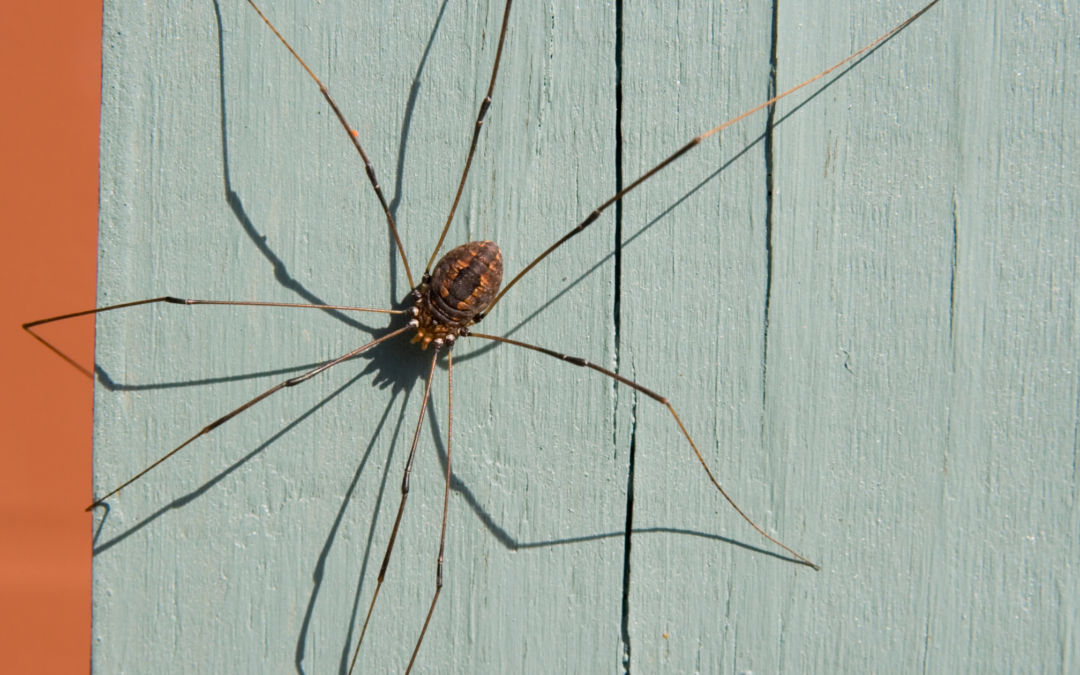
Contrary to popular belief, daddy long legs are not spiders but belong to the order Opiliones, also known as harvestmen. While they may resemble spiders due to their long, slender legs, they differ in various aspects, including body structure and behavior. Unlike spiders, daddy long legs do not produce silk, lack venom glands, and have a single body segment rather than two distinct segments (cephalothorax and abdomen).
General Facts About Daddy Long Legs
Identifying daddy long legs is relatively straightforward. They typically have a small, oval-shaped body with extremely long, thin legs, giving them their distinctive appearance. These creatures are commonly found in damp, dark areas such as basements, crawl spaces, and garages. They are also known to seek refuge indoors during colder months, making homes a prime habitat.
Preventing Daddy Long Legs in Your Home
While daddy long legs are harmless and beneficial predators, their presence indoors can be unsettling for some. To prevent them from entering your home, consider the following measures:
- Seal Entry Points: Inspect your home for cracks, gaps, and openings where daddy long legs and other pests can enter. Seal any potential entry points with caulk or weatherstripping to keep them out.
- Reduce Moisture: Daddy long legs are attracted to moisture-rich environments. Keep basements, crawl spaces, and other damp areas well-ventilated and dry to discourage their presence.
- Declutter: Remove clutter and debris from around your home’s exterior, as these can provide hiding spots for daddy long legs and other pests.
- Regular Pest Control: Schedule routine pest control inspections and treatments to proactively manage pest populations, including daddy long legs. Professional pest control services can effectively address infestations and prevent future problems.
Don’t let pests like daddy long legs disrupt your peace of mind. Take proactive steps to safeguard your home with expert pest control services. Contact a pest control company near you today to request a free quote and learn more about our spider control and general pest management solutions.
You can enjoy a pest-free home and peace of mind knowing that your property is protected against unwanted intruders. Say goodbye to daddy long legs and other pests with comprehensive pest control services.