Jun 17, 2016 | Pest Control
Ants are resilient pests. They’re active year-round, often seen in overwhelming numbers, and resistant to a lot of pest control methods. While getting rid of ants may seem like an impossible feat, we’re here to tell you that it is possible. Here’s what you can do to get rid of ants in your home this summer.
1. Eliminate Sources of Moisture
Just like us, ants need water to survive. This time of year especially, they’re in search of a steady water source. Repair leaky plumbing, use dehumidifiers in damp basements, attics and/or crawlspaces to keep the spaces dry, keep gutters clean, and remove any sources of moisture around your home’s perimeter.
2. Keep a Clean House
Just like water, ants are looking for food. Even the smallest amount can satisfy ants and keep them coming back for more so be sure to clean up spills immediately, wipe away crumbs, clean behind appliances, and take out the trash daily. Keep food sealed in storage containers and consider storing fruit in the refrigerator.
3. Don’t Leave Pet Food Out
Remove your pet’s bowls every day after they’ve eaten and store their food in sealed containers. If left our or in dog food bag, you’ll attract ants and other pests.
4. Create a Pest-Proof Barrier
Even if you have food and water sources in your home for ants, they won’t be able to access them if they can’t get inside. Do a thorough check of you home, looking for any cracks & crevices, holes around doors & windows, gaps around plumbing pipes, and seal up any of these areas with a silicone-based caulk. Not sure where to look? Contact a pest control company. Your exterminator will do an inspection of your home as part of a pest control program, and recommend areas to be corrected or offer repair solutions.
5. Quarterly Pest Control Treatments
To get rid of ants and other pests, and to prevent them from coming back, consider hiring a professional pest control company. Most treatment plans consist of quarterly treatments and cover a wide range of pests – ants, roaches, spiders, mice, and more. Get started by requesting a free pest control quote.

Aug 18, 2014 | DIY, DIY Pest Control, Pest Control
Ants in the Kitchen?
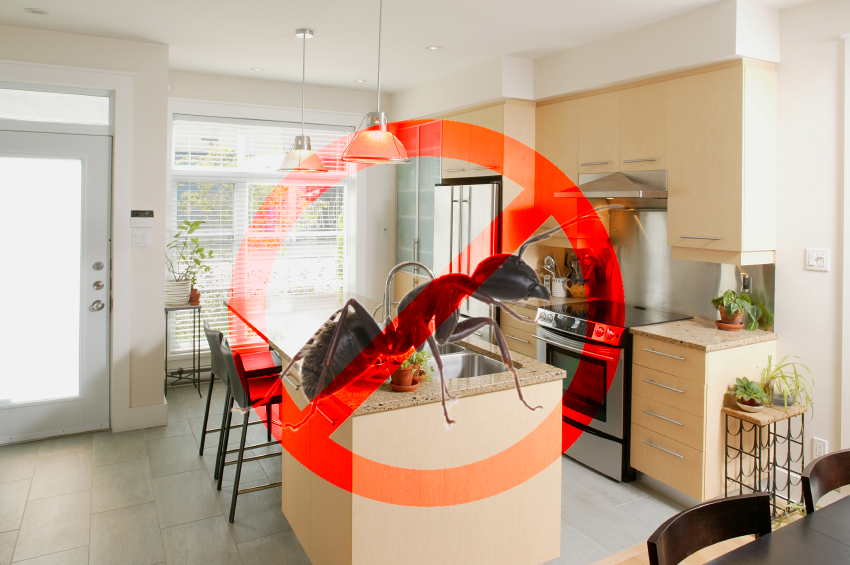
You’re not alone. Our phones have been ringing non-stop for the last few weeks with one common problem: ANTS IN THE KITCHEN. So you may be asking yourself: 1) Why are they here? 2) How can I get rid of them? 3) How can I keep them from coming back? 4) Should I call a pest control company?
Why are Ants in the Kitchen?
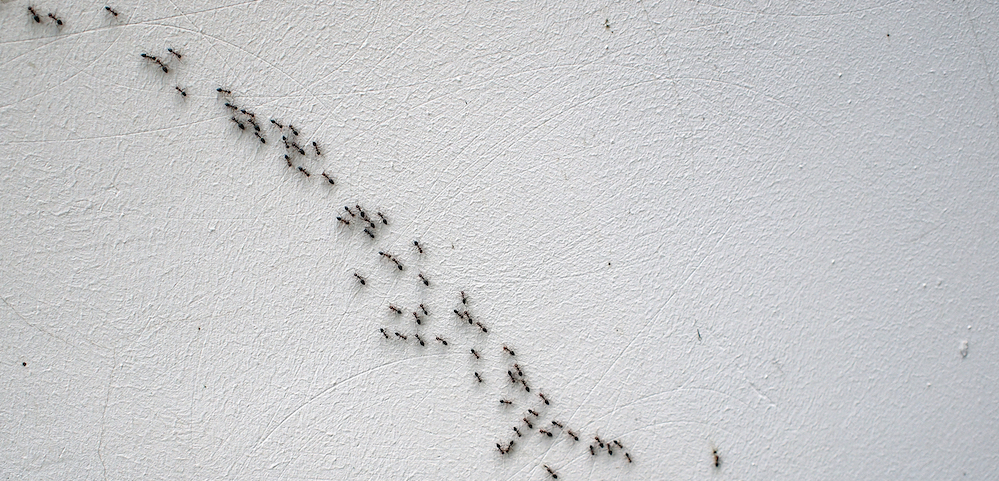
Let’s start with why you’re suddenly seeing ants. Ants are always looking for food. Most likely, your kitchen has food. Simple. But maybe you don’t have any food laying around, easily accessible to the ants. No spills or messes left uncleaned. And still… those pesky ants are trailing around your sink or across the countertops. Why? They’re foraging for food and even the smallest supply (that you can’t even see) will keep them busy for days.
How to Get Rid of Ants?
Next question: How to get rid of ants? Start with the basics. Clean any kitchen spills immediately. Wash dirty dishes after using them. Take the trash out daily. Don’t leave any unsealed food out. Kill any ants you see with a household pest product and clean the areas thoroughly. Try and find where the ants are coming in. Clean these areas too and seal any points of entry. Apply an ant bait product near entry points, preferably on the outside of your home so the ants don’t have to come back inside to eat the bait. The goal here is for the ants to take the bait back to their colony, therefore eliminating the source.
How to Prevent Ants?
So now that you’ve eliminated the ants you’re seeing today, how can you keep them out tomorrow and the next day? The answer isn’t as simple. Ants are everywhere and they are constantly looking for food to feed their colony. You can eliminate one tribe and another will appear within days or weeks. This is why preventative pest control is so important and necessary.
DIY or Professional Pest Control?
If you have the time and patience for DIY pest control, you should repeat the above process regularly, in addition to treating the perimeter of your home with some type of granular pesticide. Or you can save time and your sanity and call a pest control company.
Our comprehensive pest control service covers ant control and so much more. Trained technicians will inspect your home quarterly for current pest infestations or entry points, treat and correct these issues, and implement treatment methods that will prevent future infestations. Our unique pest control program, NorPest Green, utilizes the latest professional products (all of which are completely environmentally, kid and pet friendly) and equipment, and comes with a pest-free guarantee.
For more information or to schedule a free pest inspection, visit our pest control services page or call (888) 466-7849. If you’re seeing a few ants now, most likely there are hundreds more that you can’t see. Our advice: act quickly before the ants takeover and move into other parts of your home.
Jul 8, 2013 | Fire Ant
Fire Ant
Brief description:
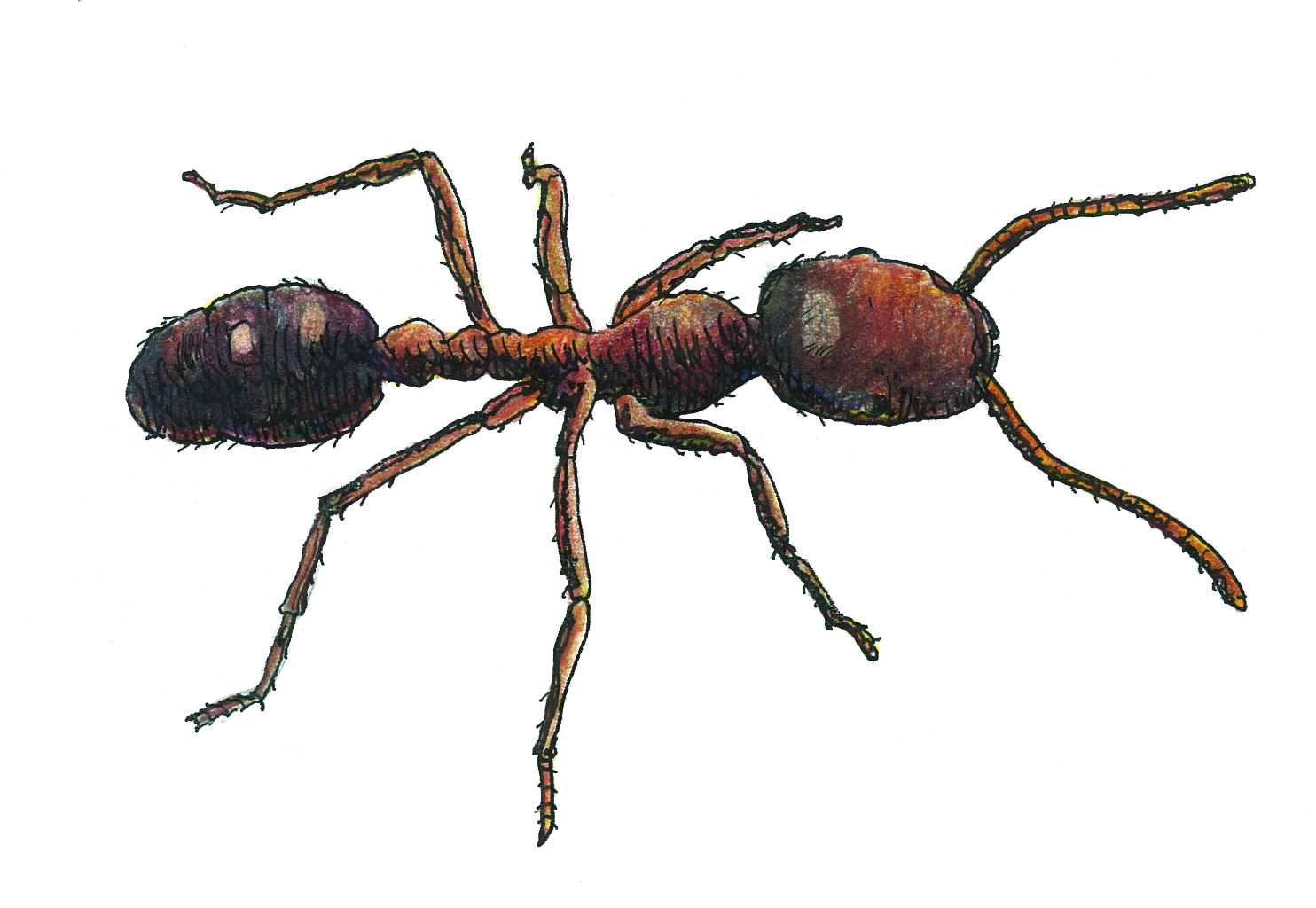
Fire ants get their name through their ability to inflict painful bites and stings. They vary considerably in size and build large raised mounds in lawn areas. One interesting fact about fire ants is they have been known to infest electrical boxes en masses, causing the equipment to malfunction.
Habits:
- Build nests in soil near structural foundations or in landscaping.
- Nests can be between 2 and 4 square feet in size.
- Although they typically make their nests outside, they can enter structures through HVAC systems, electrical lines, and even under siding.
Different species:
- Argentine ants
- Carpenter ants
- Odorous house ants
- Pavement ants
- Crazy ants
- Acrobat ants
Threats:
- Produce a painful sting when they feel threatened.
- Sting results in a painful, raised bump.
- Often receive more than one sting at a time.
- Devastates local insect populations and small wildlife when it invades an area.
- Many grouse and ground nesting bird species have been eliminated by fire ants when they attack newly hatched nestlings.
Prevention:
- Avoid fire ant mounds.
- Seal all entry points into a structure.
- Contact a licensed pest professional if you have fire ant nests in your lawn.
Other pests to look out for:
- Other species of ants listed above