Jun 30, 2017 | Mosquito, Pest Control
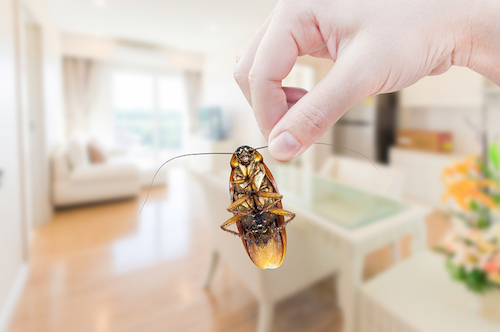
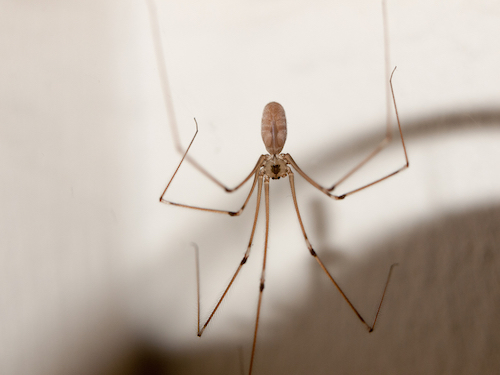
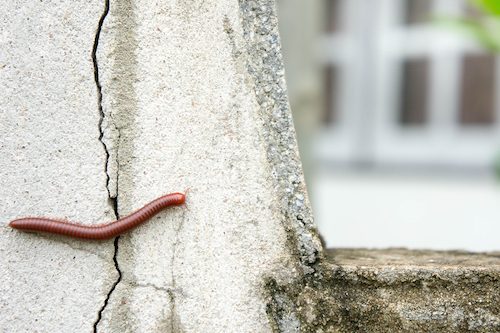
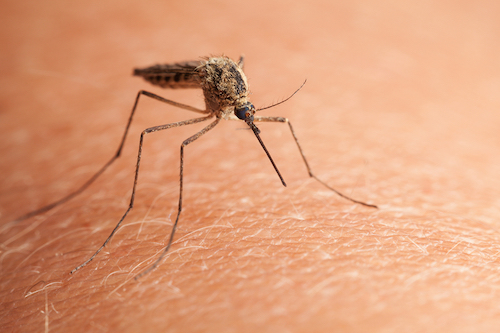
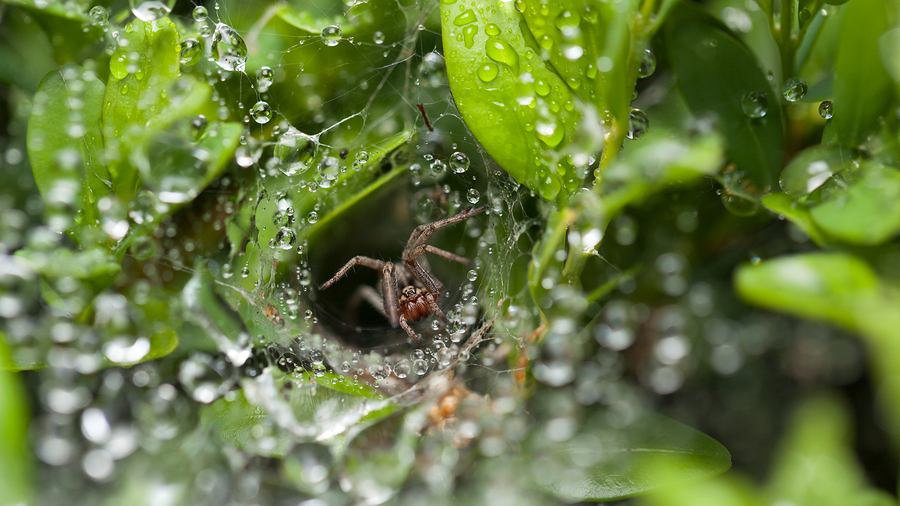
Common pests you’ll see after rainy weather:

The best way to prevent rainy day bugs:
- Keep shrubbery and trees trimmed and away from your home’s exterior
- Take out garbage daily
- Clean up spills immediately
- Don’t leave pet food out
- De-clutter
- Seal off pest entry points
- Interior and exterior pest control treatments by a professional exterminator
- Eliminate sources of standing water (inside and outside)
- Mosquito bite prevention
- Monthly mosquito treatments
May 11, 2017 | Pest Control
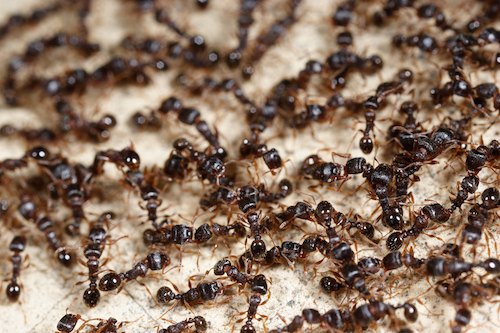
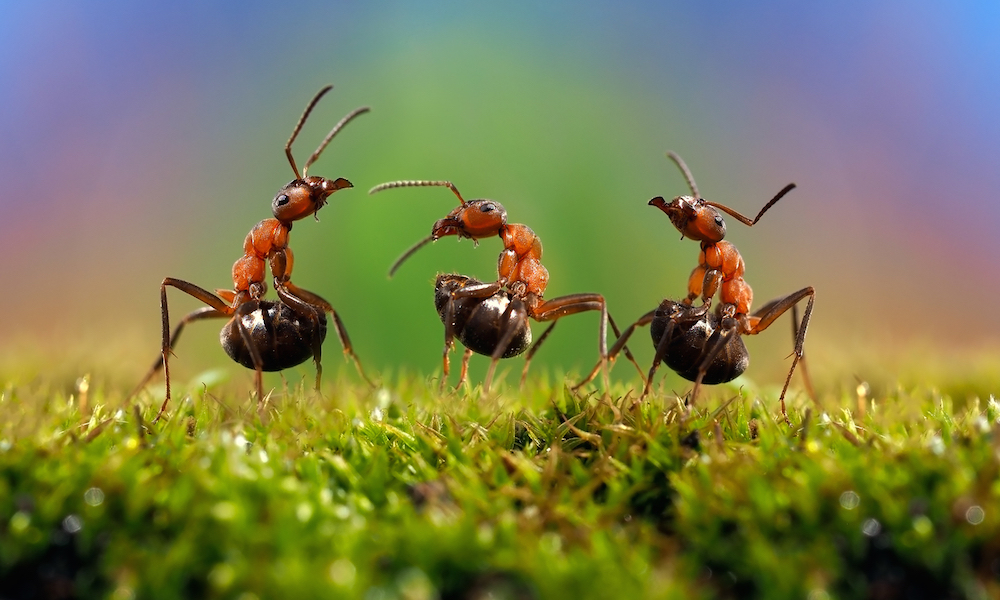
Ants can be one of the most difficult pests to rid your home of and, unfortunately, one of the most common. They’re the number 1 nuisance pest in America, according to pestworld.org!
Here are some ways you can get rid of ants and/or prevent an ant infestation in your home, without using harsh chemicals:
- Ants are looking for food and water; start by eliminating all food and water sources in and around your home.
- Cut back trees and other plants so that there’s no direct access for ants from outdoors into your home.
- Clean house: keep the kitchen clean, take out trash daily, don’t leave dirty dishes in the sink, sweep or vacuum any areas where food is handled daily, and store uneaten food in sealed containers.
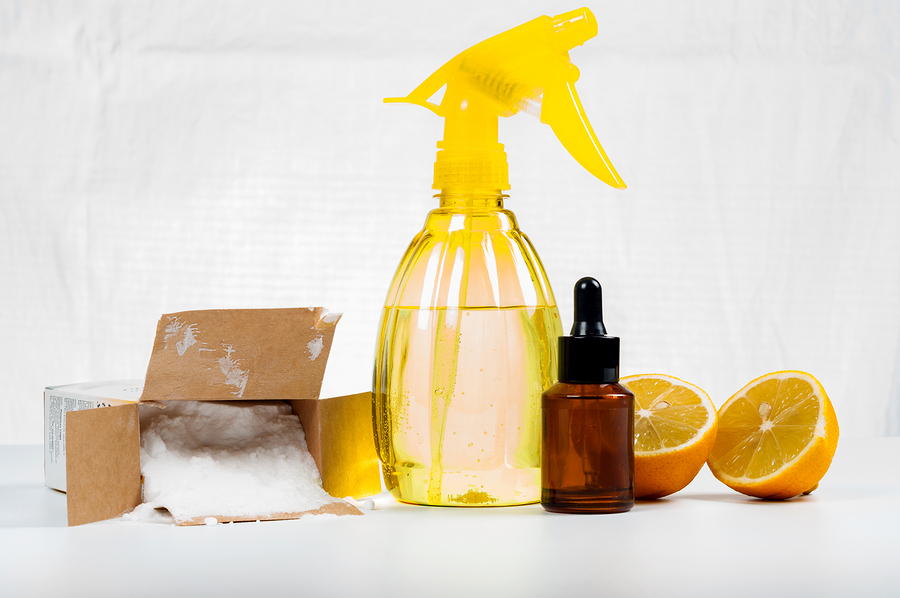
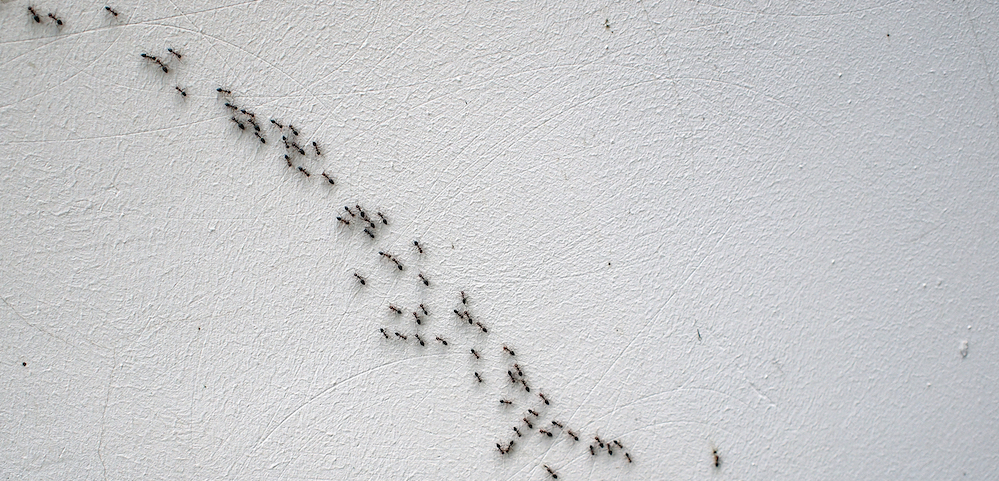
- Use a 1 part white vinegar, 1 part water mixture and apply to any areas ants are crawling. This will disrupt their pheromone trails making it harder for them to return to the water/food source. You can also use this mixture to wipe down countertops in the kitchen as a natural ant deterrent.
- Seal and/or repair ant entry points – damaged or missing window or door screens, gaps or holes in flooring, around baseboards, doors, windows, broken or missing vents, and around plumbing
- Kill ants on contact with a soapy water mixture – 1 tsp of liquid dish soap mixed with a full spray bottle of water will work great. This will also help to deter ants from using the same paths by removing their scent trails.
- Draw chalk barriers around ant entry points making sure there’s no break in the lines.
- A key step in eliminating ants is to identify the type of ant you’re dealing with since that will determine how to get rid of them. We recommend contacting an exterminator, one that specializes in organic pest control solutions, to identify your pest issue, inspect for all entry points, and to provide you with treatment recommendations. Green pest control is just as effective as traditional pest control and utilizes botanical and earth-based products that work naturally to get rid of ants and are family and pet-friendly.
Aug 26, 2016 | Pest Control
Ants are one of the most common household pest invaders and often one of the hardest to get rid of. Here’s why:
There are over 12,000 species of ants worldwide and about 1,000 here in the U.S. They’re social insects so they live in large colonies, some with millions of ants depending on the species. Ant queens can survive for several years and have millions of ant offspring, compared to many other pests that tend to have shorter lifespans and lower reproduction rates. So it’s likely you have several ant colonies around your home with queens that are reproducing, male ants to mate with the queens, soldier ants to protect the queens and babies, and worker ants to gather food and build anthills, mounds, and nests.
So where are these nests? Larger ant colonies require complex nests that often take up large amounts of space, often covering an acre of land or more! Their nests are usually underground with mounds or anthills that they use to gain access to the nest, in walls, and under fallen trees, rocks, or debris.
The most effective way to get rid of ants or prevent ants is to go after the colony’s queen. An ant colony will usually only survive for a few weeks to months, depending on the colony’s size, after a queen dies since the queen is the only ant in the colony able to reproduce. And colonies rarely replace a queen, therefore the entire colony is dismantled and without purpose. This process can happen naturally, when other ant colonies invade one another, or through targeted, integrated pest management (IPM) techniques. While on-contact pesticides can be effective in killing the ants you’re seeing, they do nothing to eliminate the thousands of ants you don’t see, hiding out in the colony. But because ants work in an organized system, we can “feed” the worker ants traveling to and from the colony poisonous baits. These baits usually contain a sweet substance that ants are attracted to and will take back to their colony to feed to the others (queen included). And because most baits are slow-acting, the ants have time to distribute the poisonous food to the colony before the bait begins to work. When the ants begin to die, the bait continues to work to eliminate other ants in the colony since the dead ants will be eaten by the colony, thereby continuing the spread of poison throughout the colony. This process of colony elimination can take a few days up to 2 or 3 weeks, depending on the size of the colony.
In order to get rid of ants through colony elimination, it’s important that baits are placed in the right areas and that you allow enough time for the bait to work before cleaning up dying or dead ants. If you’re unsure which products to use or how and where to use ant baits, contact your local exterminator. A pest control professional will inspect your home for ant entry points and provide you with a treatment plan that works now and for future ant prevention.
Aug 26, 2016 | Pest Control
Ants are one of the most common household pest invaders and often one of the hardest to get rid of. Here’s why:
There are over 12,000 species of ants worldwide and about 1,000 here in the U.S. They’re social insects so they live in large colonies, some with millions of ants depending on the species. Ant queens can survive for several years and have millions of ant offspring, compared to many other pests that tend to have shorter lifespans and lower reproduction rates. So it’s likely you have several ant colonies around your home with queens that are reproducing, male ants to mate with the queens, soldier ants to protect the queens and babies, and worker ants to gather food and build anthills, mounds, and nests.
So where are these nests? Larger ant colonies require complex nests that often take up large amounts of space, often covering an acre of land or more! Their nests are usually underground with mounds or anthills that they use to gain access to the nest, in walls, and under fallen trees, rocks, or debris.
The most effective way to get rid of ants or prevent ants is to go after the colony’s queen. An ant colony will usually only survive for a few weeks to months, depending on the colony’s size, after a queen dies since the queen is the only ant in the colony able to reproduce. And colonies rarely replace a queen, therefore the entire colony is dismantled and without purpose. This process can happen naturally, when other ant colonies invade one another, or through targeted, integrated pest management (IPM) techniques. While on-contact pesticides can be effective in killing the ants you’re seeing, they do nothing to eliminate the thousands of ants you don’t see, hiding out in the colony. But because ants work in an organized system, we can “feed” the worker ants traveling to and from the colony poisonous baits. These baits usually contain a sweet substance that ants are attracted to and will take back to their colony to feed to the others (queen included). And because most baits are slow-acting, the ants have time to distribute the poisonous food to the colony before the bait begins to work. When the ants begin to die, the bait continues to work to eliminate other ants in the colony since the dead ants will be eaten by the colony, thereby continuing the spread of poison throughout the colony. This process of colony elimination can take a few days up to 2 or 3 weeks, depending on the size of the colony.
In order to get rid of ants through colony elimination, it’s important that baits are placed in the right areas and that you allow enough time for the bait to work before cleaning up dying or dead ants. If you’re unsure which products to use or how and where to use ant baits, contact your local exterminator. A pest control professional will inspect your home for ant entry points and provide you with a treatment plan that works now and for future ant prevention.
Jun 17, 2016 | Pest Control
Ants are resilient pests. They’re active year-round, often seen in overwhelming numbers, and resistant to a lot of pest control methods. While getting rid of ants may seem like an impossible feat, we’re here to tell you that it is possible. Here’s what you can do to get rid of ants in your home this summer.
1. Eliminate Sources of Moisture
Just like us, ants need water to survive. This time of year especially, they’re in search of a steady water source. Repair leaky plumbing, use dehumidifiers in damp basements, attics and/or crawlspaces to keep the spaces dry, keep gutters clean, and remove any sources of moisture around your home’s perimeter.
2. Keep a Clean House
Just like water, ants are looking for food. Even the smallest amount can satisfy ants and keep them coming back for more so be sure to clean up spills immediately, wipe away crumbs, clean behind appliances, and take out the trash daily. Keep food sealed in storage containers and consider storing fruit in the refrigerator.
3. Don’t Leave Pet Food Out
Remove your pet’s bowls every day after they’ve eaten and store their food in sealed containers. If left our or in dog food bag, you’ll attract ants and other pests.
4. Create a Pest-Proof Barrier
Even if you have food and water sources in your home for ants, they won’t be able to access them if they can’t get inside. Do a thorough check of you home, looking for any cracks & crevices, holes around doors & windows, gaps around plumbing pipes, and seal up any of these areas with a silicone-based caulk. Not sure where to look? Contact a pest control company. Your exterminator will do an inspection of your home as part of a pest control program, and recommend areas to be corrected or offer repair solutions.
5. Quarterly Pest Control Treatments
To get rid of ants and other pests, and to prevent them from coming back, consider hiring a professional pest control company. Most treatment plans consist of quarterly treatments and cover a wide range of pests – ants, roaches, spiders, mice, and more. Get started by requesting a free pest control quote.