Jun 21, 2018 | Pest Control
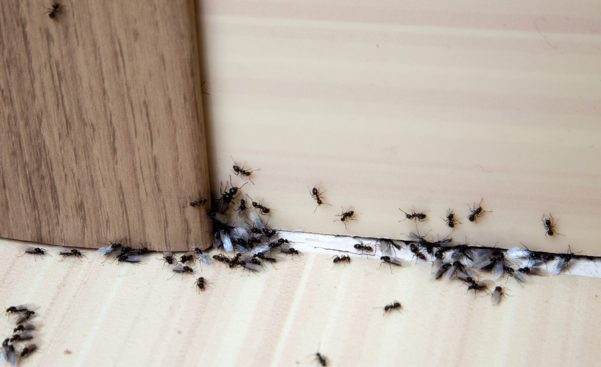
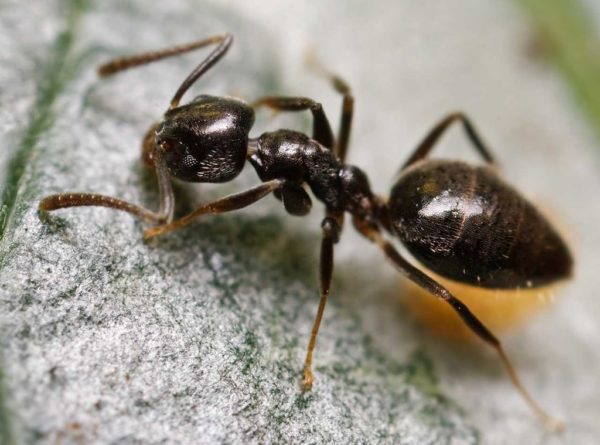
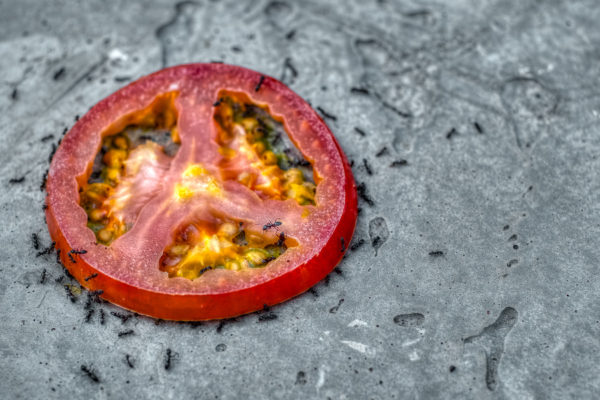
Ants are the most common household pest in the United States, especially during the summer months. As the weather warms up ants come indoors in search of food and water. While most ants are harmless, a few of them can cause problems for you and your home. Odorous ants can contaminate your food, carpenter ants can cause damage to wood structures, and fire ants will definitely sting if they feel threatened. When ants get into your home they can be found in kitchens, bathrooms, basements, and even around air conditioning units. Ants can be one of the hardest pests to get rid of. One key to controlling ants is through prevention. What can you do to keep these pests from ruining your summer? Check out these 14 tips for summer ant prevention.
- Keep your food sealed in airtight containers, even pet food.
- Keep your pet’s food and water dishes clean and don’t leave them out overnight.
- Wipe up any crumbs or spills immediately.
- Thoroughly clean your counter tops, cupboards, cabinets and other kitchen surfaces regularly.
- Make sure to also clean under your sink, stove, and refrigerator.
- Sweep your kitchen and bathroom floors daily.
- Vacuum regularly to pick up any missed food crumbs.
- Don’t leave dirty dishes in the sink overnight.
- Dispose of your trash promptly.
- Inspect the outside of your home for cracks and holes and seal them with silicone caulk.
- Caulk around your windows and doors and repair any holes or gaps in them.
- Replace weatherstripping around windows and doors and repair loose mortar around your foundations.
- Keep tree branches and other shrubbery trimmed back from the sides of your house as ants can use these to access your home.
- If you have an ant problem, contact a professional pest control company who can identify the type of ants you have and recommend the appropriate treatment for them.

May 25, 2018 | LeafProof, Mosquito, Pest Control
One of the perks of summer is spending more time doing what we enjoy outdoors – barbecues, picnics, gardening anyone? But, you know that all of these fun activities come with another risk – pests! Nothing ruins a picnic faster than ants or mosquitoes. What can you do to make sure you can still enjoy all the fun times outside this summer? Check out these 9 ways to protect your outdoor fun from pests.
- Remove standing water. Standing water is the perfect breeding ground for mosquitoes. Walk around your yard and fill in any areas where water is prone to pooling. Use pumps in ponds and fountains. Empty out any containers that contain standing water like wading pools, flower pots, buckets, toys, wading pools, and more. Check gutters and rain spouts for clogs and clear them. Consider using gutter guards to help prevent clogs. Check around AC units for leaks.
- Clear out clutter and debris. There are lots of items around your yard that can hold rainwater like toys, tires, and even half empty bags. Make sure these are empty and cleared away or, if you can’t get rid of them, turn them over so they can’t collect water. Piles of leaves, fallen branches, and rotting fruit can attract pests to your yard by providing them with food and shelter. Make sure these are cleared out of your yard.
- Landscape your yard. Tall grass and weeds can harbor ticks, fleas, and ant hills. Mow your lawn regularly in spring and summer so pests have less places to hide. Overgrown shrubbery and tree branches that are in contact with the side of your home can provide a clear pathway for roaches and other pests. Keep trees and shrubs trimmed with at least 1 foot between the branches and the walls of your home.
- Store firewood properly. Firewood provides food and shelter for many different pests, especially termites. Make sure firewood is dry before storing it. Keep firewood stacked above the ground and use a rack or a platform if possible. This way ants and termites can’t easily access the wood. Make sure firewood is stored at least 5 feet away from any structures like houses or sheds. If possible, store firewood with a cover or roof over it.
- Use screens. Keep windows and doors closed as much as possible. Make sure doors and windows have screens on them. Check screens regularly for holes and tears and repair or replace them as needed. Check around doors and windows for gaps and replace weatherstripping as needed.
- Inspect your outdoor equipment. Regularly check the chains of swing sets and the corners of outdoor furniture for spiders and egg sacks and remove them immediately. Check under your porch, in your eaves, or near your grill for wasp nests and remove them immediately. Keep outside toys outside and inside toys inside. If you have to bring outside toys items inside make sure to wipe them down beforehand.
- Cover your food. Keep all food and beverages in sealed covers and containers. Keep food covered at all times. Keep garbage containers sealed. Bring utensils and dishware indoors shortly after the meal. Clean trash, spills, and crumbs immediately from tables and other surfaces. Rinse all beverage bottles and cans and dispose of them in tightly closed garbage containers. Use clear plastic cups for drinks since aluminum cans and plastic bottles provide hiding places for stinging insects.
- Use insect repellent. Mosquitoes are most active from dusk to dawn. If you must be outdoors during this time, use insect repellent that contains DEET. Use repellent on both exposed skin and on your clothes. Wear long sleeves and pants to avoid bites. Use citronella candles around decks and patios.
- Call a professional. If you suspect you have a pest problem, call a professional pest control company who can provide you with a thorough evaluation and a comprehensive treatment and prevention program for pests.
Mar 23, 2018 | Pest Control, Wildlife
Pollination is when pollen grains are transferred from one flower to another. Pollination allows plants to produce seeds which is how they reproduce. Pollinators are animals and insects that are responsible for helping with the pollination of over 80% of the world’s flowering plants. Animal pollinators are vital in the reproduction of flowering plants and the production of most fruits and vegetables. They accomplish this by getting their food from flowers (think nectar and pollen) and collecting pollen on their bodies in the process. They then move on to another plant and leave the hitchhiking pollen behind, providing the new plants with the pollen they need to reproduce.
Some of the most common animal pollinators that come to mind are bees and butterflies. But did you know there are several other animals you might not have known who are expert pollinators? Here are a few animal pollinators along with the types of plants they pollinate:
ANTS:
Ants love nectar. Because they don’t fly they have to crawl into flowers to get to this nectar. Once inside the flower, pollen sticks to their bodies, allowing them to transfer it to other flowers when they move on. Tropical plants have nectar outside their flowers to attract ants to them. They then use these ants as “protectors” from other insects.
Ants pollinate flowers that:
- Are low growing
- Are small and inconspicuous
- Have flowers close to their stems
BATS:
Bats are known as one of the “night shift” pollinators. They are most common in tropical and desert climates. They are prevalent in the southwest US, Africa, Southeast Asia, and the Pacific Islands as pollinators. In fact, mangoes, bananas, and guavas depend on bats for pollination. In the US and Central America, the agave plant (which is used to make tequila) and the Saguaro cactus are also dependent on bats for pollination.
Bats pollinate flowers that:
- Open at night
- Are large in size
- Are pale or white in color
- Are very fragrant
- Have copious nectar
BEES:
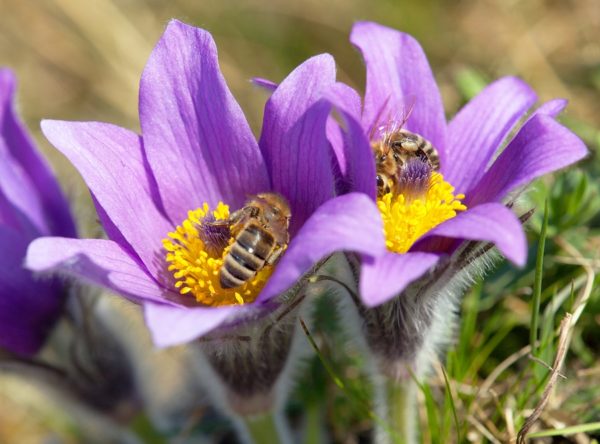
Bees are known as the “champion” pollinators and are also the most common. There are over 4000 species of bees in the United States alone. Bees purposefully visit flowers to collect pollen and nectar which they use to feed themselves and their young. Many flowers that bees pollinate have an area of low UV reflection near their centers. Humans can’t see UV reflection so we don’t notice them. Bees, however, use them as a target to guide them to the center of the flower.
Human Perspective Bee Perspective
Photos courtesy of Apalachicola National Forest.
Bees pollinate flowers that:
- Are full of nectar
- Are brightly colored (usually blue or yellow) (bees can’t see red)
- Have a sweet or minty flavor
- Are open in daytime
- Provide landing platforms
- Have tubular flowers with nectar at the base
BEETLES:
Beetles were among the first insects to visit flowers. They are important pollinators for ancient species like magnolias. They are known as “mess and soil” pollinators because they eat through flower petals to get to the nectar and then defecate inside the flowers. Fossil records show that beetles were abundant as far back as 200 million years ago.
Beetles pollinate flowers that:
- Are bowl shaped with their sexual organs exposed
- Are white to green in color
- Have a strong fruity fragrance
- Are open during the day
- Have a moderate amount of nectar
- Have large, solitary flowers
BIRDS:
Birds are important pollinators of wildflowers. Hummingbirds are the most important bird pollinators in the United States. In the eastern United States there is only one species that acts as a pollinator and that is the ruby throated hummingbird. Hummingbirds have good eyesight and are extremely attracted to red flowers. They use their long bills to collect nectar and the pollen then dusts their heads and faces.
Hummingbirds pollinate flowers that:
- Are tubular with recurved petals
- Have tubes, funnels, and cups
- Are brightly colored red, yellow, and orange
- Are odorless
- Are open during the day
- Have prolific amounts of nectar
- Have a modest amount of pollen
BUTTERFLIES:
Butterflies are very active during the day. Their body structure doesn’t allow them to pick up as much pollen as bees and other insects but they can see red where bees can’t. Butterflies produce scents that attract other butterflies of the opposite sex. This scent they produce smells like the flowers that they are attracted to.
Butterflies pollinate flowers that:
- Have flowers with clusters and landing platforms
- Are brightly colored (red, orange, yellow)
- Are open during the day
- Have ample nectar
TWO-WINGED INSECTS:
Two winged pollinators include flies, gnats, and mosquitoes. These insects aren’t as fuzzy as bees so they don’t pick up as much pollen. They are still, however, important pollinators, especially for some species of orchids.
Two-winged insects pollinate flowers that:
- Are pale and dull to dark brown or purple in color
- Are sometimes flecked with translucent patches
- Have a putrid odor
- Produce pollen
- Have funnel-like pollen
MOTHS:
Moths are the other member of the pollination “night shift” along with bats. Some moths are also active as pollinators during the day. The yucca plant is one important plant that is dependent on moths for survival.
Moths pollinate flowers that:
- Have clusters and landing platforms
- Are white or dull in color
- Are open in late afternoon or at night
- Have ample nectar
- Have nectar that is deeply hidden
WASPS:
Wasps look like bees but have much less hair. This makes them less efficient as pollinators because pollen is less likely to stick to their bodies. Wasps need pollen and nectar for energy. Fig wasps are responsible for pollinating almost 1000 species of figs.
Wasps pollinate flowers that:
- Are full of nectar
- Are brightly colored (usually blue or yellow) (bees can’t see red)
- Have a sweet or minty flavor
- Are open in daytime
- Provide landing platforms
- Have tubular flowers with nectar at the base
OTHER POLLINATORS:
There are several other uncommon pollinators. Lizards, geckos, and skinks can be pollinators. They climb inside flowers to drink the nectar and the pollen then sticks to their scales. Lemurs and possums can also pollinate. They use their snouts and tongues to get nectar from plants and then have their faces and snouts dusted with pollen.
We consider most of the animals and insects that are pollinators as nuisances and pests. As much as we don’t want them in our homes, they do play a very critical role in the survival of plants and food. It is important that while we should take steps to prevent them from invading our homes, we should be very careful with how we handle them should they make themselves at home in our area. If you suspect you have a problem with any of these pollinators, contact a professional pest control company who can give you a thorough evaluation and provide you with a treatment plan that both benefits you and protects these important species.
Mar 9, 2018 | Fire Ant, Pest Control
Ants have been named the #1 nuisance pest in the United States. Ants are social insects that live in colonies. They enter our homes looking for food and shelter. Ants primarily look for foods that are sugary and sweet or greasy and protein-based. Once they find food, they leave a pheromone trail behind that other ants will follow.
There are over 700 species of ants in the United States. At least 20 of these species are known to infect homes and other structures. There are several species of ants that are common to our area. The 5 most common are:
FIRE ANTS:
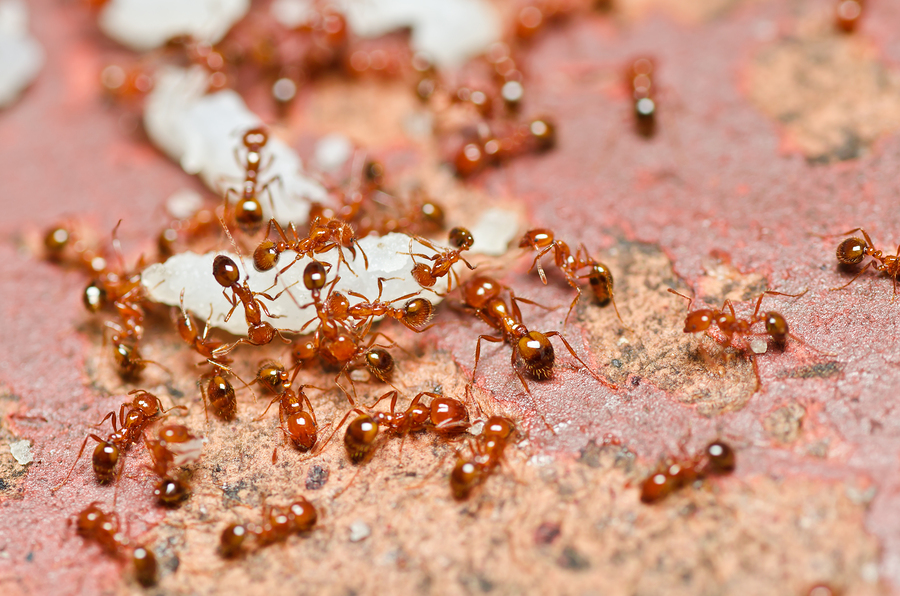
Fire ants build large, raised mounds. They prefer to nest in open, disturbed areas. They commonly nest in yards, fields, and roadsides. Fire ants are known to devastate local insect populations and small wildlife. They are also known to eliminate ground nesting bird species because they attack their newly hatched nestlings. Fire ants cause painful stings when they bite and will bite humans when threatened.
CARPENTER ANTS:
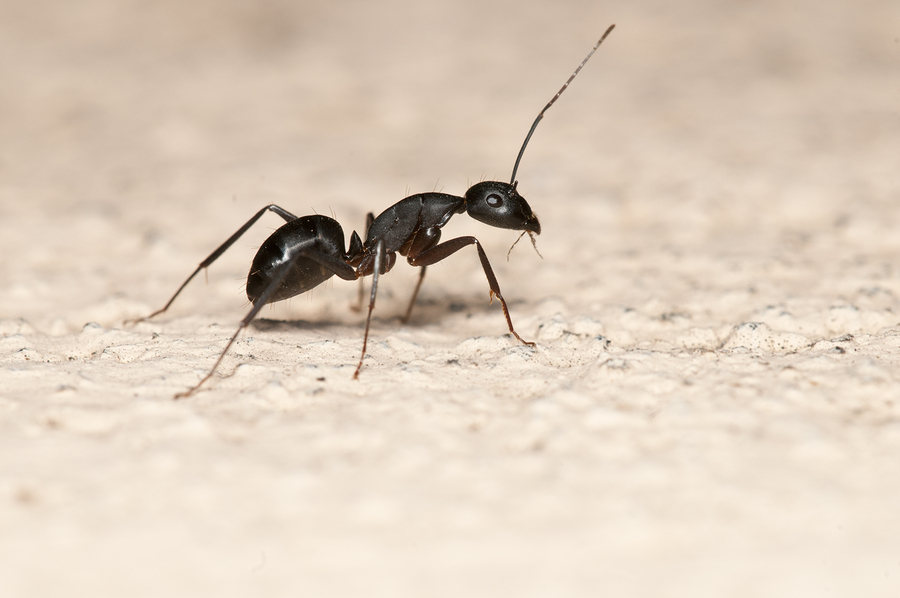
Carpenter ants are black in color. They are nocturnal and will exit their nests about 15 minutes after sunset in large numbers. Carpenter ants will invade kitchens in the summer months in search of food and water. They will invade structures if moisture is present. Carpenter ants can be very destructive to homes.
ARGENTINE (SUGAR) ANTS:
Argentine ants are light brown in color. They can easily squeeze through small cracks and holes. Argentine ants are known to set up colonies in the ground, in concrete walls, between boards and timbers, and among the belongings in your home. These ants are commonly seen in homes and will enter them in search of food and water. They are especially common during dry or hot weather or after a heavy rainfall. Argentine ants exhibit strong trailing behavior and can exist in high numbers. They move very quickly and are named among the world’s 100 worst animal invaders.
ACROBAT ANTS:
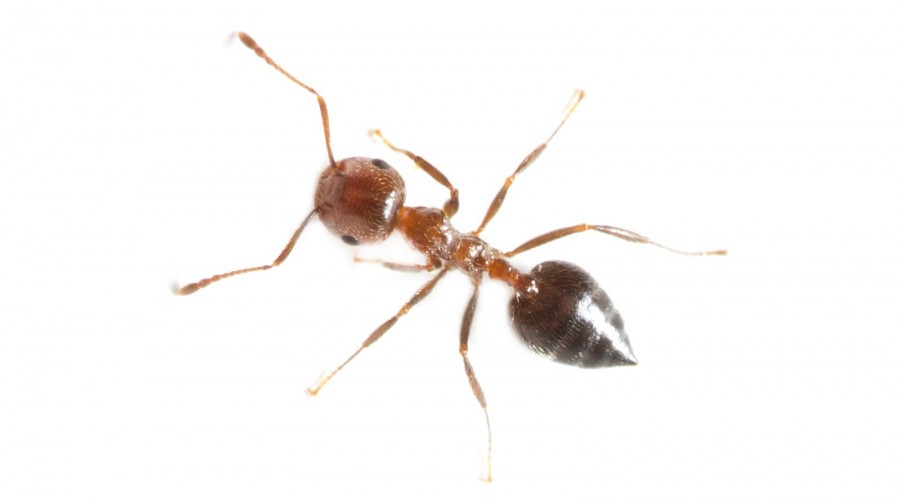
Acrobat ants are dark colored with a heart shaped abdomen that they will hold up in the air like a flag when disturbed. They will nest inside decaying wood. Acrobat ants form single file trails and leave behind small sawdust piles that are similar to those of carpenter ants. These ants produce a mild sting when they bite. Acrobat ants may move into your attic to incubate their eggs and will tunnel into water damaged wood.
ODOROUS HOUSE ANTS:
Odorous house ants are dark colored and give off a strong rotten coconut smell when they are crushed. They exist in large numbers where there is plenty of moisture. They form trails similar to Argentine ants. Odorous house ants are one of the most difficult pests to get rid of from structures. They will often establish their colonies in earth filled porches and block walls.
PREVENTION:
Since ants are one of the most difficult pests to get rid of, what can you do to keep them from invading your home in the first place? Check out these tips for keeping the ants out of your personal space.
LOCATION:
- Learn where ants are common and routinely inspect those areas for activity.
- Ants will frequently infest kitchens because of the ample supply of food and water.
- Ants are also commonly found in bathrooms, bedrooms, living rooms, basements, attics, inside walls, and in and around HVAC units.
FOOD:
- Ants will come into your home in search of food for themselves and their young.
- Keep your kitchen clean and tidy.
- Wipe down counters routinely.
- Sweep on a regular basis.
- Clean up crumbs and spills immediately.
- Store your food in air-tight containers.
- Keep ripe fruit in the fridge.
- Wipe down sticky jars such as jelly or jam.
- Use lids on trashcans and empty them regularly.
- Make sure sink drains and filters are cleaned regularly.
- Enclose mulch and compost heaps when possible.
WATER:
- Reduce moisture and standing water around your home.
- Repair leaky pipes and check under your sinks routinely for drips.
- Use a dehumidifer in damp basements, crawlspaces, and attics.
- Consider enclosing your crawlspace to eliminate moisture.
- Make sure gutters and downspouts are clear and functional so water flows away from foundations.
- Paint or seal any exposed wood before it gets wet.
- Replace or remove any water damaged wood.
ACCESS POINTS:
- Ants can squeeze through extremely small openings.
- Inspect the outside of your home for any easy access points and eliminate them.
- If you are having trouble identifying the access point, follow the trail of ants.
- Once you find the entry point, clean around it with detergent to remove the pheromone trail that attracts fellow ants.
- Trim trees and bushes away from the exterior of your home.
- Seal any cracks and crevices in the outside of your home with silicone-based caulk. Make sure to check around areas where utility pipes come into your home.
- Remove dead stumps from your property.
- Store firewood off the ground and at least 20 feet from your home.
- Flying ant season begins in spring/summer. During this time of year keep doors and windows closed as much as possible.
PETS:
- Pet food and water bowls also attract ants.
- Keep pet food bowls clean and clean up any spilled food or water immediately.
- Don’t leave pet food bowls out overnight.
- Store dry pet food in sealed plastic containers instead of bags.
- Inspect dog and cat doors to make sure pests can’t get through them.
CALL THE PROS:
Eliminating ants can be an uphill battle. If they aren’t properly treated, the infestation can continue to grow despite your best efforts. Some ants like carpenter ants can cause serious property damage. Other ants like fire ants can pose a serious health threat to your family. Other species, while not necessarily a threat to your family, can still contaminate your food. If you suspect you have an ant problem call a professional pest control company. A professional can identify what species of ant you have which is the first step in eliminating these nuisance pests. They can also find the entry points and provide you with a thorough and comprehensive treatment plan.
Feb 2, 2018 | Pest Control
Just like the weather changes with each season, so do the pests that we see. Some pests prefer warmer weather and peak in spring and summer while other pests will surge in the winter as they come inside to get out of the cold. The ways that you prepare your home will depend on what time of year it is and what pests you are preparing for. We have provided you with a few of the most common pests for each season so you can be better prepared all year long.
SPRING:
Springtime brings about an increase in temperatures, the melting of ice, and the blooming of flowers. These warmer temperatures bring many pests out from their winter hiding places. As these animals emerge they will have one thing on their minds – food and water! Spring is also mating season for many species. Here are some common spring pests to look out for:
- Ants: Ants forage for food in warmer weather. As the temperatures increase, ants will venture farther and farther from their colonies in search of food. This will eventually drive them into our homes. The heavy rains in spring also drive ants out of their colonies in search of higher ground.
- Termites: Spring is the start of termite season as they leave their nests to mate and start new colonies. This is also known as “swarming.”
- Mosquitoes: Heavy spring rains provide the ideal breeding ground for mosquitoes. Mosquitoes will increase their activity in spring in preparation for their peak season which is summer.
- Flies: Flies reach maturity at the beginning of spring. Once they mature, they will flock to areas that humans inhabit as they look for food. They prefer liquids and other sweet foods.
- Spiders: Spiders become active in the spring as they search for food. The increase in insect activity as they wake from their winter slumber provides ample opportunities for spiders to feed.
- Stinging Insects: Stinging insects include bees, wasps, yellow jackets, and hornets. These insects wake up from their dormant stage in the spring and they become more active. Spring is the start of their mating season as they seek to establish their nests and breed.
- Bed Bugs: Although bed bugs are a year round problem, their populations can spike in springtime because of the increased travel for Easter and spring break from schools.
SUMMER:
While we get somewhat of a break from pests in the summer months, there are a few species who peak during this hot season. Summer is typically the time in many pests’ life cycles where they are maturing and are less of a threat to humans. Here are some common summer pests:
- Mosquitoes: Mosquitoes are the most common summer pest. The warmer temperatures allow mosquitoes to move through their life cycle faster which means they lay more eggs in the summer months. The summer rains also provide the ideal setting for mosquitoes to breed.
- Stinging Insects: Stinging insects reach their highest populations in the summer. They will often build their nests in any openings in your house, under overhangs or in the ground near your foundation.
- Ants: Ants continue to be a nuisance in the summer. As the rains continue through the season, ants will continue to seek shelter in higher ground. They will also continue to forage into our homes in search of food.
- Flies: Flies are most active in the summer months. This is also their peak breeding season. Flies will spawn in animal waste, garbage, and rotting foods.
- Termites: Termites are most productive in the summer. This is the season when they continue to consume wood while the queen continues to lay eggs and build their colonies.
- Bed Bugs: Once again, bed bugs are year round pests. Many populations thrive in the summer months because of an increase in travel during summer break from school.
FALL:
Fall brings about cooler temperatures. This is the time of year when pests start to prepare for the upcoming winter. Many pests will start to seek warmth and shelter inside our homes. Here are some common fall pests:
- Cockroaches: Cockroaches are some of the most common fall pests. Cockroaches cannot survive in colder temperatures so fall is when we see them start to migrate indoors in search of shelter and warmth. Cockroaches are known to hide near pipes and drains. They can spread disease and exacerbate asthma.
- Spiders: Spiders are also common in the fall for the same reasons as cockroaches. They will move indoors to avoid the harsh colder temperatures, as well as in search of food as many of the flying insect populations decline as the weather cools. Spiders also breed in the fall so activity will increase as males go in search of mates.
- Rodents: Rodents are another common fall pest. Rodents will migrate indoors as the weather cools in search of warmth, shelter, food, and water. Rodents not only spread disease but will also chew through wood supports and electrical wires in your home.
- Fleas: With rodents come fleas. Fleas flourish in warmer weather so as the weather cools, we see their populations indoors thrive. Fleas will hitchhike into your home on both your pets and any other wildlife that come into your home in the fall.
- Stinkbugs: Stinkbugs become a nuisance in the fall. Stinkbugs are known for emitting an extremely foul odor when they feel threatened. Stinkbugs are also considered a serious threat to agriculture as they can cause significant damage to crops.
WINTER:
While many pests hibernate or become dormant over the winter, don’t relax just yet! There are still many pests that we see in larger numbers in the winter months as they make their way into our home to avoid the harsh cold weather. Here are some common winter pests:
- Rodents: Rodents are the most common pests we see in the winter. Rats, mice, and squirrels will invade our homes in search of a warm place to stay and an ample supply of food and water.
- Roaches: While most cockroach species die off in the winter, Oriental roaches and German roaches are still active during this time of year. They seek dark, damp areas which are prevalent in the wintertime.
- Bed Bugs: Once again, bed bug populations are active year round but they often flourish during the winter months as these are some of the busiest travel times of the year.
As you can see, no two pests are alike and no two seasons are alike. In the same manner, one universal pest control method won’t work for different pests or for different seasons. It is important to know which pests thrive during which seasons so that you can better prepare your home year round to prevent an invasion. If you suspect that you have a pest problem in your home, contact a professional pest control company who can provide you with a thorough evaluation and set you up with a comprehensive treatment plan.