Oct 11, 2024 | Bed Bug
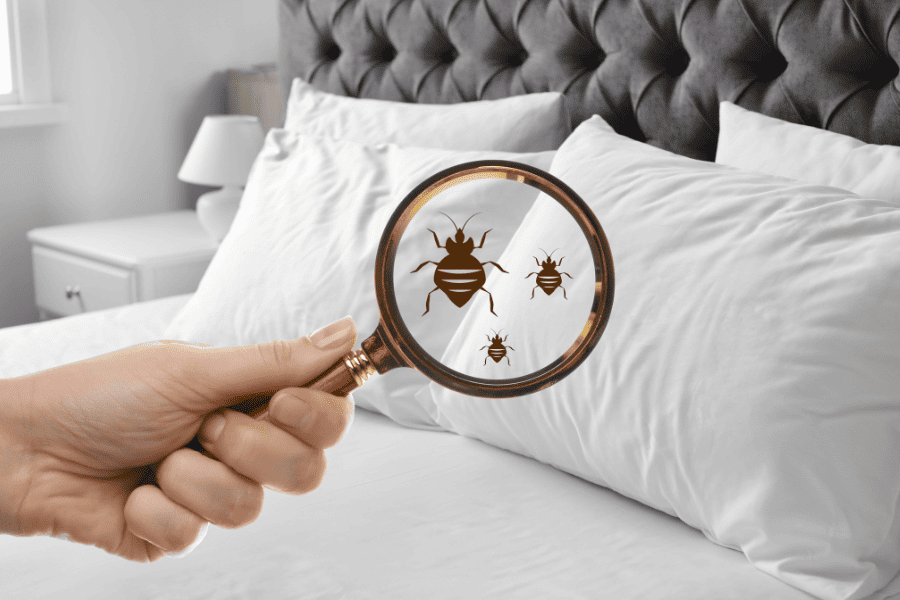
Bed bugs are small, elusive pests that can cause major problems for homeowners. A bed bug infestation can spread rapidly, creating discomfort and frustration. Early detection is critical to managing and eliminating these pests. But how do you know you have bed bugs? In this post, we’ll cover seven telltale signs of a bed bug infestation, where these pests are commonly found, how they spread, and tips on how to get rid of them.
Signs Of A Bed Bug Infestation
Bites on Your Skin
One of the most obvious signs of a bed bug infestation is waking up with red, itchy bites on your skin. These bites often appear in a line or cluster and are typically found on areas exposed while sleeping, such as the arms, legs, neck, and face. But what do bed bug bites look like? They are small, red welts that can easily be mistaken for mosquito or flea bites. However, bed bug bites are unique because they often occur in a zigzag pattern. If you wake up with bites you didn’t have the night before, especially if they follow this pattern, it’s time to investigate further.
Blood Stains on Sheets and Pillowcases
If you notice small blood stains on your sheets, mattress, or pillowcases, this could be another sign of bed bugs. These stains occur when a bed bug that has fed on your blood is crushed during sleep. The stains are usually small, rusty, or reddish marks. If you consistently find these stains, bed bugs may be lurking in your bedroom.
Dark, Rusty Spots on Bedding or Furniture
Bed bugs excrete dark, rusty-colored fecal spots that are often found on mattresses, box springs, bedding, and furniture. These spots are usually small but may appear in clusters. The easiest place to check for bed bug feces is around mattress seams, headboards, or other cracks and crevices in your furniture. The spots may smear if you rub them with a wet cloth, confirming that it’s bed bug waste.
Shed Bed Bug Skins
As bed bugs grow, they shed their exoskeletons multiple times throughout their life cycle. These discarded skins are a clear indicator of an infestation. The skins are translucent, pale yellow, and may be found near hiding places such as mattress seams, headboards, or cracks in furniture. Finding shed skins is an important clue when learning how to identify bed bugs, as it proves that the pests are actively growing and reproducing.
Bed Bug Eggs and Eggshells
Bed bugs lay tiny, white, oval-shaped eggs about 1mm in size. These eggs are sticky and often found in clusters in hidden areas, such as mattress seams, behind headboards, in cracks in furniture, and even under baseboards. The eggs and eggshells can be difficult to see without a close inspection, but if you spot them, it’s a clear sign that bed bugs are present and multiplying.
Musty Odor in Infested Areas
A bed bug infestation can also cause a distinct musty odor. Bed bugs produce pheromones that emit a sweet, unpleasant smell, which becomes more noticeable as the infestation grows. If your bedroom or other areas of your home have an unexplained odor, it’s a good idea to investigate for signs of bed bugs. This smell is particularly strong in heavily infested areas, so if you notice it, it’s likely that bed bugs have been present for some time.
Live Bed Bugs
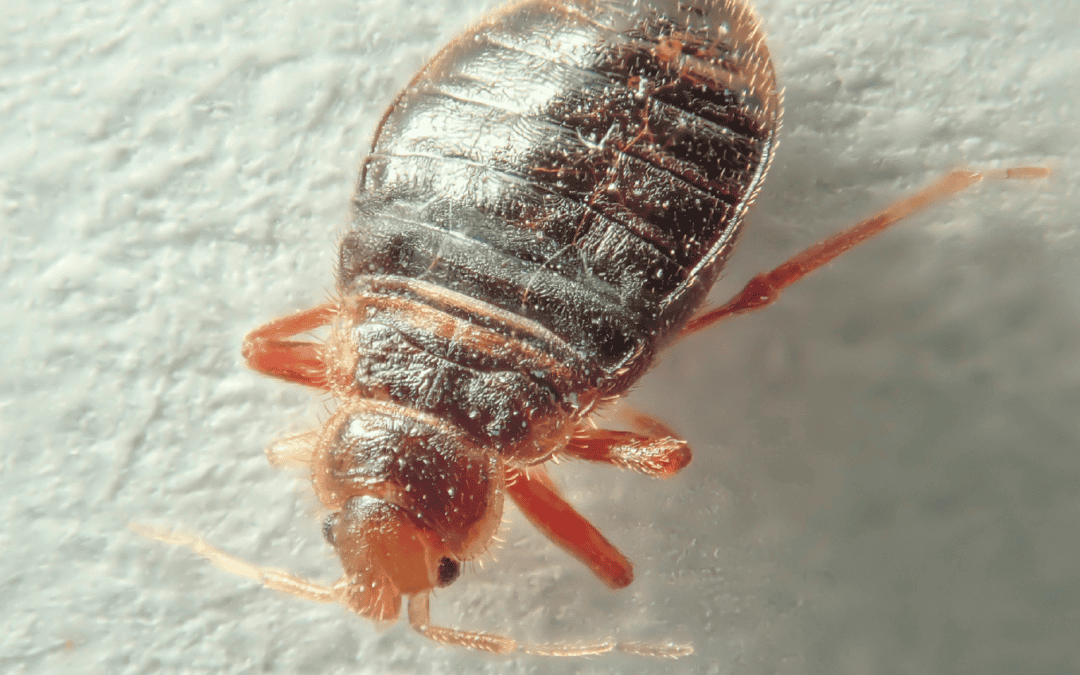
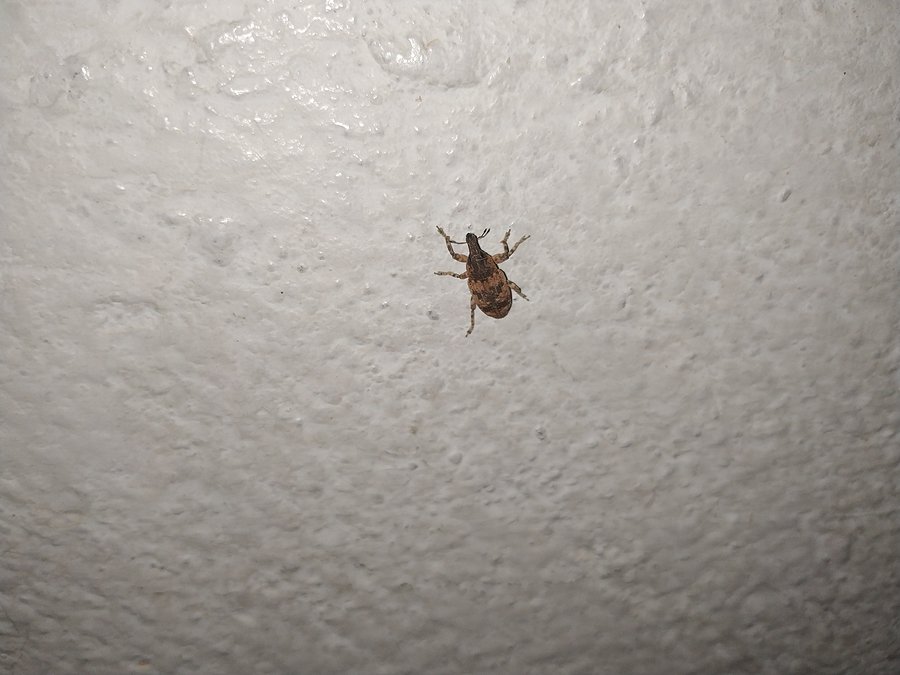
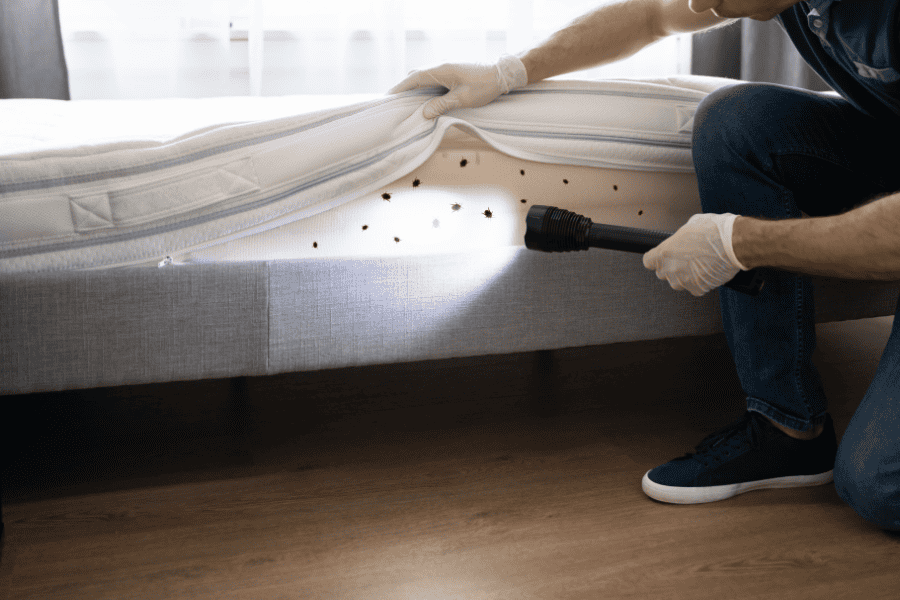
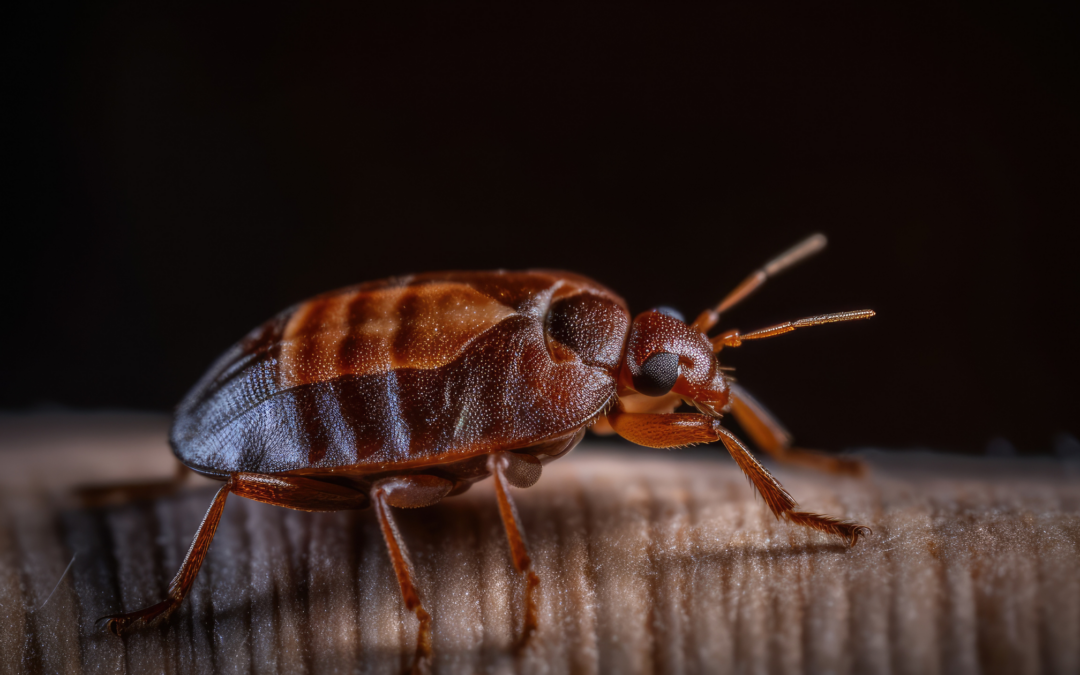
Of course, spotting live bed bugs is a surefire sign of an infestation. Adult bed bugs are small, flat, and brownish-red. They are about the size of an apple seed (approximately 5-7 mm long). Bed bugs are nocturnal and tend to hide during the day, so they are often found in dark, secluded spots near sleeping areas. Common hiding spots include mattress seams, box springs, bed frames, headboards, and behind picture frames. You may also find them in cracks in furniture, behind wallpaper, or along baseboards. If you see a live bed bug, it’s time to act quickly to prevent the infestation from getting worse.
Where Bed Bugs Are Commonly Found
Bed bugs are primarily found in areas where people sleep, such as bedrooms and hotel rooms. They prefer to stay close to their food source (you!) and typically hide in mattresses, box springs, headboards, and bed frames. However, they can also infest couches, chairs, and other furniture in common areas.
Common hiding spots for bed bugs include:
- Mattress seams and tufts
- Bed frames and headboards
- Cracks in furniture
- Inside electrical outlets
- Behind baseboards and wallpaper
- Piles of clothing or linens
How Bed Bugs Are Spread
Bed bugs are notorious hitchhikers and are spread mainly through human activity. They can travel from place to place in luggage, clothing, and used furniture. Hotels, public transportation, and secondhand stores are common places where bed bugs are picked up. Once inside your home, bed bugs can quickly move from room to room, infesting new areas. They can even crawl through wall voids and electrical outlets to spread throughout an apartment building or hotel.
How Long Does It Take for Bed Bugs to Infest?
Bed bugs are fast breeders. A small infestation can become a much larger problem in a matter of weeks. Female bed bugs lay about 5-7 eggs per day, which hatch in just 6-10 days. Within a month, the newly hatched bed bugs mature and begin reproducing, so within a few months, you could be dealing with a full-blown infestation.
How to Get Rid of a Bed Bug Infestation
If you discover a bed bug infestation, acting quickly is key to preventing it from worsening. Here are some steps to take:
- Identify and Contain Infested Items. Once you know you have bed bugs, contain the infestation by isolating infested items. Wash and dry your bedding, clothing, and linens on the highest heat settings to kill bed bugs and their eggs. Seal items you can’t wash in plastic bags for several months to ensure all bed bugs are dead.
- Vacuum Infested Areas. Vacuum your mattress, box spring, furniture, and floors thoroughly. Pay close attention to cracks and crevices where bed bugs may be hiding. Dispose of the vacuum bag immediately after use.
- Encase Your Mattress and Box Spring. Use bed bug-proof encasements on your mattress and box spring to trap any remaining bed bugs inside, preventing them from feeding.
- Call a Bed Bug Control Company. Professional bed bug control is the most effective way to eliminate an infestation. Bed bug control companies use a combination of chemical treatments, heat treatments, and other pest control methods to ensure all bed bugs are eradicated from your home. Contact a trusted bed bug control company to assess the situation and create a treatment plan tailored to your needs.
- Monitor for Reinfestation. After treatment, continue to monitor your home for signs of bed bugs. Regularly inspect mattresses, furniture, and cracks for any new signs of bed bugs, such as bites, shed skins, or live bugs.
Bed bugs are persistent pests, but early detection can help you manage and eliminate an infestation before it worsens. If you notice any of the signs mentioned above, it’s important to act quickly. Professional help from a bed bug control company can ensure the infestation is fully eradicated, giving you peace of mind and a bed bug-free home.

Jun 28, 2024 | Bed Bug, DIY Pest Control
Bed bugs are a common nuisance in Georgia, affecting homes, hotels, and even public transportation. As a leading pest control company, we understand the frustration and discomfort these pests can cause. In this blog, we will explore effective bed bug treatment solutions, how to identify signs of bed bugs, recognize bed bug bites, and understand the various types of treatments available.
Identifying Signs of Bed Bugs
Before diving into treatment methods, it’s crucial to confirm if you have a bed bug infestation. Here are some key signs to look for:
- Bite Marks: Bed bug bites often appear as small, red welts in a line or cluster on exposed skin. They can be itchy and sometimes cause allergic reactions.
- Blood Stains: You might notice small blood stains on your sheets or pillowcases from crushed bed bugs.
- Dark Spots: Bed bug excrement leaves dark, rusty spots on mattresses, bedding, and walls.
- Eggs and Shed Skins: Look for tiny, pale yellow eggs and shed skins around your bed and furniture.
- Live Bed Bugs: Adult bed bugs are about the size of an apple seed, flat, and reddish-brown. They can hide in mattress seams, box springs, bed frames, and cracks in walls or furniture.
Identifying Bed Bug Bites
Bed bug bites can be mistaken for other insect bites or skin conditions. Here’s how to differentiate them:
- Appearance: Bed bug bites are small, red, and often appear in a line or cluster.
- Location: They are typically found on areas of the body exposed during sleep, such as the face, neck, arms, and legs.
- Itchiness: These bites are usually very itchy and may cause a burning sensation.
If you suspect bed bug bites, it’s essential to inspect your sleeping area for other signs of infestation.
Types of Bed Bug Treatments
Effective bed bug treatment requires a comprehensive approach. Here are some common methods:
- Chemical Treatments: Pesticides are commonly used to treat bed bug infestations. Professional pest control companies use EPA-approved insecticides to ensure safety and effectiveness. This method usually requires multiple applications and careful monitoring.
- Heat Treatments: High heat treatments involve raising the temperature of infested areas to a level that is lethal to bed bugs (typically around 120°F). This method is highly effective and can penetrate deep into mattresses, box springs, and other furniture. Many homeowners ask, “Will heat treatment for bed bugs damage my home?” The answer is no—when conducted by professionals, heat treatments are safe and will not damage your property.
- Cold Treatments: Similar to heat treatments, cold treatments use extreme cold to eliminate bed bugs. Liquid carbon dioxide is applied to infested areas, freezing and killing the pests. This method is less common but can be effective in certain situations.
- Steam Treatments: Steam treatments use high-temperature steam to kill bed bugs on contact. This method is particularly useful for treating mattresses, box springs, and upholstered furniture. It is chemical-free and environmentally friendly.
- Integrated Pest Management (IPM): IPM combines multiple treatment methods and preventative measures. It includes chemical treatments, heat, steam, and physical removal, as well as measures to prevent re-infestation.
Treating Your Home
When dealing with a bed bug infestation, it’s crucial to treat your home thoroughly. Here are steps to follow:
- Declutter: Remove infested items and reduce clutter to minimize hiding spots for bed bugs.
- Vacuum: Regularly vacuum mattresses, box springs, carpets, and furniture. Dispose of the vacuum bag in a sealed plastic bag immediately.
- Wash Bedding: Wash all bedding, curtains, and clothing in hot water and dry on the highest heat setting.
- Encase Mattresses: Use bed bug-proof mattress and box spring encasements to trap any remaining bugs and prevent new infestations.
- Hire a Professional: Professional pest control companies have the expertise and equipment to effectively treat bed bug infestations. They can identify the extent of the problem and recommend the best treatment methods.
Infested Items and Prevention
Once you’ve treated your home, preventing future infestations is key:
- Inspect Second-hand Items: Carefully inspect second-hand furniture, mattresses, and clothing before bringing them into your home.
- Travel Precautions: When traveling, check hotel rooms for signs of bed bugs and keep luggage off the floor and bed.
- Regular Inspections: Periodically inspect your home for signs of bed bugs, especially in high-risk areas like bedrooms and living rooms.
Dealing with a bed bug infestation can be stressful, but with the right approach, you can effectively eliminate these pests and prevent future problems. Understanding how to identify signs of bed bugs and recognizing bed bug bites are the first steps. Exploring various treatment methods, from chemical treatments to high heat solutions, will help you find the best approach for your situation.
Remember, hiring a professional pest control company is often the most efficient way to handle bed bug control. We are equipped with the knowledge and tools to treat your home safely and effectively, ensuring you can sleep soundly once again.
If you suspect a bed bug infestation, don’t hesitate to contact us. Our expert team is here to provide you with the best bed bug treatment solutions and restore your peace of mind.
Dec 27, 2023 | Bed Bug
Understanding what bed bugs are and how they can find their way into your home is the first step in preventing their unwelcome presence. Let’s go over how to properly identify bed bugs and the many ways they can make their way into your home.
What are Bed Bugs?
Bed bugs are small, parasitic insects that primarily feed on the blood of humans and animals. The reddish-brown, oval-shaped creatures are about the size and apple seed when fully grown. Bed bugs are expert hiders, which makes identifying bed bugs challenging until an infestation is underway.
How Do Bed Bugs Enter Your Home?
- Traveling: Bed bugs can easily latch on to clothing, luggage, or personal items, and travel with you from place to place. Infested hotel rooms, motels, public transportation, or even the homes of friends and family can be potential sources of bed bug exposure.
- Secondhand Items: Bringing in used furniture or clothing that has been infested with bed bugs is another common entry point. Items like used clothing, mattresses, sofas, or upholstered chairs can provide the perfect hiding spots for bed bugs.
- Visitors: Unfortunately, your visitors could be unknowingly carrying these pests with them, especially if they have been dealing with an infestation themselves.
How to Prevent Bed Bugs
Preventing a bed bug infestation begins with awareness. Here are some steps you can take:
- Inspect secondhand items thoroughly before bringing them into your home
- When traveling, inspect hotel rooms for signs of bed bugs and keep luggage off the floor and away from walls
- Regularly wash and dry your bedding, curtains, and clothing at high temperatures to eliminate potential bed bugs
- Use mattress and box spring encasements to reduce hiding spots for bed bugs
- Learn the signs of a bed bug infestation
Understanding how to identify bed bugs and how they can enter your home is the first step to keeping these pests away. If you suspect you have bed bugs, reach out to your local pest control company for an inspection and plan of action!
Dec 13, 2023 | Bed Bug
Bed bugs are the unwelcome guests that can ruin your sleep and take over your home. These tiny, apple seed shaped insects can easily infest your home without warning by hitchhiking via your luggage or other personal belongings. To help you prevent bed bugs, let’s go over the common signs of bed bugs and how to effectively manage them as pests.
Common Signs of Bed Bugs
- Unexplained Bites: One of the most common signs of a bed bug infestation is waking up with itchy, red welts on your skin. These bites often appear in clusters and are usually found on exposed areas such as arms, legs, neck, and face. Not everyone reacts the same way to bed bug bites, so an absence of bites doesn’t always mean an absence of bed bugs.
- Bloodstains on Bedding: As bed bugs feed on your blood, they can leave behind reddish-brown stains on your sheets and pillowcases. This is typically a result of crushed bed bugs or blood-filled fecal matter.
- Musty Odor: Bed bugs release a distinctive, sweet, and musty odor that can be unpleasant to most. If you notice this scent in your bedroom or other areas of your home, it can be a clear sign of infestation.
- Live Bed Bugs: The most obvious of the signs for having bed bugs is finding live bugs. Adult bed bugs are the size of an apple seed, reddish-brown, and oval shaped. Nymphs are smaller and lighter in color.
Effective Strategies to Rid Your Home of Bed Bugs
- Maintenance: The first step in managing a bed bug infestation is to declutter and thoroughly clean the affected areas. Vacuum your mattress, box spring, and any nearby furniture with a brush attachment to dislodge any bed bugs or eggs. Be sure to discard all vacuum debris outside of your home!
- Isolation: Once you discover the area that is affected, isolate whatever piece of furniture or room to prevent further infestation.
- Professional Pest Control: While some DIY methods can be beneficial, bed bugs are notorious for being a challenging pest to rid your home from. Bed bug control professionals can pinpoint the affected area and get your home back to a pest-free environment! Call your local pest control company for a free quote!