Miami’s October Termite Threat: What Homeowners Need to Know
In Miami, termites are a year-round concern. Unlike regions where cooler weather slows pests, our tropical climate allows destructive termites to stay active. October is a critical time for homeowners to remain vigilant, as certain termite species, including the formidable Formosan subterranean termite, continue to silently threaten your property. Understanding the termite threat in Miami is key to protecting your home. This guide explains what to watch for and how to reduce risk.
Why Termites Remain a Major Threat in October
Understanding Year-Round Termite Activity
Miami’s warm, humid climate means termites have no true “off-season.” While swarm season peaks in spring, colonies work continuously. Autumn rain and consistent moisture encourage subterranean termites to forage for wood and other cellulose sources to feed their growing populations.
The Hidden Dangers to Your Home
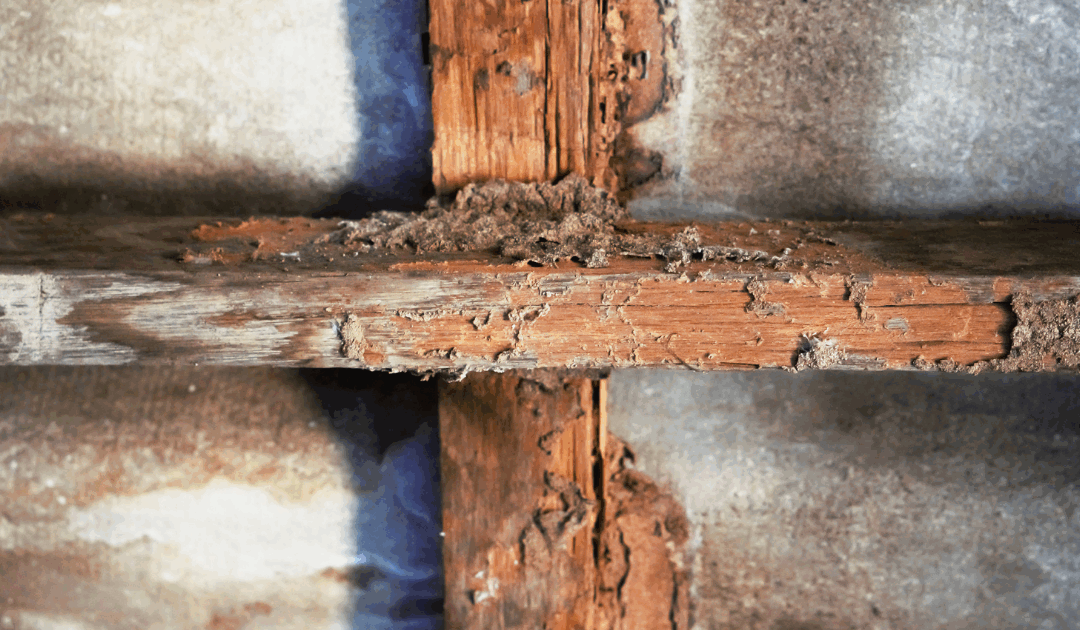
Termites consume wood from the inside out, often leaving no visible damage until the structure is seriously compromised. This can weaken support beams, hollow floors, and damage walls, resulting in costly repairs. The termite threat is not just a nuisance; it directly affects your home’s structural integrity and value.
Identifying an Active Termite Infestation
Mud Tubes
Subterranean termites build pencil-sized mud tubes to travel from underground colonies into your home. Check foundations, crawl spaces, and interior walls for these tunnels.
Discarded Wings
After swarming, reproductive termites shed wings. Look for tiny piles on windowsills, near doors, or caught in spiderwebs—a clear sign a colony is nearby.
Wood Damage
Tap wooden surfaces like baseboards, window frames, and support posts. Hollow or papery sounds, blistering, or darkened wood may indicate termite activity.
Proactive Steps for Termite Prevention
Eliminate Moisture Sources
Termites need moisture to survive. Repair leaky pipes, faucets, or AC units, and keep gutters and downspouts clear to direct water away from your foundation.
Remove Wood-to-Ground Contact
Keep lumber, firewood, and other cellulose debris at least 20 feet from your home on raised platforms. Maintain a gap between mulch or soil and siding to reduce access points.
Staying Ahead of Termites This Fall
Preventing termite damage starts with vigilance. Regularly inspect for mud tubes, discarded wings, and compromised wood while eliminating moisture and wood-to-ground contact. These steps help reduce risk, but established colonies often require targeted strategies.
If you notice any signs of termite activity or want to ensure your home is fully protected, call a certified termite control technician today for a thorough inspection and a customized plan to protect your property.